







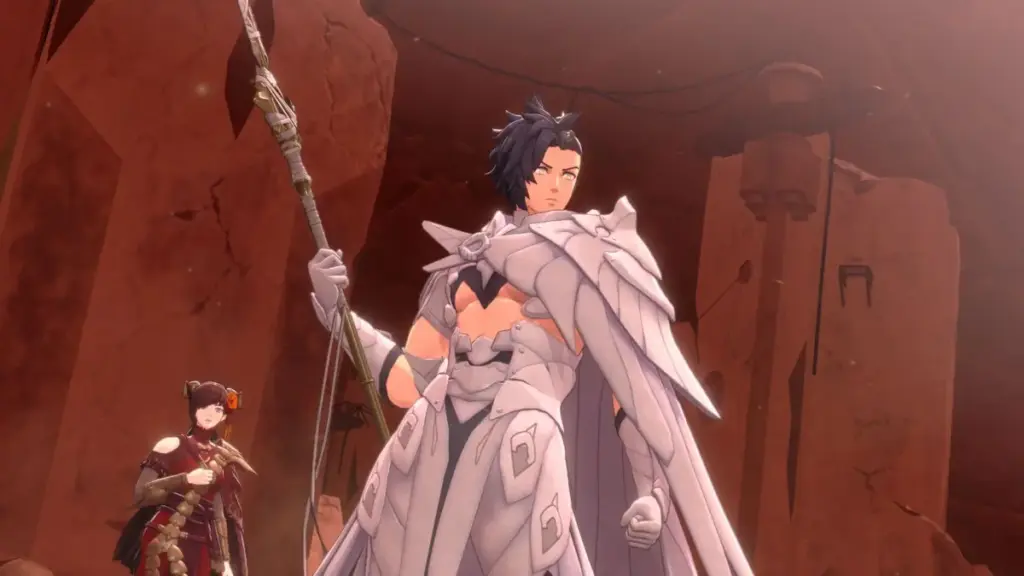
For decades, the Fire Emblem series has stood as a pillar of the tactical role-playing genre, balancing the delicate scales of permadeath, grid-based strategy, and intricate social simulation. With the release of Fire Emblem: Fortune’s Weave, developer Intelligent Systems has finally achieved a long-sought equilibrium. The game manages to marry the mechanical rigor and charm of the series’ classic era with the quality-of-life advancements and narrative depth that have defined its modern renaissance.
Fortune’s Weave feels, in many ways, like a culmination of the franchise’s thirty-year journey. While it wears the visual and mechanical trappings of recent hits like Fire Emblem Engage—incorporating personal skills and the expansive social hubs popularized by Three Houses—the underlying architecture is unmistakably rooted in the series’ foundational design philosophy. It is a confident, polished experience that suggests Intelligent Systems has finally mastered the art of evolving its formula without sacrificing the "soul" that made the series a cult classic in the first place.
A Return to Focused Storytelling and Character Dynamics
One of the most striking departures in Fortune’s Weave is its approach to character relationships. In recent years, the series became synonymous with massive casts, each member burdened with a web of support conversations that often felt exhaustive or, at times, forced. While titles like Fates and Three Houses offered memorable pairings, they occasionally struggled to maintain a consistent tone, sometimes veering into excessive exposition to accommodate dozens of potential romances.


Fortune’s Weave takes a step back toward the GBA-era approach, favoring quality over quantity. Each character is provided with a limited, highly curated set of support conversations involving individuals who genuinely matter to their personal journey—whether they are colleagues, family members, or rivals. This shift makes the social aspect of the game feel more intimate and meaningful. Instead of every character acting as a vessel for a massive lore dump, players are treated to focused, impactful exchanges that define who these people are in the context of the war they are fighting.
Even the peripheral characters, who might only appear briefly in a main campaign path, benefit from this restraint. A character like Nuzzuo, for instance, possesses a singular, deep conversation thread that provides more insight into his motivations than a dozen generic, repetitive interactions might have. By narrowing the scope of these relationships, the game successfully creates a world that feels lived-in and grounded, allowing the player to feel a genuine connection to their units without the exhaustion of managing endless social obligations.
The Return of Threat: Atmosphere and Tactical Danger
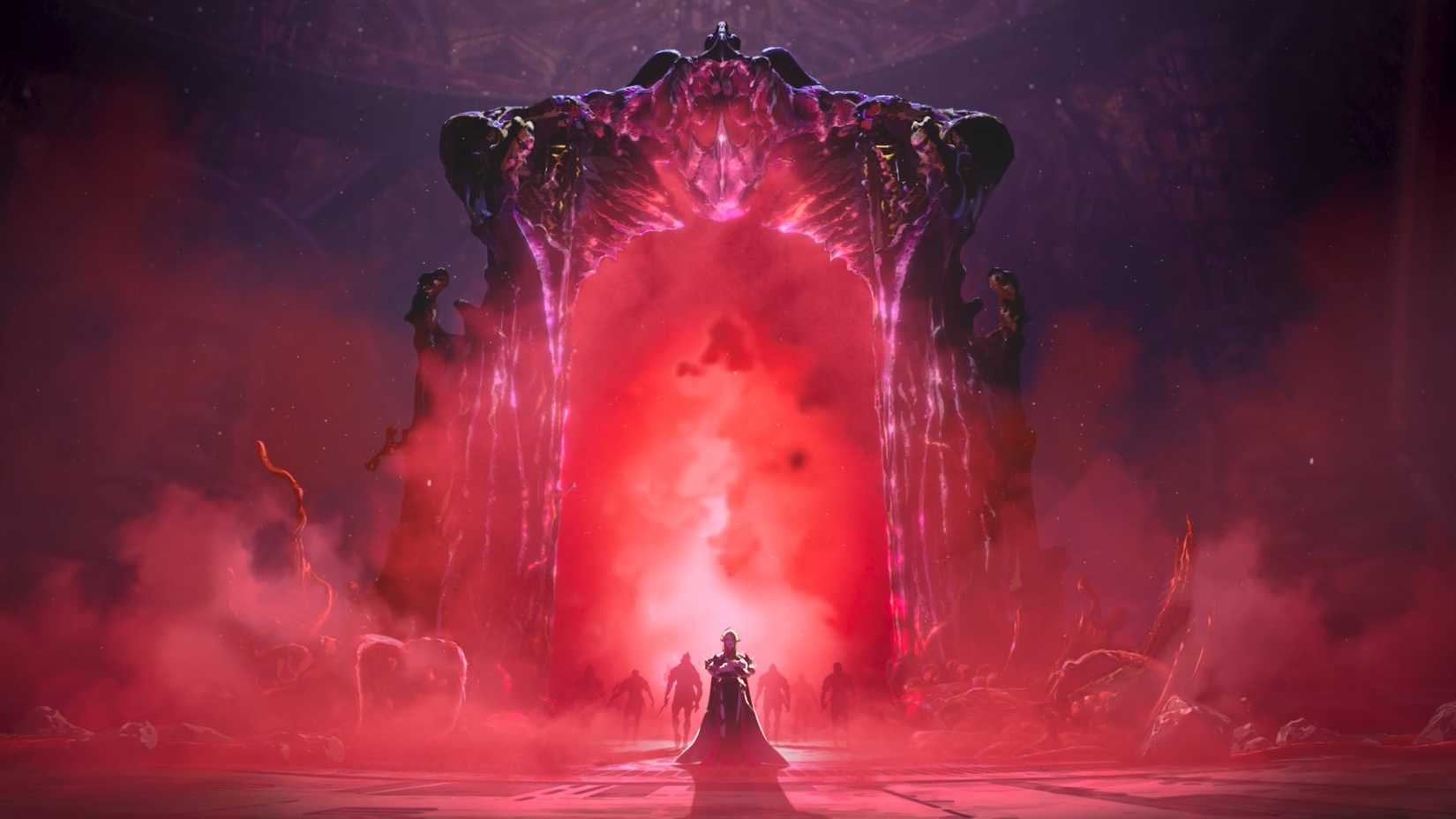
The game’s narrative also benefits from a return to darker, more atmospheric themes, particularly regarding its underworld plot. While undead threats have been a staple of the franchise for years, they have often felt like generic fodder—impersonal and lacking in stakes. Fortune’s Weave pivots back toward the style of 2004’s The Sacred Stones, integrating the supernatural elements into a cohesive, twisted family drama that traces its roots back to the arrival of Sothis centuries prior. This context elevates the enemy forces from mere obstacles to integral parts of the world-building, turning encounters into high-stakes narrative beats.

This sense of danger is further heightened by the implementation of "Fog of War" mechanics. In recent entries, maps featuring restricted vision often lacked the teeth to make the fog feel like a true tactical threat. In Fortune’s Weave, however, the limited visibility is a constant, palpable danger. Enemies are programmed with a higher degree of intelligence, actively seeking out units they are effective against and coordinating to surround the player’s vulnerable characters. This makes the simple act of moving forward a calculated risk, restoring the tension that made classic maps like The Blazing Blade’s "Battle before Dawn" so legendary.
To keep this from feeling unfair, Intelligent Systems has introduced a clever, layered system of counterplay. Players can utilize a "blessing" mechanic to temporarily clear the fog, but the game goes further by introducing interaction chains. When a player discovers an enemy in the fog, the enemy is briefly "confused," preventing them from counterattacking. Players can equip specific accessories that grant buffs when attacking these confused foes, creating a rewarding loop where careful exploration and scouting are rewarded with the ability to swiftly dismantle enemy formations.
Modernizing the Tactical Foundation
Perhaps the most controversial yet necessary change in Fortune’s Weave is the overhaul of the weapon system. By moving away from the rigid, traditional weapon triangle and the constant frustration of weapon durability, Intelligent Systems has successfully streamlined the tactical experience. Instead of tying effectiveness to class types, the game now builds specific functions into the weapons themselves. Axes are heavy hitters that prioritize raw damage at the expense of accuracy; swords are nimble, facilitating follow-up strikes; and other weapons offer distinct, predictable tactical niches.
This change does not remove the strategy; rather, it shifts the focus. Players are no longer forced to use specific character types just to maintain a balanced weapon triangle. Instead, they are encouraged to consider the synergy between a character’s unique skills and their chosen weapon. This creates a much higher degree of flexibility, allowing players to experiment with builds that might have been impossible in older, more restrictive titles. It feels like the culmination of years of experimentation—taking the lessons learned from the weapon-wear mechanics of the past and the debuff systems of recent years and distilling them into a clean, intuitive, and deeply satisfying combat loop.
Ultimately, Fortune’s Weave stands as a testament to what happens when a long-running series stops trying to chase trends and starts refining its own identity. By embracing the best elements of its past—the intimacy of its character writing, the tension of its map design, and the clarity of its tactical combat—Intelligent Systems has crafted a game that feels both nostalgic and refreshingly modern. It is a balancing act that few franchises manage to pull off, but for Fortune’s Weave, it serves as a masterclass in design, marking one of the most confident and cohesive entries in the Fire Emblem series to date. The experience proves that for a series as storied as this one, the best way forward is often to remember exactly what made it worth playing in the first place.