









As we cross the halfway point of 2026, the gaming industry is currently experiencing a period of extraordinary output. It is, quite frankly, a year that has refused to slow down, delivering a steady stream of high-caliber experiences that have pushed the boundaries of both narrative design and mechanical innovation. While the calendar is set for a massive final act in November—marked by the highly anticipated arrivals of The Legend of Zelda: Ocarina of Time and the colossal Grand Theft Auto 6—the months leading up to this winter surge have been nothing short of a landmark period for the medium.
Even when looking past those upcoming heavyweights, the year has been defined by a diverse array of hits. From the atmospheric tension of Resident Evil Requiem to the strategic depth of Fire Emblem: Fortune’s Weave and the collaborative charm of Big Walk, the breadth of quality on display is staggering. While we are still several months away from finalizing a definitive Game of the Year list, the current landscape of 2026 is already filled with titles that have left a lasting impression on players and critics alike.
Defining the Best of 2026
When evaluating which games truly stand out in a year as dense as this, the editorial team at Polygon maintains a specific set of criteria. For a title to be considered for our ongoing list of the year’s best, it must have been available to the public for at least three weeks. This buffer is crucial; it ensures that we are evaluating games that have staying power, allowing the initial excitement of a launch to settle so that we can distinguish a true masterpiece from a "flash in the pan." Furthermore, we prioritize games that have garnered broad consensus among our staff, reflecting a shared appreciation for design, artistry, and player experience. As 2026 progresses, we will continue to update this assessment, but for now, these ten titles represent the pinnacle of the year’s achievements so far.

The Blood of Dawnwalker
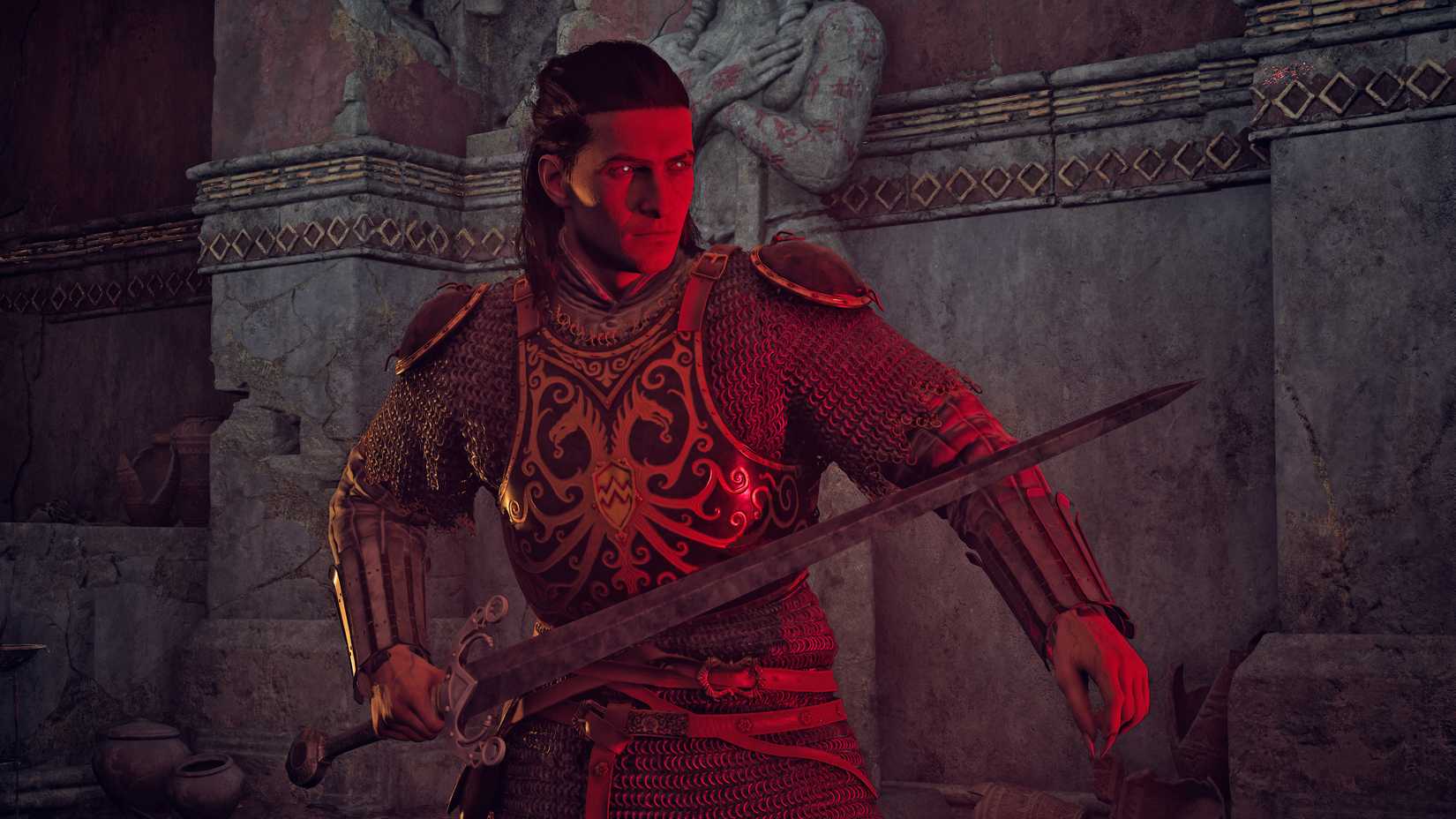
Released on September 3, The Blood of Dawnwalker has emerged as a major talking point for fans of the RPG genre. Developed by Rebel Wolves, this debut title arrived with the heavy burden of expectation, risking the fate of becoming a mere derivative of the Witcher series. Instead, it has established itself as a bold, distinct entity that effectively subverts open-world tropes.

The game’s most debated feature is its internal timer, a mechanic that forces players to navigate their limited time with surgical precision as they attempt to rescue the family of the protagonist, Coen, from a vampiric threat. While the pressure has proven stressful for some, others have hailed it as a stroke of genius. It prevents the common pitfall of aimless open-world wandering, grounding the player in a narrative of genuine urgency. By tying every action to the looming shadow of a 30-day deadline, the developers have ensured that every choice feels heavy with consequence.
Star Wars: Zero Company
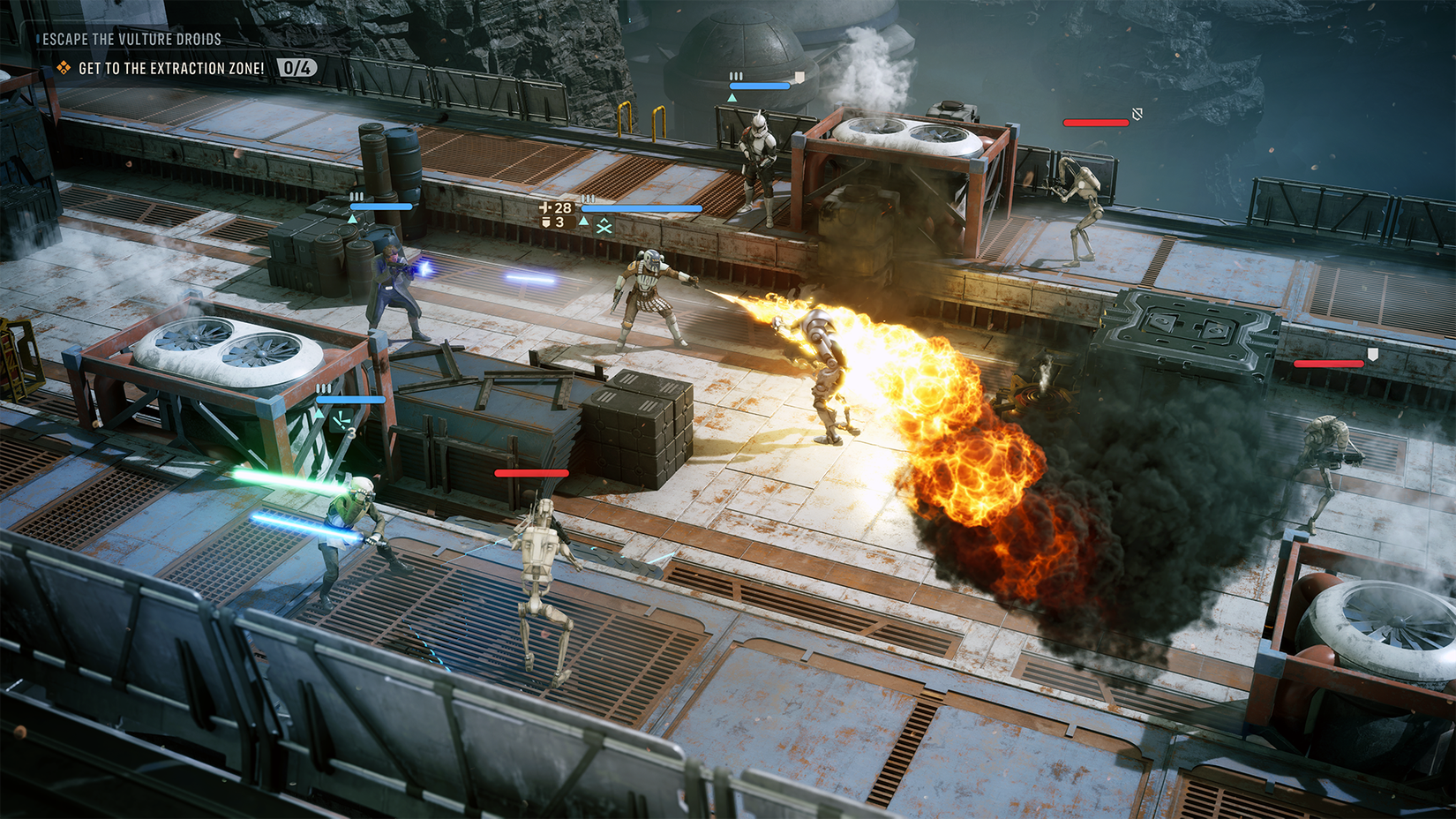
When Star Wars: Zero Company launched on August 27, it quickly became one of the most acclaimed titles in the franchise’s storied history. The brilliance of the game lies in its pedigree; created by veterans of the XCOM series, it masterfully marries the high-stakes, tactical intensity of genre-defining strategy games with the expansive, rich lore of the Star Wars galaxy.
Unlike many other entries in the franchise that lean heavily into the heroics of the Jedi, Zero Company offers a grounded perspective. It highlights the Republic as a messy, often flawed institution, far removed from the idealized, serene image of the Jedi Temple. As a field commander, the player is tasked with managing these complexities, resulting in a game that feels both like a technical triumph of strategy and a narrative success that deepens our understanding of the Star Wars mythos.
Big Walk
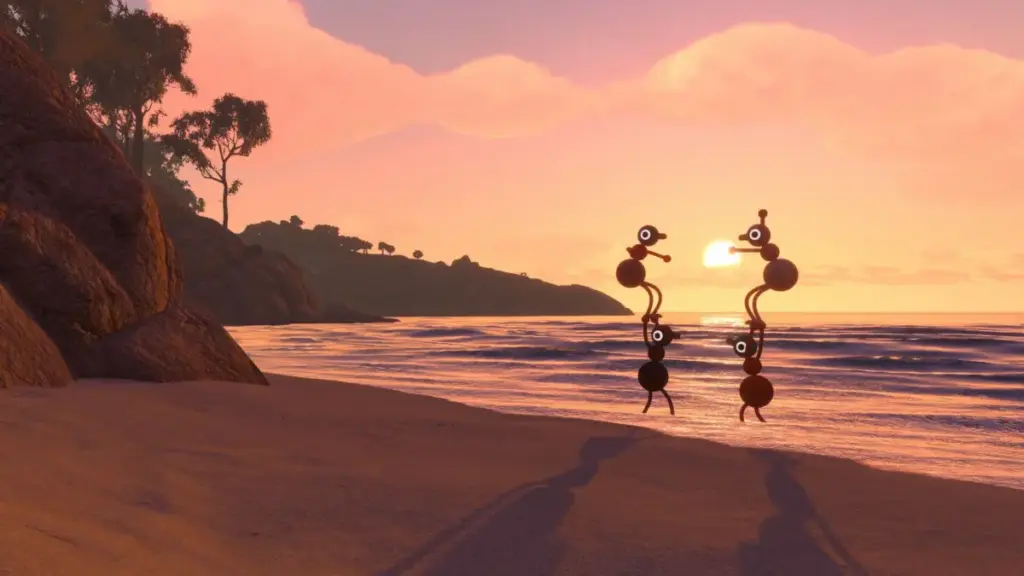
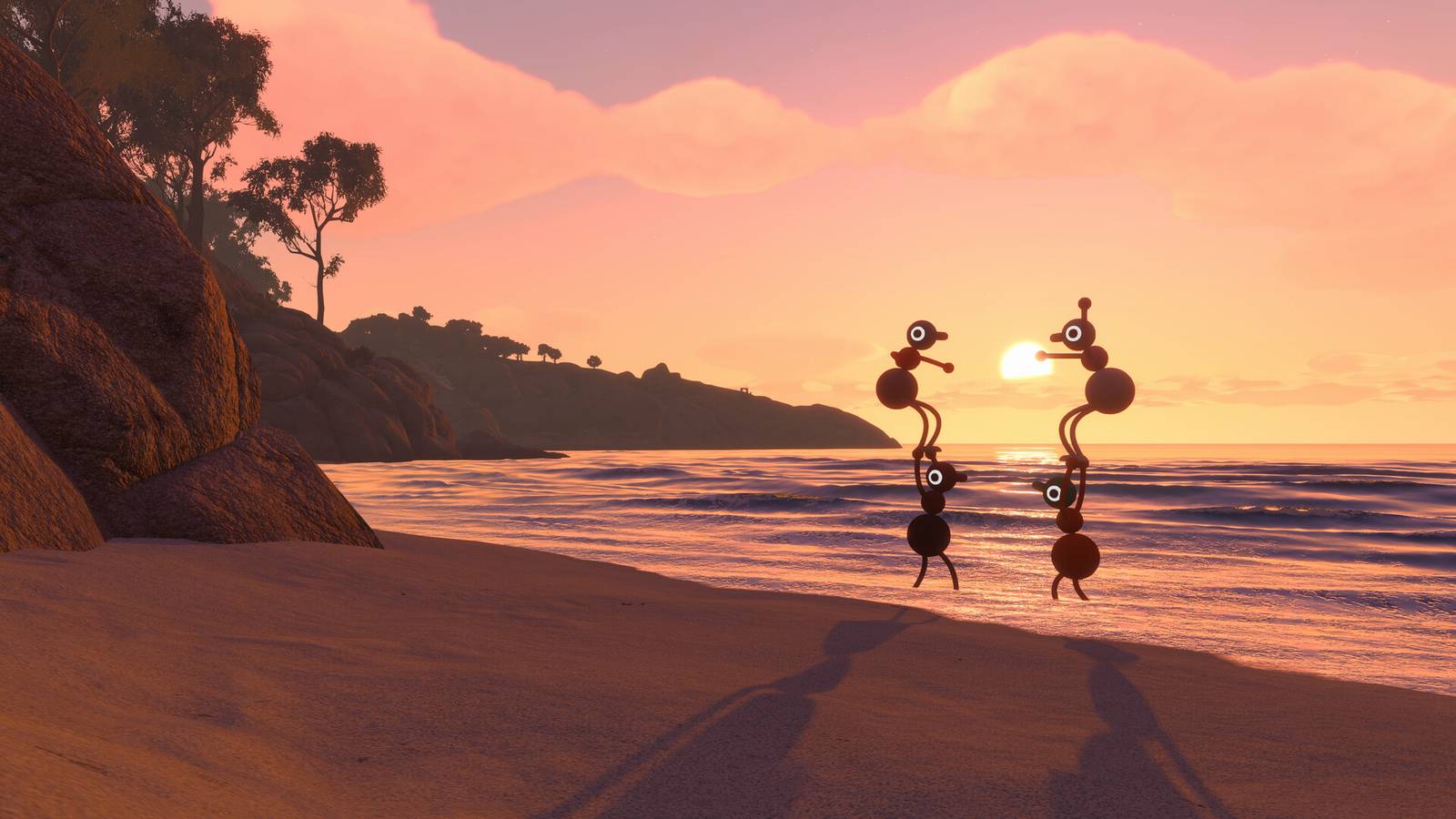
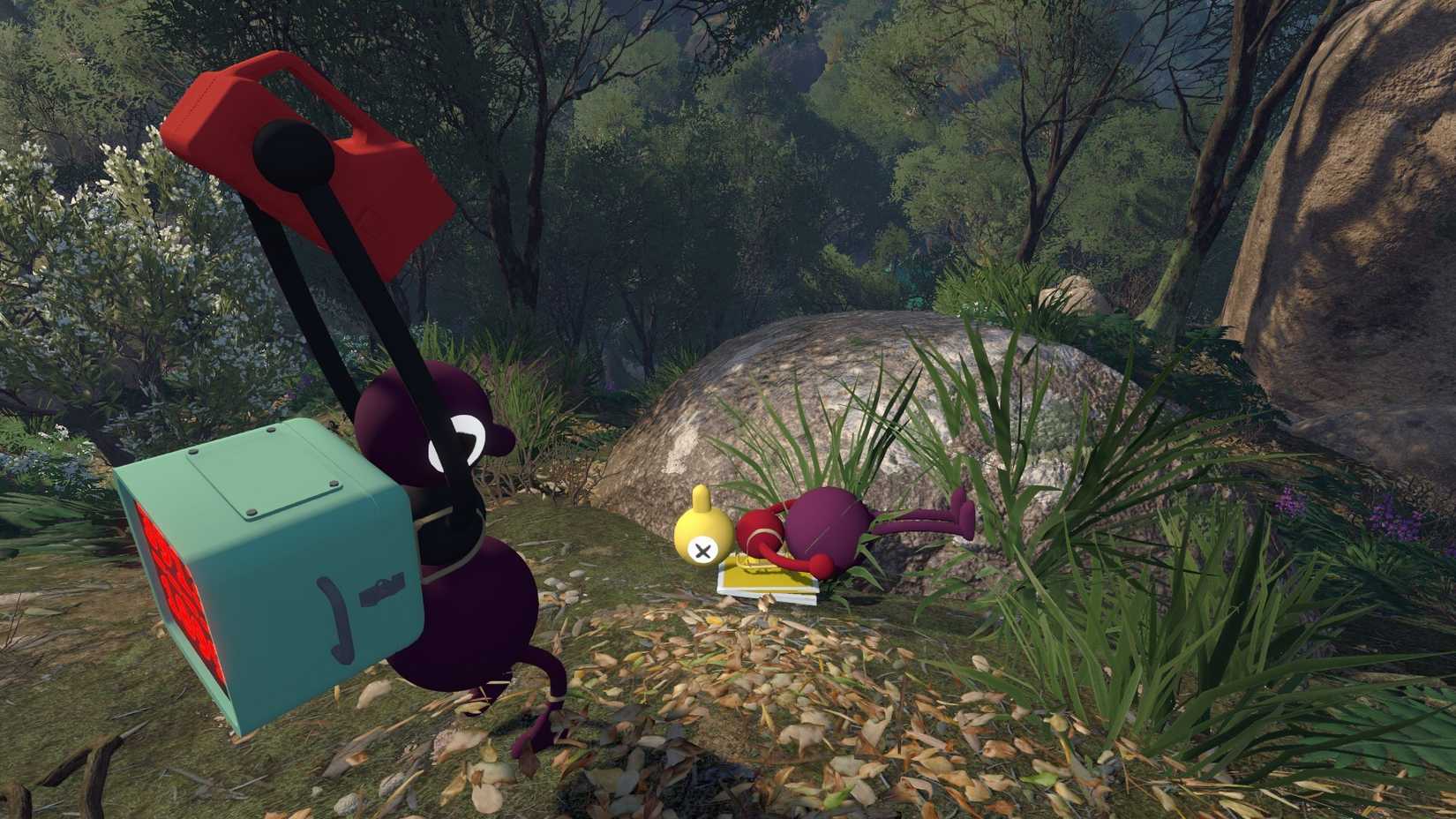
Developed by House House, the studio behind the global phenomenon Untitled Goose Game, Big Walk arrived on August 4 as an unexpected emotional powerhouse. At first glance, it presents as a whimsical, co-op adventure filled with the studio’s trademark humor and eccentric character designs. However, the game is actually a sophisticated exploration of communication and collaboration, utilizing puzzle-solving mechanics reminiscent of the classic Myst.
The game functions as a testament to the power of shared experiences. It is intentionally designed to test how well friends can coordinate and understand one another, culminating in an ending sequence that has been described as genuinely moving. It is a rare example of a cooperative game that prioritizes the quality of the interaction between players as much as the puzzles themselves.
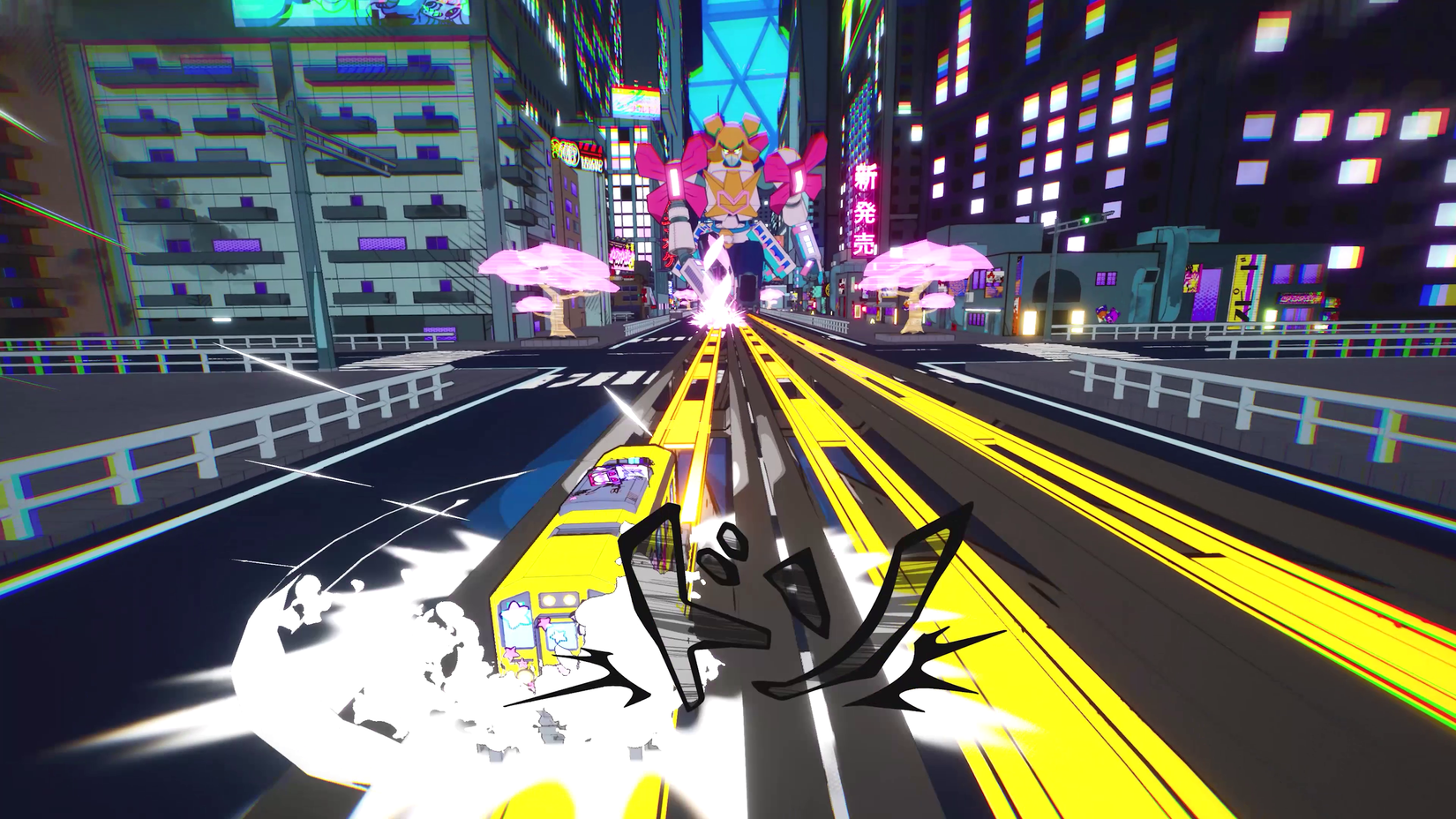
Denshattack!
When Denshattack! was first revealed, its aesthetic—a vibrant, high-energy blend of extreme sports and public transit—felt like a direct love letter to the Dreamcast era. Released on July 15, the final product proved to be far more than a quirky gimmick. Developer Undercoders successfully crafted a platformer that feels like a spiritual successor to the greats, pulling in the best elements of Sonic the Hedgehog, Tony Hawk’s Pro Skater, and Jet Set Radio. It is a game that embraces the absurd, proving that even a concept as strange as a "kickflipping train" can become a radical, cohesive gaming experience when executed with such stylistic confidence.
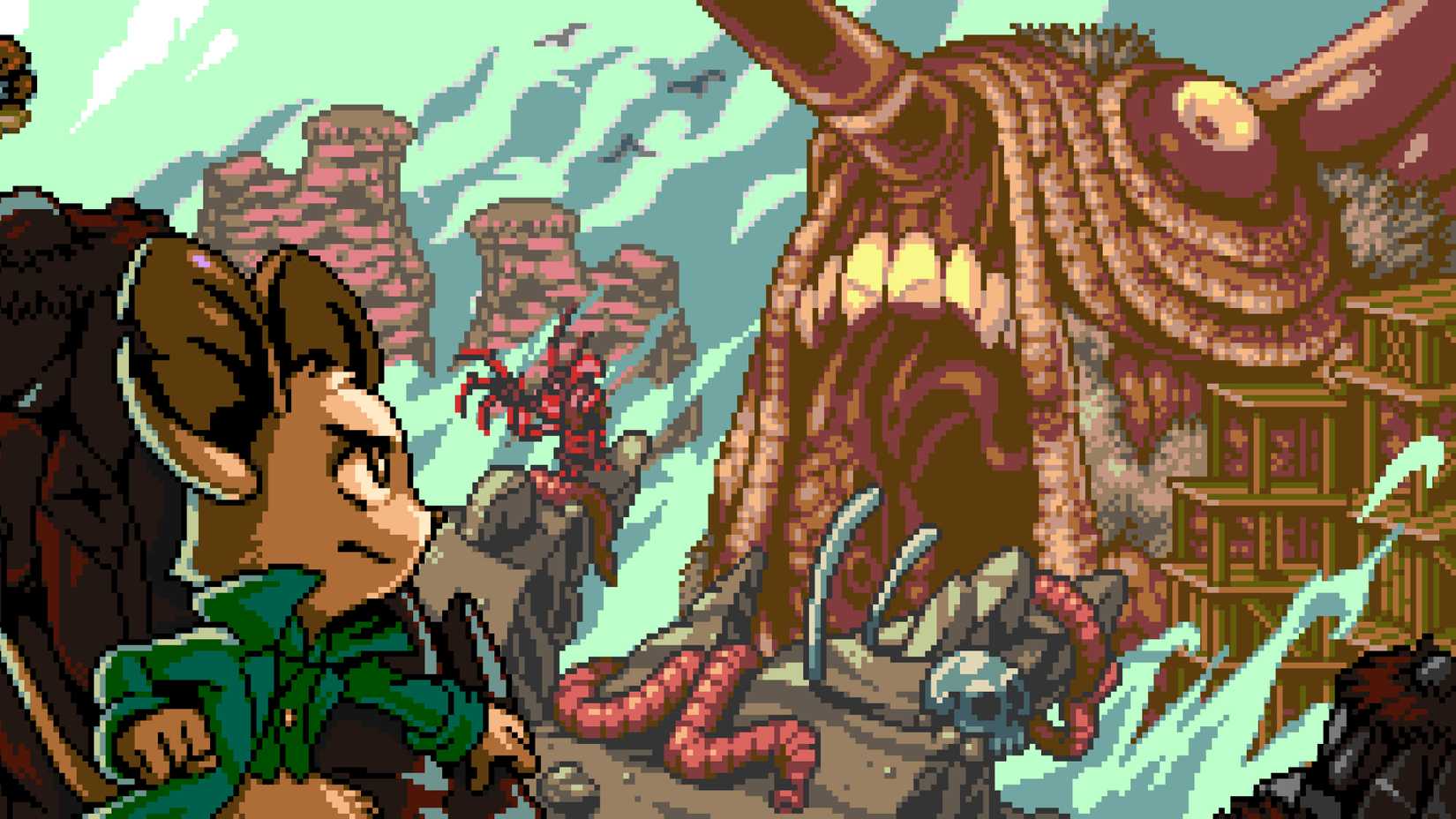
Mina the Hollower
Yacht Club Games, best known for their work on Shovel Knight, took a bold step forward with the May 29 release of Mina the Hollower. The game functions as a modern ode to the top-down Zelda era, yet it manages to avoid the trap of leaning too heavily on nostalgia. Instead, it weaves in mechanics inspired by the Bloodborne school of design, creating a challenging, dark, and interconnected world. The game proves that the foundational design principles of 80s adventure games are remarkably compatible with modern sensibilities, bridging the gap between retro charm and contemporary difficulty.
007 First Light
For years, the James Bond franchise has been absent from the pinnacle of video game discussions, but IO Interactive has effectively ended that drought. Released on May 27, 007 First Light succeeds by blending the cinematic, high-octane set pieces associated with the Uncharted series with the immersive, systems-driven brilliance of the Hitman franchise. By focusing on a younger, more defiant version of Bond, the game captures the essence of an origin story without losing the suave, quick-witted nature that defines the character. It is a sophisticated, polished, and highly satisfying spy thriller.
Zero Parades: For Dead Spies
Zero Parades: For Dead Spies, released on May 21, is a complex narrative RPG that has overcome significant external controversy to stand on its own merits. While early discourse was dominated by the turbulence at developer ZA/UM, the game itself offers a poignant, introspective look at professional failure. It tasks the player with navigating an "apology tour," where the protagonist must attempt to mend broken relationships while being fully aware that they are likely leading their companions toward another disastrous mission. It is a brutal, honest examination of the moral compromises required by the espionage profession, proving that forgiveness is often an impossible goal in a world built on betrayal.
Forza Horizon 6
Reliability is the hallmark of the Forza Horizon series, and the May 19 release of Forza Horizon 6 serves as a masterclass in consistent quality. Playground Games has refined their open-world racing formula to such a degree that, while the game does not necessarily reinvent the wheel, it polishes every aspect of the experience until it shines. With its gorgeous, lush depiction of Japanese landscapes and subtle improvements to progression, the game remains an essential, relaxing, and deeply rewarding experience for racing fans.
Titanium Court
The winner of this year’s Seumas McNally Grand Prize, Titanium Court, is a title that defies simple categorization. Released on April 23, it is a game that revels in absurdity, blending match-three mechanics with roguelike strategy and tower defense. It is a work of intellectual comedy that challenges the player’s understanding of game design, essentially asking what would happen if a Shakespearean narrative were played out through the mechanics of a high-stress puzzle game. It is a bizarre, inventive, and ultimately joyful title that rewards those willing to engage with its eccentric rules.
Pragmata
Capcom’s 2026 has been marked by a series of hits, and Pragmata, released on April 17, stands as a testament to their current creative momentum. While it initially appeared to be a fairly standard sci-fi shooter, the game offers a uniquely inventive approach to combat. The inclusion of a bot-hacking mechanic—which forces the player to solve a maze puzzle while simultaneously engaging in high-intensity combat—creates a flow state that feels entirely new. It is a challenging, weighty, and visually striking experience that highlights why Capcom remains a dominant force in the industry as we head into the latter half of the year.