









For over a decade, Chris Perkins and Jeremy Crawford have been the architects of the modern tabletop role-playing landscape. As the lead designers for the 5th edition of Dungeons & Dragons, they, alongside a dedicated team of collaborators, refined the mechanics and lore that defined a generation of play. Their fingerprints are on everything from the core rulebooks to the 5.5 edition updates, and they are responsible for some of the most celebrated adventures in the history of the hobby, including the widely acclaimed Curse of Strahd.
Given their deep-seated history with the world’s most iconic RPG, their decision in 2025 to join Darrington Press—the publishing arm of Critical Role—to work on the system Daggerheart was a move that sent shockwaves through the community. Transitioning from the established, codified rules of Dungeons & Dragons to a fresh, burgeoning system presented a unique set of challenges, but for both designers, it has proven to be a creatively liberating evolution in their careers.
Chris Perkins and Jeremy Crawford Discuss Leaving D&D for Daggerheart
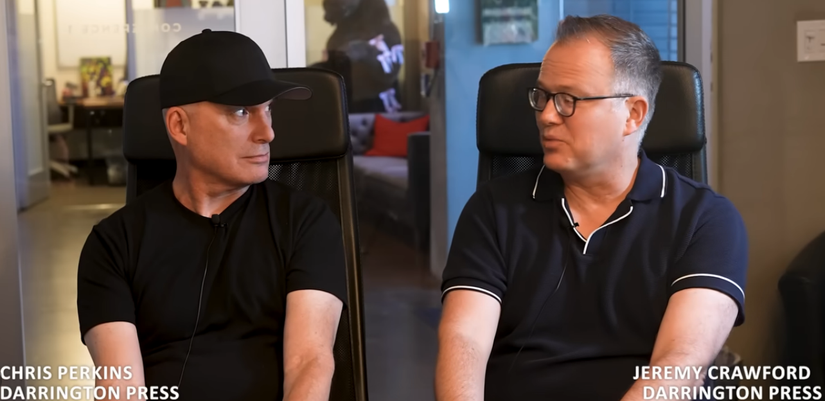
In a candid video interview with Polygon, the duo reflected on the transition. For many industry observers, the move seemed like a departure from their comfort zone. However, Perkins frames the shift as a natural progression of their design philosophies. "For me, it was super easy," Perkins explained. "Even working on D&D, we were building on the work of previous editions and the labors of the people who made those additions. It’s not like we were creating a game out of nothing. Every designer stands on the shoulders of those who came before."

Crawford echoed this sentiment, expressing genuine enthusiasm for the mechanics underlying Daggerheart. "For me, it’s actually been a delight," Crawford said. "Daggerheart is such a fun system to not only play in, but to work on. It has enough flexible parts to take and use to build new things, but it is also a new enough system that there’s actually a lot of design space that we’re exploring for future products."
The conversation surrounding Daggerheart often touches upon its influences. Like any modern TTRPG, it is a synthesis of ideas, pulling from the long history of role-playing game design. Interestingly, some of the mechanics within Daggerheart mirror the "house rules" that have circulated through the D&D community for years. A prime example is the Syndicate Rogue feature known as "Well-Connected," which functions similarly to the popular "I know a guy" homebrew rule.
Crawford emphasized that this is part of a broader, healthy ecosystem. "There is continuity, but it is far larger than just those two games," he noted. "So many different RPGs inspired the Daggerheart design team. The broader RPG community is constantly exploring—no matter what they’re playing—different ways to play and to build worlds. One of the amazing things that the Daggerheart design team did is that they managed to capture the lightning in a bottle of the things that many different design teams and groups have been exploring, and they synthesized it into this game."

Collaborative Storytelling Is in Daggerheart’s DNA
The concept of "collaborative storytelling" has become the industry standard for how TTRPGs are discussed, yet it is often an emergent property rather than a mechanical mandate. In traditional systems like D&D, the Dungeon Master acts as the arbiter and narrator, often leading the players through a pre-written path. While the best DMs have always encouraged player agency, Daggerheart seeks to codify this behavior directly into its ruleset.
"That goes back to the philosophy of Daggerheart," Crawford explained, "to take many of these things that groups have been doing for years, embracing them, and making them an official part of the game." This is not merely a philosophical shift; it represents a fundamental change in how the company approaches product design, including campaign modules and adventure books.
Perkins, who has spent decades crafting traditional adventure modules, highlighted how this impacts the creative process. "In the Daggerheart campaign frames, there are points where the player is addressed directly, or the GM is told to basically go to the players and have them add something to the setting," he said. "As we create more adventures for Daggerheart, we’re finding ways to bake that into the adventure design, so there are points in every adventure where the players are actually steering the ship. This is a fun shift for me as someone who has spent a literal lifetime working on adventure content. It’s a fundamental shift."
This evolution in adventure design is significant. While independent publishers have experimented with player-driven narrative tools for years, the inclusion of these concepts in a high-profile game like Daggerheart could signal a shift in how the industry views the relationship between the GM, the player, and the written adventure. It suggests a future where the module is no longer a rigid script, but a set of collaborative catalysts.
Daggerheart Is Set to Revolutionize the TTRPG Industry
As Perkins looks ahead to the development of a massive anthology featuring over 100 Daggerheart adventures, the scale of the task is clear. He admits to feeling a sense of novelty similar to the early days of the hobby in the late 1970s. "It’s exciting to think about just what a Daggerheart adventure is," Perkins reflected. "We literally only have one or two adventures out there in the universe. It’s a delightful thought exercise, and one I’ve never been part of, because D&D adventures are kind of established and codified. Here, we’re starting right at the outset with carte blanche, and we are going to take some chances, experiment a little, and see what lands."
The future of the system is beginning to take shape. Crawford is currently deep in the development of a "spooky" campaign setting. While he remained cautious about revealing too many specifics, he offered a glimpse into the tone of the work. "All I can say right now is that it is scary but also a realm of dark fantasy where even people who might not normally be into horror are going to find something that will entice them," Crawford teased. He confirmed that the Blood Hunter and Summoner classes would be featured in this setting, and hinted that observant fans might have already caught glimpses of the project during the Age of Umbra: Sallowlands series hosted by Matt Mercer.
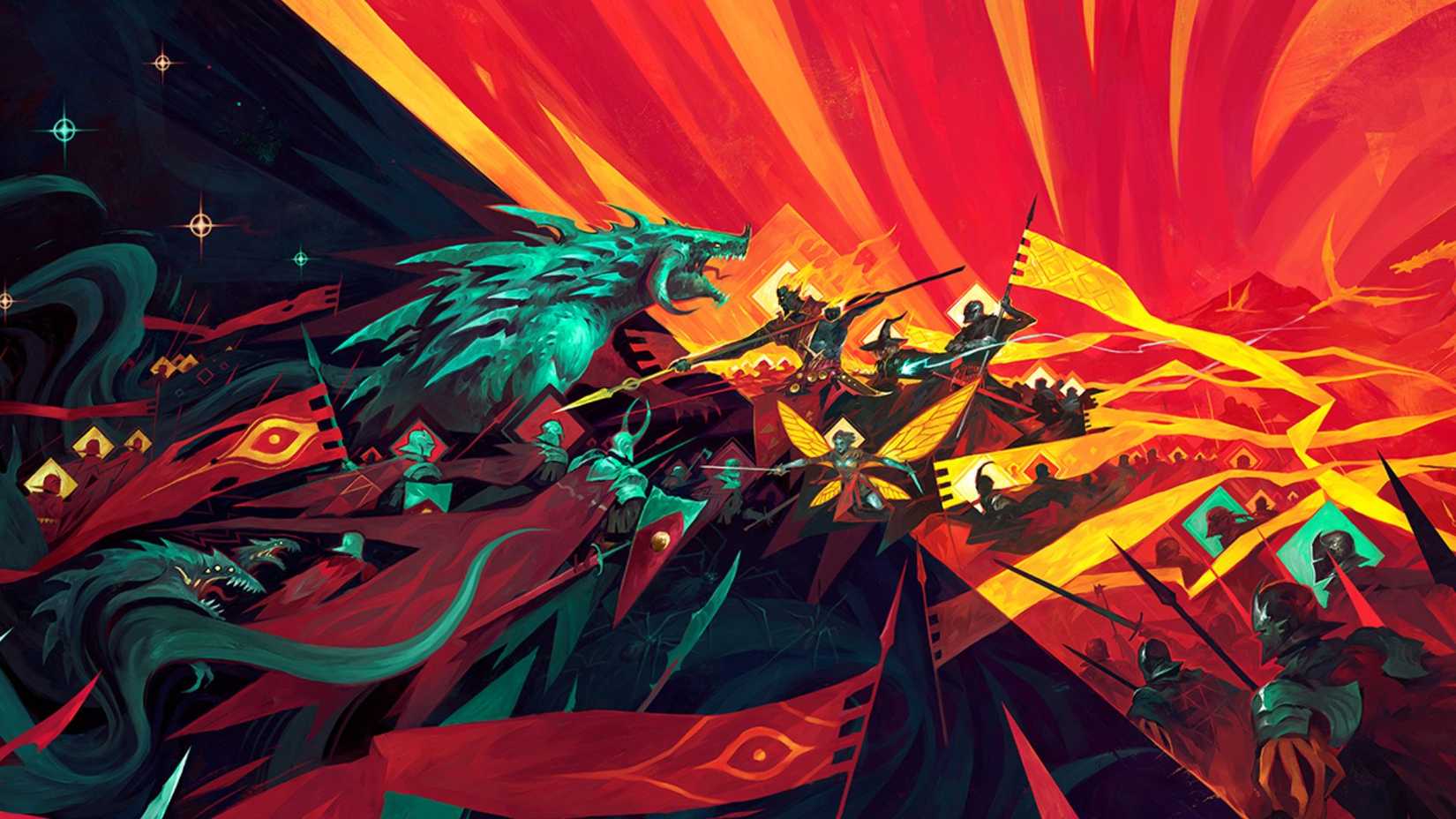
The quiet, foundational first year of Daggerheart appears to be giving way to a much more aggressive release schedule, with two tentpole products planned annually. This output puts Daggerheart in a strong position to serve as a significant competitor in the market. However, for Crawford and Perkins, the focus remains on the health of the medium itself.
"In the vast community of RPG players, we’re all in this together, experimenting with how we can move this art form forward," Crawford concluded. "Sure, there are individual systems, but the older I get, the more I get concerned about just the art form as a whole. The art form of role-playing games is so precious and such a unique way for people to connect with each other and entertain each other that I am excited when I see the art form moving forward in any way in any game."