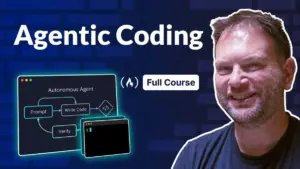







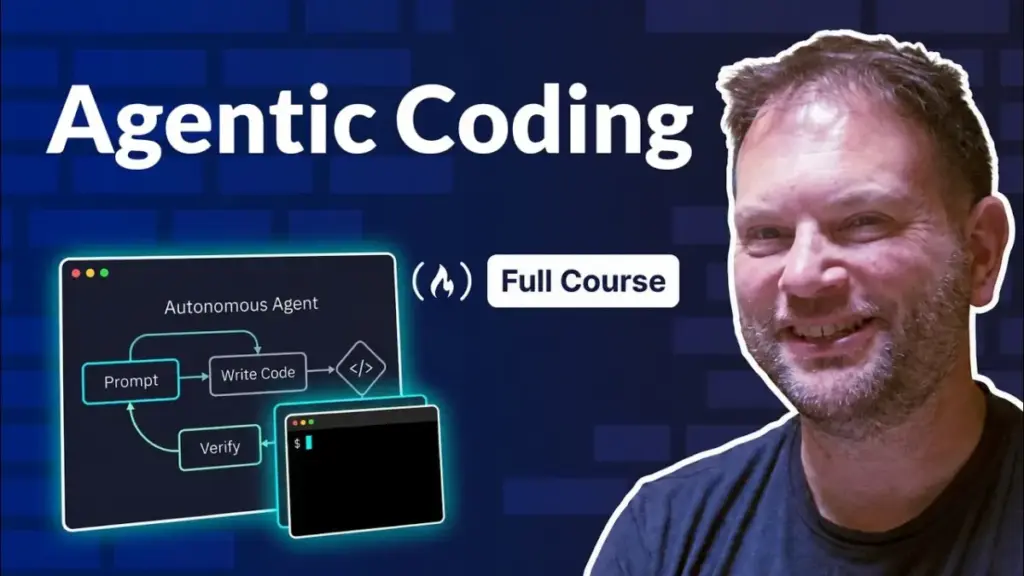
The landscape of software development continues to undergo a profound transformation with the rapid advancement of artificial intelligence. Moving beyond simple autocompletion tools and chat-based code generators, developers now have access to advanced AI coding agents capable of autonomously reading entire codebases, editing multiple files simultaneously, and executing complex commands and tests to accomplish larger objectives. To help developers and aspiring software creators navigate this new era of agentic workflows, freeCodeCamp and Scrimba have announced the release of a comprehensive, two-hour video course hosted on the freeCodeCamp.org YouTube channel.
Taught by Tom Chant, Head of Education at Scrimba, the newly published curriculum is designed to demystify the mechanics of modern AI coding agents like Codex. The course addresses a critical challenge facing modern programmers: while AI agents possess immense capability, achieving reliable, production-ready results requires careful orchestration. Students in the program will learn the foundational practices necessary to guide AI systems effectively, including how to provide the right project context, plan out complex sequences of work, maintain strict control over agent permissions, and rigorously verify every modification before deployment.
The integration of artificial intelligence into the daily software engineering lifecycle has accelerated dramatically over the past year. Traditional coding assistants primarily function in isolation, responding to discrete prompts within a single file or chat window. In contrast, agentic coding represents an entirely different paradigm. Modern tools like Codex are designed to operate as collaborative digital team members. They possess the autonomy to analyze complex project structures, navigate directory trees, modify interconnected files, and interact directly with terminal environments to run test suites and debugging commands.
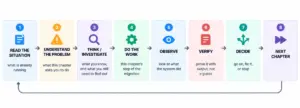
However, this heightened autonomy introduces new complexities for developers. Without proper boundaries, context, and instruction, AI agents can easily wander off course, introduce regressions, or misinterpret the architectural intent of a project. The new freeCodeCamp course focuses heavily on these governance aspects, teaching participants how to establish persistent guidelines and configurations that keep agents aligned with project standards. A key focal point of the curriculum is the utilization of specialized project files, such as the AGENTS.md file, which serves as a repository for persistent instructions, and the config.toml file, which dictates the operational configuration of the agent itself.
By mastering these configuration mechanics, developers can tailor the behavior of their AI assistants to match the unique idioms, styling conventions, and architectural patterns of individual codebases. Tom Chant walks learners through realistic, hands-on tasks that mirror everyday engineering challenges. The curriculum includes targeted modules on developing essential coding skills, implementing characterization tests to ensure software behavior remains stable during modifications, and mastering the fine-tuned adjustments required within config.toml settings to optimize agent performance.
The target audience for the course spans two distinct yet increasingly overlapping groups. On one hand, the curriculum is tailored for experienced software developers looking to integrate advanced AI agents into their existing professional workflows to boost productivity and automate repetitive refactoring or testing tasks. On the other hand, the course is thoughtfully structured to accommodate non-coders and domain experts who possess a vision for software applications but lack traditional programming backgrounds. By leveraging the autonomous capabilities of agents like Codex, these individuals can build functional software with unprecedented levels of AI assistance, effectively lowering the barrier to entry for software creation.
In addition to its availability on the freeCodeCamp.org YouTube platform, the educational content is structured so that students can also study the material interactively through Scrimba’s specialized learning platform. This dual-
format availability ensures that learners can choose the medium that best suits their study habits, whether they prefer passive video observation paired with code visualization or hands-on interactive coding environments.
As the tooling surrounding artificial intelligence continues to mature, educational resources bridging the gap between human intent and machine execution are becoming increasingly vital. The release of this two-hour course marks a significant milestone in making advanced agentic coding practices accessible to a global audience of learners, cementing freeCodeCamp and Scrimba’s shared commitment to open, high-quality technology education. Interested developers and aspiring creators can watch the complete course directly on the freeCodeCamp.org YouTube channel or explore the interactive lessons via Scrimba.