







For fans of Bethesda Game Studios, the wait for the next chapter in The Elder Scrolls saga has become something of a modern gaming legend—a test of patience that has spanned nearly a decade. Since the initial, brief announcement of The Elder Scrolls 6 back in 2018, the community has existed in a state of perpetual anticipation, fueled by minimal updates and rampant speculation. However, recent reports suggest that the long-standing "drought" of official information may finally be reaching its conclusion, offering a glimmer of hope that the next massive open-world RPG is moving toward the spotlight.
The frustration among the player base is understandable. The Elder Scrolls 5: Skyrim, which remains a cornerstone of the open-world genre, was released in 2011. The fact that its successor was announced eight years ago, only to vanish into the development pipeline, has left a void in the gaming landscape that few other titles have managed to fill. For a generation of gamers who grew up exploring the frozen peaks of the North, the silence from Bethesda has been deafening. Yet, as we approach significant milestones in the history of the franchise, the company appears to be preparing to lift the veil.
A History of Quiet Updates
To be fair to the team at Bethesda, the studio has not remained entirely silent, though their updates have been sparse and often lacked the substance fans craved. In 2025, the development team offered a rare and significant insight into the project’s status, revealing that the game had reached a state where it was fully playable from start to finish. This milestone, while not a public demonstration, served as a crucial confirmation that The Elder Scrolls 6 was not merely a concept, but a tangible, functioning piece of software.

Following that revelation, the narrative surrounding the game shifted toward the broader Bethesda ecosystem. Xbox CEO Asha Sharma added to the growing intrigue by commenting on the quality of the project, implying that The Elder Scrolls 6 was shaping up to be a truly compelling experience. Furthermore, amidst the industry-wide chatter regarding the future of the Fallout franchise and the post-launch support for Starfield, Bethesda has consistently maintained that their primary development focus remains on the Skyrim sequel. Despite the inevitable pressures to branch out into new intellectual properties or revisit established ones like the post-apocalyptic wastes of Fallout, the studio’s dedication to ensuring the next Elder Scrolls entry lives up to the weight of its predecessor has remained their clear priority.
The Looming Announcement and the "Sentinel" Theory
Despite the ongoing radio silence, the landscape is shifting. According to reports from The Verge, Bethesda’s marketing apparatus is poised to accelerate its efforts. The report suggests that the studio is preparing to officially unveil the game’s full title—The Elder Scrolls 6: Sentinel—in conjunction with the fifteen-year anniversary of Skyrim.
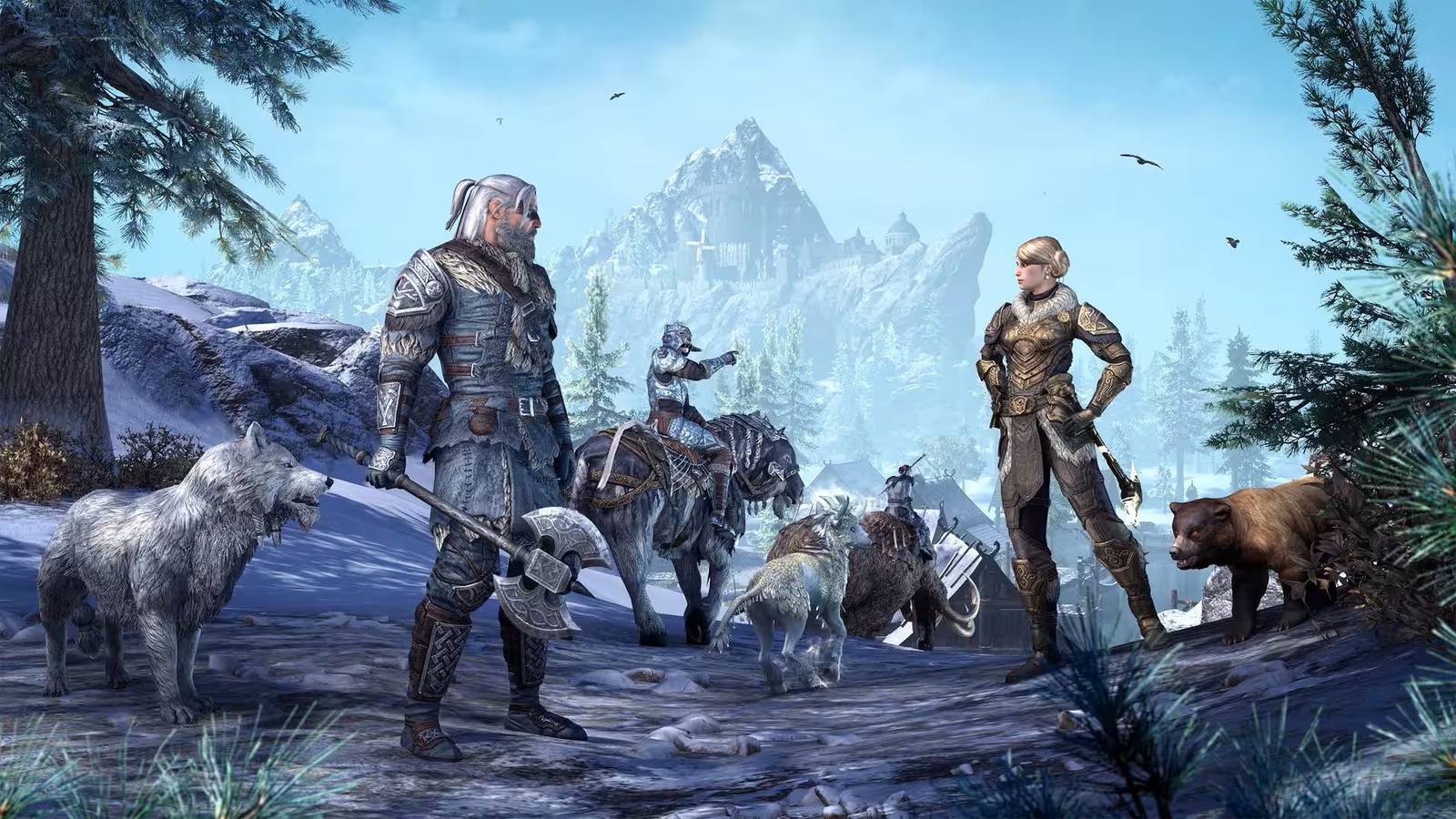
Given that Skyrim first debuted on November 11, 2011, the upcoming anniversary provides a poetic and strategically sound window for Bethesda to acknowledge the past while pivoting toward the future. The subtitle "Sentinel," if accurate, would be a major revelation for fans who have spent years dissecting every frame of the original 2018 teaser trailer. In fact, eagle-eyed players previously identified potential Easter eggs hidden within early Starfield marketing materials that pointed toward the Hammerfell region and the name "Sentinel." For years, this remained firmly in the realm of fan theory, but the latest reports suggest that these community-driven breadcrumbs were, in fact, intentional hints.
The report also provides additional context regarding the game’s setting and thematic scope. It is widely expected that the game will take place in Hammerfell, a region rich in lore and history, known for its desert landscapes and the fierce independence of the Redguards. Furthermore, the narrative appears to be leaning into the core mythology of the series, with players tasked with uncovering the secrets behind the mysterious, ancient artifacts known as the Elder Scrolls themselves. This thematic focus echoes the exploration mechanics found in Starfield, where uncovering the mysteries of the universe served as a primary driver for player agency and discovery.
What Lies Ahead for Elder Scrolls Fans
If these reports hold true, the impending announcement will mark the end of an era defined by speculation and the beginning of a new phase characterized by concrete information. For the legions of fans who have subsisted on "crumbs"—brief trailers, vague developer comments, and community-driven rumors—the transition to an official title reveal will be a massive shift in momentum.
It is important, however, to temper expectations. While an official title and a potential glimpse at new media, such as high-fidelity screenshots or a more substantive gameplay trailer, would be a watershed moment, the game itself is still widely rumored to be years away from a full commercial release. Developing a title of this scale, particularly in the current climate of high-definition graphics and complex open-world systems, requires a monumental amount of time. Nevertheless, the transition from "vague announcement" to "official title" is a psychological and marketing milestone that cannot be understated.
The long wait has been a testament to the enduring power of the Elder Scrolls brand. Few franchises can maintain such a high level of cultural relevance and community interest without a new entry for over a decade. Whether or not the game ultimately bears the title Sentinel, the mere prospect of seeing Bethesda officially step back into the world of Tamriel will be a welcome development for millions of players. As the November anniversary approaches, the gaming community remains in a state of heightened anticipation, waiting to see if the long-rumored return to the world of high fantasy is finally ready to be unveiled. For now, the players wait, hoping that the next chapter in their journey is finally within reach.