












In a significant shift for one of the world’s most prominent streaming platforms, Disney Plus has quietly updated its subscriber agreement, signaling a new era for its "Premium" tier. The revised terms clarify that even users who pay for the highest level of service—ostensibly designed to offer an ad-free experience—are now subject to promotional content. This development marks a notable departure from the traditional understanding of "premium" subscription models, where higher price points typically guarantee an uninterrupted viewing experience.
The updated subscriber agreement, which serves as the legally binding contract between the Walt Disney Company and its global user base, now explicitly states that advertisements and promotional material may be presented to subscribers regardless of their specific tier. For long-time subscribers who have grown accustomed to the distinction between the budget-friendly, ad-supported tier and the more expensive, ad-free Premium experience, this change introduces a new layer of complexity to the value proposition of Disney’s streaming service.
Disney Plus Subscriber Agreement Allows for Ads Before and After Programs
The core of this policy shift is found in the updated Service and Advertising clause 1.1.e of the Disney Plus subscriber agreement. According to the revised language, Disney has secured the contractual right to integrate promotional content into the user experience across all subscription tiers. While this change affects the entire platform, the impact varies depending on the specific tier a user pays for each month.

For those on the standard, ad-supported plan, the experience remains largely consistent with industry standards, where commercials are inserted periodically during the playback of films and television episodes. However, for Disney Plus Premium subscribers, the integration of ads is more nuanced. Under the new guidelines, Premium users will not face interruptions in the middle of their content. Instead, Disney has reserved the right to play advertisements or promotional segments at the very beginning or immediately following the conclusion of a program.
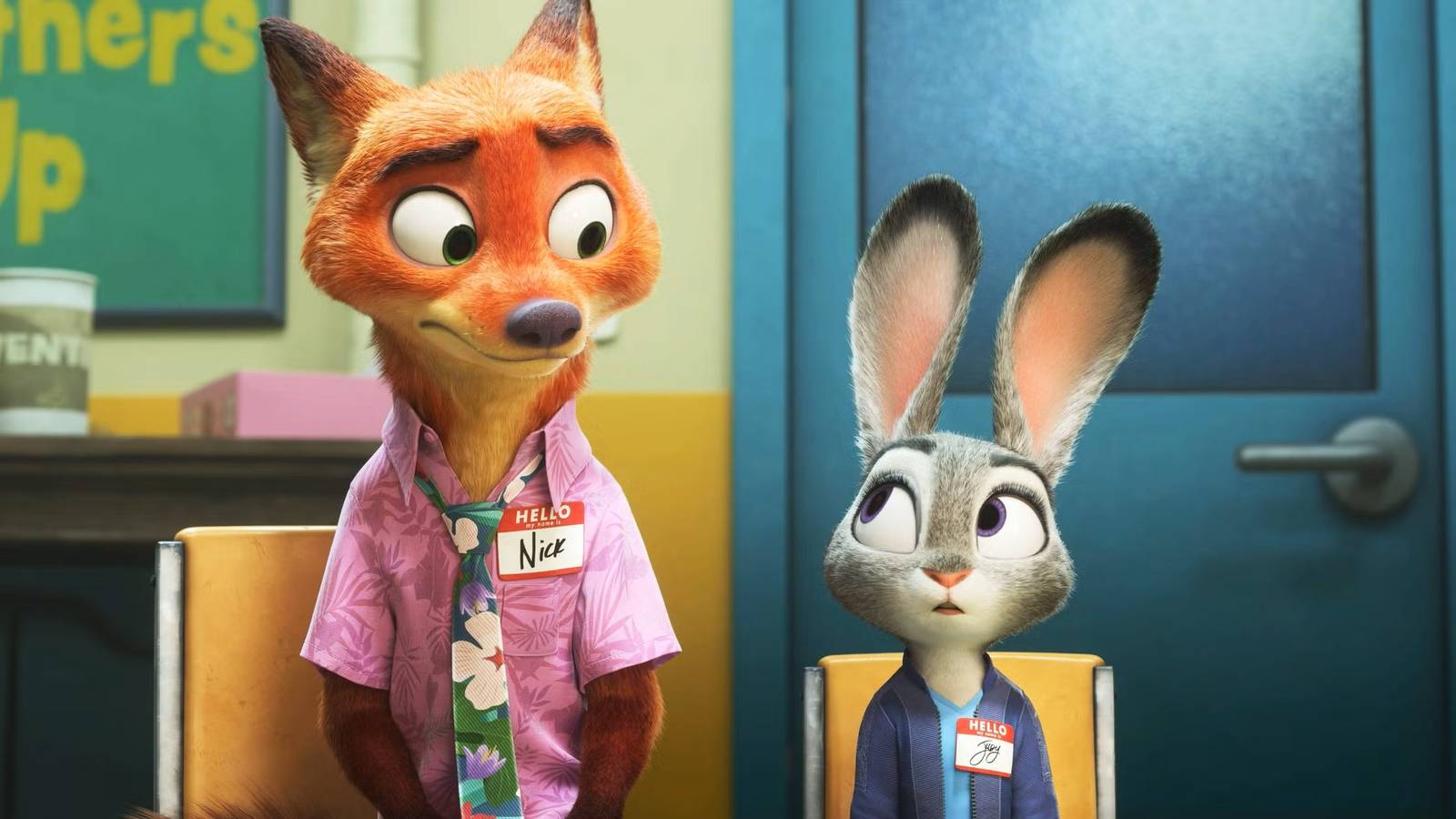
While this ensures that the actual viewing experience of a film or a narrative episode remains uninterrupted, it effectively dissolves the "pure" ad-free promise that initially drew many subscribers to the higher-priced tier. The distinction between an ad-free service and a "limited ad" service has narrowed, leading to growing discourse among the subscriber community regarding what exactly they are paying for when they opt for the Premium price point.
The Stance on Ad Blockers and Subscription Enforcement
Perhaps more striking than the inclusion of ads is the aggressive stance Disney is now taking against users who attempt to circumvent this advertising via third-party software. The updated agreement makes it clear that the company considers the use of ad blockers a violation of its terms of service. Disney has explicitly stated that it reserves the right to suspend or terminate the accounts of users who employ such technology to bypass the platform’s advertisements.
Beyond simple termination, the agreement outlines a more punitive financial approach: if a user is detected using an ad blocker, Disney reserves the right to unilaterally upgrade that user’s subscription to the Disney Plus Premium tier. The logic provided in the agreement is that the Premium tier offers the "most similar features or functionality" to a standard account stripped of ads via external software. Consequently, the user would be billed the higher rate associated with the Premium tier from the date the unauthorized ad-blocking activity was identified.
This policy reflects a broader trend in the streaming industry where platforms are tightening their grip on account usage and software interference. By linking the usage of ad blockers to a mandatory subscription upgrade, Disney is attempting to turn the act of "stealing" an ad-free experience into an involuntary transaction, ensuring that if a user wants to avoid ads, they must pay the company’s designated market rate for that privilege.

The Rising Cost of the Ad-Free Experience
The implications of these changes are particularly sensitive given the current pricing structure of the platform. Currently, the basic Disney Plus tier, which includes ad interruptions, is priced at $11.99 per month. In contrast, the Premium tier—which was marketed as the solution for those wishing to avoid such interruptions—costs $18.99 per month. This $7 price differential is a significant premium that subscribers pay specifically to avoid commercial breaks.
With the new agreement, that $7 extra now buys a "cleaner" experience that is no longer entirely free of promotional influence. The only exception to these new terms is found within "Junior Mode" accounts. Disney has maintained that these profiles, designed for younger audiences, will remain free of ads, preserving a safe and uninterrupted space for children. However, for the vast majority of adult users and general account holders, the reality is that their monthly expenditure no longer provides a total shield against the company’s promotional reach.
Shifting Strategies in the Streaming Landscape
The move to include ads in the Premium tier occurs against a backdrop of increasing financial pressure on major media conglomerates. Just a short time ago, industry analysts and market watchers were speculating about the possibility of Disney Plus pivoting toward a "free-with-ads" model, similar to the FAST (Free Ad-supported Streaming TV) channels that have proliferated across the web. The hope was that by opening up a portion of its library to free, ad-supported viewing, Disney could capture a wider demographic and drive more traffic to its intellectual property.
However, the reality of the current market has proven to be quite different. Instead of moving toward free, ad-supported tiers, the industry has seen a consistent upward trend in pricing, with bundled services and "Premium" add-ons becoming the norm. The latest updates to the Disney Plus subscriber agreement suggest that the company is leaning into a hybrid model where the consumer is expected to pay more for the service while simultaneously being subjected to the monetization of their viewing time.

For many users, this represents a double-edged sword. As subscription costs continue to rise across the entire sector, the value of the "Premium" label is being tested. When a subscriber pays $18.99 monthly, they are entering into an implicit agreement for a specific level of service. As Disney shifts the goalposts on what that service includes, the platform faces the challenge of maintaining subscriber loyalty.
Looking Ahead: The Future of Subscription Value
The integration of ads into the Premium tier is not merely a technical change; it is a fundamental shift in the relationship between the streaming service and its most loyal, high-paying customers. As the industry matures, companies like Disney are tasked with balancing the need for increased revenue against the potential for consumer frustration.
The fact that Disney is now formalizing the role of promotional content in the Premium tier suggests that the company views ad revenue as a critical component of its long-term financial health, even for its most expensive tiers. Whether this will lead to a mass migration of subscribers to cheaper plans, or whether the convenience of the platform’s library will outweigh the annoyance of pre-roll and post-roll advertisements, remains to be seen.
What is clear is that the landscape of digital entertainment is undergoing a period of significant transformation. For the average viewer, the "on-demand" era is increasingly looking like a mirror of traditional cable television, where the subscription fee is only one part of the cost of consumption. As users digest these new terms, the debate over the balance between content access, price, and advertising is likely to intensify, marking a new chapter in the ongoing evolution of home streaming. For now, subscribers are left to weigh the benefits of the Disney library against the reality of an increasingly commercialized viewing experience, one that is becoming more expensive and less interruption-free by the day.