



In the rapidly evolving landscape of mobile photography, where computational photography, AI-driven image processing, and high-fidelity 4K video are the industry standards, there is a burgeoning counter-movement among users seeking the raw, imperfect, and deeply nostalgic aesthetic of the past. As part of our weekly Indie App Spotlight, we are highlighting a new application that leans heavily into this trend: Flipcorder. Developed to emulate the tactile and visual experience of a vintage camcorder, this app serves as a creative tool for users who want to step back from the polished, hyper-real footage produced by modern sensors and embrace the charm of a bygone era.
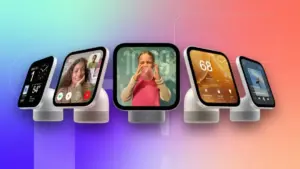
Flipcorder is currently available on the App Store for users running iOS 26 and later. While it is fully compatible with the broader iPhone ecosystem, it features specific optimizations for the iPhone Duo, allowing it to leverage the device’s unique hardware capabilities to create a more immersive user experience. For those interested in adding a touch of retro authenticity to their daily video captures, the app is available as a straightforward, one-time purchase of $4.99, free from the complications of subscription models, advertisements, or additional in-app purchases.
The Philosophy of "Tape-Based" Capture
At the heart of the Flipcorder experience is a design philosophy that fundamentally changes how a user approaches mobile videography. Modern smartphone cameras are designed for infinite, high-definition recording; they encourage users to film everything in long, continuous clips, often resulting in hours of unedited, rarely watched footage. Flipcorder counters this by mimicking the physical limitations of a classic camcorder.
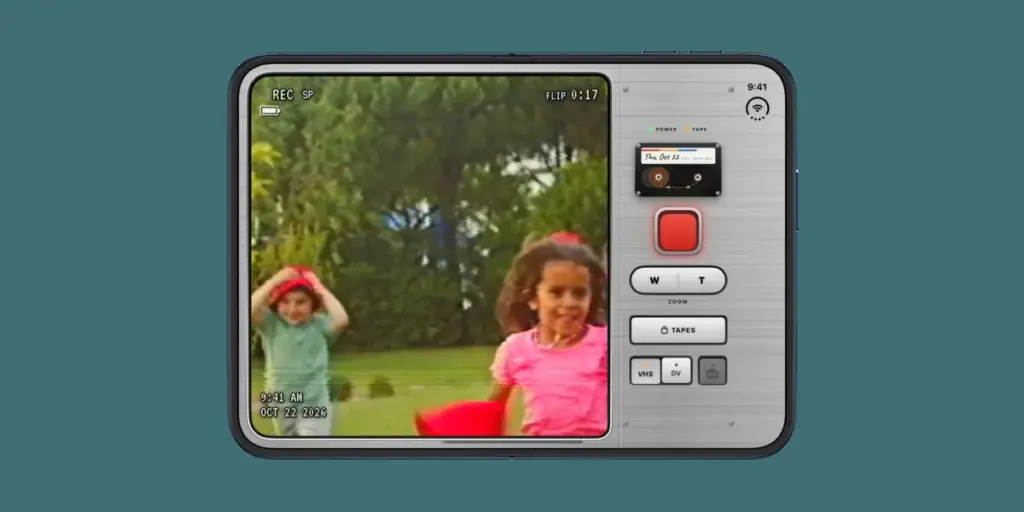
Instead of creating individual, disparate video files, the app forces a "tape-based" workflow. When a user begins filming, the app treats the session as if it were a physical cassette. Each piece of footage captured throughout the day is compiled onto a single virtual tape, which has a capacity of 30 minutes. The capture mechanism is intentionally constrained, recording in 20-second bursts. This design choice is not merely an aesthetic gimmick; it is a deliberate effort to change the user’s behavior. By imposing a limit on the length of each clip and the total capacity of the "tape," the app encourages users to be more intentional with what they record. It promotes the capture of brief, unedited moments—the small, fleeting instances of life that often go unnoticed in the quest for the "perfect" shot.
This approach aligns with a broader cultural interest in "low-fidelity" media, where the aesthetic of VHS tapes, MiniDV, and home movie cameras is viewed as more authentic and emotionally resonant than the clinical sharpness of modern digital imaging. By removing the ability to endlessly record and edit, Flipcorder effectively gamifies the act of memory-keeping, making the process of documenting one’s day feel like an analog ritual rather than a digital chore.
Hardware Integration and User Experience
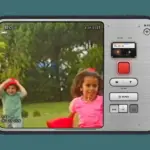
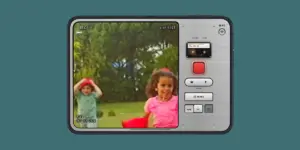
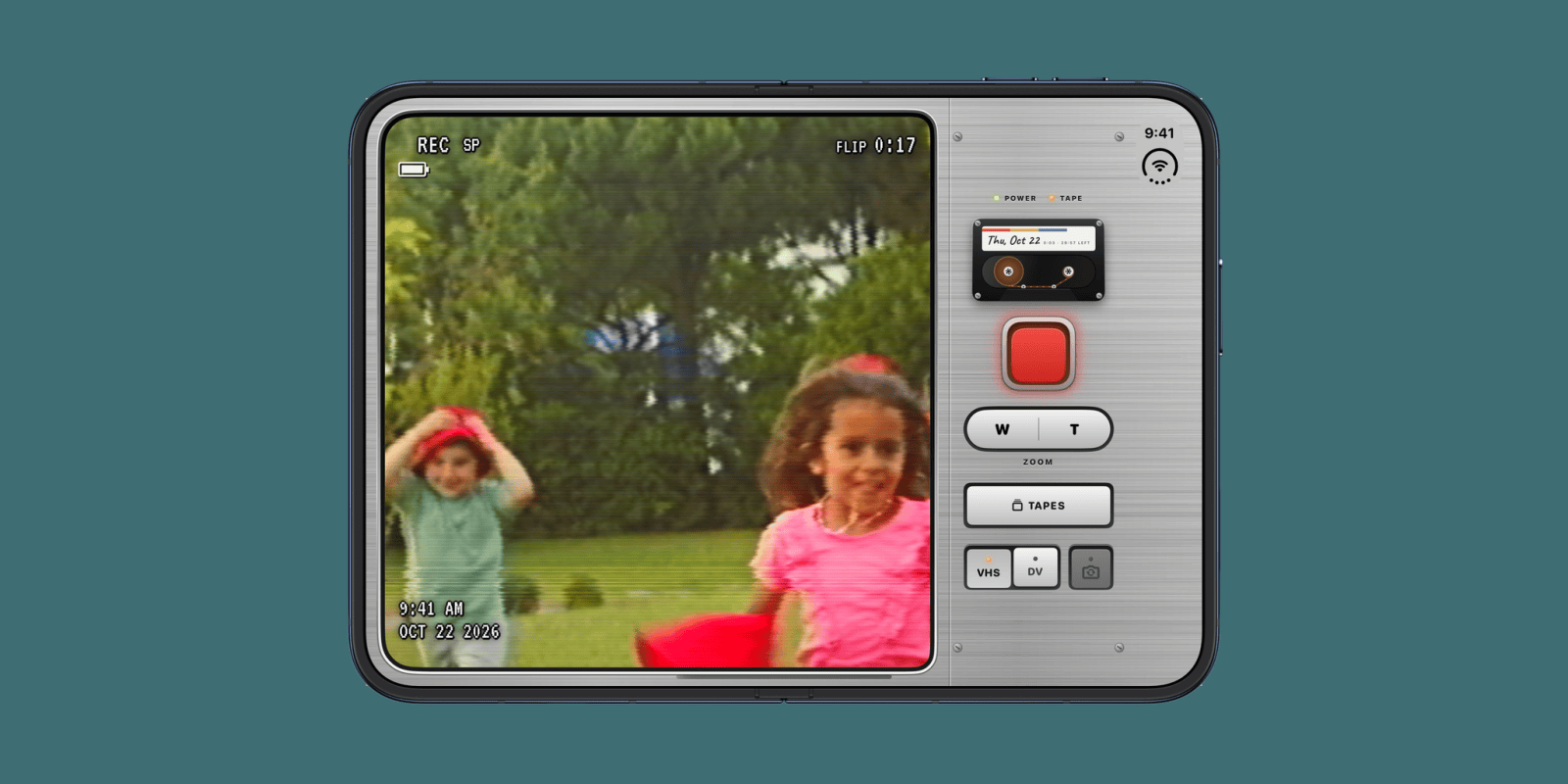
For owners of the iPhone Duo, Flipcorder offers a particularly compelling interface. The device’s larger, foldable internal display is used to full effect, providing a spacious canvas for the viewfinder and the app’s retro-inspired controls. The layout mimics the physical buttons and status indicators found on consumer camcorders from the 1990s and early 2000s, grounding the digital experience in a tactile, nostalgic aesthetic.
Despite its dedication to the retro look, the app is surprisingly flexible. Users are not strictly locked into a low-quality, degraded video output. While the app provides a variety of vintage filters—including the characteristic color shifts and tracking glitches associated with VHS and MiniDV formats—it also offers a high-quality recording mode. This allows the user to benefit from the high-resolution capabilities of the iPhone’s internal sensors while still enjoying the unique "tape-compiled" workflow.
This hybrid approach makes the app useful for a wider range of creators. A user can capture a high-fidelity video of a family event or a travel memory, but because it is processed through the Flipcorder system, it is automatically organized into a manageable, cassette-style collection. This eliminates the need for post-production editing, as the "compilation" of the footage happens in real-time as the user shoots. The result is a video library that feels curated and thematic, rather than a cluttered camera roll full of thousands of random clips.
Accessibility and Developer Vision
The decision to offer Flipcorder as a one-time purchase of $4.99 is a refreshing departure from the subscription-heavy landscape of current app development. For many indie developers, sustaining a project requires the recurring revenue of a subscription model. However, for a utility app like Flipcorder, which is designed to be a focused, specialized tool, the one-time purchase model reinforces the idea that this is a complete product rather than a service. Once the user pays the upfront fee, they have full access to all features, with no hidden costs or disruptions.
This simplicity is part of what makes the indie app ecosystem so vital. While major tech companies focus on adding more features, more AI, and more integration to their stock camera apps, independent developers like those behind Flipcorder can afford to be niche. They can build software that solves a specific problem or fulfills a specific emotional need—in this case, the desire for a more deliberate, nostalgic way of documenting life.

By keeping the barrier to entry low and the user experience straightforward, the developer ensures that the app remains accessible to anyone with a compatible iPhone. It does not require a subscription, a login, or any cloud connectivity; it is a local, private, and self-contained experience. This privacy-focused, offline-first approach is increasingly rare in the age of cloud-synced photo libraries and AI-assisted auto-editing.
Looking Forward
As the smartphone market matures, the differentiation between devices becomes increasingly subtle. The true innovation is moving away from raw hardware specifications and toward the software experience. Apps like Flipcorder represent a shift toward personalization, where users select tools that align with their personal aesthetic preferences rather than just their technical requirements.
For the photography enthusiast, the casual chronicler, or the fan of mid-2000s tech culture, Flipcorder provides a unique sandbox. It asks the user to slow down, to look through the viewfinder with a sense of purpose, and to accept the constraints of the medium. In an era of infinite digital storage, there is something inherently satisfying about "filling up a tape," even if that tape is entirely digital.
The app is currently available for download on the App Store for devices running iOS 26 or later. For those interested in exploring the world of independent development and supporting the creators behind these niche, creative applications, Flipcorder serves as a primary example of how software can enhance the way we interact with our devices, turning the iPhone from a powerful sensor into a nostalgic, creative companion. As we continue to follow the latest trends in the indie app world, it remains clear that the most interesting developments are often the ones that remind us of where we came from, even as they utilize the most advanced hardware available today.