











Apple’s long-rumored entry into the dedicated smart-home hardware category may finally be just around the corner. According to industry reports, the tech giant is preparing to announce its next major product category in a matter of weeks, introducing a device that could blend modern artificial intelligence capabilities with a design nod to a classic piece of Apple history.
In the latest installment of his widely followed Power On newsletter, Bloomberg’s Mark Gurman—who holds a strong track record for reporting accurately on unannounced Apple initiatives via internal sources—indicates that the company plans to pull back the curtain on a new AI-powered smart-home hub on October 13. The upcoming device is expected to feature advanced Siri capabilities, leveraging both voice and facial recognition technology to seamlessly and automatically identify different members of a household.
Alongside the introduction of this new centerpiece for the smart home, Apple is reportedly planning hardware upgrades for existing ecosystem mainstays. Both the HomePod mini smart speaker and the Apple TV set-top box are slated to receive internal refreshes featuring newer processors capable of handling localized and cloud-based Siri AI requests. Additionally, the HomePod mini line is expected to expand its aesthetic choices by introducing fresh color options, including vibrant new shades of pink and green.

A Design Inspired by the Past, Built for the Future
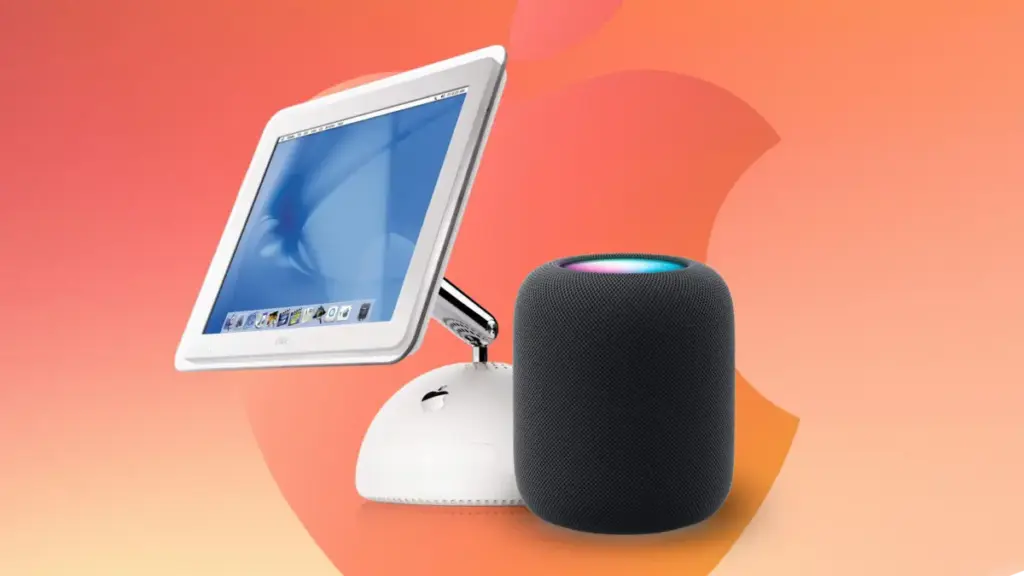
For design enthusiasts and long-time Apple watchers, the form factor of the rumored smart-home hub carries a distinct wave of nostalgia. The device is reported to look remarkably like the company’s iconic, friendly iMac G4 design, featuring a distinct round base coupled with a screen mounted on an articulating arm.
According to Gurman’s reporting, the standout physical feature of the hub will be a compact, 6-inch rounded-corner screen equipped with a built-in FaceTime camera. This camera plays a pivotal role in the device’s user experience, as it actively identifies the specific individual addressing the screen. Once a household member is recognized, their personalized preferences immediately populate the display, surfacing relevant day-to-day information such as individual calendars, personal notes, and preferred applications.

When another member of the household steps up to use the hub, the interface dynamically shifts to display their unique information. While questions remain regarding how the device handles scenarios where multiple people crowd around it simultaneously, Apple has reportedly accounted for casual visitors by incorporating a dedicated visitor mode. This privacy-focused feature temporarily conceals personal data when guests are present in the home.
The responses provided by the hub will be uniquely tailored to the person issuing the command. This personalized interaction is expected to tie directly into the broader ecosystem updates, likely appearing as a continuation or a new conversation thread within the revamped Siri application that launched alongside iOS 27 and concurrent operating system updates across Apple’s product lineup. This continuity would allow users to initiate a query on the smart-home hub and effortlessly continue the conversation on any other compatible Apple device.
Recognizing that counter and table space can often be at a premium in modern kitchens, living rooms, and dens, Apple is also planning a wall-mounted variant for consumers with limited surface area. This alternative version will reportedly consist solely of the screen component for mounting purposes. True to the nature of a stationary home hub, both the tabletop and wall-mounted iterations will require a direct connection to a wall power source, meaning neither model will feature an internal battery.
Years of Rumors and the Push for AI Integration
Talk of an Apple smart-home display has circulated throughout the technology sector for years. Past reports have explored various form factors, including more ambitious conceptual models featuring robotic arms capable of physically adjusting the display’s position to keep the screen oriented toward a user as they move around a room.
Gurman notes that the development and eventual rollout of the device were ultimately impacted by the deliberate pacing of Siri’s evolution and the broader introduction of Apple Intelligence. The complexities surrounding the rollout of these AI features have been a significant focus for the company, even underscoring broader industry challenges that recently led to a $250 million settlement for consumers who purchased specific iPhone models tied to AI marketing expectations.

While tech circles and rumor mills have frequently tossed around the potential moniker "HomePad," Gurman’s latest report refrains from confirming an official product name, leaving the branding under wraps until the official announcement.
Finding a Place in the Modern Household
The utility of a compact, permanently positioned smart display in high-traffic domestic environments like the kitchen is readily apparent to anyone who has ever tried to prop up a smartphone or standard tablet while following a recipe or checking the morning weather. iPads have organically found a home on kitchen counters since the very first generation of the device debuted, meaning Apple will face the distinct challenge of demonstrating why consumers should invest in a brand-new, dedicated hardware category rather than simply placing an iPad Mini in a stand.
An Apple representative did not immediately respond to a request for comment regarding the upcoming announcement or the details outlined in the reports.