However, before rushing to place preorders, consumers might want to take a careful inventory of the technology already scattered throughout their homes. For those who already own a recent third-generation Apple TV 4K, substantial savings could be realized by holding off on an immediate upgrade. Apple has confirmed that Siri AI will indeed make its way to select legacy hardware that the company is currently replacing, offering a lifeline to users looking to bypass expensive hardware replacements in the current economic climate.
OK, let’s do Apple TV 4K one last time
The most expensive hardware upgrade in Apple’s latest lineup is the fourth-generation Apple TV 4K. Priced at $300, this premium set-top box shares the same name, physical design, resolution capabilities, and broad feature set as the third-generation model released back in 2022. Instead of a revolutionary exterior redesign, buyers are paying for internal upgrades, including a faster A19 processor, built-in microphones designed to pick up Siri commands and queries directly, 128GB of internal storage, and a dedicated Ethernet port, which comes standard as the sole configuration for this iteration.

The updated device also ships with a revamped Siri Remote. While it looks and acts largely like its predecessor, it introduces precision finding capabilities and an audible chime that can be activated using the FindMy app. This thoughtful addition helps users locate the remote when it inevitably slips between couch cushions or gets buried beneath living room furniture.

Despite the fourth-generation model boasting built-in microphones and a speedier chip, the fine print in Apple’s official press release reveals that second- and third-generation Apple TV 4K models will also receive Siri AI functionality via a software update later this year. According to software footnotes, the feature is currently rolling out in the tvOS 27.2 beta. Initially, this software-driven AI expansion will support English-speaking users in the United States, Australia, Canada, India, New Zealand, Singapore, South Africa, and the United Kingdom.
For users who prefer to keep their existing hardware setup intact, the new Siri Remote can also be purchased separately for $59. Shipping on November 13, the standalone remote is fully compatible with both the previous Apple TV 4K models and the older Apple TV HD.

HomePod Minis aren’t quite as lucky
The introduction of new audio gear naturally raises questions about ecosystem compatibility, particularly regarding how legacy devices will interact with newly released hardware. Mixing first- and second-generation HomePod Minis in a single living space sparks curiosity about whether a standard voice prompt will summon the advanced Siri AI or the legacy version of the assistant. Building an elaborate surround-sound home theater environment using Apple’s new multi-speaker configurations—which requires four compact speakers alongside a fourth-generation Apple TV 4K—represents a significant financial commitment totaling roughly $900. Industry analysts and consumers alike will be watching closely to see how this setup performs compared to traditional, high-end soundbar systems.
Unlike the Apple TV 4K, users of older HomePod Mini models will not be receiving the more advanced Siri AI features. The HomePod Mini 2 is powered by a faster S10 processor specifically built to handle complex Siri AI requests, meaning those sophisticated computing capabilities will remain exclusive to the newer hardware.
Nevertheless, the lack of backward compatibility for Siri AI does not mean older HomePod Minis are rendered completely obsolete or incompatible within a single household network. Basic Siri commands will continue to function seamlessly across mixed generations of the smart speaker. Households can mix and match devices within a single room or across multiple spaces, though real-world testing will ultimately determine how effectively the older hardware handles integrated multi-room environments where the newest HomePod Mini holds superior local processing capabilities.

The iPad in the kitchen
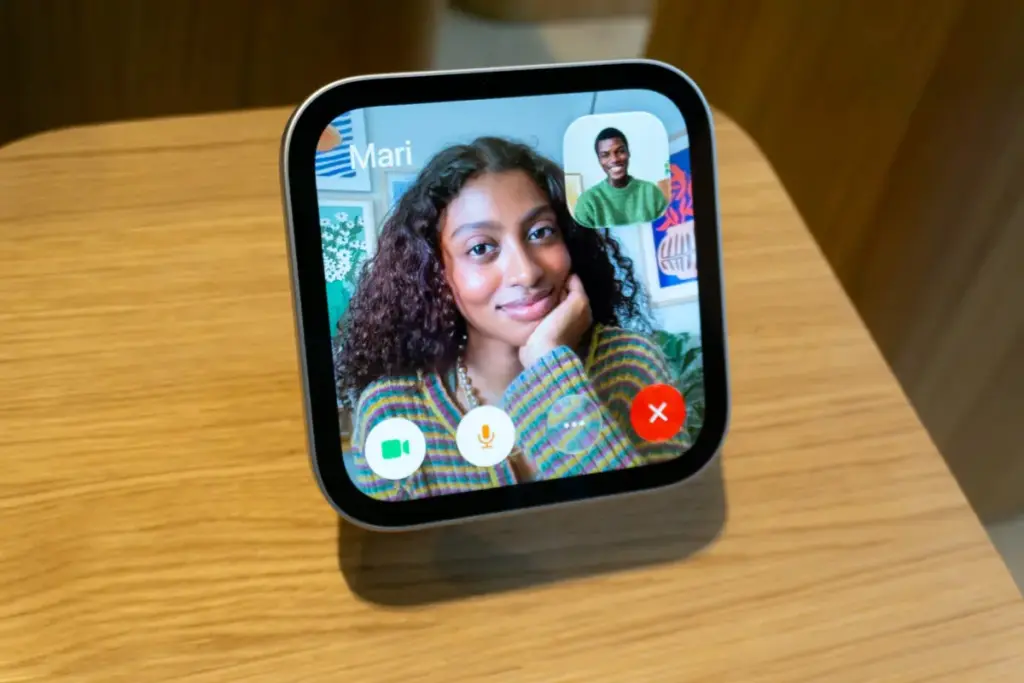
Apple’s entry into the dedicated smart home display market arrives with the HomeView, the company’s first smart home device featuring an integrated screen. While its physical design departed from the nostalgic iMac G4 aesthetic that some enthusiasts were hoping for, its capacity to securely interact with multiple family members introduces compelling possibilities for shared household management. Naturally, Siri AI serves as a core component for a device anticipated to find its primary home on kitchen countertops.
For years, many households have relied on an iPad or iPad Mini resting on an inexpensive stand to serve as an informal kitchen assistant, managing recipes, timers, and FaceTime calls. The HomeView steps in to formalize this role, but owners of compatible tablets may find themselves reassessing their kitchen setups. Apple has confirmed that later this year, Siri AI will also arrive on capable tablets, specifically the iPad Pro, iPad Air models featuring the M1 chip or later, and the iPad Mini powered by the A17 Pro chip. Unlike wall-mounted or docked smart displays, the iPad retains the distinct advantage of being entirely untethered from a permanent power source.
The Apple devices connecting them all
Because advanced artificial intelligence demands significant computational overhead, questions naturally arise regarding how older smart home hardware will manage modern software expectations. The operational backbone of these smart home deployments heavily relies on the user carrying a personal mobile device capable of processing Apple Intelligence locally. Specifically, interacting with these advanced features requires owning an iPhone 15 Pro or a later model, alongside the previously mentioned compatible iPads.

In fact, the HomeView’s standout feature—its ability to dynamically recognize up to six distinct household members and present personalized information tailored to each individual—is entirely dependent on personal device integration. Every user must have an Apple Intelligence-supported iPhone or iPad that is actively paired to the HomeView, connected to the same Wi-Fi network, and recently unlocked. To fully leverage the personalized ecosystem Apple envisions, households may find themselves weighing the cost of upgrading personal smartphones alongside investing in new smart home displays.
Will you really be able to get the new Siri AI features without buying new hardware?
Apple’s strategy of extending Siri AI support to older hardware generations demonstrates a deliberate effort to prevent its existing install base from feeling entirely abandoned. Consumers who value enhanced gaming performance, faster overall system navigation, or a streamlined living room entertainment hub may still find compelling reasons to invest in the latest Apple TV 4K. Similarly, expanding a HomePod Mini footprint while relocating older units to secondary rooms remains a viable strategy for ecosystem enthusiasts.
Ultimately, Apple appears to be playing a long-term game, targeting consumers who are fully committed to the broader ecosystem—particularly as the company renews its commercial push into smart home integration through its Home Collection. At the same time, the strategy appeals to newcomers ready to invest in building out a smart home environment from scratch.

For the average consumer already possessing an array of functional Apple home devices, the wisest immediate course of action may simply be patience. By waiting to see how Siri AI performs via upcoming software updates, users can evaluate the new capabilities firsthand before deciding whether to spend hard-earned money on brand-new hardware.