









For nearly two decades, MacPaw has cemented its reputation as a cornerstone of the Mac utility ecosystem. Known primarily for consumer-facing software like CleanMyMac—a go-to utility for millions of users looking to reclaim disk space, manage application uninstalls, and maintain system health—the company has long been synonymous with the individual Apple user experience. However, today marks a significant strategic pivot for the Kyiv-based software house. MacPaw is officially entering the enterprise IT sector with the launch of Leebry, a "Work AI" platform specifically engineered to alleviate the mounting operational pressures faced by modern IT departments.
This shift comes at a time when the corporate adoption of artificial intelligence has created a paradoxical environment for IT administrators. While C-suite executives are increasingly pushing for AI-driven efficiency to streamline operations, the technical teams tasked with implementing these tools are finding themselves overwhelmed by security concerns, data integrity issues, and the sheer volume of "knowledge debt" that exists within their organizations.
The disconnect in AI trust and deployment
The impetus for Leebry stems from MacPaw’s own 2026 "AI at Work" research report, which highlights a sobering reality for modern enterprise technology teams. According to the study, a staggering 90% of companies are currently deploying AI solutions without conducting a thorough audit of their internal knowledge bases. This oversight creates a dangerous information loop: AI tools are being fed a mixture of outdated policy documents, legacy product specifications, and even informal, potentially inaccurate discussions from platforms like Reddit. When employees query these AI systems, they are often met with hallucinations or outdated guidance, leading to frustration and a loss of trust in internal tooling.


This data underscores a deeper, structural disconnect. MacPaw’s survey found that 6 out of 10 IT leaders report a significant gap between the high-level, often optimistic expectations set by the C-suite—frequently influenced by the rapid-fire success stories seen on platforms like LinkedIn—and what their internal IT teams can actually deliver safely and accurately. This friction is precisely where Leebry aims to intervene. By shifting the focus from general-purpose generative AI to a structured, permission-aware, and source-verified internal engine, the platform seeks to turn the tide of "AI disappointment" that has plagued early adopters.
From internal hackathon to enterprise solution
The origin story of Leebry is remarkably pragmatic. It did not begin in a boardroom as a market-capture exercise, but rather as an internal solution at MacPaw during a 2025 hackathon. Like many growing tech companies, MacPaw’s staff were constantly bogged down by repetitive, low-level inquiries. Despite the existence of vast internal documentation, company wikis, Slack threads, and institutional knowledge, employees consistently defaulted to pinging IT staff for simple answers.
MacPaw’s initial solution was a custom-built Slack bot designed to surface verified answers from existing internal repositories. The success was immediate and measurable: within just a few months, the tool was resolving 30% of the company’s internal Level 1 IT tickets. By offloading these repetitive tasks, the IT team was able to reclaim valuable time for more complex, high-impact projects. Recognizing the potential for this to solve a universal pain point, MacPaw evolved this internal prototype into the commercial Leebry platform launched today.
Core functionality and technical safeguards
At its core, Leebry functions as an automated bridge between an organization’s knowledge base and its workforce. It automates Level 1 support tickets and manages the complex lifecycle of user access—provisioning and de-provisioning accounts as employees join, change roles, or depart. Perhaps most importantly, every response generated by the platform includes direct links to the authoritative source. This transparency is a key design choice, allowing employees to verify the information rather than accepting it blindly. It also serves as a feedback loop; if an employee finds that a document is stale or incorrect, they can flag it, directly addressing the "knowledge audit" problem identified in MacPaw’s research.
For IT departments that prioritize security—particularly those in regulated industries—Leebry introduces a "permission-aware" architecture. Unlike many generic AI tools that draw from a shared, often flat, knowledge pool, Leebry authenticates every user against the company’s existing identity provider. This ensures that users can only query and receive information they are explicitly permitted to access, preventing the accidental leakage of sensitive internal data.
Furthermore, the platform ships with an MCP (Model Context Protocol) server. This allows the AI agent to interact with the device management control plane under strict, admin-defined guardrails. IT teams can effectively delegate repetitive administrative tasks to the AI without surrendering control, ensuring that every action taken by the agent is compliant with organizational policy. For smaller organizations that may lack a dedicated Identity and Access Management (IAM) team, this level of automation is transformative, particularly when managing the churn of employees who might otherwise retain access to internal systems long after they have left the company.
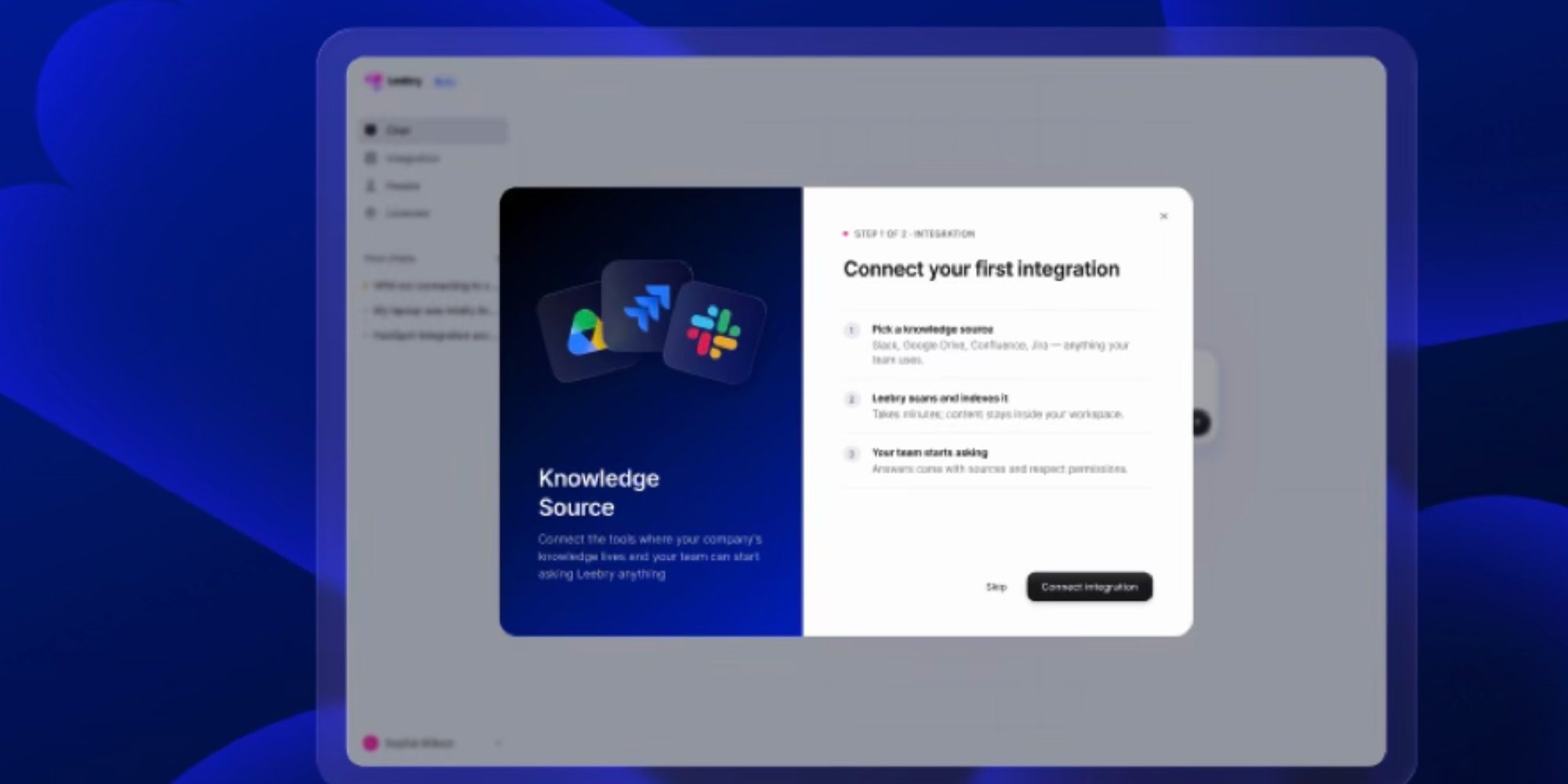
Dan Jaenicke, the Director of B2B Product Development at MacPaw, summarizes the company’s philosophy on the tool: "Businesses don’t need another tool to check; they need work taken off their plate, without sacrificing oversight or control."
The promise of a battle-tested product
The primary question facing any new enterprise vendor is why a company historically focused on consumer Mac software should be entrusted with critical IT infrastructure. MacPaw’s answer lies in the product’s DNA. By building Leebry to solve its own internal hurdles first, MacPaw has bypassed the common pitfall of building a solution in search of a problem.
The reality for most modern organizations is that institutional knowledge is dangerously fragmented. It is scattered across various SaaS platforms, team chat channels, and disparate file-sharing services, making it nearly impossible for a new or existing employee to find the right answer quickly. We are all, at some point, guilty of asking a colleague to locate a document rather than searching for it ourselves. Leebry seeks to formalize and automate this search, ensuring that IT teams are no longer the bottleneck for basic company information.

As the industry moves toward more sophisticated AI integration, the transition from "AI as a toy" to "AI as an infrastructure" is inevitable. By focusing on provenance, security, and the specific, high-frequency pain points of IT management, MacPaw is positioning Leebry not just as another chat interface, but as a fundamental layer of the modern digital office. Whether this pivot will allow MacPaw to mirror its consumer-level success in the enterprise space remains to be seen, but the foundation—a product built from internal necessity—is perhaps the most stable starting point an enterprise company can have.