








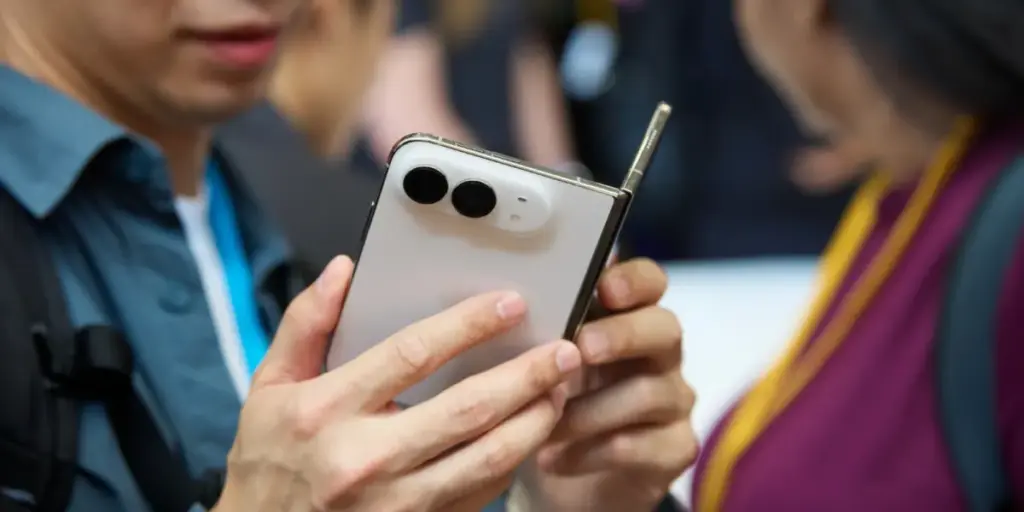
It arrived last Thursday, promising to redefine the mobile landscape and usher in a new era of Apple hardware. For the past seven days, the iPhone Duo has been my constant companion, serving as my primary device for work, communication, and daily life. Yet, as I wrap up my first full week of integration, I find myself standing at a crossroads of perspective. My experience has been undeniably mixed, characterized by a persistent, nagging question: Is this truly the future of the iPhone, a platform I simply need to adapt to, or is the Duo a revolutionary piece of technology that, for many users, is fundamentally not the right fit?
The internal struggle I’ve faced over the last few days has left me in a state of professional and personal ambiguity. In some respects, the engineering behind the device is clear, and its utility is obvious. In others, my assessment remains clouded by the friction of day-to-day use. To put it quite simply: I am not having a great time with the iPhone Duo. This leads to the inevitable self-reflection—is the problem the device, or is it me?
I have spent a significant amount of time monitoring the discourse on social media, where a chorus of early adopters and enthusiasts are singing the praises of the Duo. I have no reason to doubt their sincerity. The device is, by all accounts, a remarkable feat of innovation. It is undeniably "cool," often feeling weird in its operation, and genuinely wonderful in its technical achievement. It represents a paradigm shift for the iPhone line, yet despite recognizing that, I find that my own needs and preferences have transformed that same innovation into a source of daily frustration rather than delight.
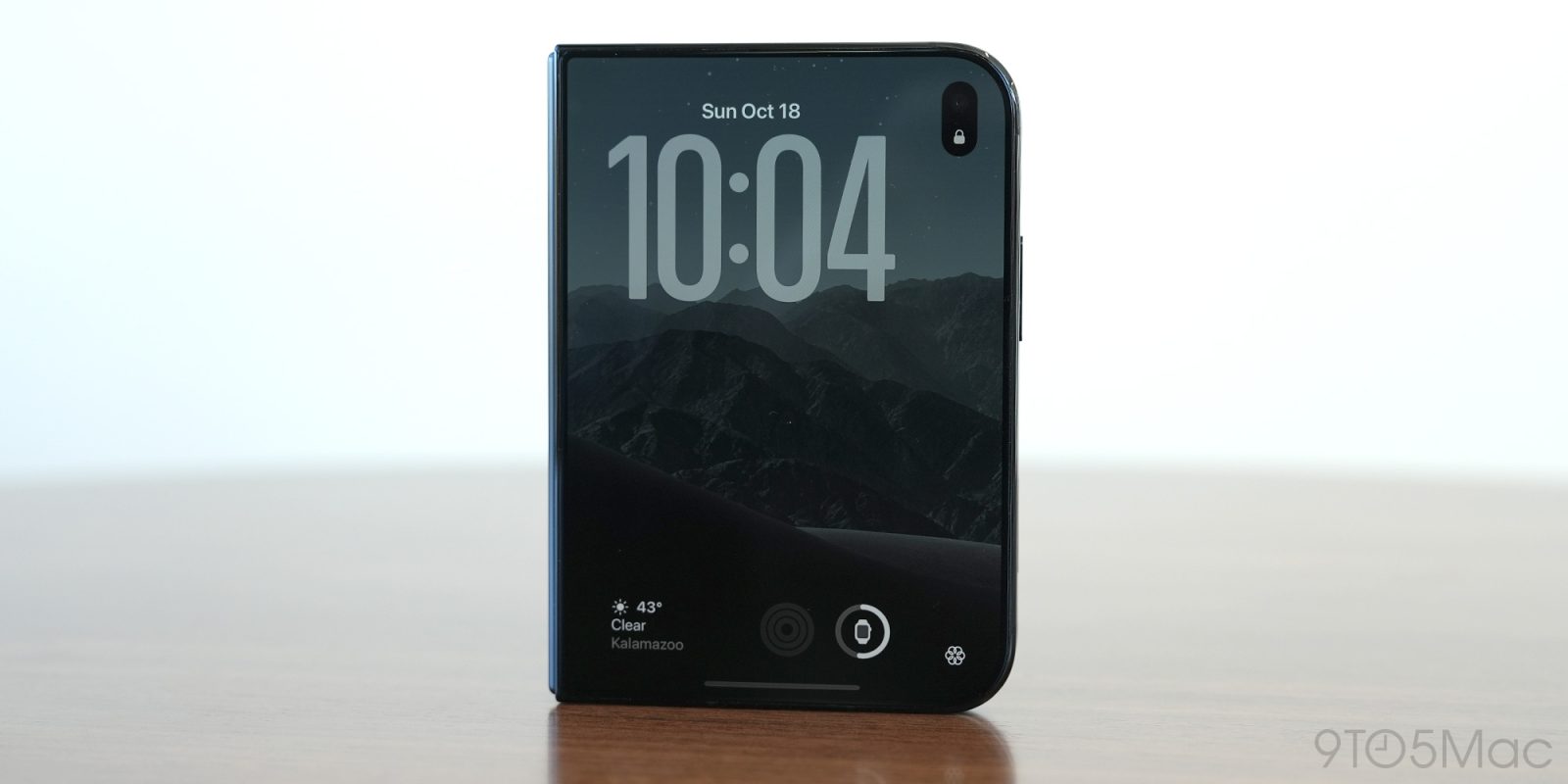
The root of this frustration is surprisingly simple: I almost never want to open it.
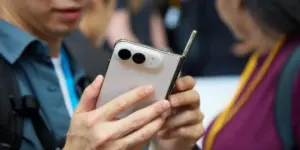
By my own estimation, roughly 90 percent of my total interaction with the iPhone Duo is limited to the outer display. When I do unfold the device for the remaining 10 percent of my usage, it is rarely because the task at hand demands a larger canvas. More often than not, I am forcing myself to use it in that state, driven by an internal sense of obligation to see what I might be missing out on. I feel that because I own a device with a folding screen, I "should" be utilizing it, but the reality is that the transition to the inner display simply does not add any tangible value to my workflow or my habits.
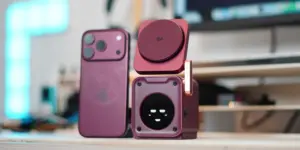
Because the impulse to open the device is so infrequent, I am left tethered to the outer display for almost everything I do. This is where the physical reality of the design begins to clash with my user experience. In this folded state, the iPhone Duo is noticeably heavier than a standard flagship, making it cumbersome for extended use. Furthermore, the width of the front screen creates an ergonomic hurdle that makes one-handed operation—a hallmark of the traditional iPhone experience—significantly less comfortable. I find myself constantly adjusting my grip, and the user interface, while functional, feels like a compromise rather than a tailored experience.
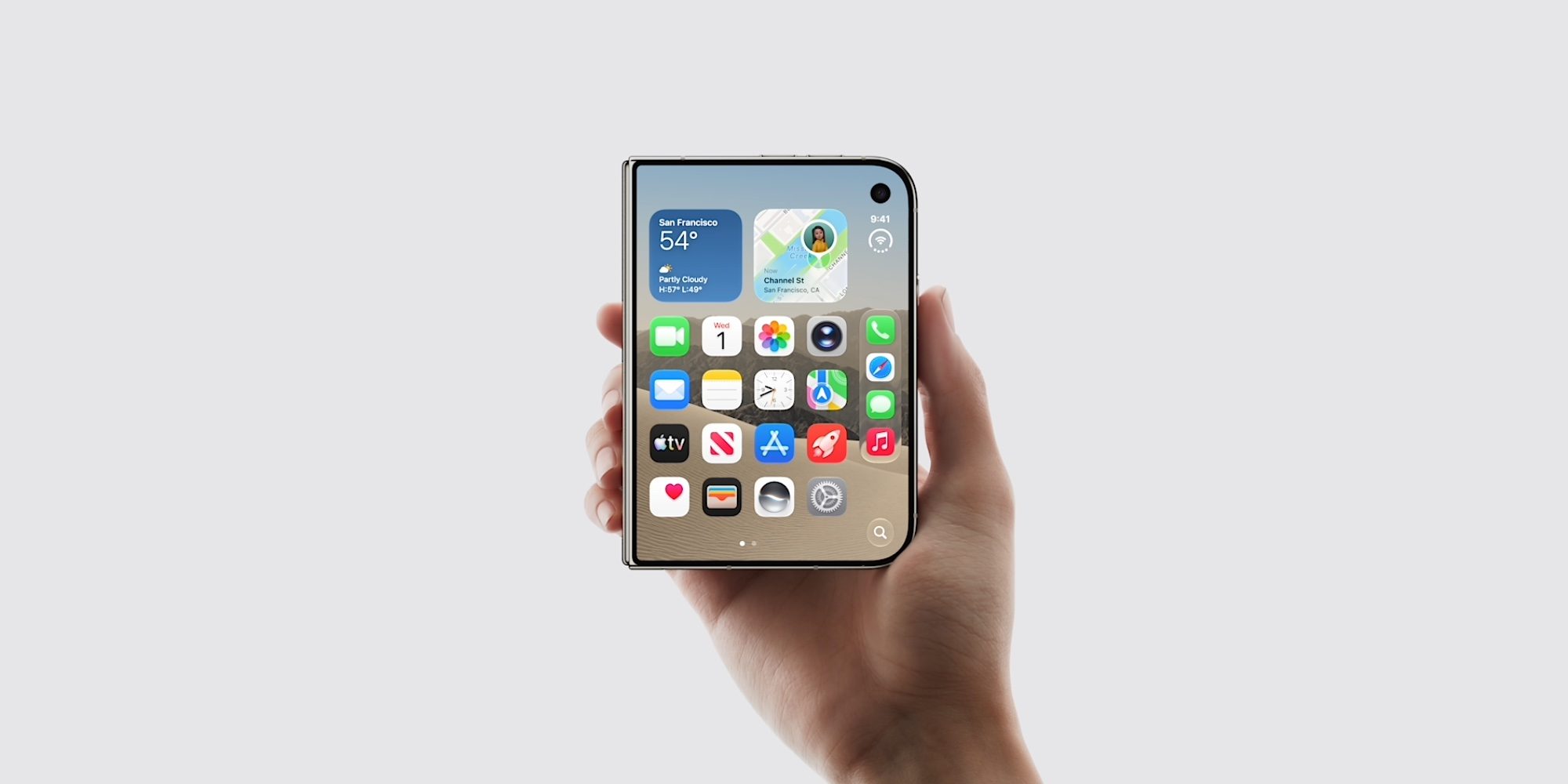
Are these dealbreakers? If I were pressed to answer, I would say no. I could theoretically live with the compromises of the outer display if I were forced to, but the objective truth is that it provides an inferior experience compared to the standard, non-folding iPhone 18 Pro. The weight, the balance, and the software optimization for that outer screen all feel like they are trailing behind the refinement of Apple’s non-foldable lineup.
The fundamental issue appears to be a mismatch between the design philosophy of the device and the reality of my daily life. The iPhone Duo is clearly not designed for the quick, one-handed bursts of activity that define my relationship with my phone. This realization hit home during the mundane moments of my day. I am a parent of three very young children; my life is often governed by the need to manage tasks with a single hand while occupied by the needs of my family.
In the rare instances where I do have two hands free to unfold the device and utilize the larger internal screen, I am almost always in a position where I have access to my iPad Pro with a Magic Keyboard. In those scenarios, the iPad is a vastly superior tool for productivity and consumption. The folding screen of the iPhone, while impressive, exists in a precarious middle ground where it is too small to fully replace the utility of a tablet, but too complex to handle the simplicity of a smartphone.
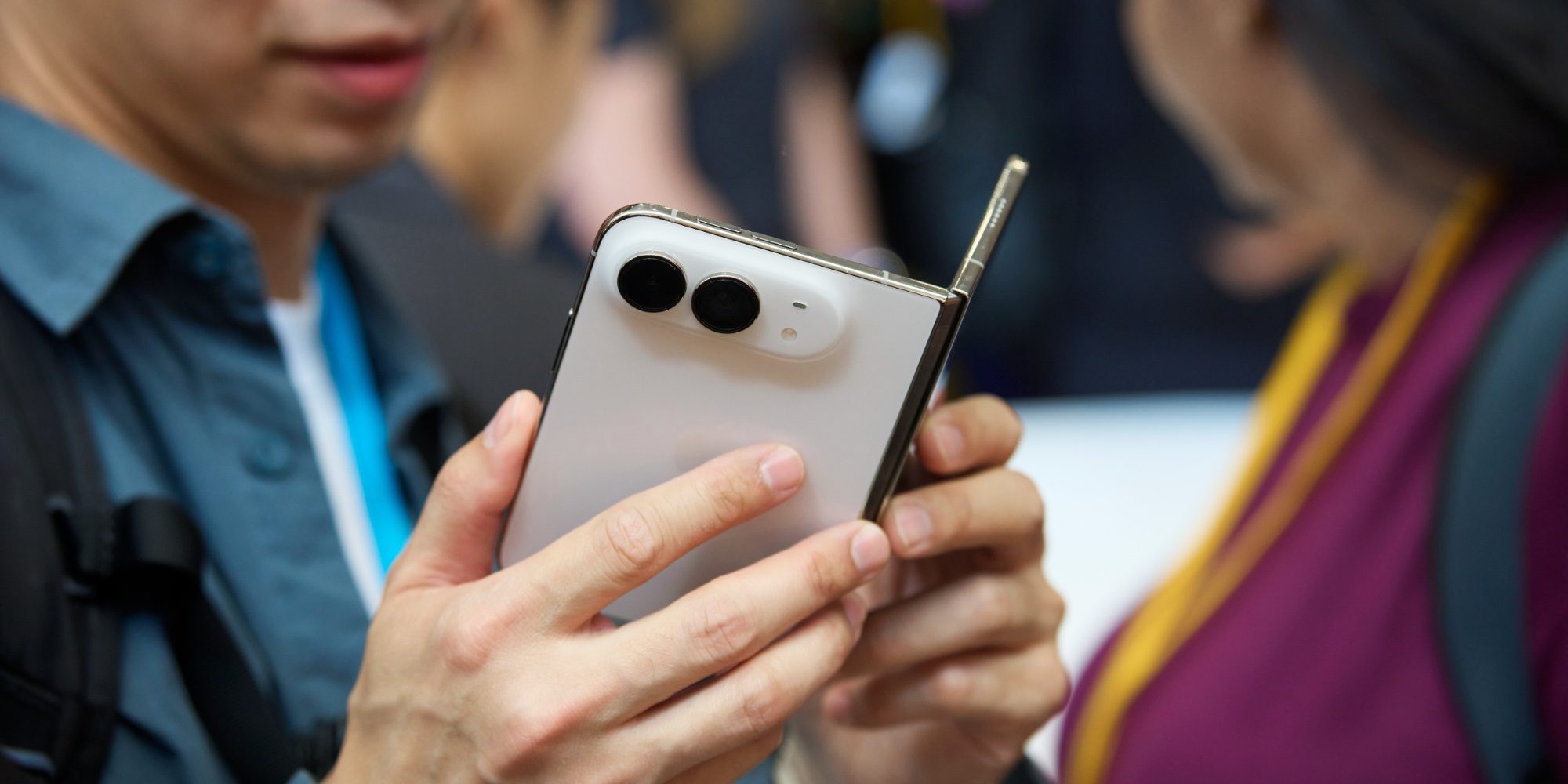
Again, the question arises: Is the problem with the Duo, or is it me?
I am increasingly leaning toward the latter, though I am hesitant to characterize it as a "problem." Perhaps it is more accurate to say that I am simply not the target user for this specific evolution of the hardware. I am not utilizing the device in the way it was "meant" to be used, and in the context of personal technology, that is a perfectly valid stance to take. I want to love the iPhone Duo; I see the joy others are deriving from it, and I am envious of that connection. It is entirely possible that with more time, a certain rhythm will emerge and I will find myself reaching for the unfolding mechanism as naturally as I reach for the power button.
However, if the iPhone Duo is indeed the future of the product line, it presents a challenge for users like me. If the evolution of the smartphone is inextricably linked to the folding form factor, I will adapt. I will change my habits, I will refine my muscle memory, and I will move on with my life. Yet, one week into this experiment, I am finding that it is likely just not for me. And if it is not for me—a long-time enthusiast of the ecosystem—it stands to reason that there is a significant segment of the population that will continue to prefer, and demand, the simplicity and ergonomics of non-foldable iPhones for many years to come.

The shift toward foldable technology is a bold step, but it is one that brings with it a fundamental change in how we interact with our most personal devices. For now, the debate remains open. The early returns suggest that while the technology is ready, the user habits are still being shaped. I am curious to hear from others who have made the leap. Has your experience been one of seamless transition, or are you finding yourself in the same position of trial and error? Whether you are loving the new form factor or struggling to reconcile it with your daily life, the conversation is just beginning. Let us know your thoughts and how your own usage patterns have evolved—or failed to evolve—since you picked up your own unit.