









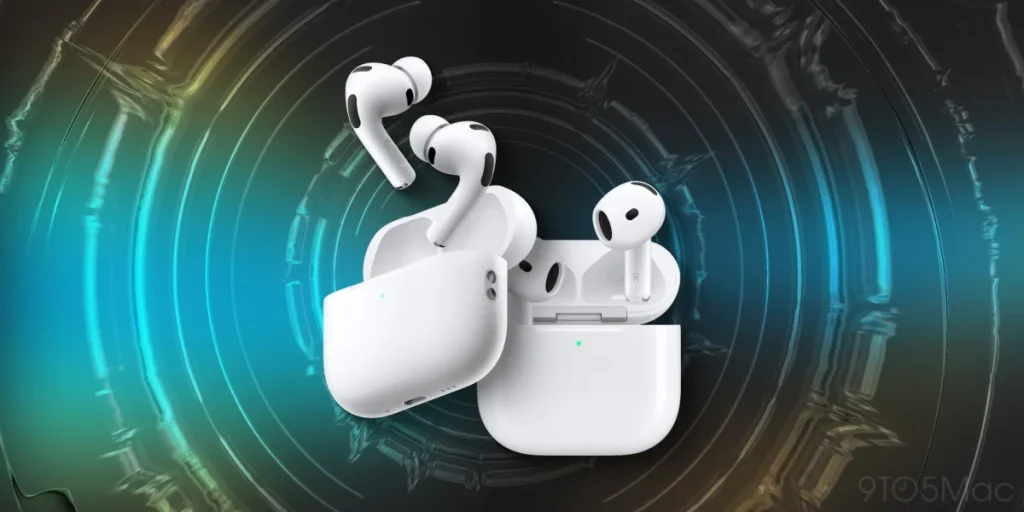
The trajectory of Apple’s AirPods remains one of the most compelling narratives in modern consumer electronics. A decade ago, when Apple made the controversial decision to remove the traditional 3.5mm headphone jack from the iPhone, the move was met with significant skepticism. Critics argued that the company was forcing a transition to proprietary solutions, yet that shift effectively created the market for the wireless earbuds we use today. AirPods have since evolved from a niche accessory into an essential, almost indispensable, piece of technology. They have transcended the role of simple audio playback devices, now offering best-in-class active noise cancellation and even functioning as clinical-grade hearing aids. With iterative improvements arriving almost annually, AirPods have become a masterclass in hardware evolution.
However, despite their sophisticated feature set and the seamless integration they offer within the Apple ecosystem, a recurring, mundane friction point persists. It is a source of frustration for many long-term users, and it is particularly galling because the solution seems to exist entirely within the realm of software. The issue centers on the reliability of the charging process—or, more specifically, the lack of transparency when that process fails.
Currently, Apple has implemented a helpful, albeit limited, notification system for power management. When your AirPods case reaches a low battery threshold and you connect your iPhone to a power source, iOS will frequently generate a notification reminding you to plug in your AirPods case as well. This proactive "nudge" is a prime example of the kind of thoughtful integration that defines the Apple experience; it has undoubtedly saved countless users from the disappointment of reaching for their earbuds only to find them completely depleted. Yet, this system only monitors the charge level of the case itself, ignoring the more nuanced problem of individual earbud connectivity.

The Frustrating Reality of Misaligned AirPods
For those who have integrated AirPods into their daily workflow, the scenario is all too familiar. You return your earbuds to their case, confident that they are nesting correctly and replenishing their battery, only to discover later—perhaps during a commute, a workout, or a critical business call—that one of the buds is dead.
This happens because the physical connection between the AirPod and the internal charging pins of the case is surprisingly delicate. A small piece of debris, a bit of lint, or a slightly misaligned seating can prevent the electrical contact necessary for charging. Because the case itself often provides no immediate visual feedback regarding the status of the individual buds, you remain unaware of the failure until the moment of use. The result is more than a minor annoyance; it is a disruption to the flow of the day, forcing the user to rely on a single earbud or, worse, finding themselves without audio capabilities entirely when they need them most.
The irony is that the hardware is already capable of knowing the state of each component. Your iPhone is constantly communicating with the case and the buds, tracking their individual battery levels and their proximity to the device. It is a logical leap to suggest that the software should be able to identify a "charging error" state.
If an AirPod is physically placed inside the case, yet the iPhone’s software detects that it is not registering a charging current, the system should logically deduce that a connection failure has occurred. By cross-referencing the status of the earbud—specifically that it is not currently being used in-ear and is confirmed to be inside the charging case—the iPhone could trigger a proactive alert. A simple, persistent notification—"Left AirPod not charging"—would be enough to prompt the user to reseat the bud or inspect the case for obstructions.
Implementing such a feature would be a quintessential example of "Apple magic." It would transform a moment of frustration into a seamless recovery. By leveraging the existing communication protocols between the earbuds and the handset, Apple could provide a safety net for its users, ensuring that they are alerted to potential issues while there is still time to rectify them. It is a classic case of software elevating the hardware experience, turning a passive charging cradle into an intelligent, communicative accessory.

The current lack of such a notification feels like a missing piece in an otherwise highly polished user experience. While the hardware engineering of the AirPods themselves has reached a high level of maturity, the intelligence of the supporting software still has room to grow. As the ecosystem becomes more complex and the reliance on these devices grows, users are naturally expecting more visibility into the health and status of their hardware.
It is a reasonable expectation for a premium product to inform the user when it is failing to perform a basic function. For a company that prides itself on human-centric design, bridging this gap would be a welcome addition to a future iOS update. It is a fix that would not require new hardware, nor a redesign of the case, but rather a refinement of the existing software logic that governs how the iPhone interacts with its accessories.
Until such a feature is integrated, users are left to rely on manual verification, which, as many can attest, is prone to human error. For those currently looking to upgrade or enter the Apple audio ecosystem, the latest-generation AirPods Pro 3 remain a compelling option, often available at competitive price points such as $179. They represent the pinnacle of Apple’s current audio technology, yet even the most advanced hardware can benefit from simple, common-sense software improvements.
Ultimately, the goal of such technology is to disappear into the background of our lives, working reliably without requiring constant maintenance or concern. By adding a notification system for charging failures, Apple would not only be addressing a widespread nuisance but would also be reinforcing its commitment to the seamless, worry-free user experience that it has championed for years. Whether through a future firmware update or an adjustment to the way iOS manages peripheral communication, a smarter notification system is the logical next step in the evolution of the AirPods. Until then, users will continue to check their cases with a slight sense of uncertainty, hoping that the charging pins have made a solid connection, waiting for the day when their iPhone takes the guesswork out of the process entirely.