









In his debut iPhone event as Apple’s newly appointed CEO, John Ternus made a bold assertion that set the tone for the company’s vision of the future: "There’s no product in the world better designed to be your intelligent personal hub than iPhone." This statement was not merely a marketing flourish; it served as the conceptual bedrock for Apple’s latest foray into the smart home market, the HomeView. As the device arrives in homes, the reasoning behind its architecture—specifically its heavy reliance on the iPhone—is becoming clear. It is a calculated design choice intended to balance the competing demands of cutting-edge artificial intelligence and ironclad personal privacy.
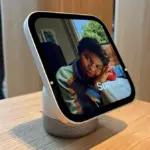
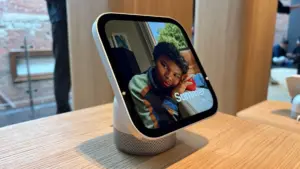
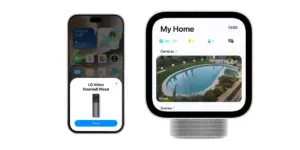
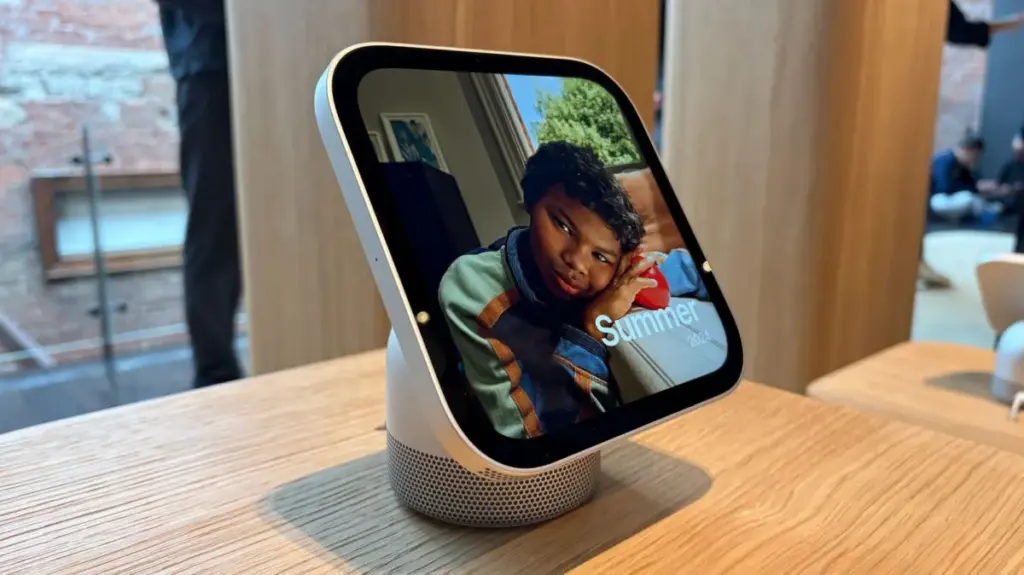
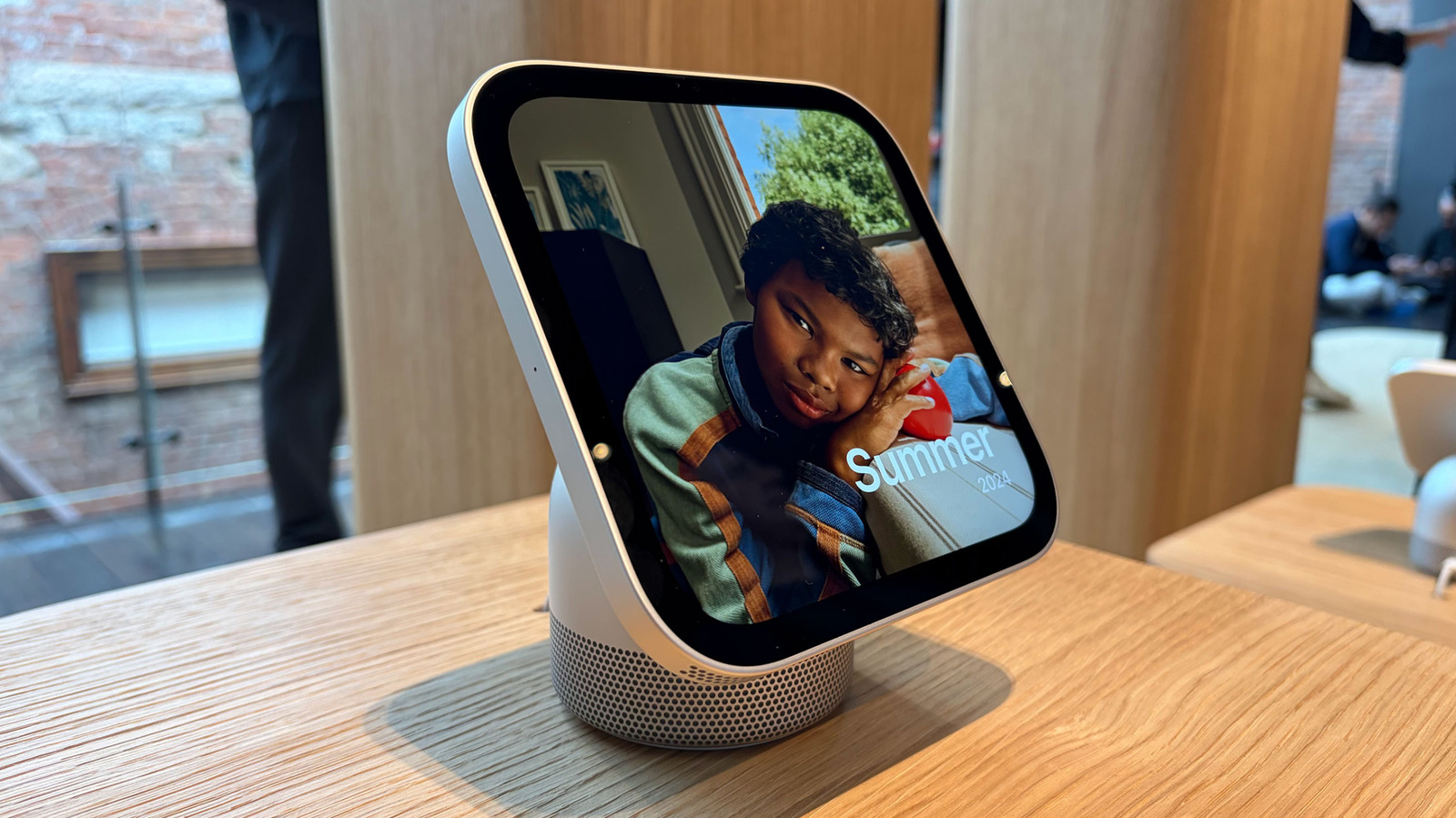
The HomeView, which was officially unveiled last month, represents a significant evolution in Apple’s hardware lineup. It functions as a versatile hybrid device: a visual interface, an always-listening smart speaker powered by Siri, a central control point for connected home devices, a kitchen companion, a FaceTime hub, and even a digital photo frame. However, for those expecting a standalone tablet-like experience, the HomeView may initially feel unconventional. It does not run its own suite of independent applications. Instead, it operates on a mirroring principle similar to Apple’s CarPlay system.
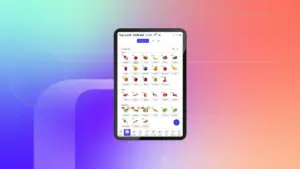
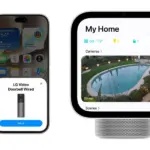
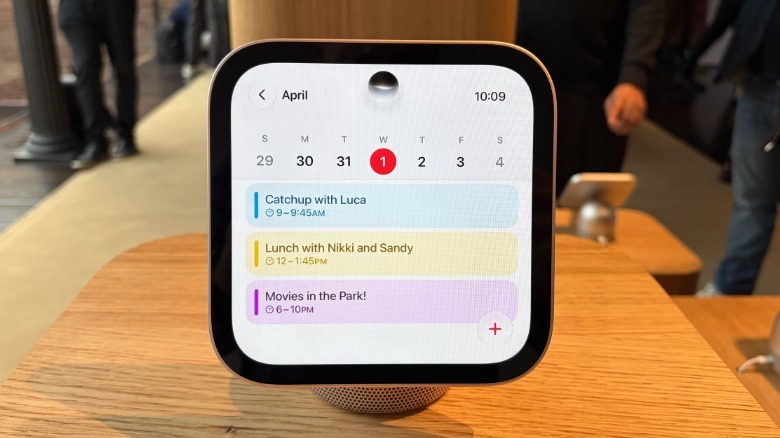
By design, the HomeView does not allow users to download standalone software from the App Store. Rather, it reflects the ecosystem already established on a user’s iPhone or iPad. When a user interacts with the HomeView, it surfaces compatible apps from their paired device, alongside Apple’s core suite of services, including Calendar, Messages, Reminders, and Weather. This mirroring architecture is the primary reason why an iPhone or iPad must be in close proximity for the device to reach its full potential.
According to Cecilia Dantas, a member of Apple’s Home product marketing team, the development of the HomeView was guided by three non-negotiable pillars: intelligence, personalization, and privacy. To provide a truly intelligent experience, Siri AI requires access to the rich, personal context stored within a user’s apps. Yet, granting a communal home device unfettered access to that data presents obvious privacy risks. Apple’s solution was to keep the iPhone as the primary container for this information. By requiring the phone to be nearby, Apple ensures that sensitive data is not permanently housed on a shared home device, effectively shielding it from unauthorized access when the owner is away.
This design philosophy directly addresses the "shared device" dilemma that has long plagued the smart home category. A home hub must be accessible to every member of a household—allowing anyone to toggle lights or check a video feed from the front door—but it should not inadvertently expose private communications. A guest or a family member should not be able to view an owner’s private text messages or calendar entries, which could lead to awkward social mishaps or the disclosure of sensitive information.
To mitigate this, Apple has implemented a multi-layered security approach. The HomeView utilizes sophisticated built-in face and voice recognition to identify who is interacting with the device. However, identification alone is not enough to unlock the device’s full suite of personal data. Even for recognized users, the HomeView requires the presence of a recently unlocked, paired iPhone or iPad to reveal personal content such as private messages or calendar alerts.
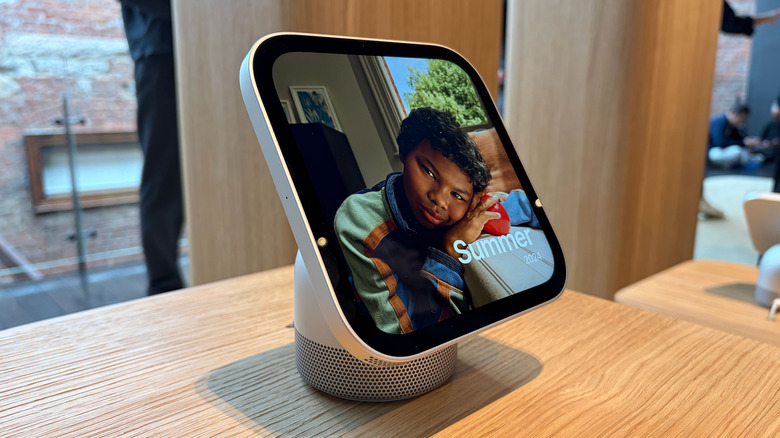
Matthew Costello, Apple’s VP of hardware engineering, emphasized the nuance of this "glanceable" experience during a recent discussion. "Everything that feels natural on a phone is now available in a subtle, glanceable device that gives you what you need in the moment," Costello noted. "It recognizes you and shows you your information, but when you step away, it’s gone." This transient nature of the data is central to Apple’s value proposition. Because the information is pulled from the phone rather than stored on the HomeView itself, the data essentially vanishes from the display the moment the user—and their iPhone—departs.
The integration goes beyond mere data display. The HomeView is designed to be an extension of the existing Apple ecosystem, enabling fluid transitions between devices. Much like the experience provided by the HomePod, the HomeView supports the "hand-off" of tasks, such as music playback or FaceTime calls. One of the device’s standout use cases is its integration with Safari for recipe viewing in the kitchen. By leveraging the power of the iPhone to kickstart these processes, Apple creates a cohesive flow that connects the mobile world with the domestic space.
For the development team, this reliance on the iPhone was not viewed as a constraint, but rather a strength. Dantas noted that the company does not see the requirement for an iPhone as a "dependency" in the negative sense; instead, it is an essential component of the ecosystem. By mirroring the interface and interactions of the iPhone, Apple ensures that the user experience is inherently familiar, reducing the learning curve for those already embedded in the company’s hardware lineup.
The physical design of the HomeView also reflects this philosophy. The device is notably button-free, a design choice that initially surprised some industry observers who noted that it blends the characteristics of an iPad, an Apple Watch, and a HomePod. While the iPad and various smart home devices often rely on physical controls, Apple intentionally minimized touch input for the HomeView. According to Costello, the device was conceptualized as "voice first, then touch second." This hierarchy allowed the engineering team to remove physical buttons entirely, favoring a cleaner, more minimalist aesthetic that reinforces the device’s role as a passive, ambient assistant rather than a primary computing workstation.
The process of bringing the HomeView to market required the team to exercise a high degree of restraint. With years of experience in home products, Apple’s engineers had to carefully curate which features would translate well to a shared home display and which ones would clutter the experience. The challenge, according to Dantas, was to determine exactly what to bring over from the existing Apple software suite to maintain a balance between power and simplicity. Every feature that made the cut was included with the explicit intent of delivering an experience that felt both sophisticated and accessible.
Ultimately, the HomeView represents a distinct shift in how Apple views the smart home. Rather than attempting to create a standalone, all-encompassing computer for the kitchen counter or living room table, the company has doubled down on the iPhone as the central repository of the user’s digital life. By linking the HomeView’s capabilities directly to the user’s phone, Apple is betting that consumers will prefer a device that is intelligent and personal in their presence, yet remains essentially invisible and empty in their absence.
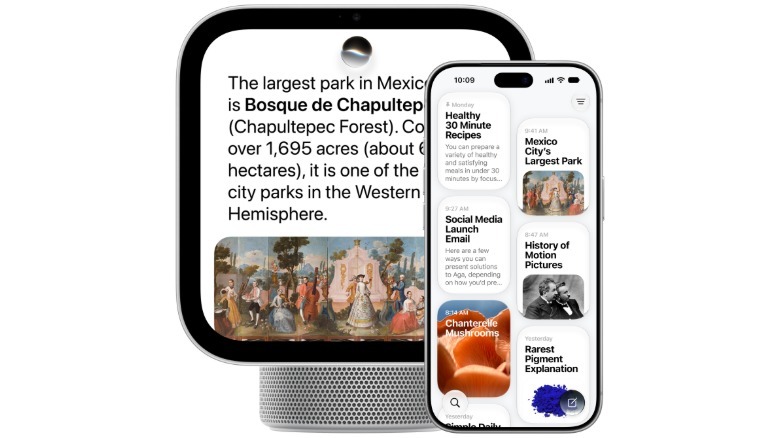
This approach acknowledges a modern reality: the smartphone is no longer just a communication tool, but the primary hub of an individual’s identity, schedule, and social circle. By tethering the HomeView to that hub, Apple has created a device that promises to be as smart as the user’s phone, without compromising the privacy standards that have become a hallmark of the brand. As the market for smart displays continues to evolve, the success of this strategy will depend on whether users find the tethered experience a seamless extension of their digital lives or an unnecessary hurdle to the convenience of a truly autonomous home hub. For now, Apple remains committed to the idea that the best home device is one that knows you, but only when you are there to see it.