












In the world of action cinema, the third act is often where even the most promising films stumble. There is perhaps nothing more disappointing for an audience than investing two hours in a high-stakes narrative only to have the climax fall flat. Whether through an over-reliance on disconnected CGI, a lack of genuine stakes, or a resolution that feels unearned, the "final boss" trope is notoriously difficult to execute.
Recent history in blockbusters has shown this struggle repeatedly. While Marvel’s Shang-Chi and the Legend of the Ten Rings was widely celebrated as one of the most compelling entries in the post-Avengers: Endgame Marvel Cinematic Universe, its final confrontation was frequently criticized for devolving into a blurry, disjointed digital spectacle that lacked the grounded, kinetic energy of the film’s earlier martial arts sequences. Similarly, nostalgia-driven sequels often fail to honor their own internal logic. Teenage Mutant Ninja Turtles: The Secret of the Ooze serves as a classic cautionary tale; despite the film’s infectious energy and charm, the finale saw the villainous Shredder reduced to a footnote, dying after a dock collapsed on him without a proper confrontation ever truly taking place.
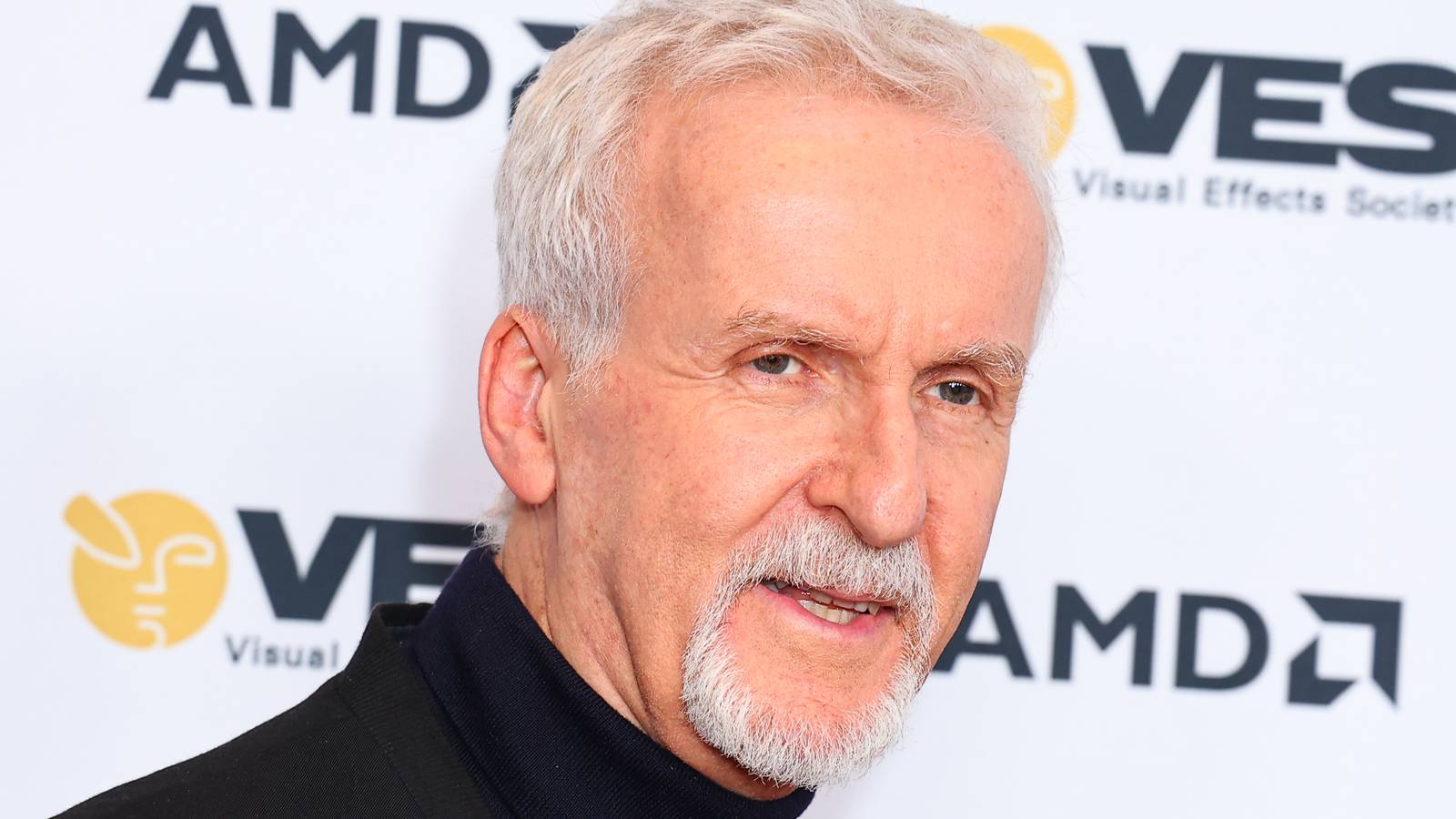
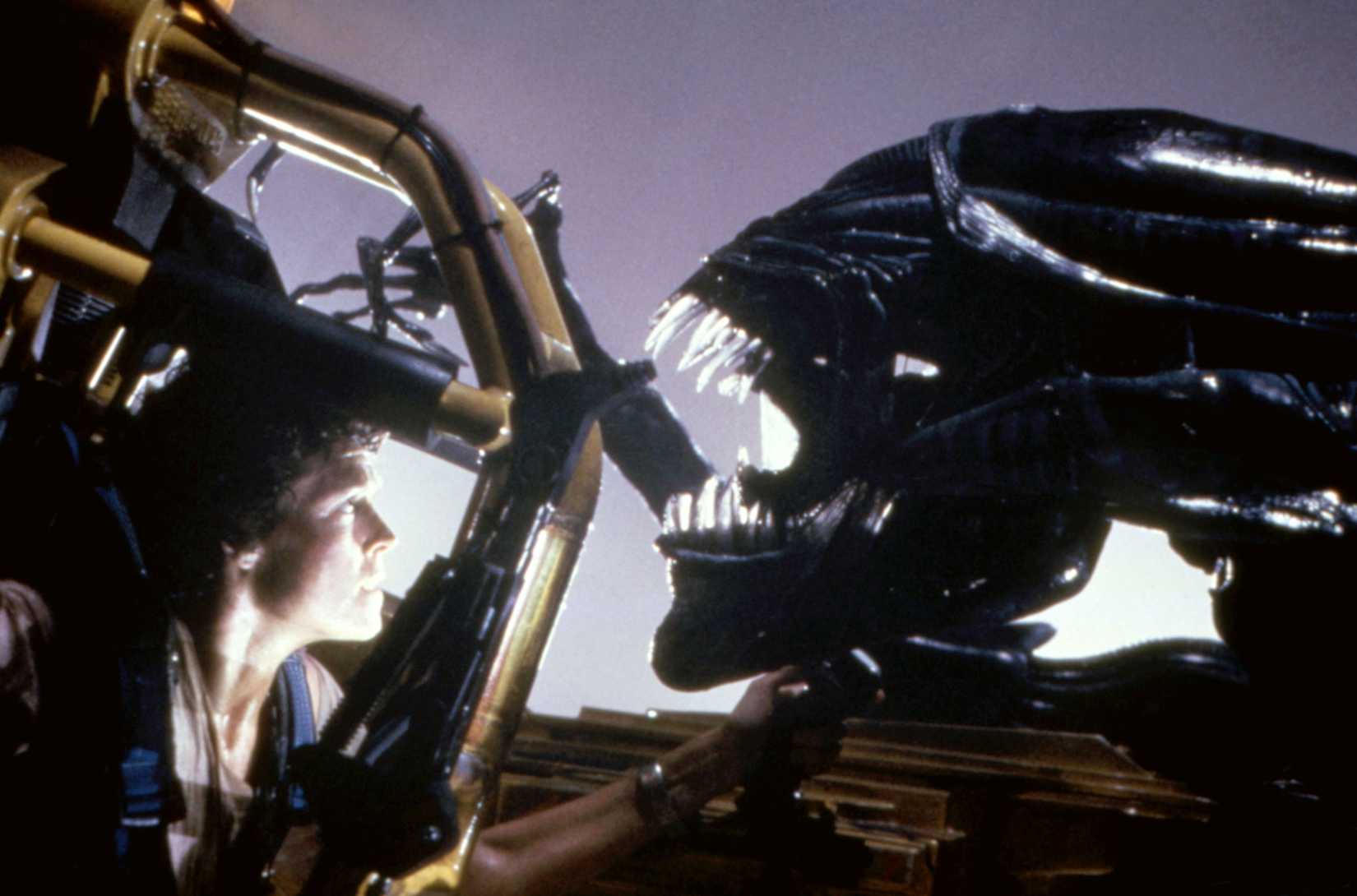
It is against this backdrop of cinematic missed opportunities that James Cameron’s 1986 sci-fi masterpiece, Aliens, stands as a monumental achievement. As the film prepares to depart the Netflix library on December 1, it remains a vital study in how to craft a climax that does not merely resolve a plot, but elevates the entire experience to legendary status. Cameron’s sequel to Ridley Scott’s 1979 horror-thriller, Alien, faced the daunting task of following a classic that relied on atmospheric dread and the terror of a single, unseen predator. Cameron chose not to replicate that formula, but to shatter it, pitting Ellen Ripley (Sigourney Weaver) against an entire hive of Xenomorphs alongside a battle-hardened platoon of Colonial Marines.

Building the Stakes for an Epic Showdown
The brilliance of the final act in Aliens lies in its relentless pacing and the way it utilizes the narrative architecture built throughout the film. By the time Ripley reaches the heart of the alien nest to rescue the young survivor, Newt (Carrie Henn), the audience has already been conditioned to fear the individual creatures. However, Cameron introduces a new threat: the Xenomorph Queen. This entity was not just a larger version of the monsters seen earlier; it was a focal point for the hive’s hierarchy, a creature of nightmare proportions that shifted the dynamic from a survival-horror skirmish to a desperate, high-stakes battle for survival.
The encounter begins with a moment of terrifying realization. Ripley, armed with a blowtorch, confronts the massive egg sac of the Queen. In a sequence that balances tactical precision with raw, parental fury, she incinerates the eggs, sending the creature into a violent frenzy. The escape that follows is a masterclass in tension, culminating in one of the most effective "fake-outs" in the history of the genre.
After rescuing Newt and escaping the planet’s surface—which is promptly obliterated by a nuclear detonation—the audience is lulled into a false sense of security. The survivors board the main ship, and for a brief moment, the silence suggests they have made it. The reveal that the Queen had managed to stow away on the scout ship is the ultimate twist, turning a moment of relief into a claustrophobic fight for life. The subsequent destruction of the loyal android Bishop (Lance Henriksen), who is torn in half by the beast, raises the stakes to their absolute limit. When Ripley discovers Newt hiding beneath the floorboards, with the Queen closing in, the stage is set for the film’s iconic resolution.

The Power Loader: A Masterpiece of Practical Effects
The showdown between Ripley and the Queen is iconic not only for its choreography but for its tactile, grounded reality. Ripley’s choice to don the Caterpillar P-5000 Work Loader—a massive exosuit designed for industrial cargo handling—provided the perfect visual and thematic counterpoint to the organic, terrifying speed of the alien.
The behind-the-scenes reality of this battle is just as fascinating as the on-screen action. In a 1987 interview, James Cameron reflected on the design process for the Queen, noting that he viewed the film as an opportunity to push the boundaries of what the franchise could represent. "The queen was an opportunity to take a design stance that was beyond the first film—create a new organism, basically," Cameron stated. While he drew heavily from the foundational work of H.R. Giger, the original designer of the Xenomorph, Cameron wanted to instill the Queen with distinct characteristics—specifically, a level of size, grace, and femininity that the "warrior" aliens lacked.
The execution of this vision fell to the legendary special effects artist Stan Winston. Winston and his team were tasked with creating the most complex animatronic creature of the era. The result was a triumph of engineering: a massive, terrifying puppet that required up to 16 operators at any given time. Some sections of the Queen were controlled by sophisticated hydraulics, while others relied on intricate rod-and-cable systems.
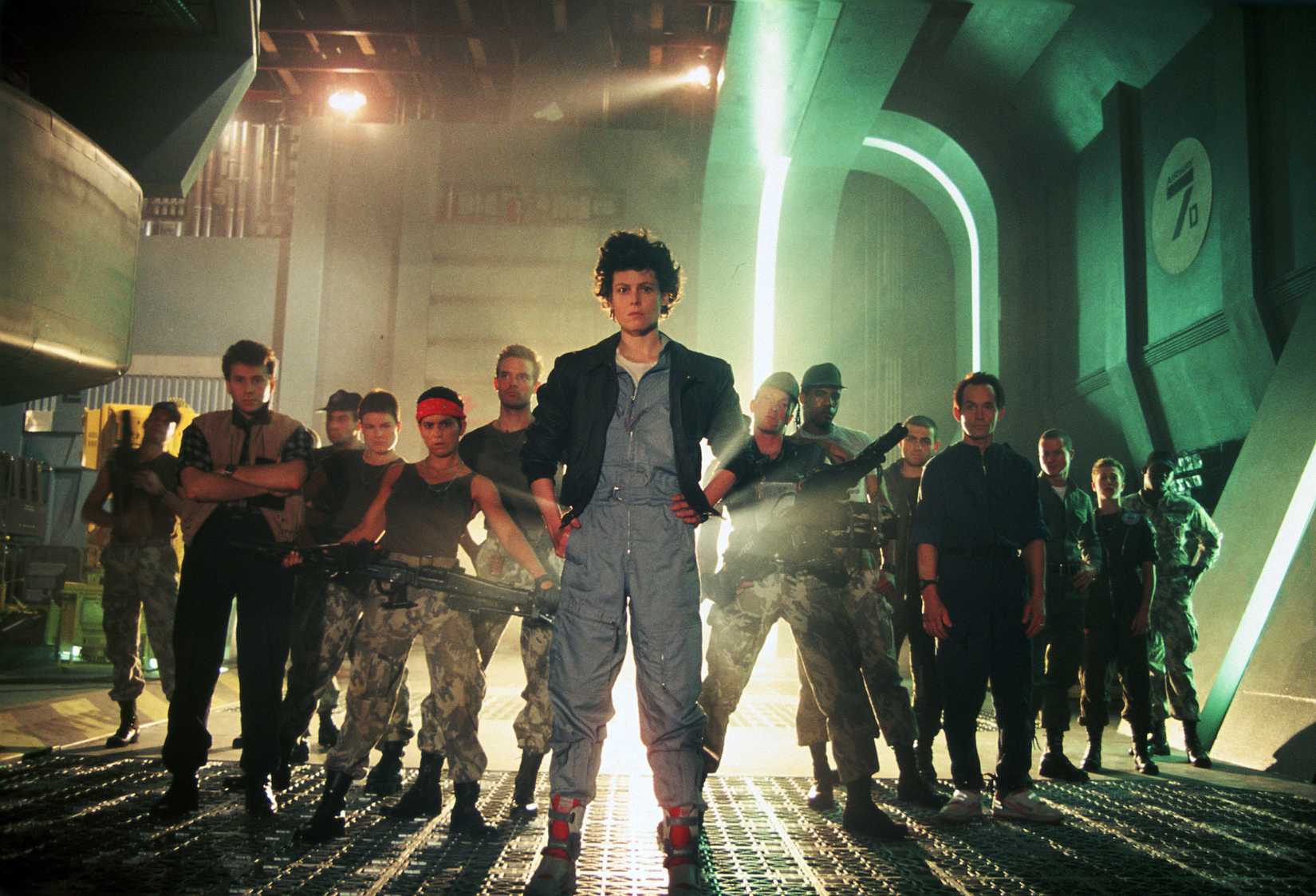
Because the film was produced in 1986, long before the ubiquity of digital compositing, there was no way to "fix it in post." Every movement, every twitch of the Queen’s tail, and every strike of the power loader’s claws had to be captured on 70mm film exactly as it occurred on set. The puppeteers were hidden, the wires were managed in real-time, and the result is a level of physical presence that modern CGI often struggles to replicate. When the Queen screams in Ripley’s face, the audience knows they are looking at something that occupied real space, which adds a visceral layer of dread that remains just as potent four decades later.
A Legacy of Tension and Payoff
What makes the final act of Aliens so enduring is how perfectly it pays off the character development of Ellen Ripley. She enters the film a traumatized survivor, but by the time she steps into the power loader and utters the immortal line, "Get away from her, you bitch," she has fully transformed into an icon of strength. The fight is not just a brawl; it is a definitive resolution to the psychological trauma she has carried since the events of the first film.
The film serves as a reminder that the best action climaxes are those that honor the internal logic of the world the filmmakers have created. By introducing the Queen as a genuine threat that required ingenuity rather than just brute force to defeat, Cameron ensured that the finale felt like a logical conclusion to the preceding story.
As Aliens approaches its departure from Netflix on December 1, it stands as a testament to the power of practical filmmaking and thoughtful narrative design. Whether you are a longtime fan revisiting the iconic showdown or a newcomer experiencing the tension of the Sulaco for the first time, the film remains a gold standard for how to execute a final act. It is a rare example of a sequel that not only matches the intensity of its predecessor but manages to expand the universe in a way that feels essential. For those looking to experience one of the greatest moments in action cinema, there is no better time than now to revisit the terrifying, groundbreaking, and masterfully crafted finale of Aliens.
Aliens is available to stream on Netflix until December 1. It is also available to view on other platforms, including Hulu and Disney Plus.