









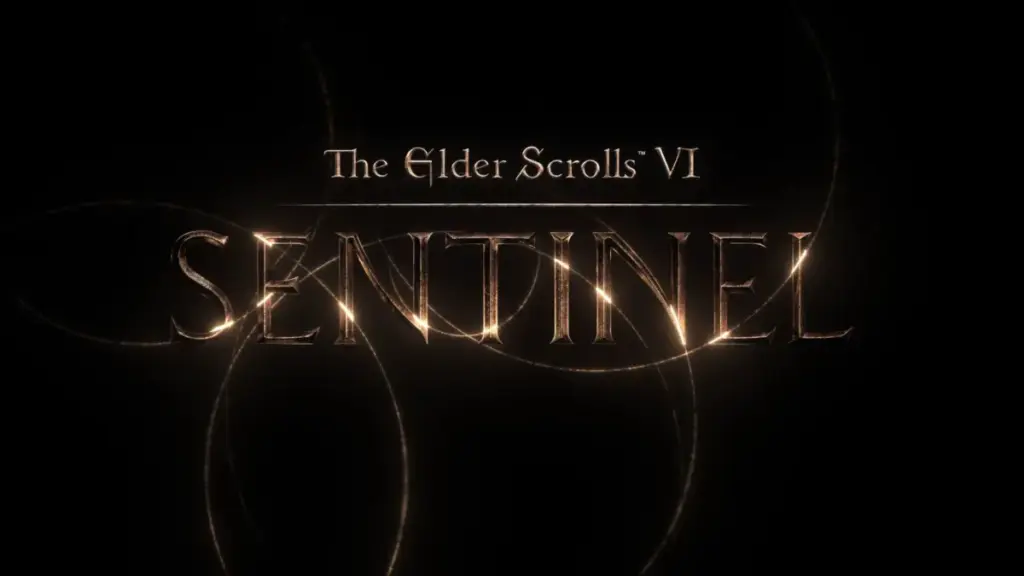
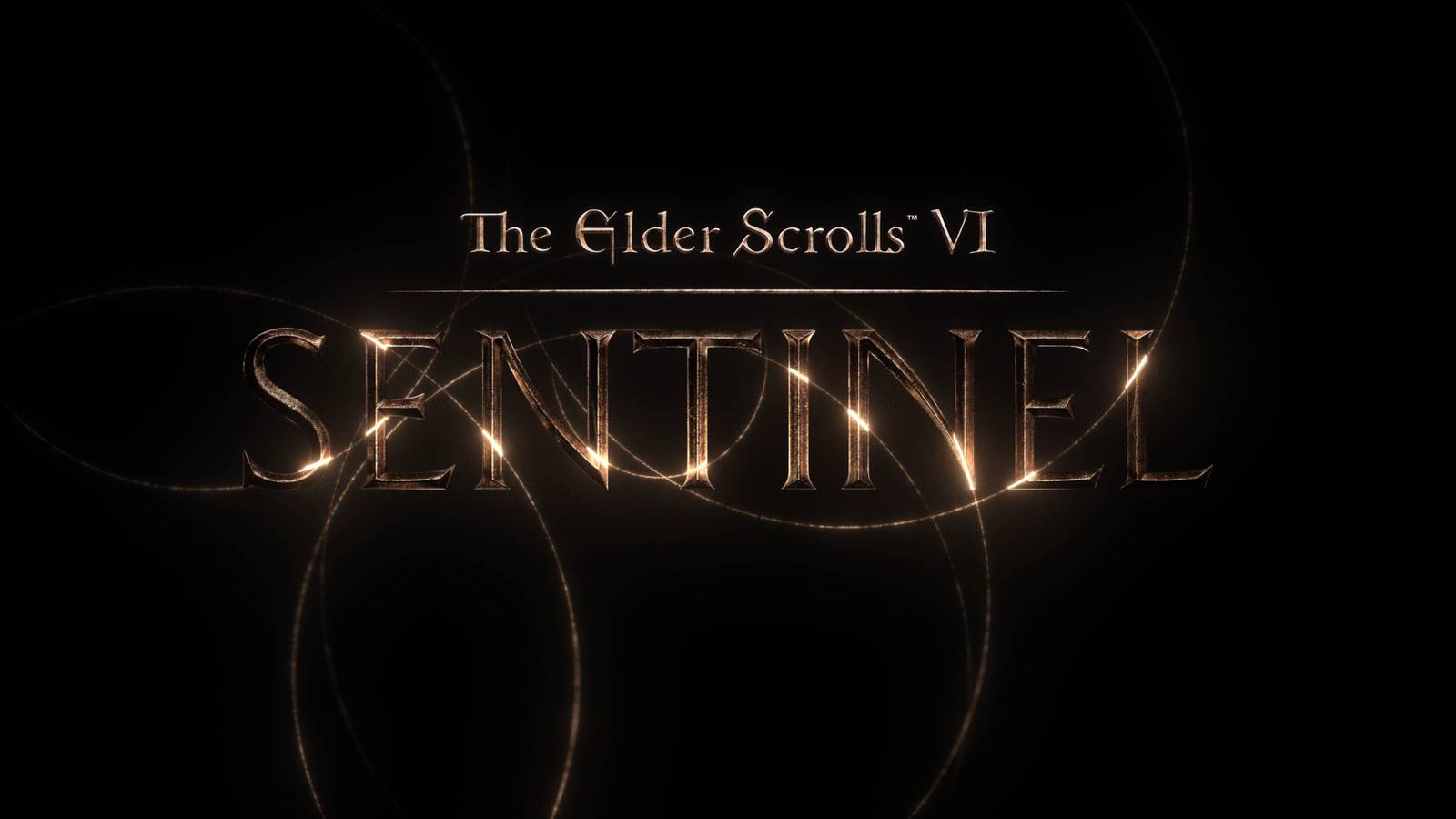
After years of speculation, fan theories, and a silence that felt at times deafening, Bethesda Game Studios has finally pulled back the curtain on the next chapter of its legendary fantasy franchise. In a move that serves as both a celebration of the company’s storied past and a bridge to its future, studio director Todd Howard has confirmed that the upcoming sequel to the industry-defining The Elder Scrolls 5: Skyrim will be officially titled The Elder Scrolls 6: Sentinel.
The confirmation came as part of a high-profile video presentation marking Bethesda Softworks’ 40th anniversary. For millions of players who have spent the better part of two decades traversing the snowy peaks of Skyrim and the lush environments of Cyrodiil, the announcement provides the first concrete piece of the puzzle that has been in the works since the game’s initial, brief teaser back in 2018. While fans had spent recent days dissecting rumors and potential leaks that pointed toward this specific title, hearing it directly from Howard has shifted the conversation from guesswork to genuine anticipation.
The announcement was woven into a retrospective celebration of the developer’s four decades in the industry. Bethesda Softworks, which began its journey in 1986, has spent the last forty years defining the Western role-playing game genre. From the early, ambitious experiments of the Arena and Daggerfall days to the massive cultural phenomenon that was Skyrim, the studio has cultivated a reputation for building expansive, immersive worlds that invite players to live, breathe, and explore within their boundaries. By titling the next entry Sentinel, Bethesda is signaling a return to the roots of the series’ deep lore and political complexity.
The name "Sentinel" carries significant weight within the established history of Tamriel. In the lore of the Elder Scrolls, Sentinel is a major city-state located in the northwestern region of Hammerfell. Known for its distinct architecture, its maritime trade prowess, and its strategic importance on the Iliac Bay, the city represents a unique cultural aesthetic that players have not explored in a modern, mainline 3D Elder Scrolls title. By focusing the title on this location, Bethesda implies that the scope of the game may be heavily tethered to the rugged, sun-drenched landscapes of Hammerfell and the proud, martial culture of the Redguards.
Following the logo reveal, the anniversary video offered a cryptic, atmospheric glimpse into the narrative stakes of the new game. The teaser included a snippet of text attributed to a "Yazar, Moth Priest of High Queen Iradne of Hammerfell," dated to the year 4E 206. The passage reads: "The scroll offered only a shimmer, a veil thinly lifted to my eyes. A future lost. A victory undone. Sands of time scattered by fate."
This specific date is highly significant for the series’ timeline. The events of The Elder Scrolls 5: Skyrim took place in 4E 201. By placing the narrative of Sentinel in 4E 206, Bethesda has officially confirmed that the game serves as a direct follow-up, taking place exactly five years after the Dragonborn’s journey through the north. This five-year gap suggests a world that has had time to recover from the civil war and the dragon crisis that defined the previous game, though the mention of "a future lost" and "a victory undone" suggests that the political stability of Tamriel remains fragile.
The transition to a setting like Hammerfell offers a stark departure from the mountainous, Norse-inspired aesthetic of Skyrim. The Redguards are a people defined by their history of resilience, their mastery of the blade, and their complex relationship with the Thalmor and the Aldmeri Dominion. Placing the game in a region so closely linked to the ongoing tensions between the Empire and the Dominion ensures that The Elder Scrolls 6: Sentinel will likely be steeped in the high-stakes political intrigue that has been simmering in the background of the series for years.
For Todd Howard and the team at Bethesda, the pressure to follow up Skyrim—a game that has remained relevant through multiple console generations and re-releases—is immense. The longevity of Skyrim is a testament to the studio’s design philosophy of "infinite play," but it has also created a standard that makes the development of a sequel a daunting task. By confirming the title, the studio is moving into the next phase of the project’s development cycle, shifting from the conceptual stage to the realization of the world players have been waiting for since the initial announcement at E3 years ago.
The choice of "Sentinel" as a title also hints at the developer’s intent to focus on a more singular, defined cultural experience. While previous games like Oblivion and Skyrim covered entire provinces, the specific naming convention suggests a potential depth of detail that could surpass anything the studio has attempted before. Whether the game will expand to cover the entirety of Hammerfell or focus more intensely on the coastal regions surrounding the city of Sentinel remains a subject of intense discussion within the fan community. However, the mention of High Queen Iradne indicates that the game will feature a distinct power structure and a set of political leaders that players will have to navigate as they make their mark on the world.
The reveal has reignited the discourse surrounding the evolution of Bethesda’s game engine and the technological advancements they plan to bring to the table. As the studio has transitioned through various iterations of the Creation Engine, fans are expecting a significant leap forward in terms of world density, character interaction, and systemic depth. The inclusion of a Moth Priest as a source for the game’s initial lore tease also suggests that the Elder Scrolls themselves—the mystical, reality-altering artifacts that give the series its name—will play a pivotal role in the plot, perhaps more so than in previous entries where they served more as background flavor.
As the industry looks toward this next era of Bethesda Game Studios, the confirmation of The Elder Scrolls 6: Sentinel marks a turning point. It is no longer a nebulous concept or a distant dream, but a tangible project with a name, a time period, and a location. While Bethesda has not provided a specific release window, the studio’s willingness to share these details as part of their 40th-anniversary celebration suggests that the project has reached a level of maturity where they are ready to begin the long, careful process of pulling back the veil.
For now, the gaming world is left to ponder the meaning of the "sands of time" and the "victory undone." As players begin to map out the geography of Hammerfell and re-read the lore surrounding the Redguards, the anticipation for the next entry in this monumental series only continues to grow. Bethesda has successfully shifted the focus from the question of if the game would arrive to the question of what exactly awaits us in the shifting sands of Sentinel.
As the development cycle continues, the industry will undoubtedly keep a close watch on any further updates from the studio. For a generation of gamers who grew up with the roar of dragons and the shouts of the Dragonborn, the promise of a return to the world of Nirn is a welcome milestone. The journey to Hammerfell has officially begun, and while the path forward remains shrouded in the mystery of the Scrolls, the destination is finally in sight.