











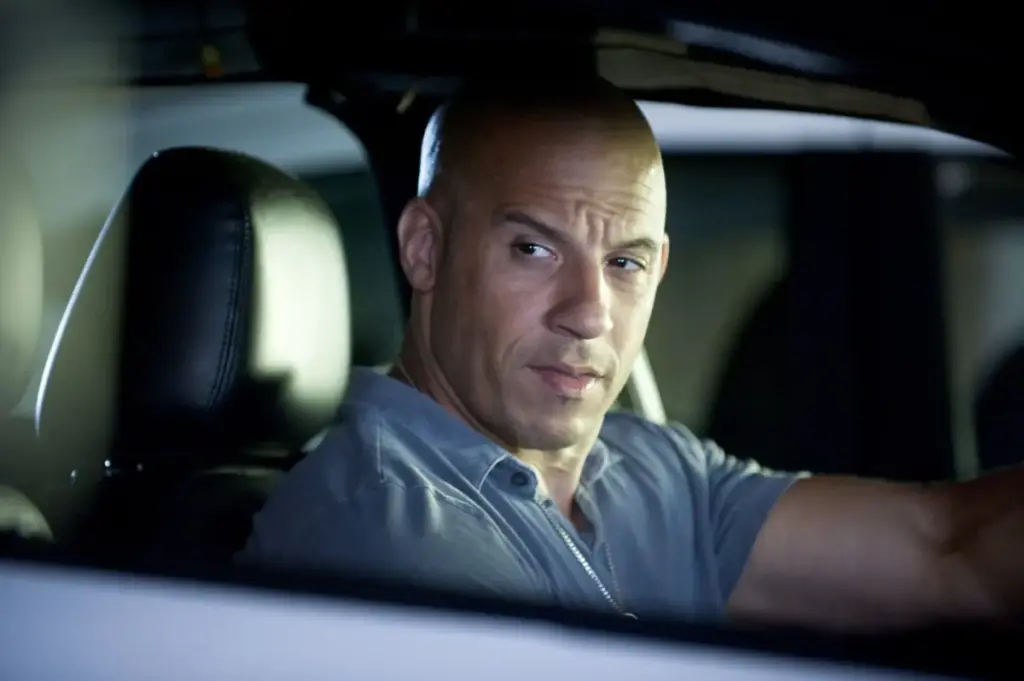
For years, the Fast & Furious franchise occupied a strange space in the cultural consciousness—often dismissed by critics as a loud, vapid collection of high-octane car commercials. For those who didn’t consider themselves "car people," the series seemed to be little more than an endless parade of street racing and bravado. However, the true transformation of the saga occurred during the pandemic, when a broader audience finally sat down to watch the series from start to finish. What they discovered was not just a series of stunt spectacles, but a sprawling, surprisingly emotional epic held together by the recurring mantra of "family."
With 11 films already in the rearview mirror, including the Hobbs & Shaw spin-off, the franchise is barreling toward its 12th and final installment. While every entry has provided a unique flavor of adrenaline, Fast Five (2011) remains the undisputed pinnacle of the series. It was the moment the franchise matured, successfully shifting its focus from niche street racing subcultures to a grand, international heist narrative. It utilized its ensemble cast to perfection, leaned heavily on practical effects to ground the action, and solidified the on-screen chemistry between Vin Diesel’s Dominic Toretto and Paul Walker’s Brian O’Conner. As Fast Five prepares to exit the Netflix library on November 1, it serves as a timely reminder of what this series is capable of when it strikes the perfect balance between heart and spectacle.
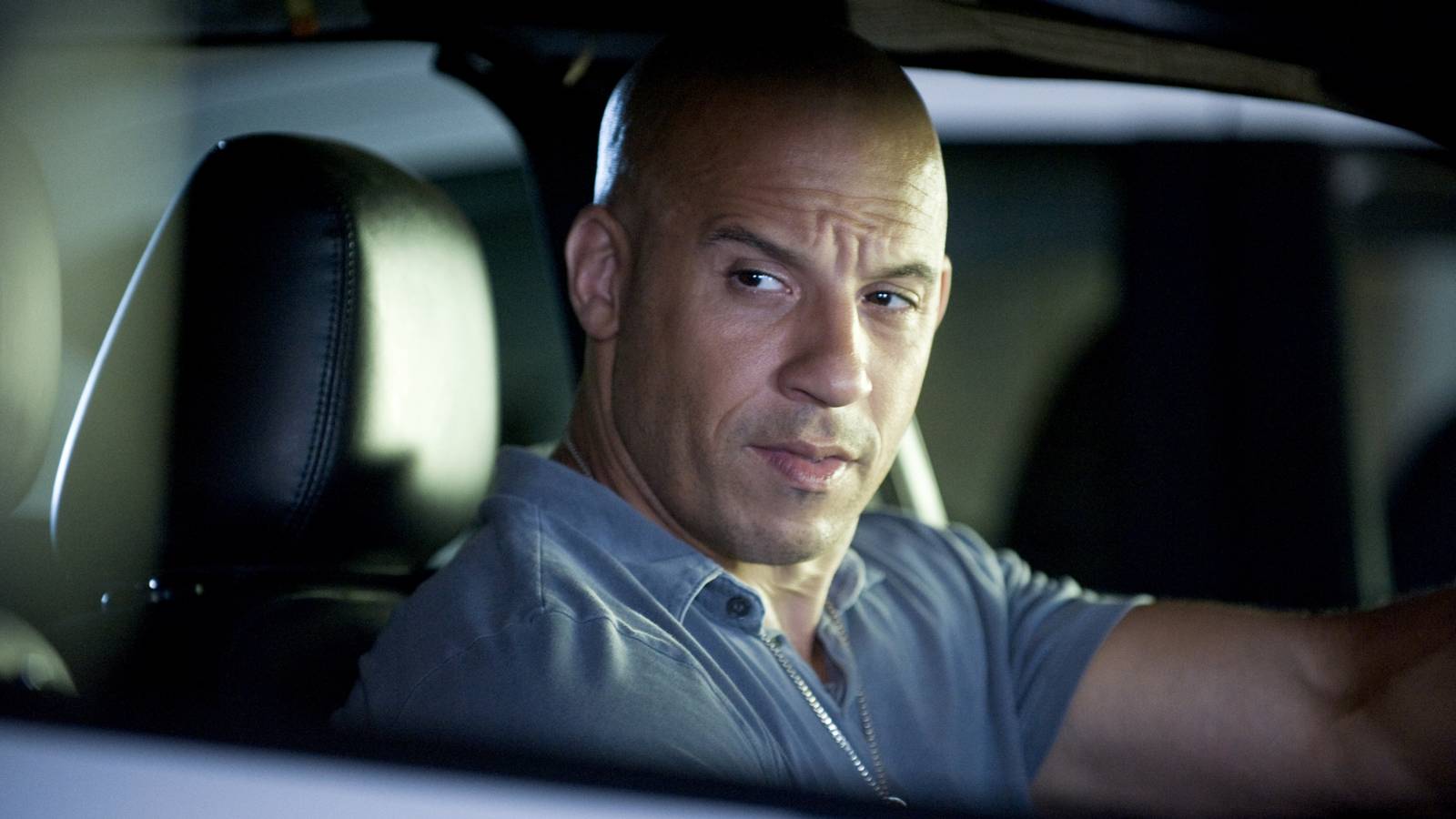
The Evolution of a Franchise: How We Got to Fast Five
To understand why Fast Five represents the high-water mark of the series, one must look at the trajectory that preceded it. The early entries were strictly focused on the world of illegal street racing. Dom Toretto was the king of the Los Angeles underground, and Brian O’Conner was the outsider—an LAPD officer who went undercover to infiltrate Dom’s world, only to find himself seduced by the lifestyle and the bond he formed with Dom’s sister, Mia.
As the series progressed, Brian’s path became increasingly complicated. He transitioned from a cop to a street racer, then to an FBI agent, and eventually back to an outlaw. By the time the events of Fast Five unfolded, the stakes had shifted dramatically. The film discarded the insular focus on drag racing in favor of a globe-trotting heist set in the vibrant, chaotic streets of Rio de Janeiro. The mission was simple: pull off a $100 million heist against a corrupt local businessman to secure the freedom and financial stability of their makeshift family.

This transition was bolstered by the introduction of Dwayne Johnson’s Luke Hobbs, a Diplomatic Security Service (DSS) agent tasked with bringing the crew to justice. The resulting dynamic—a cat-and-mouse game that eventually evolves into a tense alliance—provided the franchise with the antagonist-turned-ally energy it desperately needed. The film’s climax, featuring Dom and Brian dragging a massive, indestructible bank vault through the city with two Dodge Chargers, remains one of the most iconic and satisfying action sequences in modern cinema. It proved that the franchise didn’t need to be about who was the fastest on a quarter-mile track; it could be about a group of outlaws fighting for their own version of justice.
The Secret Sauce of Success
The genius of Fast Five lies in its simplicity. While the plot involves complex character motivations, international politics, and high-stakes maneuvering, the core narrative remains grounded in a basic human desire: the need for survival and loyalty. It is easy to root for a crew that is fundamentally composed of outcasts taking down a wealthy, corrupt villain.
In the subsequent sequels, the series leaned further into the "superspy" genre, with the team acting as a pseudo-government black-ops unit. While these films maintained the excitement and visual flair audiences expected, they began to lose the gritty, street-level tension that defined Fast Five. The movies started to feel less like a heist film and more like a Mission: Impossible derivative. Fast Five managed to maintain the identity of outlaw racers while simultaneously elevating the scope of the action, creating a perfect equilibrium that the later sequels have struggled to replicate.
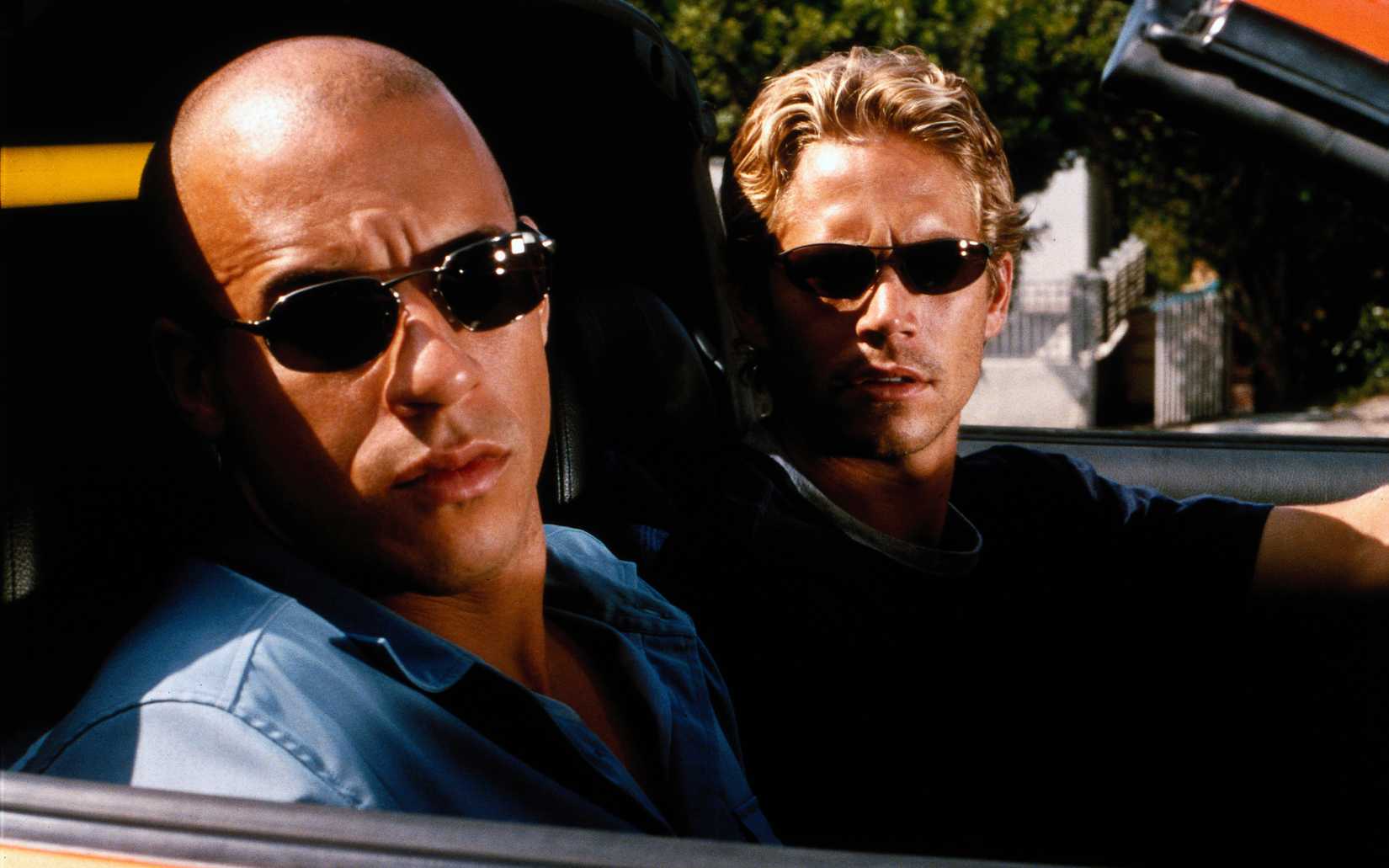
Furthermore, the character dynamic between Dom and Brian became the emotional anchor of the entire saga. Fast Five was the first installment where they were on the same side for the duration of the film, and it was also the moment the family dynamic became literal, with the revelation that Mia was pregnant. This solidified the brotherhood between Dom and Brian, transforming the franchise from a collection of action set pieces into a genuine family drama.

When Paul Walker tragically passed away during the production of Furious 7, the franchise was forced to reckon with the absence of its co-lead. While the production team handled the situation with immense care, and the subsequent films have been technically proficient, there is an undeniable void left by the absence of Brian O’Conner. While the films attempt to keep the character alive in the narrative, the departure of the series’ heart is palpable.
Lessons for the Final Ride
As fans look toward the final chapter, currently titled Fast Forever, the legacy of the franchise is in a delicate position. Recently, Vin Diesel outlined three pillars for how he envisions the finale: a return to Los Angeles, a return to the roots of street racing, and a grand reunion for the characters of Dom and Brian.
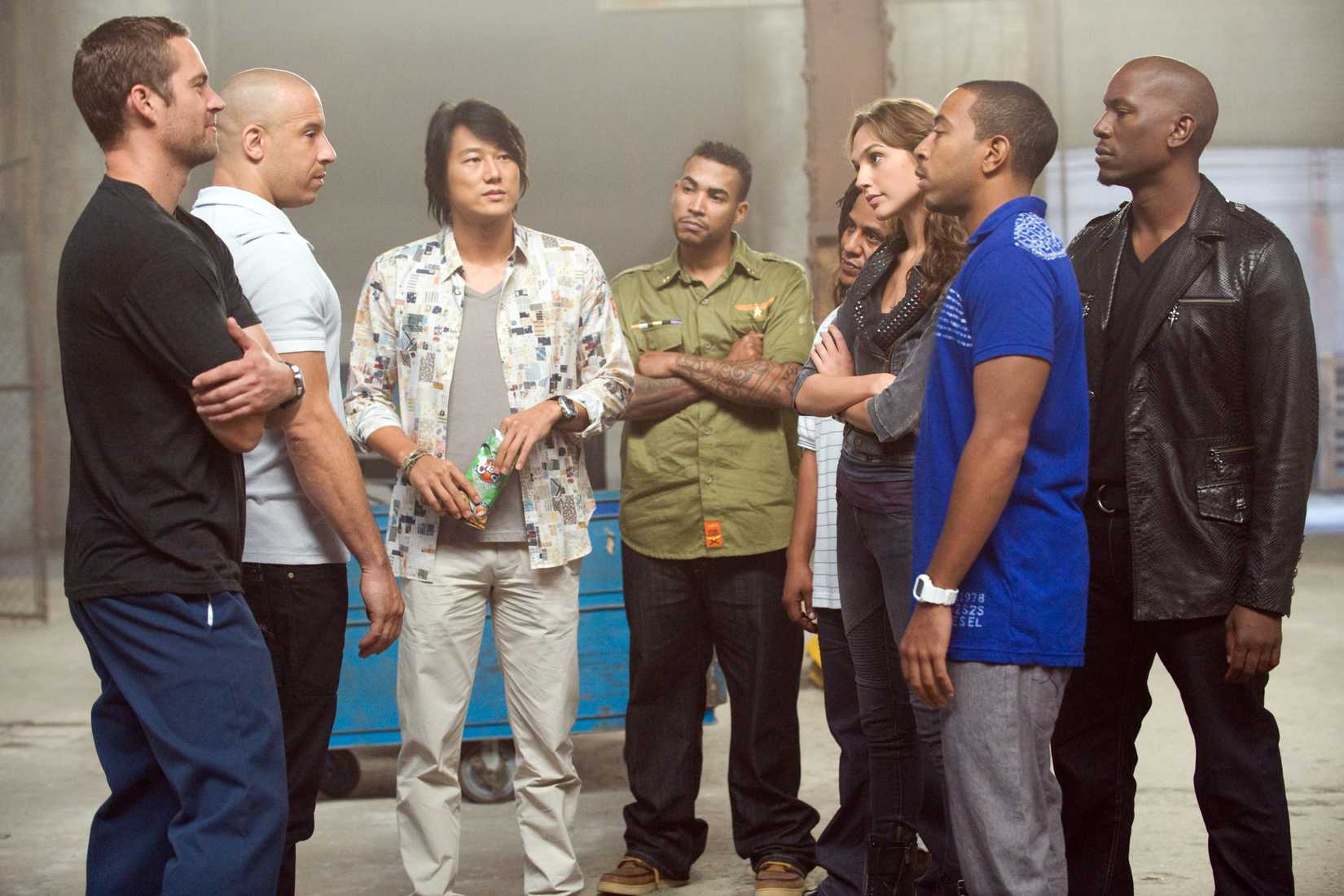
While returning to Los Angeles is a nostalgic nod to the series’ beginnings, the other two demands raise significant concerns for longtime fans. The "street racing" concept had already begun to feel repetitive by the fourth film, which is precisely why the pivot in Fast Five was so necessary and successful. Moving backward to a narrative format that the franchise outgrew a decade ago risks stalling the momentum of the finale.
More importantly, the suggestion of reuniting Dom and Brian presents a moral and creative dilemma. While Furious 7 successfully utilized visual effects and body doubles to provide Brian with a graceful, poignant exit, any attempt to "resurrect" the character for the final film feels fraught with risk. Such a move threatens to undermine the emotional closure achieved in the seventh film and could easily cross the line into something that feels disrespectful to the actor’s legacy.
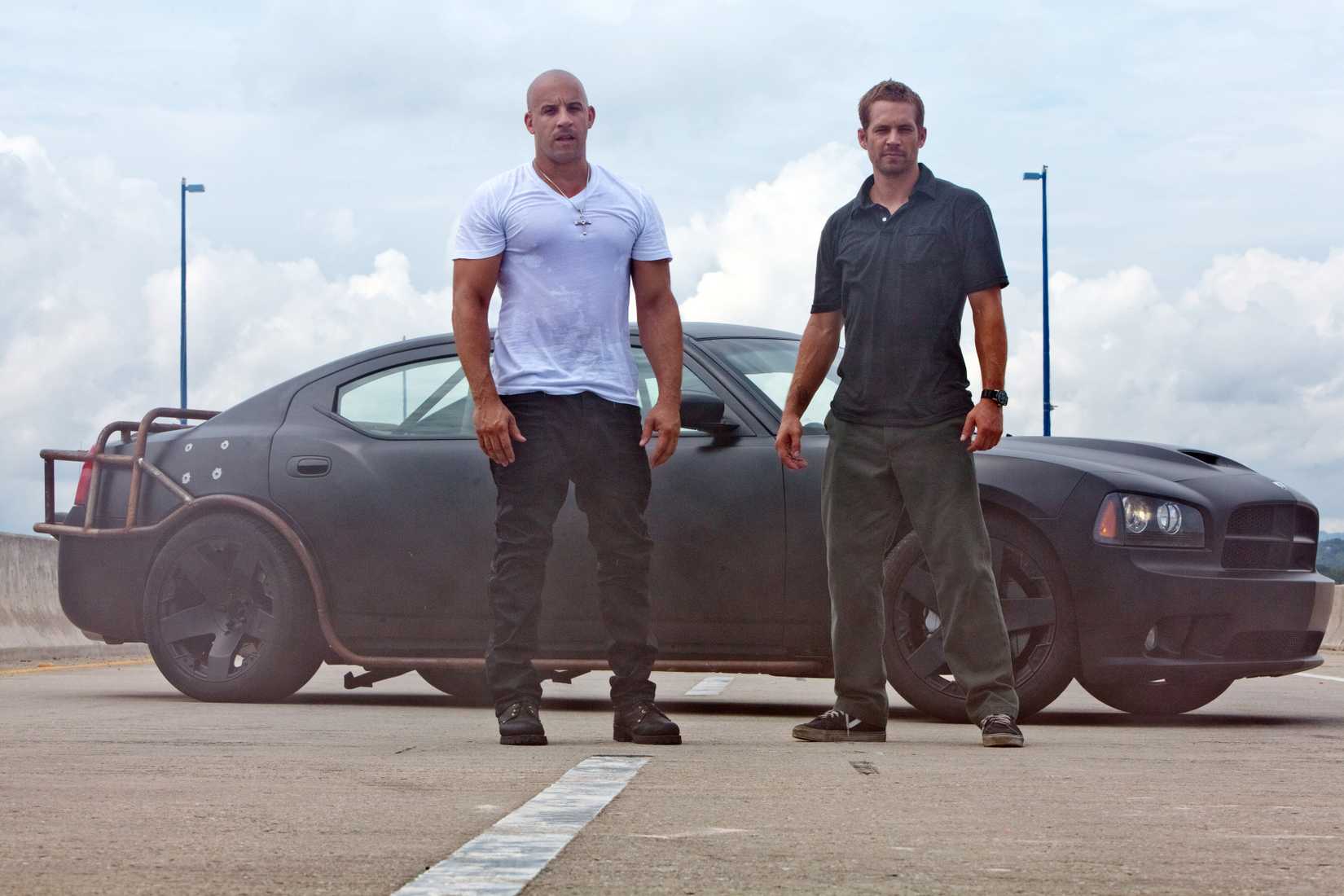
Perhaps the most important lesson Fast Five offers is the value of practical filmmaking. The vault heist in Rio was a masterpiece of stunt work, utilizing real-world physics and tangible destruction to create a visceral experience for the audience. In contrast, many of the later films have relied heavily on CGI, culminating in the widely criticized decision to send the characters into space in F9. That shift toward spectacle over substance serves as a warning for the finale.
If the filmmakers want to end the Fast & Furious saga on a high note, they should look back at the lessons of their best film. The most successful moments in the franchise’s history were never about cars in orbit or impossible maneuvers; they were about the characters, the stakes of their brotherhood, and the visceral thrill of real, grounded action. Whether the final film will heed these lessons remains to be seen, but for now, Fast Five remains the definitive blueprint for what this franchise can be when it is firing on all cylinders.