









With consumers paying far more for electricity this year, it is no wonder people are looking for ways to save energy around the home. One of the easiest and most popular methods is switching to LED lights, which are widely celebrated for their impressive longevity, lower power consumption, and wide array of smart options. However, many households encounter a frustrating paradox: they adopt LED bulbs expecting years of uninterrupted performance, only to find them burning out after a year or so instead of lasting as long as promised.

To uncover the truth behind premature bulb failures, industry experts and manufacturers point to a combination of real-world variables, manufacturing practices, and environmental conditions. While the technology is sound and generally outperforms older incandescent alternatives, understanding why LEDs occasionally let consumers down can help improve results, especially for those looking to invest in new lighting.
A Word of Caution: LED Life-Span Ratings Are a Broad Average
The numbers printed on lightbulb packaging do not always align with everyday experiences. While LED bulbs do last significantly longer than traditional options, claims of five to 10 years of use are typically broad estimates derived from controlled internal testing. Manufacturers naturally design these tests to present their products in the most favorable light possible.


When packaging states that a bulb lasts seven years, it indicates that laboratory testing showed an average lifespan of seven years, though the specific mathematical models applied to reach that figure are rarely detailed. Thomas Grable, a representative from the LEDvance product technical team, explains that when bulb lifespans follow a normal distribution chart, roughly 95% of the values fall within two standard deviations of the mean. Consequently, a percentage of LED lights will inevitably experience much shorter lifetimes. Because human psychology tends to dwell on inconveniences,
consumers are far more likely to vividly remember the lights that flicker and die right away than those that quietly plod on for years.

Furthermore, companies often employ strategic phrasing such as "up to seven years," indicating that their calculations are heavily weighted toward their top-performing test samples. This mathematical skewing makes it statistically more likely that an average consumer will notice bulbs falling short of the maximum advertised timeline.
Buyers should also scrutinize the fine print regarding how a manufacturer defines a single day of use in these lifespan calculations. While some companies base their estimates on a more realistic six to eight hours of daily use, others calculate their figures using just two or three hours a day, which drastically inflates the projected lifespan. Despite these marketing exaggerations, standard incandescent bulbs only manage an average of about 800 hours, meaning LEDs still offer vastly superior longevity unless external factors interfere.

LED Drivers Overheat and Fail
The fundamental light-emitting diode itself is remarkably resilient and rarely fails outright; when it does reach the end of its natural life, it typically dims gradually over many years. Instead, it is the secondary electrical components housed within the bulb that usually fail and abruptly cut off the light. Because standard household electricity operates on alternating current while LEDs require direct current, every bulb must contain a converter and internal drivers to bridge the gap.
Inside each LED bulb lie tiny circuit components and delicate soldered contact points that are far more fragile than the diode itself. Research from the Lighting Research Center at Rensselaer Polytechnic Institute highlights that these fragile soldered junctions are particularly susceptible to failure under harsh operating conditions.

Heat, in particular, causes these internal components to degrade rapidly. Installing an LED bulb in a poorly ventilated corner of a home or inside a deep-set recessed ceiling socket can trap thermal energy, causing the electronics to fail far sooner than expected. Consumers can mitigate this risk by selecting bulbs constructed with heavier aluminum heat-sink materials designed to dissipate thermal energy more effectively, though even the best bulbs struggle in chronically high-heat environments.
Your Home Electrical Power May Not Be Clean
In the context of power grids, clean electricity is steady and reliable, characterized by a precise alternating current and minimal unexpected amperage spikes. However, electrical infrastructure varies widely by region, meaning many homes receive power that leans toward the dirtier side. Minor voltage fluctuations, micro-spikes, and other grid inconsistencies are common in certain areas.

The miniature converters inside LED bulbs are tasked with smoothing out these minor electrical discrepancies. Over time, dealing with constant micro-spikes wears down the internal drivers and generates excess heat. Households that experience frequent, seemingly inexplicable bulb failures across multiple fixtures may be dealing with a substandard or fluctuating power supply.
Sockets May Be Old or the Installation May Be Poor
Even when a home receives clean electricity, physical installation issues can mimic the damaging effects of dirty power. Old, corroded, or dirty sockets fail to transfer electrical current smoothly, creating resistance and subsequent burnout issues.

Additionally, the physical act of installing a bulb matters. Screwing an LED bulb into a socket too loosely or tightening it down with excessive force can damage internal contacts or create unstable connections. Achieving a firm, gentle fit within a clean, well-maintained socket yields the best long-term results.
Your Home May Have High Humidity
When combined with heat, high levels of indoor moisture accelerate the degradation of sensitive electrical components within LED bulbs. Homeowners living in particularly wet climates or properties prone to elevated indoor humidity often find that their lightbulbs fail to reach their full operational lifespan because moisture compromises the internal wiring and solder points. Addressing household moisture levels through proper ventilation or dehumidification can help protect sensitive electronics throughout the home.

LED Bulbs and Old Dimmers Don’t Mix
While many modern LED bulbs are designed to be dimmable, they frequently clash with older home dimmer switches. Traditional dimmers were engineered decades ago to handle high-wattage incandescent bulbs and lack the technical compatibility required for low-wattage LED technology. This mismatch often leads to persistent flickering, buzzing, and premature burnout.
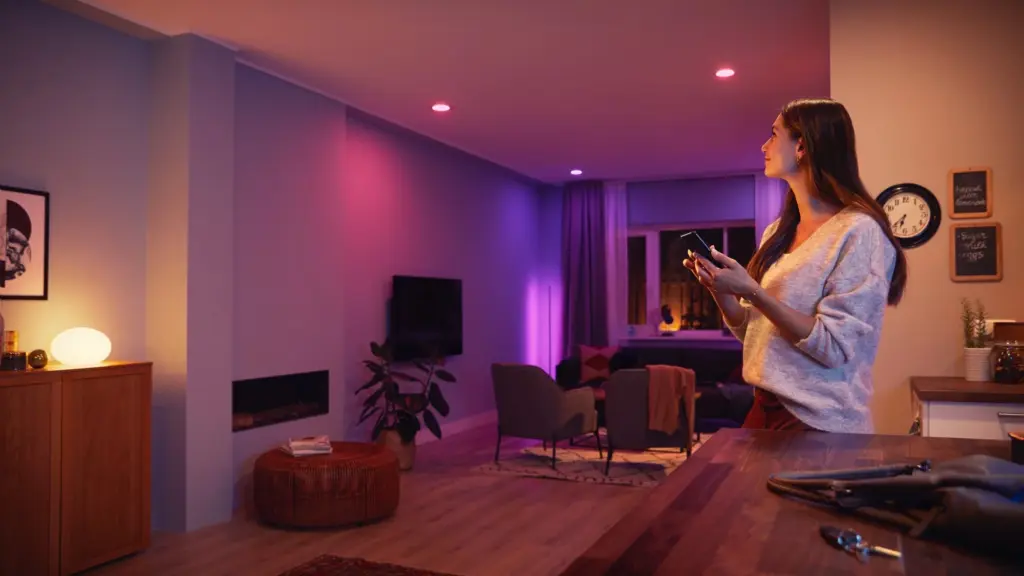
Homeowners experiencing these issues can either upgrade their wall switches to modern LED-compatible dimmers or opt for smart LED bulbs. Smart lighting alternatives feature built-in dimming controls managed via smartphone applications, bypassing legacy wall switches entirely and delivering smoother performance.

Quality Control Issues Can Be a Factor
Ultimately, manufacturing quality dictates how well an LED bulb handles all of the aforementioned operational stresses. While many manufacturers produce reliable diodes, some cut production costs by utilizing cheap drivers, subpar converters, and sloppy assembly techniques, which remain a primary driver of premature product failure.
When purchasing replacement lighting, sticking with reputable, established brands generally yields better reliability, even if it requires a slightly higher upfront investment. Rigorous testing by industry evaluators has consistently shown strong performance from major manufacturers in the smart and standard LED lighting space, offering consumers a clearer path toward long-lasting home illumination.