






For those who find themselves drawn to the moody, atmospheric allure of Gothic literature—where young governesses arrive at cliffside manors, only to find themselves entangled in the dark secrets of a wealthy, ancient family—the classic tropes of the genre are well-trodden ground. It is the stuff of Jane Eyre and The Turn of the Screw. Yet, one of the most compelling iterations of this specific brand of melodrama did not come from the annals of Victorian literature, but rather from a short-lived, ambitious 1991 television experiment.
Dark Shadows: The Revival, an NBC series that compressed the sprawling, multi-year mythology of the original 1960s daytime soap opera into a tight, 12-episode narrative, remains one of television’s most intriguing "what-if" stories. While the original series is legendary for its massive scale and cultural impact, the 1991 revival serves as the most accessible, polished gateway for modern audiences to enter the world created by horror pioneer Dan Curtis. Best of all, this forgotten gem is currently available to stream in its entirety for free on YouTube.
What is Dark Shadows about?
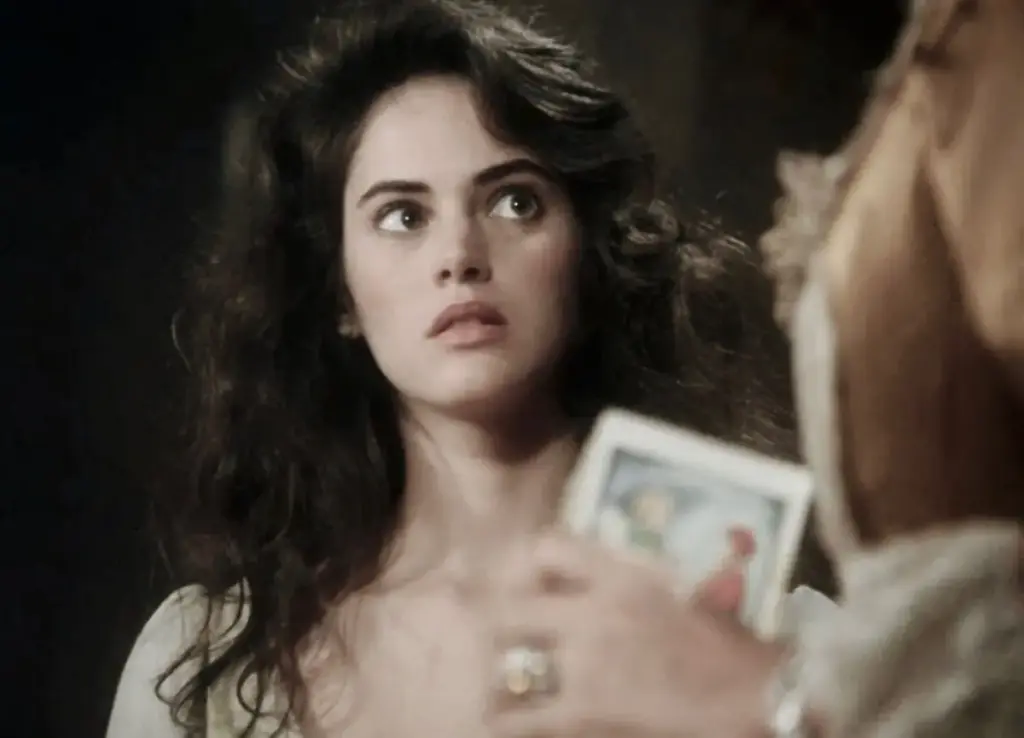
At its heart, the premise of Dark Shadows: The Revival is a masterclass in atmospheric tension. The story introduces us to Victoria Winters, played with a wide-eyed vulnerability by Joanna Going. Victoria is a young woman embarking on an uncertain journey, leaving her known life behind to accept a position as a governess in the isolated, windswept fishing town of Collinsport, Maine. Her destination is Collinwood, a sprawling, ominous manor perched precariously on a stormy cliff at the edge of the sea.


Collinwood is the ancestral home of the Collins family, a dynasty whose history is as thick and suffocating as the fog that perpetually blankets the coast. As Victoria settles into her new role, tasked with the care and education of a wealthy but troubled young boy, the narrative pivots sharply from a standard period drama into the realm of the supernatural. The peace of the estate is shattered when the local groundskeeper unwittingly awakens a malevolent force, setting into motion a series of events that threaten the safety of the entire town.
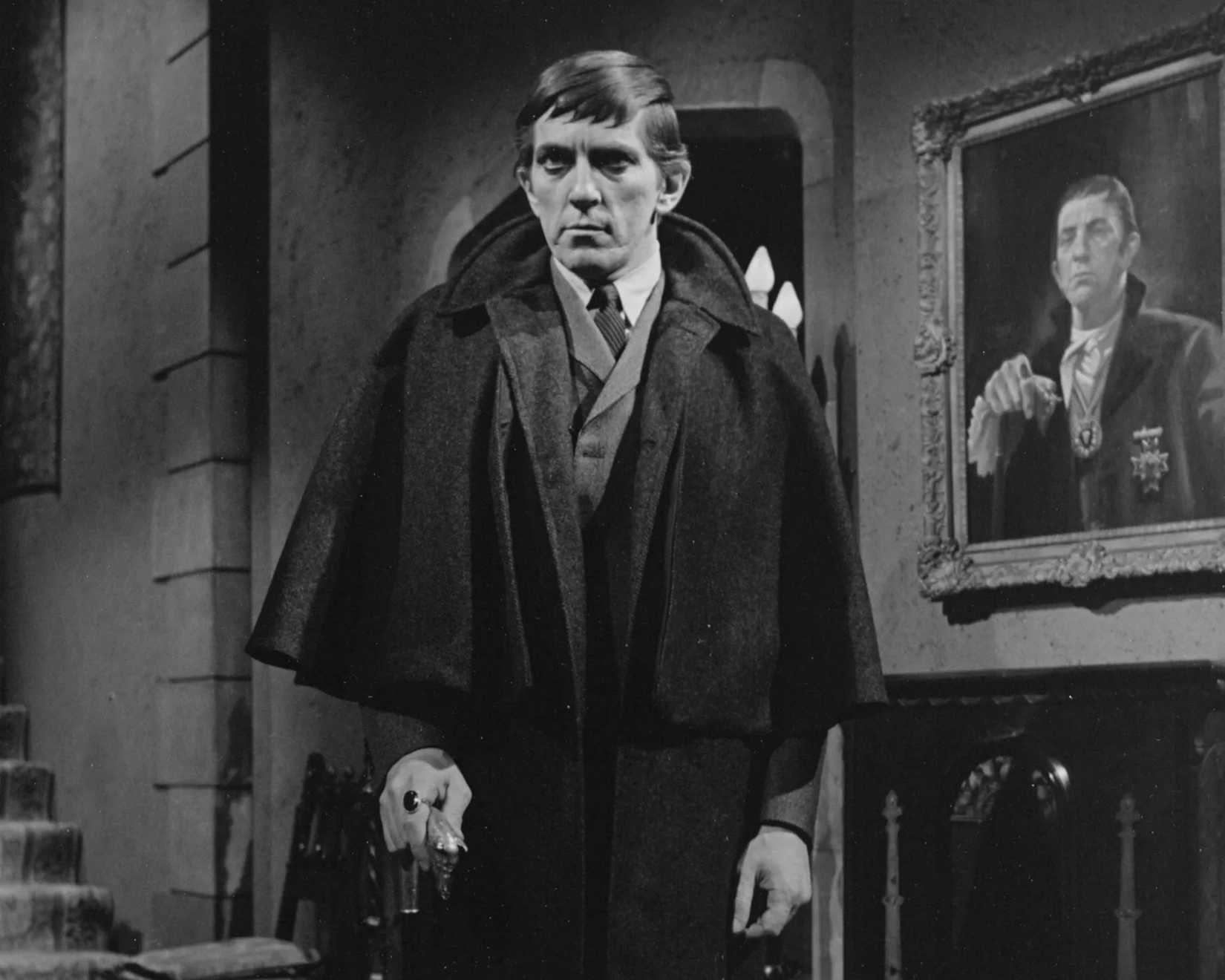
The catalyst for this chaos is Barnabas Collins, a character who has become one of television’s most enduring icons. Initially introduced as a 200-year-old vampire, Barnabas transformed the original Dark Shadows from a standard gothic soap into a genre-defining juggernaut. His legacy has spanned decades, influencing everything from novel tie-ins to Tim Burton’s 2012 feature film.
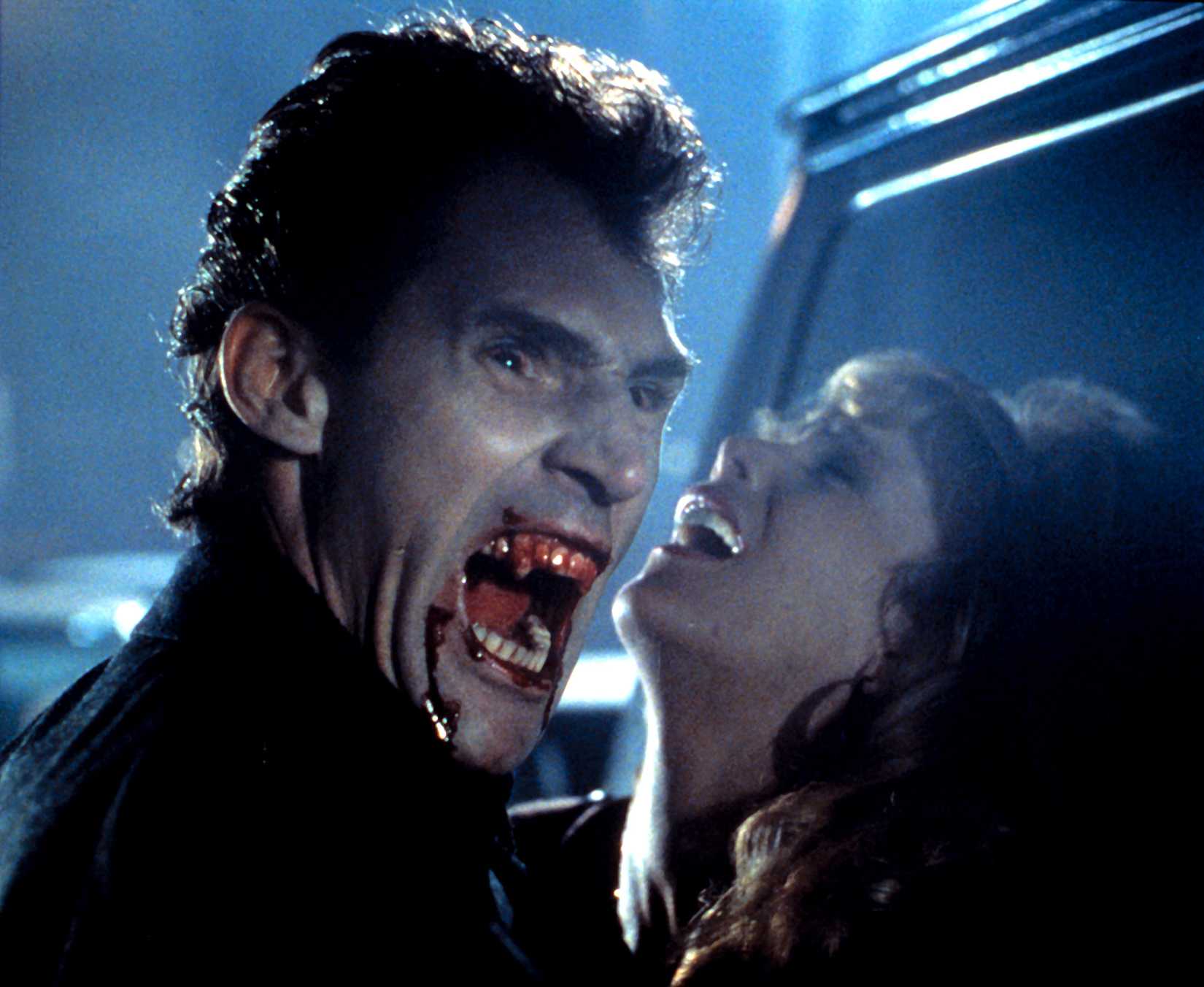
In the 1991 iteration, Barnabas—portrayed with a magnetic, cruel intensity by Ben Cross—arrives at the Collins family home under the guise of being a distant cousin from England. This deception allows him to infiltrate the family circle, using the safety of the manor to hide in plain sight while he prowls the night for new victims. Central to the conflict is his unexpected and haunting fixation on Victoria, who finds herself inexplicably drawn to the enigmatic visitor, unaware of the predatory nature lurking beneath his refined exterior.

A New Approach to a Soap Opera Classic
The original Dark Shadows, which aired on ABC throughout the late 1960s, holds a hallowed place in television history for pioneering the concept of "daytime horror." Before its arrival, the idea of incorporating supernatural elements into a daily soap opera was largely unheard of. The show was known for its daring, often experimental storytelling, introducing complex supernatural creatures that pushed the boundaries of what was considered acceptable for broadcast television.
However, the original show faced the inherent constraints of its format. Airing half-hour episodes five days a week for six seasons meant that the narrative was often padded with the slow-burn filler synonymous with the soap opera genre. Famously, the character of Barnabas Collins was not even part of the original conception; he was introduced nearly a year into the show’s run as a desperate, last-ditch effort to boost flagging ratings. The gambit worked, turning the series into a cultural phenomenon, but the pace remained sluggish by modern standards.
The 1991 revival approached the source material with a different philosophy. Dan Curtis, the visionary behind both the original and the reboot, recognized that the television landscape had evolved. He sought to distill the core essence of the Dark Shadows mythology—the forbidden romance, the blood-soaked history, and the supernatural dread—into a high-stakes, prime-time drama.
"The essential characters and relationships are the same, but the things they do are different," Curtis noted in a 1991 interview with The New York Times. "I thought I could rely on those old scripts, but I found that they were full of crazy plots that we couldn’t use. So all the incidents are different; we arrive at similar points through a much different route."
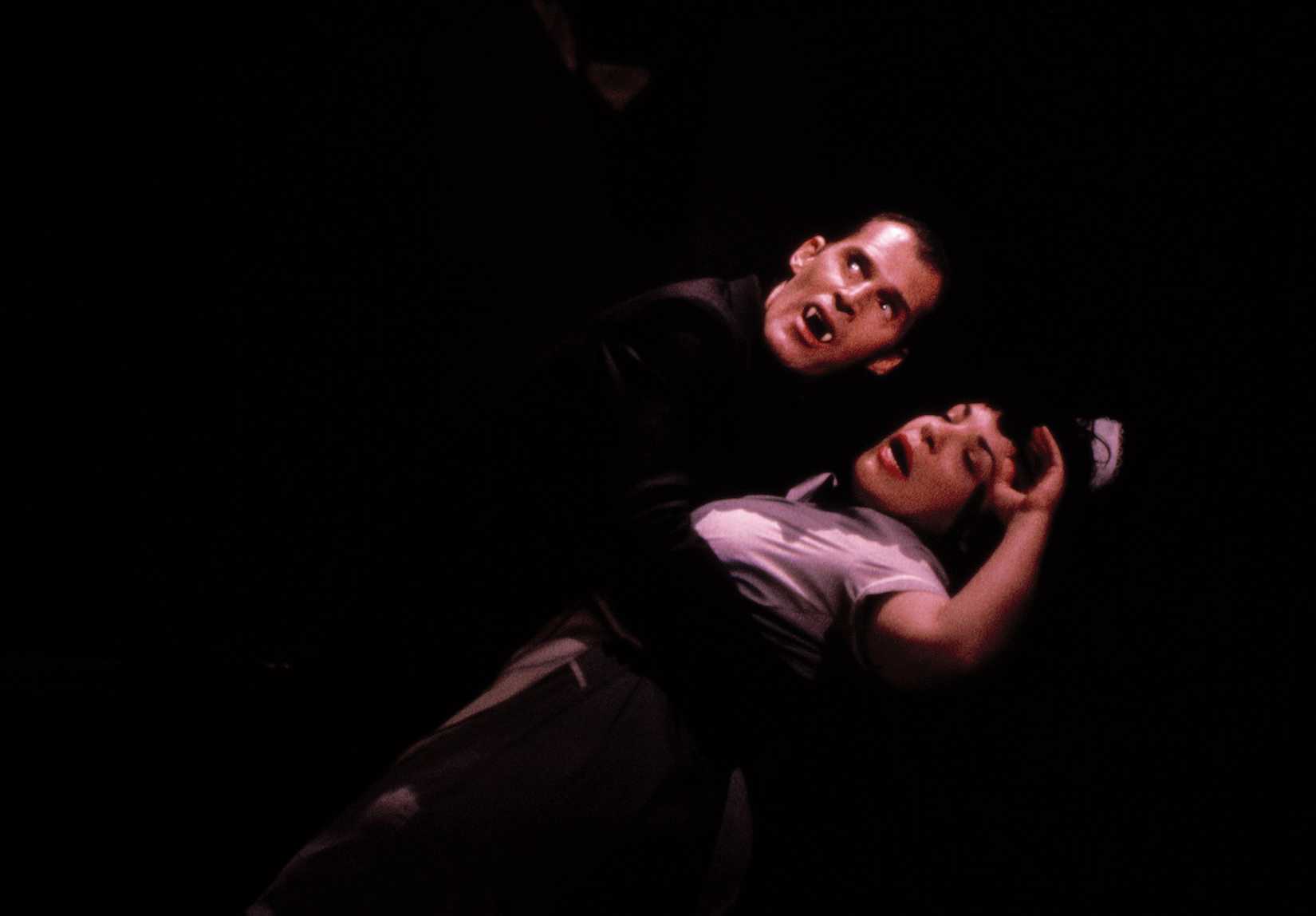
This structural shift allowed the revival to move at a breakneck pace. Where the 1960s Barnabas required months of slow-building mystery before his true nature was revealed, the 1991 version is hunting and biting locals before the very first commercial break. The fat has been trimmed, leaving behind a lean, muscular narrative that prioritizes suspense and atmosphere.
A Star-Studded Gothic Ensemble
Beyond its improved pacing, the 1991 revival boasts an impressively star-studded cast that brings a level of gravitas rarely seen in television dramas of that era. Ben Cross, having previously garnered critical acclaim for his performance in the Academy Award-winning Chariots of Fire, brings a Shakespearean tragedy to the role of Barnabas. He plays the vampire not as a cartoon villain, but as a deeply romantic, tortured, and ultimately cruel figure, creating a sense of genuine danger that was revolutionary for the time.
He is joined by a formidable roster of talent. Barbara Steele, a true icon of the horror genre known for her work in classics like Black Sunday and Castle of Blood, portrays Dr. Julia Hoffman. Steele’s performance is a highlight of the series; she plays the doctor as a sharp-witted, scheming intellectual who becomes obsessed with curing Barnabas, leading to a complex, volatile dynamic between the two.
The matriarch of the Collins family, Elizabeth Collins Stoddard, is played by the legendary Jean Simmons. A star of cinema classics such as Spartacus and Guys and Dolls, Simmons provides the necessary strength and regal authority to anchor the family’s descent into madness. Furthermore, the series features a young Joseph Gordon-Levitt in one of his earliest roles as David Collins. His performance as the troubled child is a poignant reminder of the caliber of talent the production managed to attract.
Blood, Witchcraft, and Time Travel
Dark Shadows: The Revival successfully navigates the complex web of Gothic tropes—witchcraft, curses, and bloodlines—within the framework of a modern serial. Its most daring creative swing is the inclusion of the series’ famous time-travel arc. During a tense, atmospheric séance, Victoria is unwillingly transported back to the year 1790.
This journey into the past serves as the narrative’s emotional anchor. It is through these flashbacks that the audience finally understands the origin of the curse that transformed Barnabas into a vampire, as well as the history of his doomed love for Josette—a woman to whom Victoria bears a striking, and perhaps karmic, resemblance. This storyline, which occupied roughly 100 episodes in the original 1960s run, is condensed here into six intense episodes, providing a concentrated dose of the show’s most iconic mythology.
The series was ultimately cut short due to external factors. The outbreak of the Gulf War led to constant news interruptions that shuffled the show’s broadcast schedule, causing a steady decline in viewership. Despite being canceled before it could fully explore its future, the revival manages to stick the landing. It concludes its primary arcs, offering a sense of closure to the story. Most importantly, it allows Victoria to complete her journey from an innocent, wide-eyed governess to the only individual in the manor who truly understands its dark, supernatural architecture.
In the 1960s, Dan Curtis spent hundreds of hours finding the tone and the voice of the Dark Shadows universe. By 1991, he had the experience and the resources to crystallize that vision into a single, cohesive season of television. It is a rare example of a revival that understands its predecessor while having the courage to evolve, making it a perfect, bite-sized entry point for those looking to experience one of horror television’s most enduring legacies.