







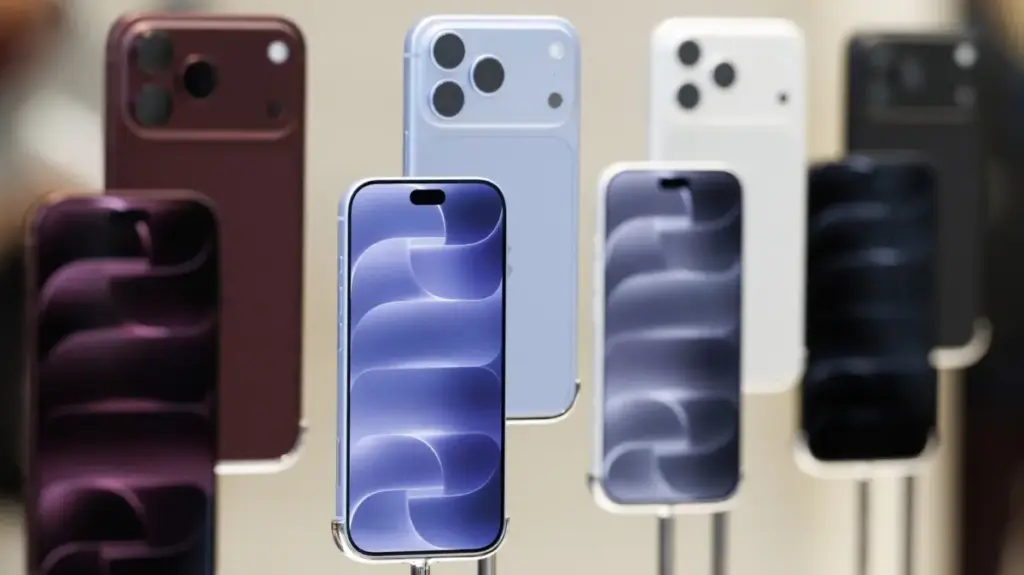
Apple has officially acknowledged a critical network connectivity issue currently impacting a specific segment of its user base: iPhone 18 Pro Max owners who subscribe to AT&T in the United States. Following a surge of reports from frustrated customers regarding sudden, permanent loss of cellular signal, the tech giant has confirmed the existence of a bug that renders affected devices unable to connect to the carrier’s network. While Apple has released software patches designed to prevent the issue from spreading, the company has confirmed that for those whose devices have already succumbed to the bug, a software fix is insufficient, necessitating a full hardware replacement.
The problem, which appears to be localized to the iPhone 18 Pro Max—the flagship model in Apple’s current lineup—manifests in a highly visible manner. Users who encounter the bug report that their device status bar stops displaying the familiar signal strength indicators, replaced instead by the "SOS" symbol. This status change indicates that the device has completely severed its connection to the cellular network, rendering the phone incapable of placing or receiving voice calls, sending text messages, or utilizing cellular data over 4G or 5G networks. For many users, this has resulted in an immediate and total loss of their primary communication device, sparking significant concern across various online support forums and social media platforms.
Understanding the Scope and Nature of the Issue
Apple has moved to reassure the wider user base that this technical failure is not a widespread pandemic across all iPhone 18 Pro Max devices. According to the company, the issue affects only a "small number" of users. Despite this, the severity of the malfunction has prompted a swift response from Apple’s engineering and support teams. The company issued a statement clarifying the situation, noting, "We have identified an issue affecting a small number of iPhone 18 Pro Max users on the AT&T network that may cause a device to lose service and be unable to make calls."
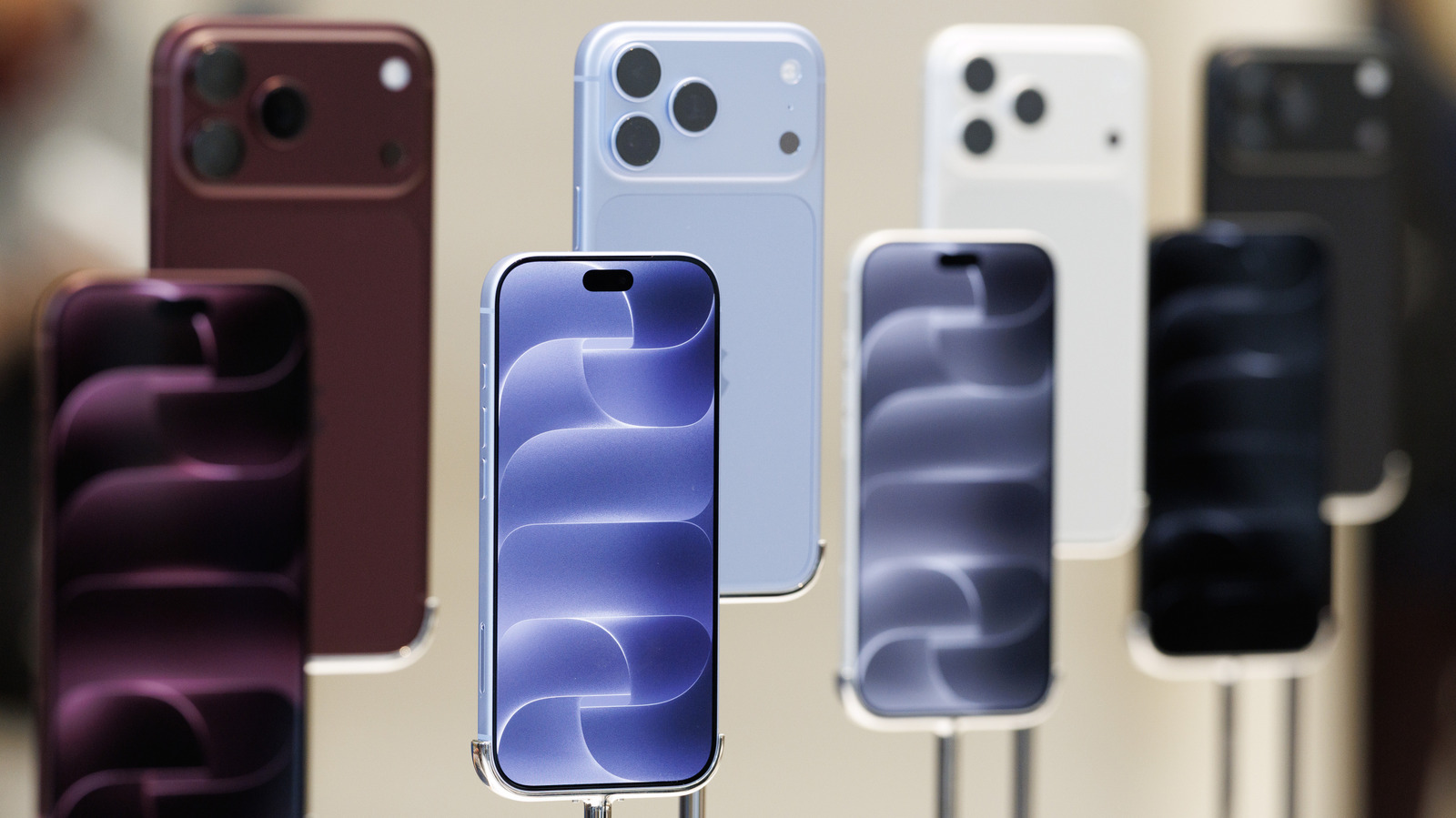
The timing of the discovery coincides with broader discussions regarding the hardware architecture of the iPhone 18 Pro Max. Notably, the iPhone 18 Pro Max remains the only device in the current domestic lineup to utilize a Qualcomm modem rather than the custom-designed silicon that Apple has been steadily transitioning toward across its hardware ecosystem. While industry analysts and observers have been quick to speculate on whether this specific hardware choice is the root cause of the incompatibility with AT&T’s network, Apple has not explicitly confirmed a link between the modem hardware and the software-side bug. Whether the issue stems from a handshake failure between the Qualcomm hardware and the carrier’s specific network configurations or a deeper firmware incompatibility remains a subject of ongoing investigation by the companies involved.
Remediation Efforts: Software Updates and Carrier Settings
In an effort to curb the spread of the bug, Apple has deployed a dual-layered update strategy. Earlier this week, the company released iOS 27.0.1, a software update specifically designed to address stability and connectivity concerns. Apple is strongly encouraging all iPhone 18 Pro Max users to download and install this version immediately. Furthermore, to complement the iOS update, Apple has issued a concurrent carrier settings update. These updates are intended to patch the vulnerability that leads to the signal loss, effectively acting as a preventative measure for devices that have not yet experienced the glitch.
For users currently using their iPhone 18 Pro Max without incident, the process to secure their device is relatively straightforward. Users are advised to navigate to the "Settings" application, select "General," and then tap "Software Update" to ensure they are running the latest version of iOS. Following the system update, users should verify their carrier settings. This can be done by returning to the "General" menu and selecting the "About" section. If an update is available, a notification prompt will typically appear automatically. If no such prompt appears, the user can safely assume that their device is already running the most current carrier configurations.
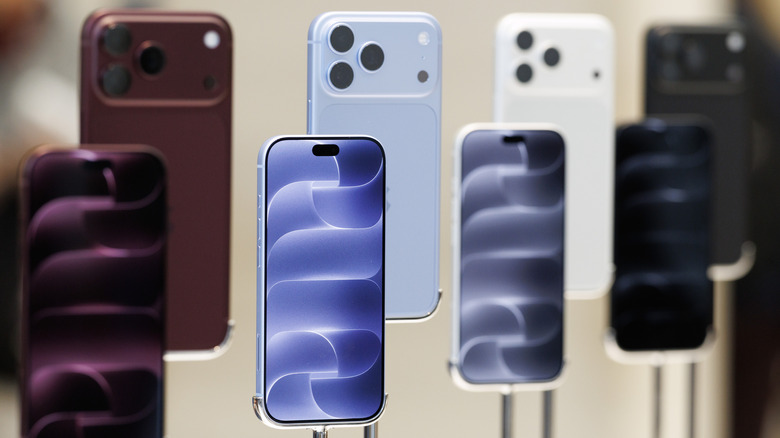
The Hardware Reality for Affected Users
While the software and carrier updates are effective for the general population of users, Apple has provided a sobering reality for those whose phones have already been disabled by the bug. The company’s internal testing and diagnostics have confirmed that once the device has entered this state of total signal loss, the damage to the connection protocol is permanent. In these instances, a standard software restoration or a factory reset will not restore cellular functionality.
For those whose status bars have already transitioned to the "SOS" symbol and remain there regardless of troubleshooting attempts, Apple has provided clear instructions: seek a hardware replacement. The company is directing affected customers to contact Apple Support directly or reach out to their AT&T retail representatives to initiate the warranty and replacement process. This admission underscores the severity of the bug, as Apple typically favors software-based solutions for connectivity issues whenever possible.
The situation serves as a stark reminder of the complexities involved in modern telecommunications, where a delicate interplay between hardware components, operating system code, and carrier network infrastructure must remain perfectly synchronized. For the majority of users, the provided software patches should effectively mitigate the risk. However, for the subset of customers whose devices have already been impacted, the focus now shifts to the logistics of hardware replacement and the recovery of their mobile services. Apple continues to monitor the situation closely, working in coordination with AT&T to ensure that the disruption to service remains limited and that the necessary support channels are equipped to handle the influx of replacement requests. As the rollout of the software patches continues, the industry will likely be watching to see if this incident impacts the long-term relationship between Apple’s hardware specifications and the specific modem technologies employed in its high-end devices. For now, the priority remains the restoration of service for those left without a connection.