








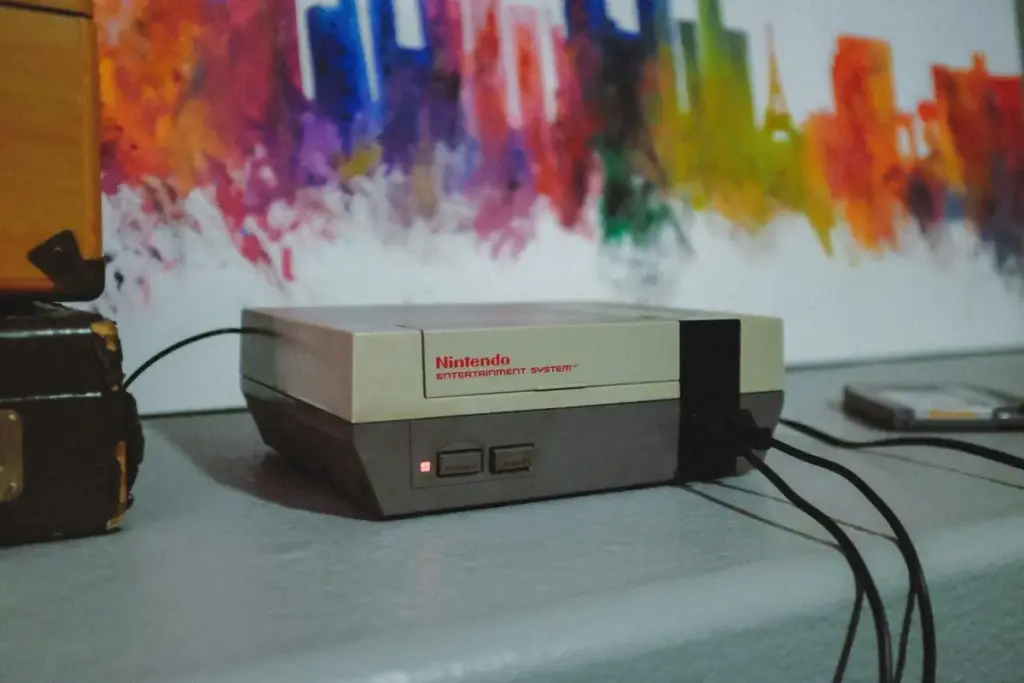
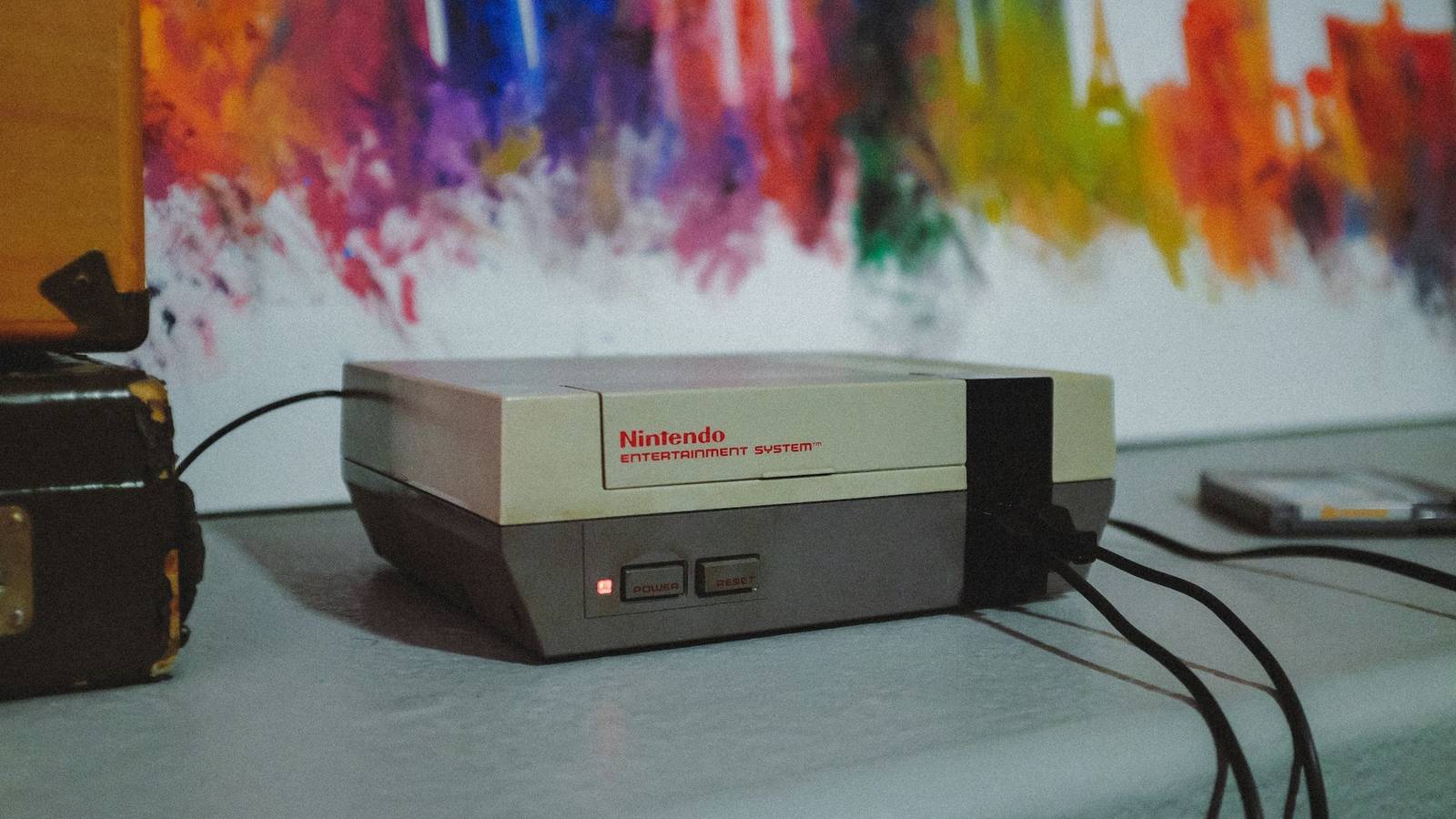
The Nintendo Entertainment System (NES) stands as the undeniable pillar of modern gaming history. Often credited with single-handedly rescuing the home console industry from the brink of collapse in the late 1980s, the hardware served as the playground for some of the most influential titles ever conceived. Today, the Nintendo Switch Online service provides a robust portal into this golden age, offering subscribers instant access to a curated library of legendary hits and hidden gems. Yet, for all its successes, the service remains incomplete. Even with a growing catalog, dozens of fantastic titles that defined the era remain absent, locked away in licensing limbo or simply overlooked. As players continue to clamor for a more comprehensive digital museum, here are 10 essential NES classics that deserve a spot on the platform as soon as possible.
Paperboy
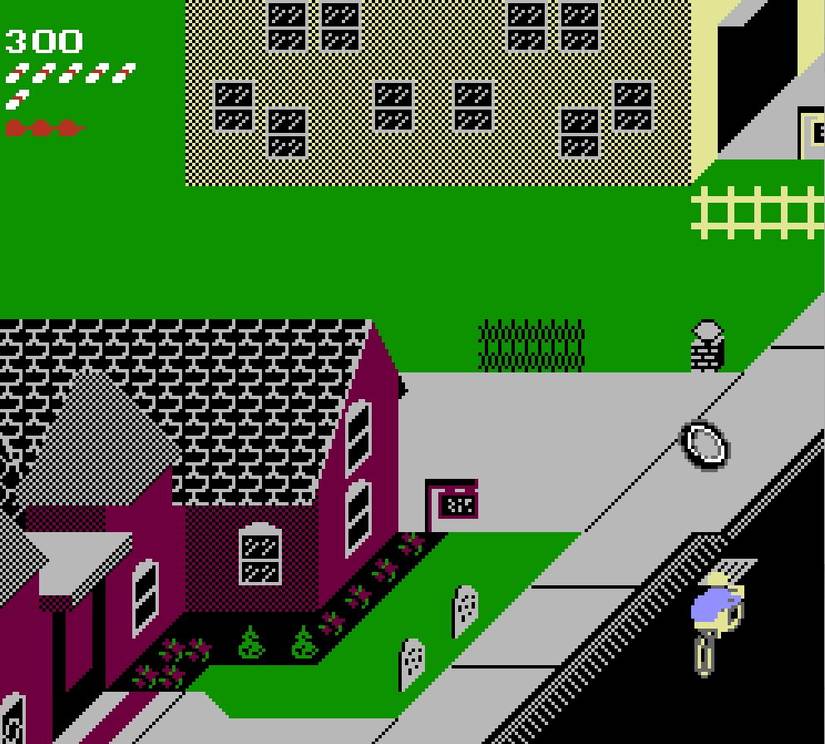
Released in December 1988, Paperboy was a staple of the arcade era that found a surprisingly cozy home on the NES. While the console version featured more muted colors and simplified visuals compared to its arcade counterpart, the port was a masterclass in adaptation, perfectly aligning with the system’s hardware capabilities. The gameplay loop—delivering newspapers to loyal subscribers while causing minor suburban chaos for those who didn’t—provided the perfect weekend distraction. Between the high-stakes navigation of its obstacle-filled routes and the challenging, risky training courses, Paperboy offered an addictive, arcade-style rhythm. It remains a prime candidate for a modern revival, serving as a reminder of how tight, minimalist design can create an experience that is both simple to learn and difficult to master.

Kiwi Kraze
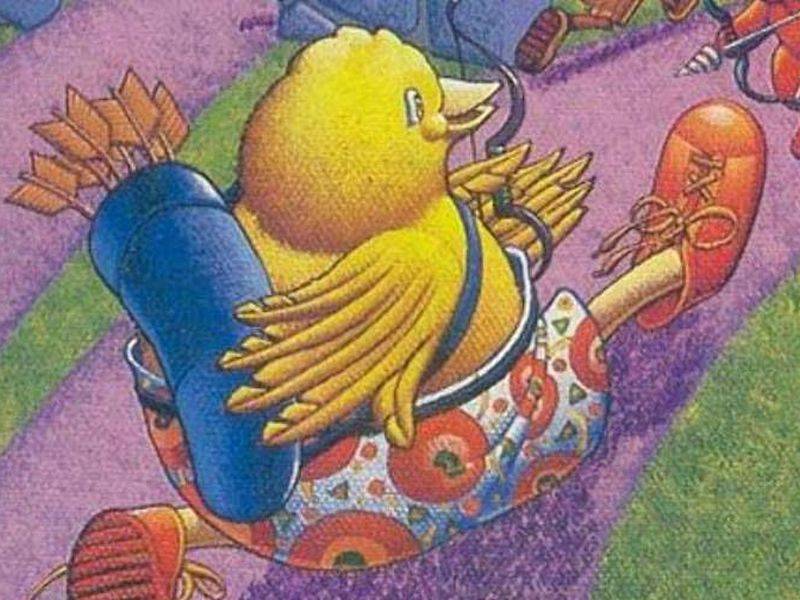
Taito’s output during the NES years was nothing short of legendary, yet many of their finest contributions have yet to find a permanent home on modern Nintendo hardware. Kiwi Kraze, a port of the beloved arcade title The New Zealand Story, is a testament to the company’s creative design. Players take control of a kiwi bird, navigating through a vibrant zoo world while utilizing balloons, bows, and laser guns to combat a menagerie of bizarre monsters. The game is known for its surprising depth, featuring complex hidden warps, temporary power-ups, and perilous environmental hazards like deep water and spiked walls. Its punishing difficulty is tempered by a wealth of secrets, making it an endlessly replayable experience that would feel right at home on the Switch.
Adventure Island 3
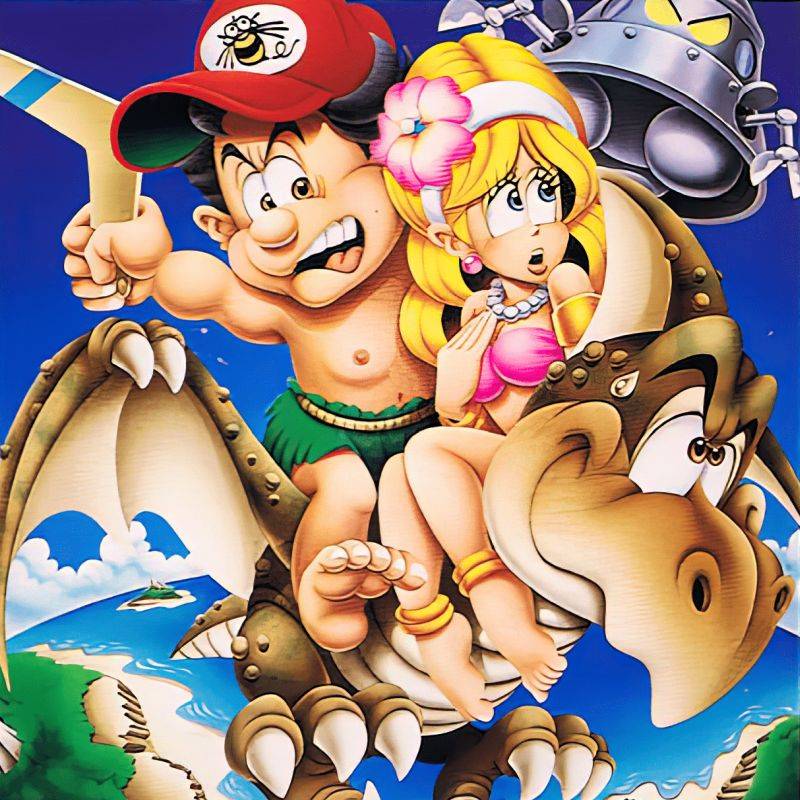
The Adventure Island series remains one of the most recognizable legacies of Hudson Soft, the publisher that would later go on to define party gaming with Mario Party. Master Higgins, the franchise’s iconic, shirtless protagonist, became a symbol of difficult, fast-paced platforming. Adventure Island 3, released in July 1992, represented a refinement of the series’ core mechanics, introducing varied terrain and the iconic fruit-gathering system that kept players on their toes. Despite the series’ popularity, the third installment—along with its unlocalized fourth successor—never made the jump to previous digital storefronts like the Wii or Wii U Virtual Console. Bringing this tropical trek to Switch Online would be a long-overdue victory for fans of classic platformers.
Destiny of an Emperor
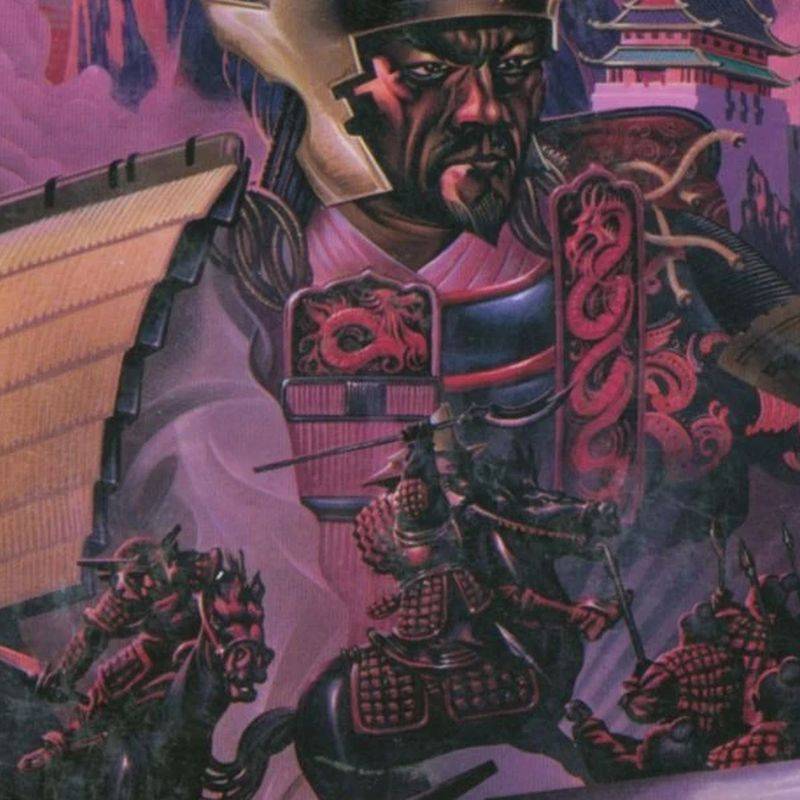
While Capcom is better known for its action franchises, Destiny of an Emperor proved the company had a knack for deep, strategic RPGs. Released in May 1989, the game tackled the epic scale of the Chinese classic Romance of the Three Kingdoms. Though it may have been overlooked during its initial release, those who played it discovered a remarkably deep experience centered on the struggle to rid China of bandit brigades. With its vast, explorable world and tactical, group-based combat, the game served as a precursor to the genre’s evolution in the following decades. Given the enduring popularity of historical RPGs, a revival of this title would be a welcome addition for fans seeking a slice of history.
The Battle of Olympus
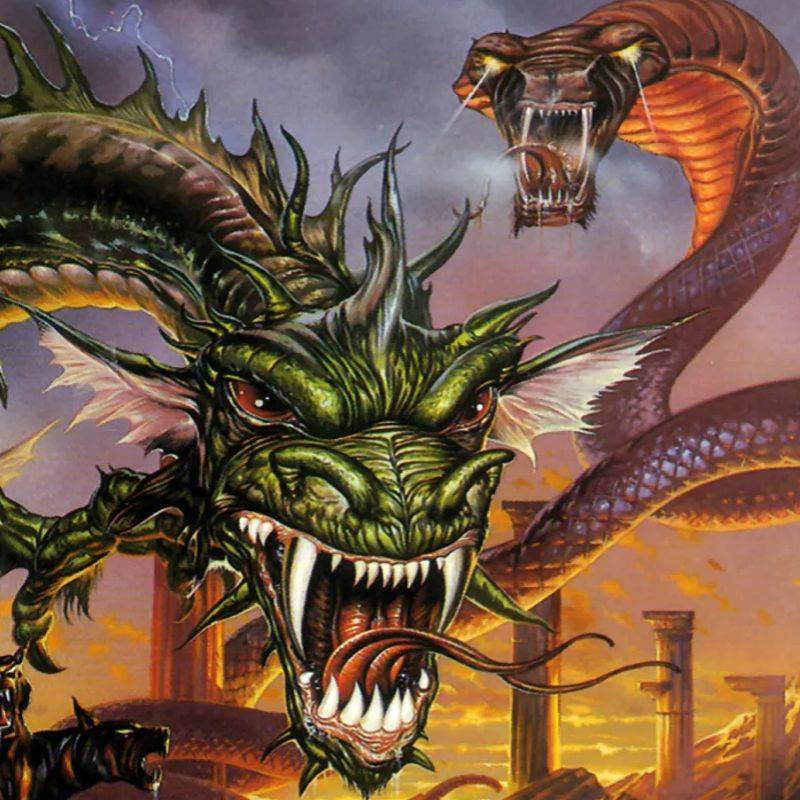
The debut title from the prolific developer Infinity, The Battle of Olympus is a shining example of a forgotten gem. Published by Broderbund in North America, this mythological odyssey tasks the hero, Orpheus, with rescuing his lover, Helene. By traversing ancient Greece and utilizing a variety of weapons and magical abilities, players engaged in a quest that felt both grand and intimate. Its gameplay shared DNA with Zelda II: The Adventure of Link, emphasizing action-heavy combat and platforming within a sprawling, interconnected world. With a modern remake currently in the works for other platforms, now is the perfect time for Nintendo to secure the rights to the original, allowing a new generation to experience the title that launched a studio’s career.
Bubble Bobble Part 2
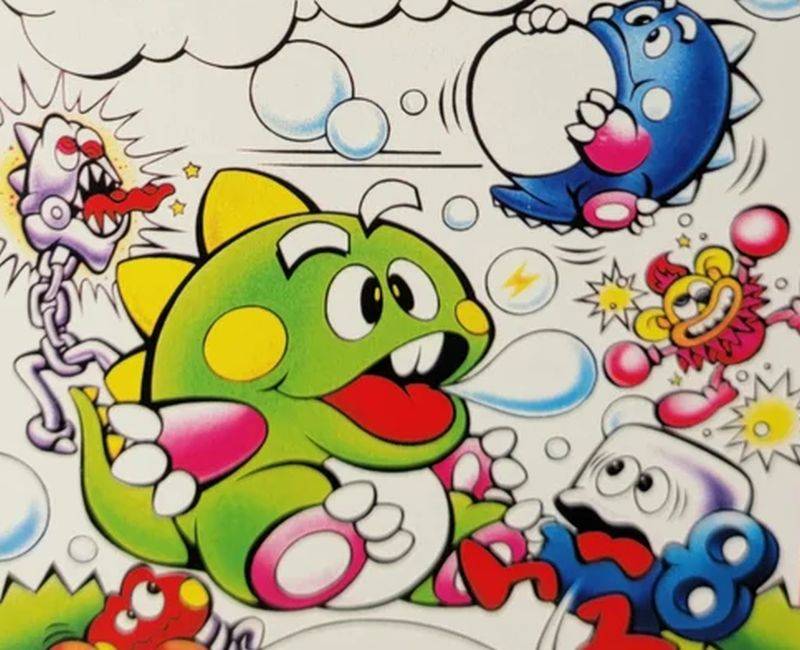
Bubble Bobble is widely considered one of the 35 greatest NES games of all time, a masterpiece of single-screen design. However, while the original is relatively easy to find, the sequel—released in August 1993—is a rare and expensive collector’s item. The sequel expanded on the core formula of bubble-blowing dinosaurs and stage-clearing action, adding improved multiplayer support and more polished, vibrant aesthetics. Because of the physical scarcity of the original cartridge, a digital release on Nintendo Switch Online would be the most effective way to preserve this piece of gaming history and allow players to experience the full evolution of the series without the burden of an exorbitant price tag.
Princess Tomato in the Salad Kingdom
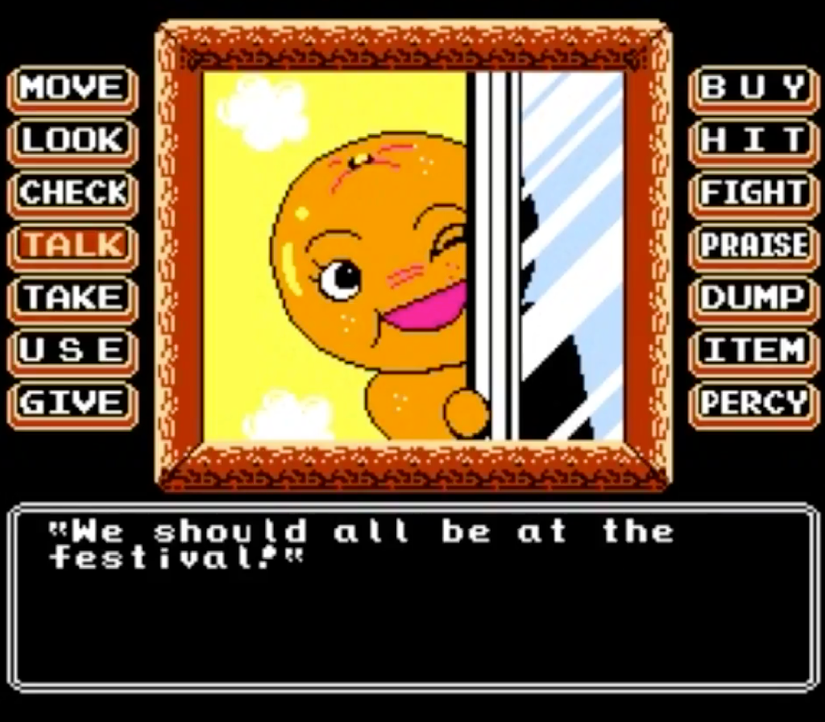
If you are looking for something truly unique, look no further than Princess Tomato in the Salad Kingdom. This Hudson Soft title is a whimsical, menu-driven adventure that tasks players with navigating a world entirely populated by talking produce. As the heroic Sir Cucumber, the player must embark on a quest to rescue Princess Tomato from the clutches of the treacherous Minister Pumpkin. Its interface, which mirrors a text-based adventure, provides a distinct flavor that stands out against the action-heavy library of the NES. Having previously graced the Wii’s Virtual Console, this title is currently locked behind the wall of defunct services, making it a perfect candidate for a return to modern play.
Faxanadu
Faxanadu is frequently cited by enthusiasts as one of the most atmospheric and rousing adventures to ever grace the NES. As an early progenitor of what we now call the Metroidvania format, it combined sidescrolling action with robust RPG elements to tell a dark, compelling story. Developed by Hudson Soft as a spinoff of Falcom’s Dragon Slayer series, the game follows a wanderer returning to his hometown only to find it in ruin, plagued by a conflict between elves and dwarves. The scale of its world and the depth of its mechanics made it a standout title, and its potential return to a modern service would be a massive win for fans of classic exploration-based action.
Shadowgate
The NES was home to a variety of experimental genres, and none were quite as intense as the point-and-click adventure Shadowgate. Developed by ICOM Simulations and ported by Kemco, the game challenged players to survive the horrors of a crumbling, monster-filled castle. It was a game of trial and error, where the wrong choice could result in an abrupt end, requiring players to utilize the system’s battery-save feature to make any headway. The game’s dark fantasy art style and constant sense of dread made it a recurring topic in the pages of Nintendo Power. While the Shadowgate brand has seen modern revivals elsewhere, nothing quite captures the specific, punishing magic of the original NES release.
Bionic Commando
Rounding out the list is a title that completely reimagined the platforming genre through a single mechanical hook: the grappling arm. Capcom’s Bionic Commando replaced the traditional jump with a tethering system that forced players to master momentum and positioning. This design choice turned every level into a tactical puzzle. The North American version, with its altered plot and iconic imagery, became a cultural touchstone of the late 80s. Despite the franchise having seen various reboots and remakes in the years since, the original NES game remains the definitive experience for many. By bringing the original Bionic Commando to the Switch Online service, Nintendo would provide a vital link back to one of the most innovative and enduring action games of the 8-bit era.