For the modern writer, the mechanical keyboard has transcended its status as a mere peripheral to become an essential instrument of the trade. While the ubiquitous membrane keyboards bundled with pre-built desktop computers or integrated into sleek laptops are functional, they rarely offer a sensory experience. In contrast, a well-engineered mechanical keyboard can transform the often-tedious, repetitive task of typing into an aesthetically pleasing and deeply satisfying tactile ritual. It is, for many, a necessary indulgence for those who spend the vast majority of their professional lives tethered to a desk.
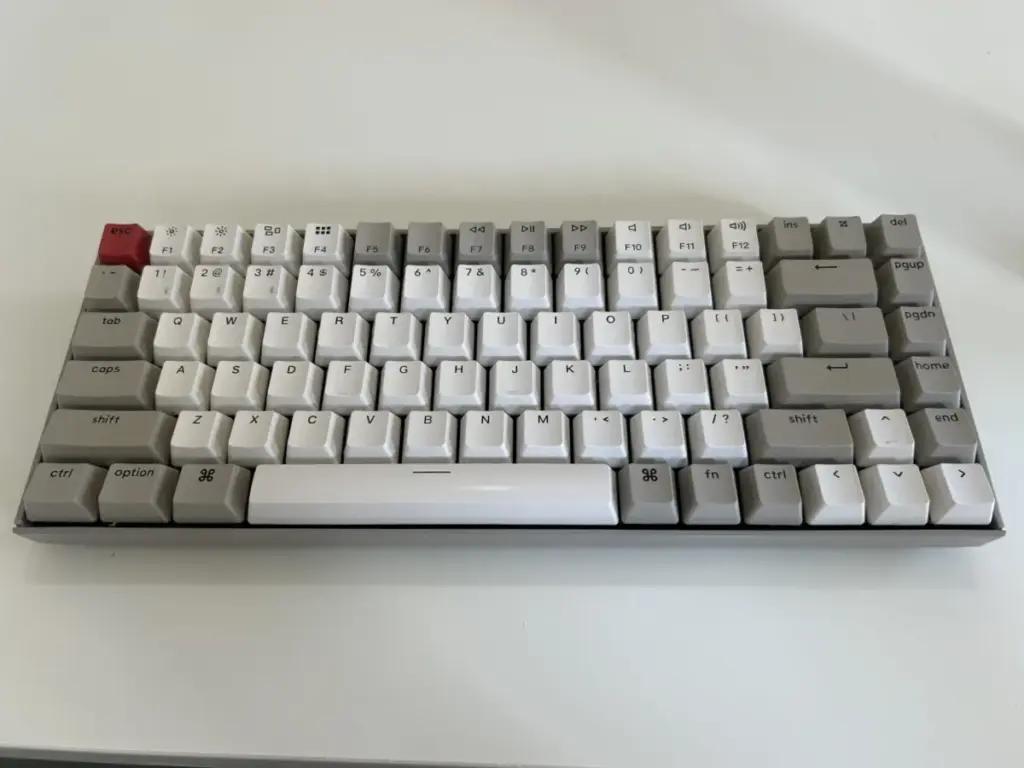
My own journey into this world began roughly two years ago when I acquired a Keychron K2. Since that initial purchase, I have never felt the desire to return to standard, low-profile alternatives. This sentiment is shared by an growing community of professionals, writers, and enthusiasts who have gravitated toward mechanical switches as a way to reclaim agency over their workspace ergonomics and personal productivity.
Keychron, the company behind my daily driver, has emerged as one of the most prominent and influential brands within the mechanical keyboard industry. The company’s trajectory is a classic modern success story; it launched via a Kickstarter campaign in 2017, promising a blend of high-quality components and accessible pricing. By successfully bridging the gap between enthusiast-grade custom builds and consumer-ready hardware, Keychron managed to capture a significant market share. In the years since its inception, the company has aggressively expanded its catalog, producing dozens of keyboard iterations, specialized keypads, and a variety of ergonomic mouse models.

Unlike many complex pieces of modern electronics that require drivers, software suites, and constant firmware updates, the beauty of a mechanical keyboard lies in its relative simplicity. The barrier to entry is remarkably low. Unboxing a device like the K2 is a straightforward affair: you set the board on your desk, adjust the built-in tilt legs to achieve a more ergonomic typing angle, and connect it to your machine. From that point, the user is presented with a choice of connectivity. The K2, for instance, supports a traditional USB-C wired connection for reliability, but also features Bluetooth, which is an essential option for those who prioritize a clean, minimalist desk setup devoid of cable clutter.
While I remain loyal to my aging K2, the landscape of available hardware has evolved significantly over the last two years. Keychron has not rested on its laurels, releasing a wide array of new models that cater to varying budgets, aesthetic preferences, and feature requirements. This rapid iteration cycle has resulted in a diverse lineup that ranges from entry-level boards priced around $60 to premium, bespoke-feeling devices that push into the $200 territory.
One of the most compelling aspects of the modern mechanical keyboard market is the focus on form factor and material design. For example, the recently released Keychron K8 HE Wireless Magnetic Switch Custom Keyboard serves as a testament to this evolution. Featuring an all-wood body and sophisticated LED backlighting, it occupies a different tier of luxury compared to the utilitarian design of the K2. While the price difference—roughly $200 for the special edition versus $60 for the base model—is significant, it highlights a trend toward treating the keyboard as a piece of office furniture or a statement piece rather than a disposable commodity.
The market has also seen a diversification in terms of utility. For the gaming community, specialized hardware is often a requirement rather than a luxury. Keychron’s C0 HE One-Handed 8K Keyboard is a prime example of this, offering a compact, industrial-aesthetic keypad engineered specifically for high-speed, high-performance gaming. However, the popularity of these niche devices is such that demand often outstrips supply; currently, the C0 HE is sold out, underscoring the intense interest in dedicated gaming peripherals.
Beyond these specific models, Keychron has systematically updated its core product lines—the K, Q, and V series. These updates have introduced improvements in build quality, switch hot-swappability, and connectivity, with prices typically falling between $100 and $200 depending on the specific configuration and feature set.
A primary driver of the mechanical keyboard’s enduring appeal is its inherent versatility. Unlike traditional membrane keyboards, which are essentially static devices, a mechanical board is modular by design. Users can swap out keycaps to suit their visual preferences, choosing from a wide array of profiles, materials, and colorways. This has given rise to a robust submarket where enthusiasts can purchase artisan caps or even manufacture their own custom designs. While some users go to great lengths to personalize every aspect of their board, even casual users can appreciate the ability to refresh the look and feel of their hardware without needing to purchase an entirely new device.
Then, there is the auditory experience. While some office environments or shared living spaces might balk at the accentuated, rhythmic clacking of a mechanical board, for many, the sound is a critical selling point. The distinct, satisfying “thock” or “click” produced by these switches provides auditory feedback that signals successful keystrokes, contributing to a more rhythmic and focused flow state. This phenomenon has become so culturally significant that it has found a dedicated home in the world of ASMR (Autonomous Sensory Meridian Response) videos, where the crisp, mechanical sounds of typing are recorded and shared as a form of sensory comfort.
For me, however, the most profound draw of the Keychron line is its retro-inspired form factor. There is a palpable sense of nostalgia associated with old-school electronics, and these keyboards effectively capture the aesthetic of a bygone era of computing. They evoke a time when hardware was designed to be functional, sturdy, and unapologetically "workman-like," rather than the hyper-minimalist, sleek, and often anonymous designs that dominate the current tech landscape.
Investing in a piece of hardware that feels substantial and looks like it was plucked from a high-end office in the 1990s is more than just a purchase—it is an attempt to introduce a sense of character into a digital workspace. As far as home office upgrades go, replacing a standard, uninspired keyboard with a device that encourages a better typing experience and adds a touch of retro charm is a worthwhile endeavor. It turns the desk into a place not just for labor, but for a more intentional and tactile engagement with the work itself.
Ultimately, while a mechanical keyboard is by no means a mandatory piece of hardware for the average computer user, its impact on the daily routine of a professional who spends hours at a screen cannot be overstated. By prioritizing build quality, tactile feedback, and a design language that honors the history of computing, companies like Keychron have helped cement the mechanical keyboard as a staple of the modern, professional home office. It is a bridge between the past and the present, offering a tangible, satisfying way to navigate the digital world.