







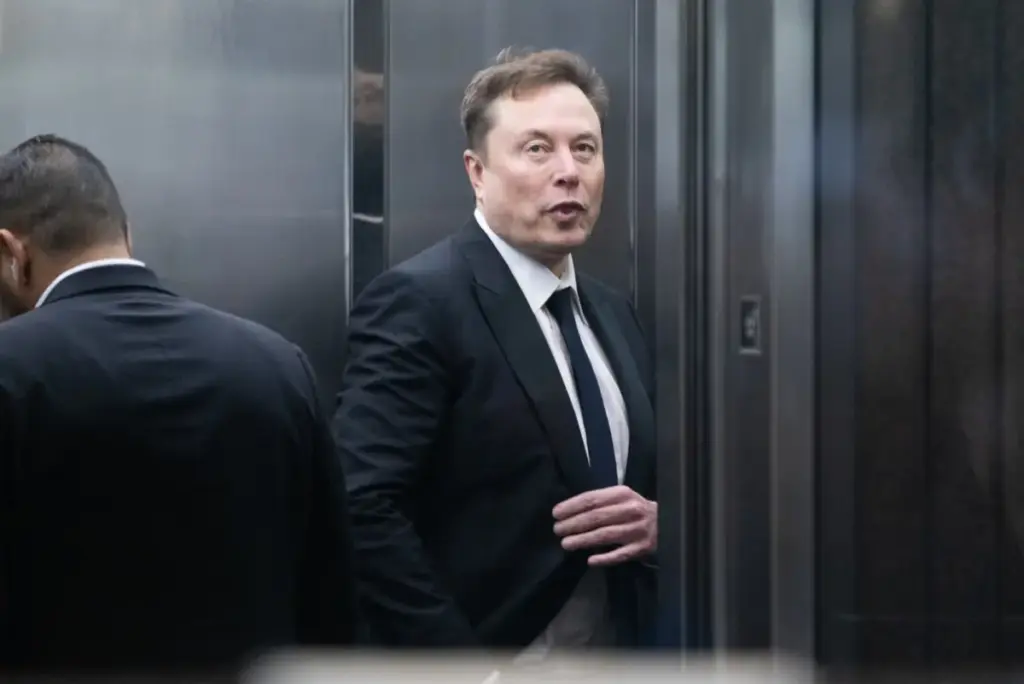
Elon Musk has once again turned his attention toward the ambitious promise of high-speed underground transit, suggesting that his infrastructure firm, The Boring Company, is currently developing a “simple precursor Hyperloop” designed to connect the Texas cities of Austin and San Antonio. The proposed project, which Musk claims could reduce travel time between the two metropolitan hubs to less than 30 minutes, marks a significant shift in focus for the entrepreneur, who has recently seen a massive influx of capital into his tunneling ventures.
The announcement originated on the social media platform X, where Musk responded to a vision of the future that included human colonies on other worlds. In a characteristic display of grand ambition, Musk re-posted an AI-generated video depicting a science-fiction-inspired future, declaring, “This is the future we shall bring into being.” Following this, he pivoted to his more terrestrial aspirations, specifically mentioning the Texas transit corridor. The Boring Company’s official account quickly echoed the sentiment, stating that it “would be excited and honored to build this massive infrastructure project.”
For residents of the Central Texas corridor, the prospect of a 30-minute commute between Austin and San Antonio is a tantalizing one. Currently, the journey—often plagued by heavy traffic along Interstate 35—can take significantly longer depending on the time of day and road conditions. However, the announcement has prompted a familiar mix of excitement and skepticism among transportation experts and industry observers, given the checkered history of The Boring Company’s previous high-profile proposals.

A Pattern of Ambition and Stalled Projects
While the allure of the Hyperloop—a concept Musk popularized years ago involving pods traveling through low-pressure tubes at near-supersonic speeds—remains a cornerstone of his futuristic vision, the reality of The Boring Company’s track record is more complex. The company has, in the past, generated significant headlines with proposals for massive underground networks in cities like Chicago, Los Angeles, and a high-speed link between New York City and Washington, D.C.
Despite the initial fanfare surrounding these projects, many have failed to materialize or have been quietly shelved. Critics frequently point to these stalled initiatives as evidence that the practical engineering and regulatory hurdles of tunneling are far more formidable than Musk’s initial pitches often suggest. The difficulties of obtaining permits, navigating complex urban geography, and managing the astronomical costs of large-scale civil engineering have historically acted as a reality check for the company’s boldest claims.
Yet, there are signs that the company is entering a new phase of operational viability. The Boring Company currently operates a functional transportation system in Las Vegas, which utilizes a network of tunnels and surface routes to ferry passengers in vehicles. While it lacks the extreme speed of the original Hyperloop concept, the system serves as a proof-of-concept for the company’s ability to move people underground. Furthermore, the company’s recent financial standing has never been stronger. In early September 2026, The Boring Company successfully closed a $3 billion funding round led by investors from the United Arab Emirates, providing a massive war chest that may be intended to fuel these new, more localized transit ambitions in Texas.
The Sci-Fi Influence on Modern Infrastructure
The timing of Musk’s announcement, tethered to a response about a speculative, science-fiction vision of the future, has reignited a debate regarding his leadership style and the philosophical underpinnings of his ventures. Critics have long argued that Musk’s roadmap for humanity is heavily influenced by the tropes of pulp science fiction and comic books—a narrative that prioritizes the “cool factor” and utopian ideals over the gritty, incremental work of traditional urban planning.

This critique has gained traction among academics and historians who monitor the intersection of technology and public policy. Jill Lepore, a prominent historian, has expressed concerns about the influence of tech leaders who may be drawing their inspiration from sources that do not necessarily align with the democratic or practical requirements of modern society. In recent discussions, Lepore suggested that many leaders in the tech industry act as “bad readers,” consuming science fiction in a way that ignores the nuanced warnings embedded in those stories, instead focusing only on the aesthetic of a technological future that often contradicts their own stated political and social beliefs.
For Musk, however, the synthesis of speculative fiction and engineering is precisely the point. By framing the Austin-to-San Antonio project as a “precursor” to a larger, more transformative vision, he manages to keep the focus on long-term innovation even while the company navigates the immediate challenges of modern construction.
The Path Forward for Texas Transit
The feasibility of an Austin-to-San Antonio tunnel remains a subject of intense speculation. Texas, with its rapidly growing population and increasing strain on existing transit infrastructure, presents a unique testing ground for such a project. State and local officials have previously expressed interest in high-speed rail and other advanced transit options to connect the major cities of the “Texas Triangle,” but past efforts have often hit political or financial dead ends.
Whether The Boring Company can succeed where other, more traditional transit projects have struggled depends on a variety of factors, including local zoning laws, environmental impact assessments, and the company’s ability to prove that its tunneling technology can operate at scale without the budget overruns that have plagued similar endeavors in the past.
The recent $3 billion cash infusion from the UAE suggests that international investors are betting on the company’s potential to overcome these hurdles. With this capital, the firm is likely to face increased pressure to deliver tangible results rather than just conceptual renderings. The “precursor Hyperloop” may represent a shift toward more achievable, albeit still highly ambitious, infrastructure goals that allow the company to demonstrate value to local governments and stakeholders.
As the news of the proposal continues to circulate, both supporters and detractors are watching closely to see if this latest initiative will follow the path of the previously abandoned tunnel networks or if it will become the next major pillar of Musk’s transportation empire. For now, the prospect of a high-speed underground link between two of Texas’s most important cities remains a bold, yet unproven, promise—a hallmark of the Musk approach that continues to define the modern tech landscape. Whether this project can transition from a social media post to a shovel-ready reality remains the defining question for the future of The Boring Company.