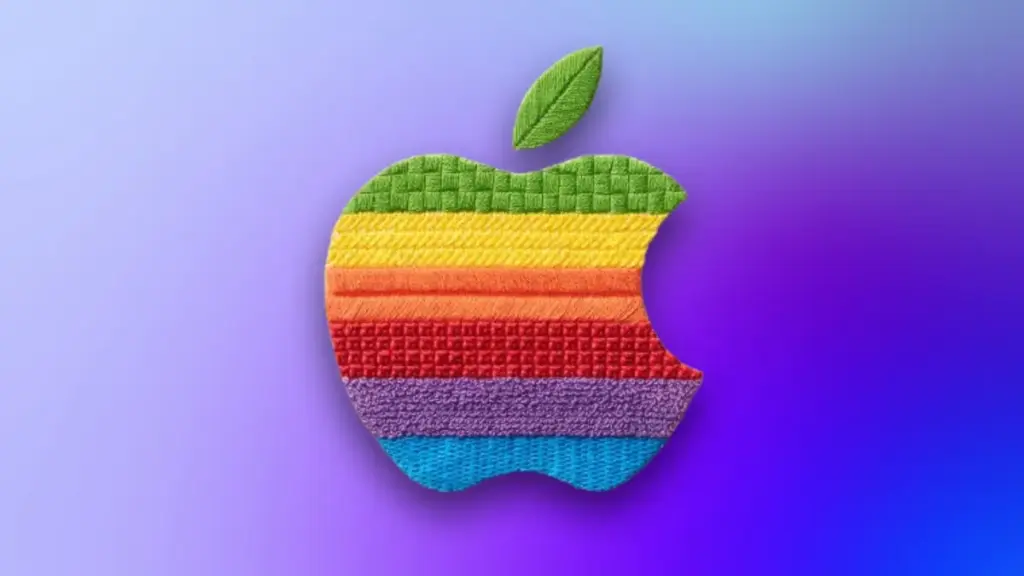
Apple has officially confirmed its upcoming "Welcome Home" special event, scheduled for Tuesday, setting the stage for what industry insiders anticipate will be a massive strategic push into the residential technology sector. Invitations featuring a distinctive rainbow-colored Apple logo went out to media outlets on Thursday, sparking widespread speculation across the consumer technology landscape. With the event, Apple is poised to introduce Siri and its overarching ecosystem into the home tech space in entirely new ways, setting up a high-stakes competitive clash with established market leaders like Amazon, Google, and other major smart home players.
Over the past several weeks, industry reports, insider supply chain claims, and potential leaks have steadily accumulated, painting a picture of an imminent shake-up for home security, connected devices, and the practical application of Siri AI. While Apple has traditionally approached the smart home market through foundational frameworks like HomeKit and peripheral products like the Apple TV and HomePod, current indicators suggest a much more cohesive, hardware-driven assault on the category.
A Siri Smart Display at Last
For more than a year, rumors have circulated that Apple is actively preparing a Siri-focused smart display hub for the home. While sometimes referred to informally as a HomePad, the final branding remains unconfirmed. This upcoming display is expected to lean heavily on advanced Siri AI capabilities, directly challenging dedicated smart displays like Amazon’s Echo Show line and the Google Nest Hub series by functioning as a robust HomeKit and smart home hub.

Smart displays inherently expand the functionality of traditional smart speakers by introducing visual interfaces to voice assistant interactions. According to recent reports, the upcoming Apple device could feature a swivel mechanism, wall-mounting capabilities, a display measuring at least several inches wide, and advanced voice recognition features capable of identifying different speakers in a conversation. Industry speculation places the screen size at approximately 6 inches, attached to a speaker base reminiscent of the HomePod, and powered directly by standard AC power rather than a USB-C cable.
Because smart touchscreens excel at presenting visual information, streaming video, and displaying interactive to-do lists, analysts expect the interface to incorporate elements from Apple TV and the Safari web browser. Although current Apple TV 4K units, iPads, and existing HomePod speakers can already serve as HomeKit hubs, Apple is widely expected to introduce a dedicated user interface and user experience specifically tailored for smart displays, making it a compelling standalone addition to domestic ecosystems. Industry observers consider this product highly probable given the sheer volume of corroborating supply chain reports, though its final physical design remains closely guarded.
Updates to the HomePod Line
Alongside a dedicated smart display, rumors are flying that Apple is preparing to issue the first major update to its HomePod smart speaker line in years. The timing aligns naturally with a broader residential hardware refresh, though some analysts note that certain reports may have conflated plans for a smart display with a standalone smart speaker, as both product categories could ultimately fall under the HomePod family umbrella.

If a new HomePod speaker materializes, reports indicate it will likely take the form of a refreshed HomePod Mini. This trajectory is unsurprising, given that the original full-sized HomePod faced sustained criticism for its premium price point exceeding $300, prompting Apple to pivot its focus toward the more accessible Mini model. Among the most anticipated leaks for a potential HomePod Mini 2 are new color options, including vibrant shades of green and pink, alongside an upgraded, faster S-series processor. Industry experts view a speaker refresh as nearly as likely as the introduction of a smart display if Apple intends to maintain momentum in dedicated audio hardware.
A New Apple TV
Parallel reports pointing to a smart display and a new HomePod also suggest that Apple is planning to release a refreshed Apple TV model. Rumors indicate this upcoming streaming box will feature upgraded internal specifications, including a faster N1 processor, 8GB of RAM, Wi-Fi 7 connectivity, and an updated Siri remote control.
As a product category, the set-top box maintains a natural connection to the smart home ecosystem, particularly as Apple expands its footprint with smart displays and audio hubs. Because the company has not updated its standalone streaming hardware since 2022, a refresh is widely considered overdue. Furthermore, new hardware specifications could unlock advanced Siri AI features and enable enhanced multi-unit audio synchronization, potentially allowing users to pair the streaming box with new HomePods to create a cohesive home cinema surround-sound environment. Nevertheless, analysts view a standalone Apple TV update as slightly less probable than a new speaker or display, as it functions less centrally as an ambient smart home gadget and has surfaced in fewer direct supply chain leaks.

Little Apple Cameras – With a Catch
Recent reports indicate that Apple is finally preparing to enter the home security market with proprietary hardware. According to information originating from industry analysts including Bloomberg’s Mark Gurman, these products are expected to be compact indoor cameras characterized by an unusual design choice: they reportedly will not record permanent video. Operating without local or cloud-based video recording could allow Apple to sidestep complex cloud storage overhead and eliminate the need for recurring subscription fees.
Instead of traditional recording, the cameras are rumored to feature advanced presence-sensing or human-recognition technology alongside AI-generated video descriptions. This suggests that Apple Home will process and analyze video feeds locally or via cloud intelligence without archiving the raw footage indefinitely. While terms like "facial recognition" have occasionally surfaced in connection with these rumors, analysts consider that specific feature less probable in a non-recording device. This concept may instead stem from separate rumors regarding a Ring-like doorbell camera equipped with FaceID integration for door unlocking, which would likely represent a distinct product line from the indoor security cameras. While home security is widely viewed as a strategic priority for Apple, the exact form factor of these non-recording cameras remains speculative.
An LG Collaboration for a New Thermostat
Industry reports suggest Apple may be collaborating with LG on a suite of smart home accessories, supported by leaked product concept photos circulating online. Among the most prominent rumored devices is an Apple-friendly smart thermostat. Leaked imagery displays a circular, dial-based design bearing a resemblance to established thermostats like the Nest, while rumors point to features including far-sight presence sensing, a humidity sensor, and multiple temperature calibration options.

Alongside the thermostat, the purported Apple and LG partnership is expected to yield remote temperature sensors capable of monitoring conditions in specific rooms and relaying data back to the central hub. Such satellite sensors mirror products offered by brands like Nest and Ecobee, though Apple’s version reportedly may utilize adhesive strips for simplified wall mounting. While Apple previously collaborated with LG years ago on external security cameras that ultimately saw infrequent updates, a renewed hardware partnership could signal a completely revamped strategy for ambient home control. Observers note that if Apple is indeed partnering with LG for a coordinated hardware rollout, a smart thermostat stands out as a strong candidate, though releasing an extensive portfolio of collaborative products at a single October event remains a logistical question.
Further LG Collaborations for Smart Locks and More
Additional rumors surrounding the alleged LG partnership point to the development of an Apple-branded smart lock. While numerous third-party smart locks currently support Apple Home and Apple Home Keys, the tech giant has not previously participated in the direct design or manufacture of a physical lock mechanism.
Leaked product images depict a circular, twist-to-unlock, illuminated outdoor keypad, a design that departs from standard deadbolt aesthetics. Features are expected to include automatic unlocking capabilities, tap-to-unlock phone integration, and flexible keypad management options. If released, Apple would enter a competitive market where rivals like Ring have recently launched proprietary locks featuring Alexa compatibility and innovative mechanical charging solutions for dead batteries.

Additional rumors and purported product imagery suggest the LG collaboration could theoretically extend to video doorbells, floodlight cameras, outdoor cameras, and alternative indoor cameras. However, industry analysts express skepticism regarding whether these specific LG-styled designs align with Apple’s traditional industrial design language. While a smart lock and thermostat fit logically into Apple’s ecosystem expansion, the prospect of an enormous hardware lineup debuting simultaneously at an unstreamed October event suggests that secondary products may be staggered for separate announcements in the future.
The Role of Apple Intelligence
Underpinning these hardware rumors is the ongoing integration of Apple Intelligence, which is expected to drive advanced Siri capabilities throughout the Apple Home application. This is particularly relevant for AI-powered video descriptions destined for supported security cameras. While native compatibility is currently limited to select third-party hardware hubs such as Aqara’s ecosystem, any proprietary security devices introduced by Apple will undoubtedly leverage these same foundational AI functionalities to process environmental data and deliver context-aware home automation summaries.
As the industry awaits Tuesday’s presentation, the focus remains firmly fixed on whether Apple’s rumored hardware ecosystem will successfully translate its software ambitions into a cohesive domestic reality.