The landscape of tokenized commodities is undergoing a significant transformation. While the sector has long been synonymous with gold-backed digital assets, industry leaders from firms like Paxos Labs, Theo, and Energy Substantiation (EnSub) are now positioning the market for a broader, more sophisticated future. By leveraging blockchain technology to digitize physical assets, these innovators are looking to revolutionize how metals are financed, how energy is traded, and how investors borrow against real-world inventory.
The core premise behind this shift is that blockchain-based tokenization should offer more than mere ease of acquisition. Instead, these executives envision a robust ecosystem that bridges the gap between investors seeking yield and businesses requiring inventory financing. By stripping away the traditional barriers to entry that have long reserved these markets for large-scale institutional players, tokenization is poised to democratize access to commodity-based capital.
The Current Market Landscape
The starting point for this vision remains modest, yet the trajectory is undeniably steep. According to data from CoinGecko, the total market capitalization for tokenized commodities reached $5.55 billion by the end of March 2026, marking a substantial increase from the $1.43 billion recorded at the beginning of 2025.

It is important to acknowledge that this growth has been heavily concentrated. Gold-backed tokens, primarily issued by established players such as Paxos and Tether, have accounted for nearly 90% of the sector’s total growth to date. Tokenized commodities, in their simplest form, are blockchain-based digital assets that represent either direct ownership of or exposure to physical assets, ranging from precious metals like gold and silver to energy resources like oil. However, as the technology matures, the industry is increasingly focused on moving from passive ownership to active financial utility.
Unlocking Potential Through Gold Lending
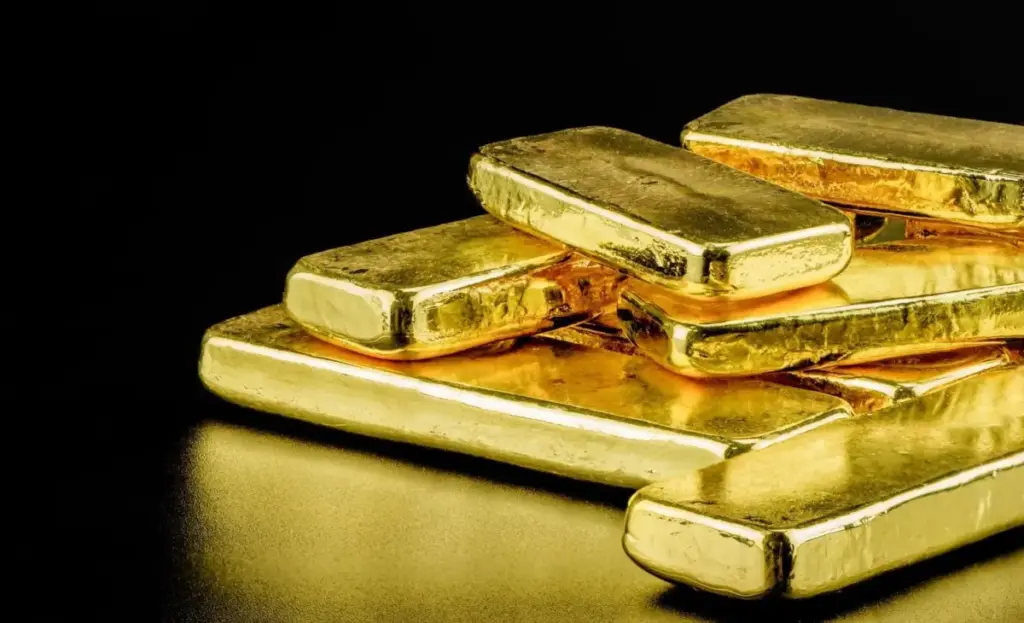
Paxos Labs is currently at the forefront of this shift, betting that lending mechanisms will serve as the catalyst for the next stage of market adoption. The company’s PAXGy token is backed by PAX Gold (PAXG), but with a critical distinction: the underlying reserves are deployed to institutional borrowers.
The design of this model is intentional. Each token is structured to become redeemable for an increasing amount of PAXG as underlying lending rates are paid back to the protocol in ounce terms. This structure allows holders to potentially grow their gold holdings over time while maintaining their exposure to the metal’s price fluctuations.
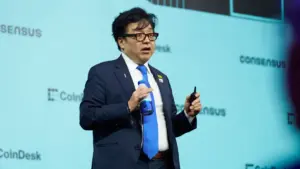
"The big proposition is access," explained Bhau Kotecha, co-founder of Paxos Labs, in an interview with CoinDesk. Historically, the gold lending market has been gated by requirements for significant scale and pre-existing institutional relationships, factors that have largely excluded retail investors and smaller family offices. Kotecha believes that by bringing these mechanics onto a blockchain, the company can open these yield-generating opportunities to a wider audience.
While the potential is significant, it is not without risk. Kotecha is transparent about the nature of these assets: lending returns are not guaranteed, and the inherent risk of borrower default remains a reality that could erode the value of the token. Furthermore, while the current focus is on the lending of the metal, the company is actively exploring the next logical step: allowing users to borrow against their PAXGy holdings, effectively turning dormant gold assets into productive collateral.
Silver: The Natural Successor
As the industry looks to diversify beyond gold, silver has emerged as the logical candidate for the next phase of tokenization. Theo, a blockchain finance platform, is actively pursuing this market with its thSLVR product. Unlike a passive gold token, thSLVR is designed to pass income generated from institutional silver leases directly to token holders, all while maintaining the investor’s exposure to the underlying spot price of the metal.

Iggy Ioppe, Chief Investment Officer at Theo, views the current momentum as a signal that the market is ready for more productive, asset-backed digital instruments. According to Ioppe, the primary drivers of this growth will be existing commodity owners and end-users who are seeking more efficient ways to manage their portfolios. This includes institutions looking for productive collateral, refiners aiming to finance their inventory more efficiently, and corporate treasuries that require assets capable of near-instant settlement.
Ioppe identifies silver as the "natural second" asset class after gold, pointing to its dual nature as both an investment vehicle and a highly sought-after industrial input. While the established leasing market for silver provides a solid foundation for tokenization, Ioppe acknowledges the complexities inherent in the transition. Silver is characterized by greater price volatility compared to gold and a significantly tighter supply of available metal, which adds layers of difficulty to the management of tokenized reserves.
Despite these challenges, Ioppe is optimistic about the long-term outlook. He forecasts that the tokenized commodities market will grow into a multi-billion dollar sector, reaching tens of billions in value within five years and potentially exceeding $100 billion within a decade. Looking even further ahead, he expects that within 15 years, the tokenization of physical assets will no longer be considered a niche crypto experiment but rather a standard, expected component of ordinary commodity settlement and financing processes.
The Challenge and Promise of Oil
While precious metals have proven to be the "low-hanging fruit" of the tokenization world, oil presents a significantly higher bar for logistical and operational integration. Yet, for companies like Energy Substantiation (EnSub), this challenge is exactly where the greatest opportunity lies.
On October 2, EnSub expanded its WTIC token from the Ethereum network to Solana. Each token represents one barrel of West Texas Intermediate (WTI) crude, which the company claims is backed by verified physical inventory. This is not merely a theoretical exercise; EnSub is already looking toward the future, with development underway for tokens backed by natural gas and Brent crude.
JP Thieriot, co-founder and CEO of EnSub, emphasizes that the demand for these products will be multifaceted. He expects interest to originate from energy buyers looking to hedge their costs, investors seeking exposure to energy prices without the complexities of traditional futures contracts, and suppliers who require efficient access to working capital. Thieriot is bold in his projections, suggesting that oil tokens could eventually account for as much as a quarter of the global oil market within the next decade.
However, the road to mass adoption in the energy sector is not uniform. The industry remains divided on the speed at which energy can mirror the success of metals. Ioppe of Theo notes that the sheer logistical requirements of storage and transport make income-generating energy tokens significantly more difficult to construct than their metal counterparts.
Thieriot counters this by highlighting the necessity of infrastructure. For commodities that are in constant motion, such as oil, the solution lies in "verifiable inventory, workable custody, and settlement." The ultimate success of these initiatives will depend on the ability of platforms to seamlessly connect digital tokens to reliable, real-world physical markets. Providing owners with a compelling, functional reason to move their capital from traditional markets into a tokenized format will be the final, and perhaps most difficult, hurdle for the industry to clear.
As the sector continues to evolve, the distinction between "crypto assets" and "commodities" is likely to blur further. Whether through gold lending, silver leases, or tokenized barrels of crude, the common thread is a drive toward efficiency and accessibility. By transforming how commodities are held and moved, these firms are not just creating new financial products; they are attempting to rewrite the plumbing of global commodity markets. Whether this leads to the projected $100 billion market remains to be seen, but the push to put physical assets to work on the blockchain is clearly entering a new, more serious phase.