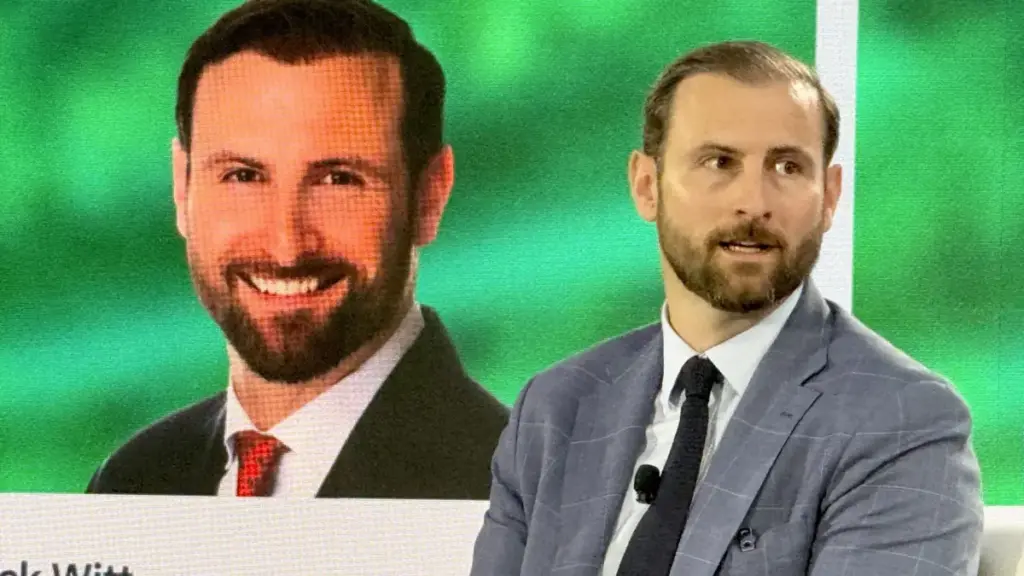
The departure of Patrick Witt, the final remaining adviser dedicated to digital assets within President Donald Trump’s administration, has left a noticeable vacuum in the White House policy apparatus. His exit marks a pivotal moment for an administration that, upon returning to the executive branch last year, had aggressively pivoted from a stance of skepticism toward the crypto industry to one of active engagement and legislative promotion.
With Witt’s departure, the once-distinct digital assets office appears to have lost its primary voice. This transition is highlighted by the administration’s recent appointment of a new artificial intelligence czar—a role that was previously bifurcated between AI and crypto oversight. In the current configuration, the crypto remit seems to have been effectively dropped, leaving industry stakeholders and Capitol Hill observers questioning who, if anyone, is now steering the ship for federal digital asset policy.
The Rise and Stall of the White House Crypto Agenda
When President Trump assumed office in 2025, he signaled a departure from his previous rhetoric, embracing the burgeoning crypto sector with the appointment of a high-profile "crypto czar" and the creation of the President’s Council of Advisors for Digital Assets. This move was initially viewed by the industry as a sign that the White House was prepared to provide the regulatory clarity that firms had long demanded.

For a time, the effort was marked by significant momentum. David Sacks, a former PayPal executive, was tapped as the inaugural AI and crypto czar, bringing a technocratic focus to the role. Working alongside him was Bo Hines, a former college football standout who quickly became the public face of the administration’s crypto policy. Hines’ tenure, which lasted approximately eight months, was characterized by constant engagement with industry leaders and a series of high-profile legislative wins.
The most notable achievement during this period was the passage of the Guiding and Establishing National Innovation for U.S. Stablecoins (GENIUS) Act. The legislation was met with a celebratory signing ceremony at the White House, attended by some of the most prominent figures in the digital asset space. Shortly thereafter, the administration released a comprehensive agenda outlining its roadmap for fostering American leadership in digital financial technology.
From Legislative Wins to Regulatory Roadblocks
Following the success of the GENIUS Act, Bo Hines transitioned into the private sector, taking a leadership role at the U.S. arm of Tether, a leading stablecoin issuer. His time in the White House, however, has recently come under intense scrutiny. Recent reports from the Wall Street Journal indicate that a consulting firm founded by Hines, Nxum, received payments from Tether for services rendered while Hines was still actively working on the GENIUS Act within the White House.
These revelations have added a layer of complexity to the narrative surrounding the administration’s early crypto successes. Furthermore, the firm Nxum has been identified as a major service provider for a super PAC funded largely by Cantor Fitzgerald, a primary financial partner of Tether, as well as other industry interests.
Following Hines’ departure, the mantle was passed to Patrick Witt, his former deputy on the council. Witt, another former football player with a background in Washington policy, became the primary architect for the White House’s subsequent major legislative push: the Digital Asset Market Clarity Act. Throughout the negotiation process, Witt was known for his vocal and at times confrontational style, frequently utilizing social media to criticize those he believed were impeding the progress of the legislation, which aimed to establish a cohesive regulatory scaffold for U.S. crypto markets.
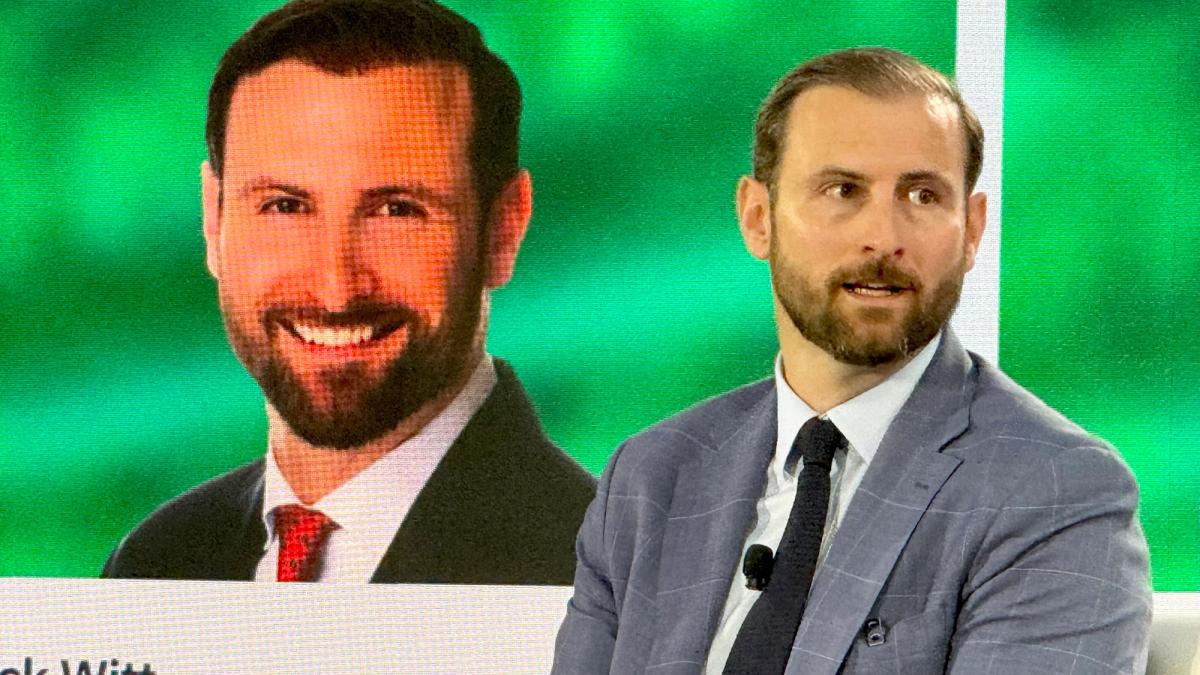
However, the political landscape had shifted. By the time Witt took the lead, David Sacks had already vacated the czar position in March. This left Witt and his deputy, Harry Jung, to manage the administration’s stance amidst increasingly difficult negotiations. The discussions were further complicated by the president’s own personal ties to the crypto industry, which became a focal point for Democratic lawmakers who demanded stringent ethics constraints to prevent conflicts of interest.
Despite the White House offering significant concessions regarding ethical oversight, the negotiations eventually hit a dead end. The Digital Asset Market Clarity Act failed to advance during a critical Senate floor vote last month, shortly before Congress recessed for the pre-election period.
A Period of Strategic Silence
With the departure of Witt confirmed—he announced his exit via social media on Wednesday night, noting his intent to move into the private sector—the White House has remained tight-lipped regarding the future of the office. A White House official stated that Witt’s contributions were appreciated, but declined to comment on who, if anyone, would be named as his successor or whether the digital assets office would be reconstituted.
"Crypto and the Clarity Act will continue to be a priority for the president," the official noted, though they offered no specific details on how that priority would be executed in the absence of a dedicated lead.
The lack of clarity regarding the future of crypto policy is particularly striking given the recent changes in the administration’s broader tech strategy. Earlier this month, President Trump moved to re-establish an AI overseer, appointing former Securities and Exchange Commission (SEC) Chairman Jay Clayton to lead a newly formed "Super Intelligence Force."
The appointment of Clayton has sparked mixed reactions among crypto observers. During his tenure at the SEC, Clayton oversaw the agency’s initial aggressive stance toward digital assets, which many in the industry derided as "regulation by enforcement." Because the new role focuses exclusively on artificial intelligence and does not explicitly encompass crypto, industry participants are left to wonder if the White House has effectively deprioritized its previous legislative agenda in favor of other tech-focused initiatives.
As the November elections approach, the window for legislative action in the current congressional session is rapidly closing. With the crypto-specific staff gone and no clear successor identified, the industry is left to navigate an uncertain path forward, waiting to see if the administration will revive its policy push or if the once-promising momentum of the last two years has permanently fizzled out. For now, the "store" remains open, but it is unclear who is minding it.