








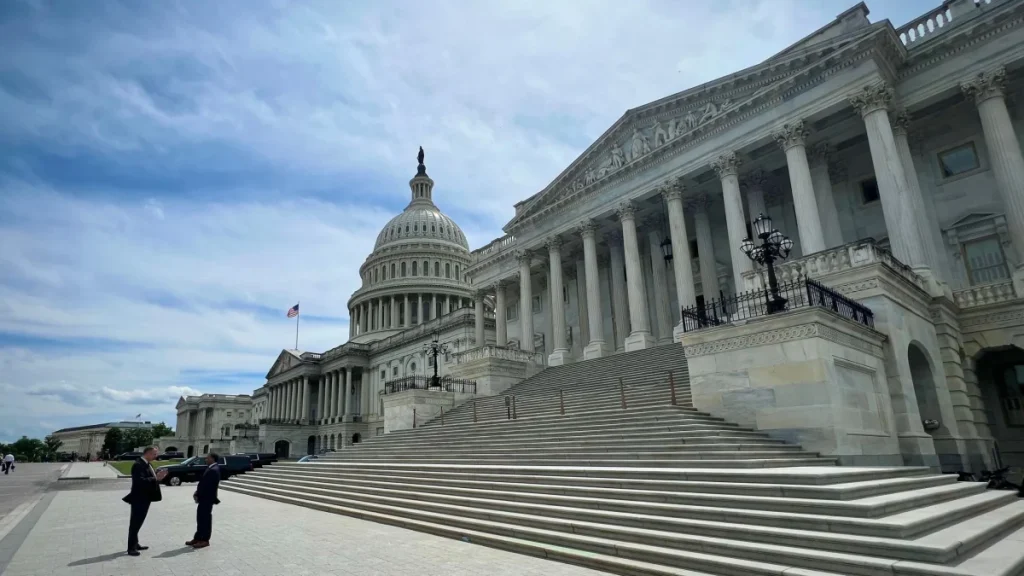
As the corridors of the U.S. Capitol fall silent during the final pre-election recess, Washington is shifting its gaze entirely toward the November 3 midterm elections. With exactly 30 days remaining until voters head to the polls, the political landscape is hardening, and the outcomes of these races are set to dictate the trajectory of federal policy—including the contentious and evolving landscape of digital assets—for the next two years.
The stakes for the cryptocurrency industry could not be higher. While much of the recent discourse in the sector has been dominated by the fallout from last month’s collapse of the Clarity Act, the legislative agenda for the next Congress will be broad and consequential. From tax reform to the fundamental oversight of financial regulators, the composition of the new House and Senate will define how Washington interacts with crypto firms, investors, and the broader decentralized finance ecosystem.
The Political Landscape: A Tight Race to November
As of early October 2026, the political environment remains volatile. Polling data, supplemented by a flurry of recent campaign headlines, suggests a shifting tide in favor of the Democratic Party. According to consensus forecasts from platforms such as 270towin, the momentum currently points toward a potential flip of the House of Representatives to Democratic control. The Senate, however, remains a quintessential tossup, with control of the upper chamber likely coming down to a handful of high-stakes, razor-thin contests in swing states.

The uncertainty is further reflected in the divergence between traditional polling and decentralized prediction markets. While traditional analysts struggle to pinpoint the ultimate outcome in the Senate, participants on prediction platforms like Kalshi and Polymarket are signaling a stronger conviction in a Democratic sweep. As of Friday afternoon, bettors on these platforms were pricing in a high probability that Democrats will reclaim the majority in both chambers of Congress.
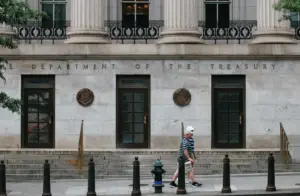
Regardless of the specific outcome, the transition from the current legislative session to the next will mark a turning point for industry relations with federal agencies. The makeup of the incoming Congress will directly influence the oversight of the Securities and Exchange Commission (SEC), the Commodity Futures Trading Commission (CFTC), the Office of the Comptroller of the Currency (OCC), and the Treasury Department.
Legislative Priorities and Regulatory Oversight
Even as the industry grapples with the disappointment of the Clarity Act’s failure, the work of governing continues. Regardless of which party holds the gavel, the next Congress will be responsible for the essential task of budget authorization for financial regulators. This power of the purse serves as a critical lever for influencing how these agencies prioritize their enforcement actions and rulemaking agendas.
Beyond budgetary control, the legislative outlook remains a mix of ambiguity and targeted progress. There is significant speculation regarding whether a new market structure bill will be introduced or prioritized in the coming session. While such a bill remains a long-term goal for many in the industry, the path forward is anything but clear. The political appetite for sweeping, industry-wide legislation often depends on the specific priorities of incoming committee chairs and the broader economic climate.
However, one area where legislative movement appears more certain is tax policy. The House Ways and Means Committee demonstrated a rare, bipartisan consensus last month by successfully advancing a crypto tax bill. This momentum has carried over into the Senate, where Senator Steve Daines recently introduced a parallel legislative effort. These tax-focused bills represent a more incremental, yet highly impactful, approach to federal policy that is likely to survive the turnover in Congress.
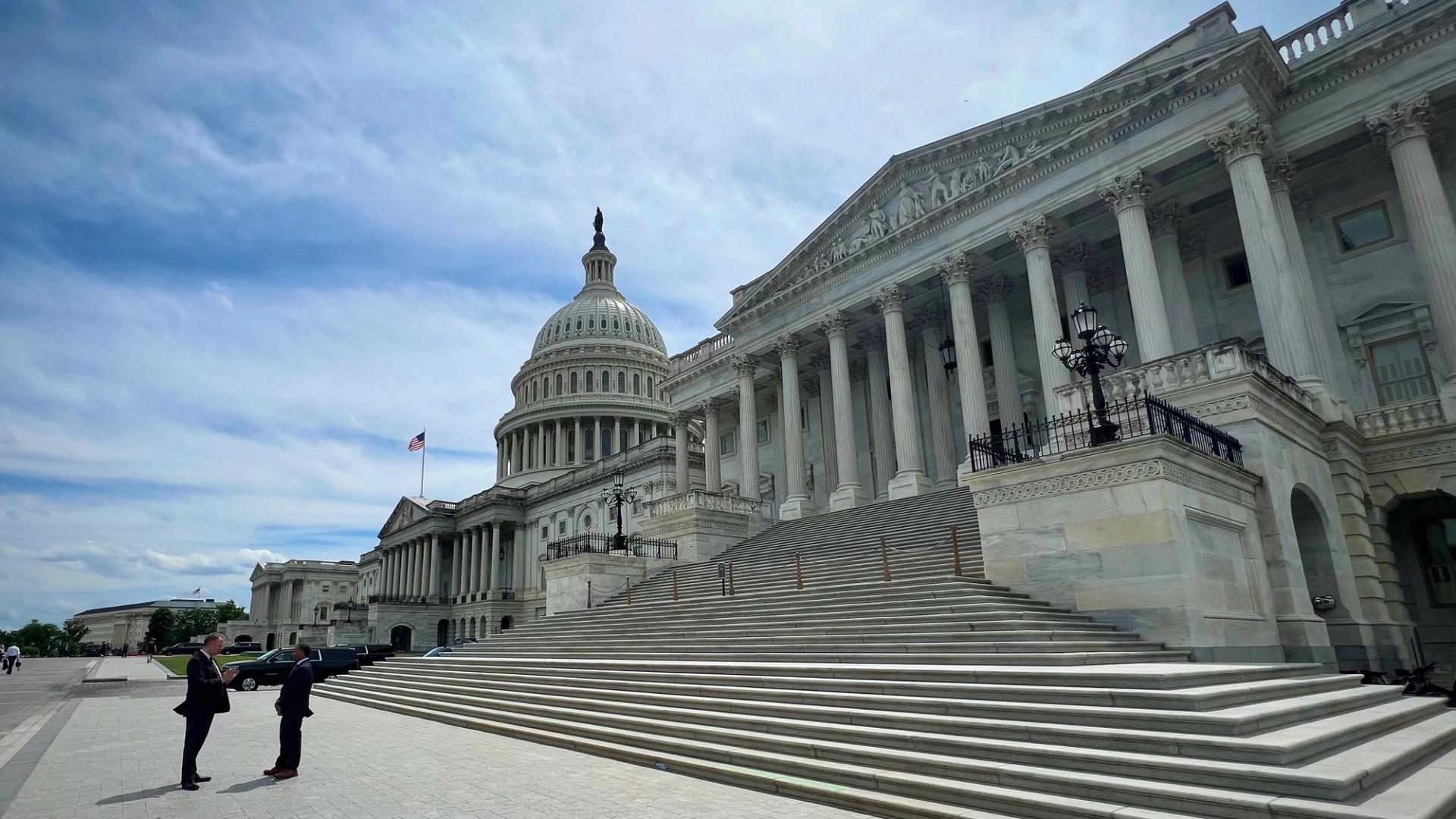
The Risk of Politicization and Scrutiny
For crypto firms, the election results carry a significant risk of increased scrutiny. There is a palpable concern within the industry that a Democratic-controlled Congress might leverage its subpoena power to aggressively investigate firms that maintained close ties to the administration of President Donald Trump.
Given the public critiques and political friction regarding President Trump’s business interests in the sector, many industry participants fear that the regulatory focus could shift toward a more punitive, oversight-heavy posture. This potential shift underscores why many companies are working to maintain open, productive lines of communication with lawmakers on both sides of the aisle, attempting to insulate the industry from becoming a casualty of broader partisan conflict.
The Role of Crypto-Focused Political Action Committees
The involvement of the crypto industry in the 2026 election cycle has been marked by strategic, albeit limited, financial interventions. The most prominent players in this space have been the Fairshake Super PAC and the Digital Freedom Fund.
Fairshake, which counts a diverse array of industry leaders among its contributors, has been a significant force in the current election cycle. Earlier this cycle, the group announced expenditures totaling $30 million, with a specific focus on opposing the re-election bid of former Senator Sherrod Brown. The Digital Freedom Fund, backed largely by Gemini founders Cameron and Tyler Winklevoss, also entered the fray with a $3 million expenditure targeting the same race.
These targeted efforts represent a "precision-strike" strategy rather than a broad-based lobbying campaign. However, as the election date approaches, the industry appears to be entering a period of relative quiet. Fairshake confirmed mid-week that it has no further expenditures planned for the immediate future. This pause is not necessarily indicative of a lack of interest, but rather a reflection of the high cost of media and advertising in the final 30 days of a campaign. As the market for political ad space tightens and costs rise, remaining capital must be deployed with extreme caution.
Looking Ahead to the Next Session
As Congress remains in recess, the coming weeks will be characterized by intense campaigning and a final push for voter turnout. For those tracking the intersection of government and cryptocurrency, the next month will serve as a quiet period before the storm. Once the votes are tallied on November 3, the industry will pivot immediately to identifying new allies, preparing for potential oversight hearings, and engaging with the incoming freshmen lawmakers who will hold the future of crypto policy in their hands.
The transition period between the election and the seating of the new Congress will be critical. It will be a time for the industry to refine its narrative, address the concerns of lawmakers, and prepare for the realities of a new fiscal and regulatory environment. While the collapse of the Clarity Act was a setback, it has also served as a catalyst for a more nuanced understanding of how crypto policy is crafted in Washington.
As the calendar turns toward the final weeks of the campaign, the focus for crypto stakeholders will be on the potential for new legislative opportunities in tax policy and the ongoing, necessary engagement with regulators who continue their work regardless of the election’s outcome. The landscape is shifting, and the industry’s ability to adapt to the new political reality will define its legislative success in the years to come.