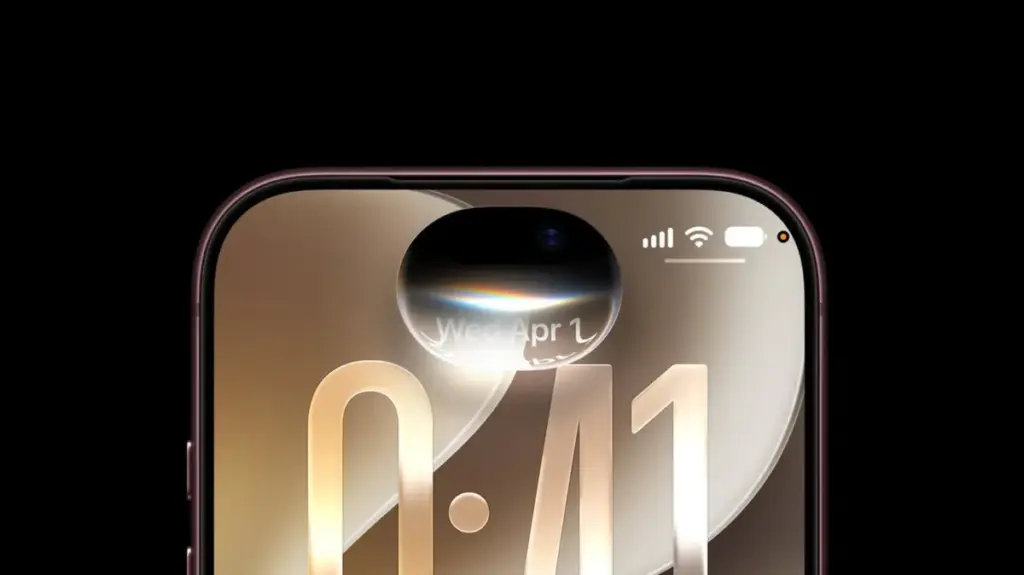
Verizon has officially confirmed that it will support Apple’s highly anticipated iPhone Handoff feature for iOS 27, though the convenience of the service will come with a recurring price tag. The carrier announced that it will charge users $10 per month to enable the capability, which allows a single eSIM number to be shared across two different iPhone devices. This announcement arrives alongside the carrier’s broader push to promote the new iPhone Duo, signaling a significant shift in how mobile subscribers manage their connectivity across multiple Apple devices.
The arrival of iPhone Handoff on the Verizon network follows a growing trend among major carriers to monetize the integration of Apple’s ecosystem. While the feature promises a more fluid experience for power users who juggle multiple devices, the monthly fee structures are becoming a point of friction for consumers. T-Mobile, for instance, previously launched support for the feature in the United States with a monthly cost of $5. Similarly, Deutsche Telekom in Germany has introduced the feature to its subscriber base, underscoring the global rollout of a service that Apple envisions as a cornerstone of the iOS 27 experience.
At its core, iPhone Handoff is designed to eliminate the logistical headaches associated with managing multiple phone numbers or constantly swapping SIM cards. By leveraging the same eSIM profile across two devices, users can maintain a unified identity, provided both handsets are running the latest iOS 27 software and are signed into the same Apple ID. This synchronization goes beyond mere phone calls; it encompasses the entire messaging ecosystem, Find My tracking services, and automated iCloud backups, ensuring that a user’s digital footprint remains consistent regardless of which device they pick up.

However, there are technical limitations that users must navigate. The feature does not allow for simultaneous active usage of the same number on both devices. In practice, this means the user must designate one phone as the "active" device at any given time. While the transition between devices is intended to be seamless, the system relies on the user consciously switching their primary device. This architecture ensures that incoming calls and messages are routed to the device currently in use, preventing the confusion that might arise if multiple devices were ringing or receiving notifications concurrently.
The flexibility of this system is one of its primary selling points. Users are granted the ability to switch their primary device whenever they desire, allowing for scenarios where a user might prefer a smaller, more portable iPhone for a workout or a night out, and a larger, more powerful "Duo" model for professional work or media consumption. Once the primary device is switched, the secondary device automatically falls into a standby state, effectively offloading its connectivity responsibilities to the newly activated phone.
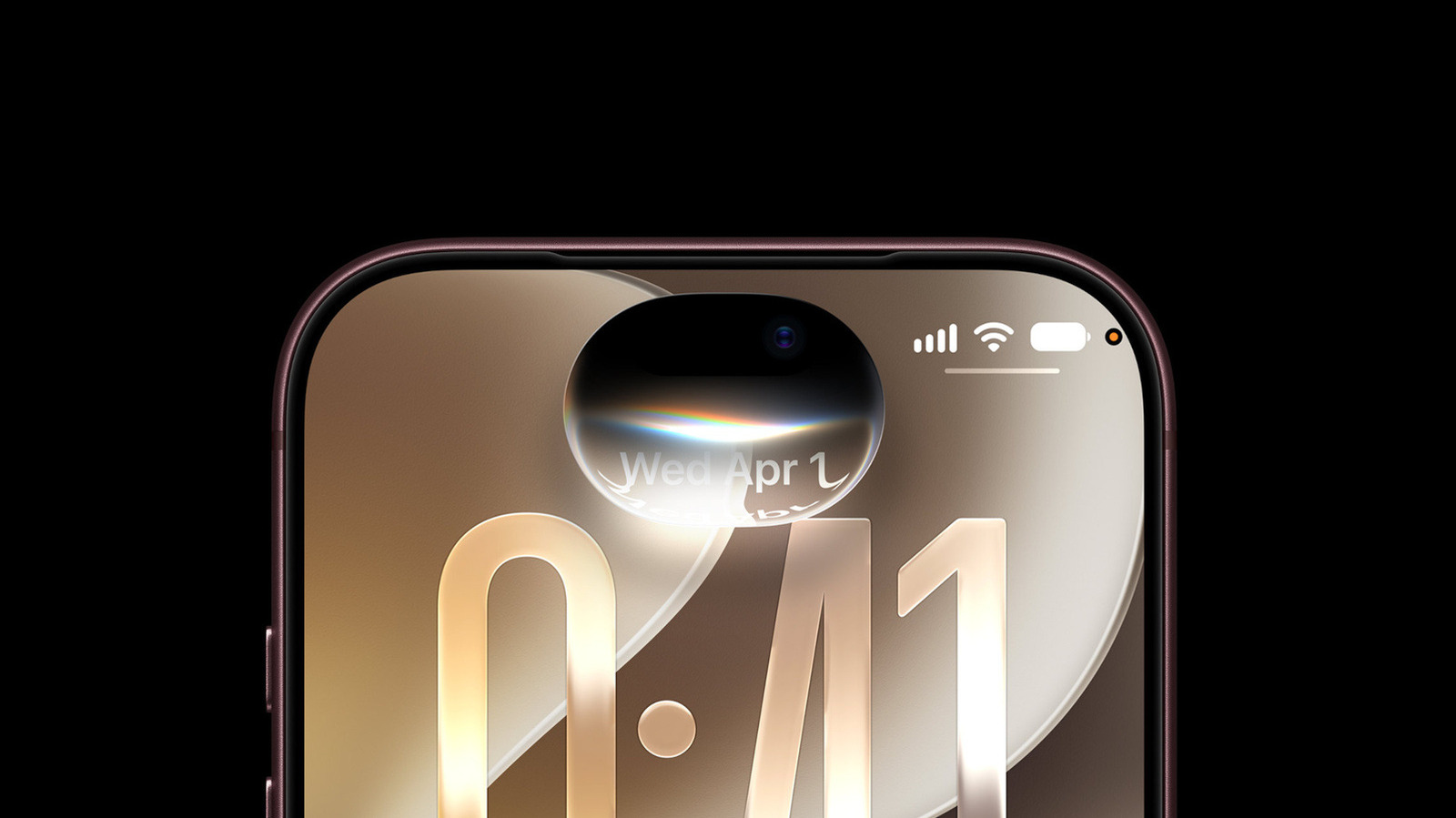
Setting up the feature involves a process integrated directly into the iOS interface. Users navigating to the Settings menu under the Cellular tab will find an option to "Set up Cellular or Add eSIM." By selecting their primary iPhone and choosing the transfer option, users can initiate the handoff protocol. Apple has designed the transition to be intuitive: to switch between two configured iPhones, a user simply needs to unlock the device they intend to use. Upon doing so, the system detects the change, and a notification banner reading "Switched to this iPhone" appears at the top of the screen, confirming that the eSIM identity has migrated to the new handset.
Despite the relative simplicity of this process, security remains a paramount concern. Because the handoff capability grants another device the power to access a user’s calls and messages, Apple strongly advises that both iPhones be protected by robust passcodes. This ensures that users maintain complete control over which device is authorized to act as the primary conduit for their cellular identity, preventing unauthorized access in the event that a secondary device is lost or falls into the wrong hands.
The decision by Verizon to set the monthly fee at $10 reflects a broader industry strategy regarding the cost of advanced network features. As carriers invest heavily in the infrastructure required to support seamless eSIM switching and synchronized device states, they are increasingly looking to pass those costs onto the end-user through subscription-based models. This contrasts with earlier generations of mobile technology, where value-added features were often bundled into standard service plans.
For the average consumer, the value proposition of paying an additional $120 per year for iPhone Handoff will likely depend on their reliance on Apple’s ecosystem. For professionals who maintain a specific work-life balance through hardware separation, the ability to carry one number across two devices is a significant productivity gain. By removing the need to manage two distinct phone numbers or rely on cumbersome call-forwarding services, Handoff simplifies the experience of staying connected.
However, the tiered pricing between carriers—with T-Mobile charging half the price of Verizon—is likely to spark debate regarding the true cost of the service. It remains to be seen whether this pricing strategy will influence long-term customer loyalty or lead to a competitive scramble among carriers to lower the barrier to entry for such features.
The integration of this feature coincides with a period of heightened scrutiny regarding the safety and moderation of mobile platforms. As Apple continues to refine its software, it has also introduced new mandates for developers, including strict requirements to filter nonconsensual intimate imagery. This focus on platform safety is being woven into the broader iOS 27 update, indicating that Apple is attempting to balance the introduction of high-end convenience features with a more robust protective framework for its users.
The move toward universal device synchronization through iPhone Handoff represents a maturation of the "Apple ecosystem" philosophy. The company has long sought to make the hardware experience feel like a single, cohesive unit, and by tethering the cellular identity to the Apple ID rather than a specific physical SIM, they are removing the final barriers to that vision. While the monthly fees imposed by carriers like Verizon represent a practical hurdle, the technical architecture is now firmly in place for a future where the device in one’s hand is less important than the identity being carried across all of them.
As iOS 27 continues to proliferate across the installed base of iPhones, and as more carriers finalize their support for the Handoff feature, the industry will likely see a shift in consumer expectations. The transition from physical SIMs to eSIMs was the first major step in this direction, and iPhone Handoff is the natural evolution of that shift. Whether or not this becomes a standard utility or a premium perk for the power user remains to be seen, but for now, those looking to bridge the gap between their devices on the Verizon network will need to factor the additional monthly cost into their wireless budget.