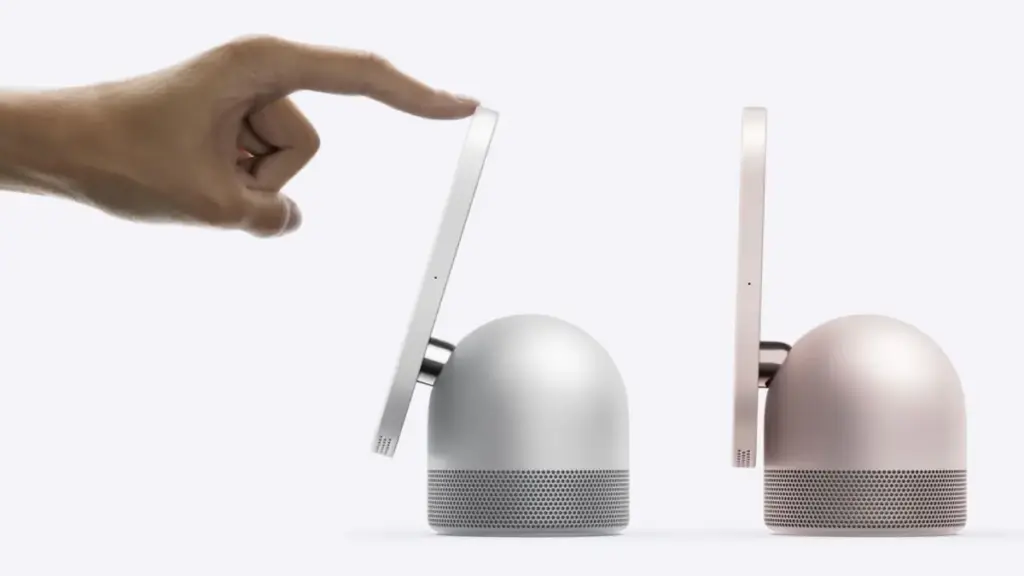
Apple has officially entered the smart home display market with the launch of the long-awaited HomeView. Priced at $299, the device represents a significant pivot for the company, aiming to integrate its ecosystem more deeply into the living rooms and kitchens of its users. However, the road to this release has been anything but straightforward. The product has spent a considerable amount of time in development, with its public debut repeatedly delayed as Apple worked to refine its core software experience, specifically the advancements required for a truly "smarter" Siri powered by Apple Intelligence.
The release of HomeView marks the culmination of years of internal development, during which Apple sought to balance its privacy-first reputation with the growing consumer demand for ambient computing. While the initial reaction to the hardware has been positive regarding its build quality and integration with Apple services, the product’s launch has also surfaced immediate questions regarding its day-to-day utility. Specifically, early adopters have noted a limitation: if the HomeView is placed on a table in a room with multiple people, the display remains static. If a user moves to a different part of the room or if a different person begins speaking, the device cannot adjust itself to face the new speaker. For a device marketed as a central hub for the smart home, this lack of physical mobility is a noticeable friction point for users accustomed to the seamless, automated experiences Apple typically provides.
However, it appears that Apple is already looking toward the next evolution of its home strategy. According to the latest insights from Mark Gurman’s Power On newsletter, the company is not viewing the standard HomeView as the final word in its smart home hardware strategy. Instead, internal development teams are already deep into the process of creating a more advanced variant, potentially to be branded as a "HomeView Pro."

The development of this follow-up device, internally codenamed J595, suggests that Apple has been aware of the limitations inherent in a static display from the outset. Reports indicate that this more sophisticated version of the HomeView is currently being targeted for a release window sometime in 2027 or 2028. The primary differentiator for this upcoming model is a significant shift in mechanical design. While the current HomeView is a stationary unit, the J595 is designed to incorporate a motorized robotic arm. This hardware addition would allow the display to swivel a full 360 degrees, providing a level of physical responsiveness that is currently absent from the $299 model.

The inclusion of a robotic arm is not merely about mechanical movement; it is about intelligence. The proposed device will reportedly leverage advanced voice recognition technology to identify the location of the person speaking. By analyzing the audio input, the device would be capable of automatically pivoting the screen toward the user. This functionality essentially applies the logic behind Apple’s "Center Stage" camera technology—which tracks a user’s movement within a video frame—and scales it up into a physical, mechanical movement. By combining spatial audio awareness with motorized hardware, Apple aims to create a device that feels as though it is actively participating in the room rather than simply sitting on a counter.
In addition to the robotic capabilities, the J595 is expected to feature a larger display. Current reports suggest a screen size of approximately 9 inches, a notable increase over the 7-inch display found on the base model HomeView. This increase in screen real estate, paired with the ability to turn in a full circle, positions the device as a high-end, premium offering. It is clear that this future iteration is not intended to replace the base model but rather to act as a more capable, higher-priced companion in Apple’s expanding hardware lineup. Given the complexity of the internal motors and the required sensing technology, consumers should not expect this Pro model to hit the market at the same $299 price point.
The history of this project reveals that Apple’s interest in robotics has been an ongoing area of research for some time. Since early 2024, reports have circulated regarding the company’s internal "robotics project," which sought to explore how automated, moving hardware could enhance the utility of consumer electronics. While the standard HomeView is a more conservative entry into the market, it serves as the foundation for these more ambitious projects. The delays that kept the current HomeView from reaching the public sooner were largely tied to the necessity of ensuring that Apple Intelligence and the new, conversational Siri were robust enough to handle the tasks required of a home hub. A device that follows you around the room is only as useful as the software that interprets your intent, and Apple appears to have prioritized getting the "brain" of the operation correct before focusing on the "body."
For now, the $299 HomeView represents Apple’s first attempt to capture a segment of the market that has long been dominated by competitors. The device relies on a clean interface, tight integration with the HomeKit ecosystem, and the recently upgraded Siri capabilities. It is a stable, well-integrated product, but one that currently relies on the user to manually reposition it if they wish to change their viewing angle.

As the market begins to digest the current HomeView, the conversation among analysts and enthusiasts has already shifted toward what a motorized, "Pro" version could mean for the smart home of the future. The prospect of a device that can actively orient itself toward a user as they walk through a kitchen or living room suggests a future where the smart home is less about manual input and more about ambient, responsive awareness. While the 2027 or 2028 timeline for the J595 remains tentative, the existence of such a project confirms that Apple’s current release is merely the first chapter in a much longer narrative regarding the intersection of robotics and personal computing.
In the near term, the focus remains on the software experience of the current HomeView. With Apple Intelligence continuing to roll out, the device will likely receive feature updates that improve how it handles complex queries and multi-step home automation requests. The hardware itself, while static, provides a gateway for users to manage their lighting, climate control, and security systems with a refined, touch-based interface that complements the voice-first nature of Siri.
As Apple continues to iterate, the company is balancing the immediate need to establish a footprint in the smart home space with the long-term R&D required to bring more complex, robotic devices to the mass market. For the average consumer, the choice is currently simple: a $299, reliable, and stationary hub that integrates perfectly with the existing Apple ecosystem. For those waiting for a more fluid, responsive, and physically intelligent device, the reports of the J595 indicate that a more sophisticated, albeit more expensive, option is on the horizon.
Until that future model arrives, the HomeView stands as a testament to Apple’s cautious, methodical approach to entering new product categories. By starting with a stable, software-centric foundation, the company is ensuring that its eventual move into the world of home robotics is supported by a mature and capable software ecosystem. Whether the "Pro" model arrives as planned or undergoes further revisions, the current landscape of the smart home is clearly being redefined by the same company that revolutionized the smartphone, the tablet, and the personal computer. The coming years will reveal just how much of an impact these physical, intelligent assistants will have on the way we interact with our homes.