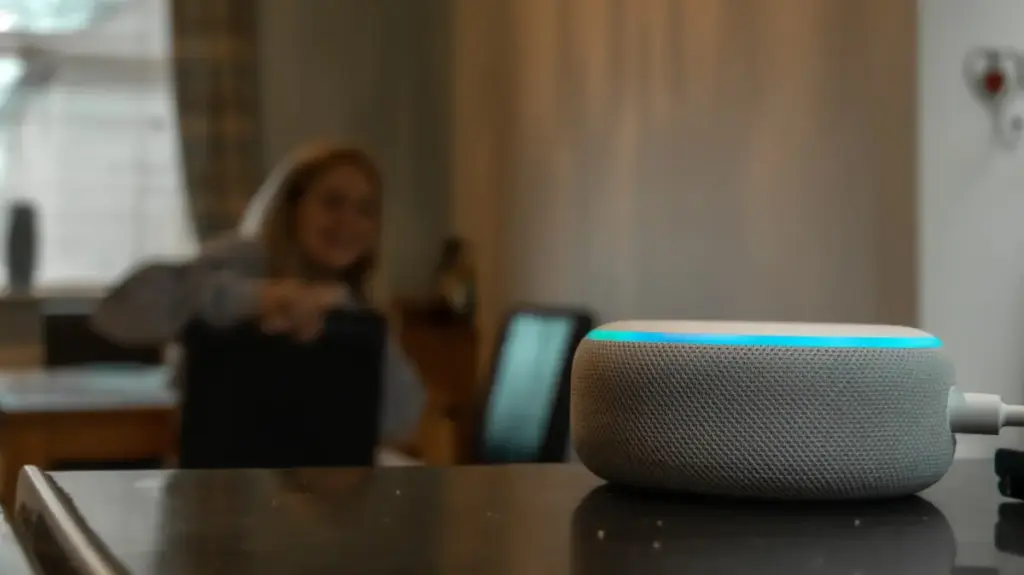
For millions of households across the globe, the Amazon Echo has become a fixture of modern domestic life. Since its inception, Amazon has successfully integrated its Alexa voice assistant into a staggering array of hardware, with over 600 million Alexa-enabled devices finding their way into consumer hands worldwide. From smart speakers and wall clocks to the company’s latest line of tablets and the recently announced smart home integrations, the ecosystem continues to expand at a breakneck pace. Yet, as these devices become more embedded in our daily routines, the question of privacy remains a persistent point of friction. The idea that a microphone-centric device is constantly monitoring the goings-on of a private home can feel, to many, like a page out of a dystopian novel. As Amazon continues to roll out more advanced features, such as the sophisticated, AI-driven Alexa+, the question inevitably arises: Is Alexa truly eavesdropping on every word, or is the reality more nuanced than the "Big Brother" fears suggest?
To understand why these devices appear to be "always listening," one must first distinguish between the colloquial use of the term and the technical reality of how the hardware functions. According to Amazon, your Echo device is not recording, transcribing, or transmitting your private conversations to the cloud on a continuous loop. Instead, the device operates on a localized, low-power processing cycle designed to detect a specific acoustic trigger: the wake word.
Think of this process not as a human sitting in a room listening to a conversation, but rather as an automated filter. The device is essentially wearing "acoustic earplugs." It is perpetually scanning the ambient soundscape for a very specific sound pattern that corresponds to the name "Alexa." In this state, the device does not understand the content of your discussions; it is mathematically ignoring everything that does not match the phonetic signature of its wake word. It is a process of pattern recognition, similar to how a person might ignore the background noise of a crowded party until they hear their own name spoken across the room. Only once that specific acoustic match is confirmed does the device transition from a passive standby mode to an active listening state, at which point it begins to record your subsequent command and transmit it to Amazon’s servers for processing.

This architectural choice represents the primary balance Amazon has struck between the competing demands of functional convenience and user privacy. For a voice assistant to be effective, it must be ready to respond instantly to a user’s request. If the device were truly "off" until manually activated by a button press, the utility of the assistant would be significantly diminished. By keeping the device in a localized, passive-listening state, Amazon enables the hands-free convenience that has made the technology so popular, while arguing that it minimizes the amount of audio data actually leaving the user’s home.
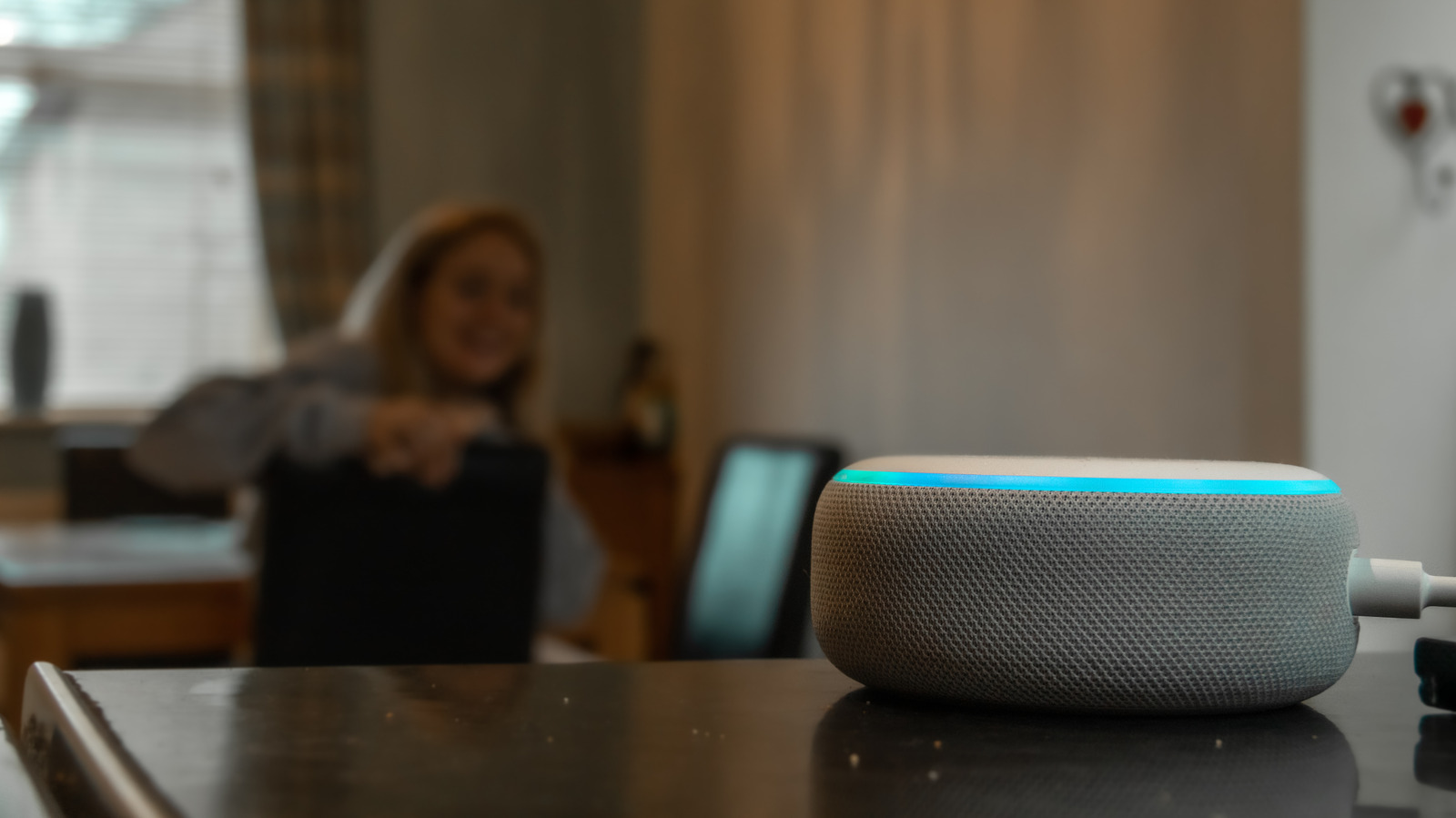
However, the concerns regarding this technology are not unfounded, and they have spurred a broader conversation about data stewardship. As the Alexa ecosystem expands—aided by initiatives like the rollout of Alexa+ and deeper integration into smart home infrastructure like Ring security systems—the volume of data that could potentially be collected increases. This is why Amazon has faced mounting pressure to provide users with more transparent controls and granular options for managing their voice history. While the system is designed to record only the snippets of audio that follow a wake word, users often desire more agency over the data that does get stored in the cloud.
For those who remain skeptical or simply prioritize a higher level of digital privacy, there are practical steps to restrict the device’s capabilities. The most definitive, albeit inconvenient, method is to physically disable the microphone. Every Amazon Echo device is equipped with a hardware-level mute button, typically marked by a microphone icon with a slash through it. When this button is engaged, the device displays a red light, signaling that the internal microphone array has been electronically disconnected from the circuitry. While this effectively silences the device and prevents it from responding to any vocal prompts, it also renders the primary feature of the product—voice control—non-functional until the user decides to toggle the microphone back on.
For users who want to maintain the voice-assistant functionality while still exercising caution, Amazon provides a suite of privacy settings that allow for the management of voice recordings. Within the Alexa app, users can navigate to the privacy settings to dictate how long their voice data is retained. Amazon offers several retention tiers, ranging from deleting recordings immediately after they are processed to keeping them for three or 18 months, or retaining them indefinitely until the user manually deletes them. These controls extend to other forms of data as well, such as smart home device interactions and detected sounds history, providing a centralized dashboard for digital housekeeping.
Furthermore, Amazon has introduced features that allow users to manage their data through voice commands themselves. In many instances, a user can simply ask, "Alexa, delete everything I said today," or request the deletion of their entire voice history. This feature is a direct response to public demand for more immediate control over data privacy. However, it is important to note that these voice-command features are not universal; they are currently unavailable on certain devices, such as those running the newer Alexa+ software or those designated as Amazon Kids editions.
The complexity of modern privacy extends beyond just the hardware itself. If a user integrates their Alexa device with third-party smart home technology—such as robotic vacuums, smart light systems, or internet-connected security cameras—the data privacy policies of those third-party manufacturers also come into play. Deleting your voice history from the Amazon cloud does not necessarily guarantee that a third-party service provider has also scrubbed the data associated with your interactions on their platform. Users must consider the ecosystem as a whole, rather than viewing the Alexa device as an isolated entity.
There is also a functional trade-off to be considered when managing these privacy settings. The personalization of the Alexa experience—such as the device’s ability to recognize a specific user’s voice profile or provide tailored recommendations—relies on the accumulation of historical data. By frequently purging voice recordings, a user may inadvertently degrade the assistant’s ability to understand their unique speech patterns or recall preferences. For those who find the trade-off of personalized service for increased privacy acceptable, the settings are readily available; for others, the utility of a highly responsive, personalized assistant may outweigh the discomfort of cloud-based data storage.
Ultimately, the "always listening" phenomenon is a technical necessity for the current iteration of voice-activated technology, but it is not a surveillance tool in the sense that it is actively monitoring and analyzing the minutiae of daily life for anything other than a wake word. As the technology continues to evolve, the burden of trust remains on the service providers to maintain transparent practices, while the responsibility of data management remains, in part, with the consumer. By understanding how the device functions and utilizing the provided privacy tools, users can decide for themselves how much of their personal space they are willing to share with the digital assistants that occupy their homes.