For years, the Forza Horizon series has stood as the gold standard for virtual automotive tourism. These games are undeniably spectacular, offering players the chance to jump into high-performance supercars and tear through meticulously rendered versions of the Mediterranean coast, the Scottish Highlands, the Australian Outback, or the bustling streets of Tokyo. They capture the aesthetic of a vacation—the vibrant colors, the iconic landmarks, and the sense of freedom that comes with an open road. For many, this has been a cherished pastime, a way to experience the world through a high-octane lens.
Yet, there has always been a subtle, nagging sense of artificiality beneath the gloss of Forza Horizon. While the maps are breathtaking, they function less like real-world environments and more like condensed, theme-park dioramas. A player can traverse the distance between a quaint Cotswolds village and the rugged terrain of the Scottish Highlands in a matter of minutes. This compression, while ideal for fast-paced arcade racing, strips away the essential component of any true road trip: the journey itself. The sense of distance, the gradual shift in landscape, and the rhythmic progression of time are sacrificed for constant spectacle.
In contrast, the classic Test Drive Unlimited games, which garnered a cult following on the Xbox 360, attempted to bridge this gap with 1:1 scale recreations of Oahu and Ibiza. While they succeeded in providing a more grounded sense of space, they were ultimately confined by the geography of islands. There is a inherent limit to how much varied terrain can be squeezed onto a single landmass, and even these titles struggled to inspire the deep-seated feeling of a long-haul adventure.

The Shift Toward Realism
The answer to this spatial conundrum has long been held by the dedicated community surrounding SCS Software’s long-running, peerless simulation titles: Euro Truck Simulator 2 and American Truck Simulator. These games are built on a philosophy of scale that stands in stark opposition to the racing genre. With massive, continent-spanning maps rendered at a roughly 1:20 scale, these sims provide a sense of scope that few other games can match. The map is not a finished static object but a living, breathing project, parceled out through consistent DLC releases and expanding continuously to encompass new regions.
In these simulations, a road trip isn’t a five-minute sprint; it is an hours-long endeavor. You can drive from Galveston, Texas, to Seattle, Washington, or cross the breadth of Europe from Finland to Spain. Crucially, the in-game clock operates on a similar scale to the distance, meaning you will watch the sun dip below the horizon, see the stars emerge, and witness the world cycle through its daily rhythm as you navigate the highways. This requires the player to engage with the realities of travel: planning stops for fuel, monitoring fatigue, and managing the logistics of the road.
For years, however, there was a disconnect between the incredible world SCS Software built and the activity the player was performing. In the truck sims, you are, by definition, a professional driver. Your destination is rarely a scenic overlook or a hidden gem of a town; it is almost always a logistics facility tucked away in an industrial park. While there is an undeniable "workaday" romance to the life of a trucker, it often lacked the adventurous spirit of a leisurely road trip. The games were perfect simulations of labor, but they weren’t quite the perfect simulations of exploration—until now.
The Road Trip Expansion
The release of the Road Trip DLC for American Truck Simulator represents a fundamental shift in the game’s identity. By introducing personal vehicles and a structured tourism mechanic, SCS Software has finally provided the missing piece of the puzzle. This update does more than just add new assets; it changes the player’s relationship with the map, transforming the environment from a workplace into a playground.
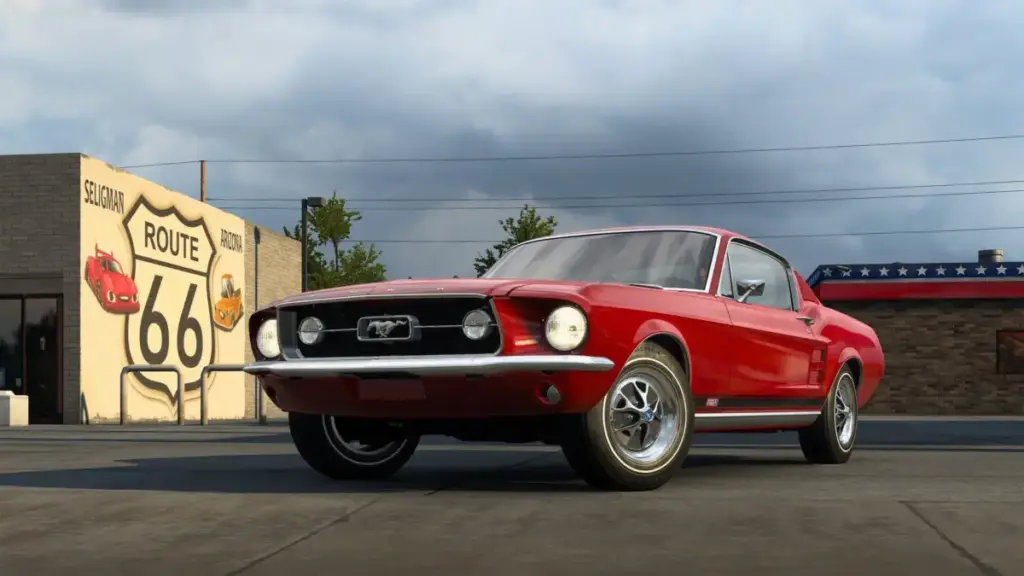
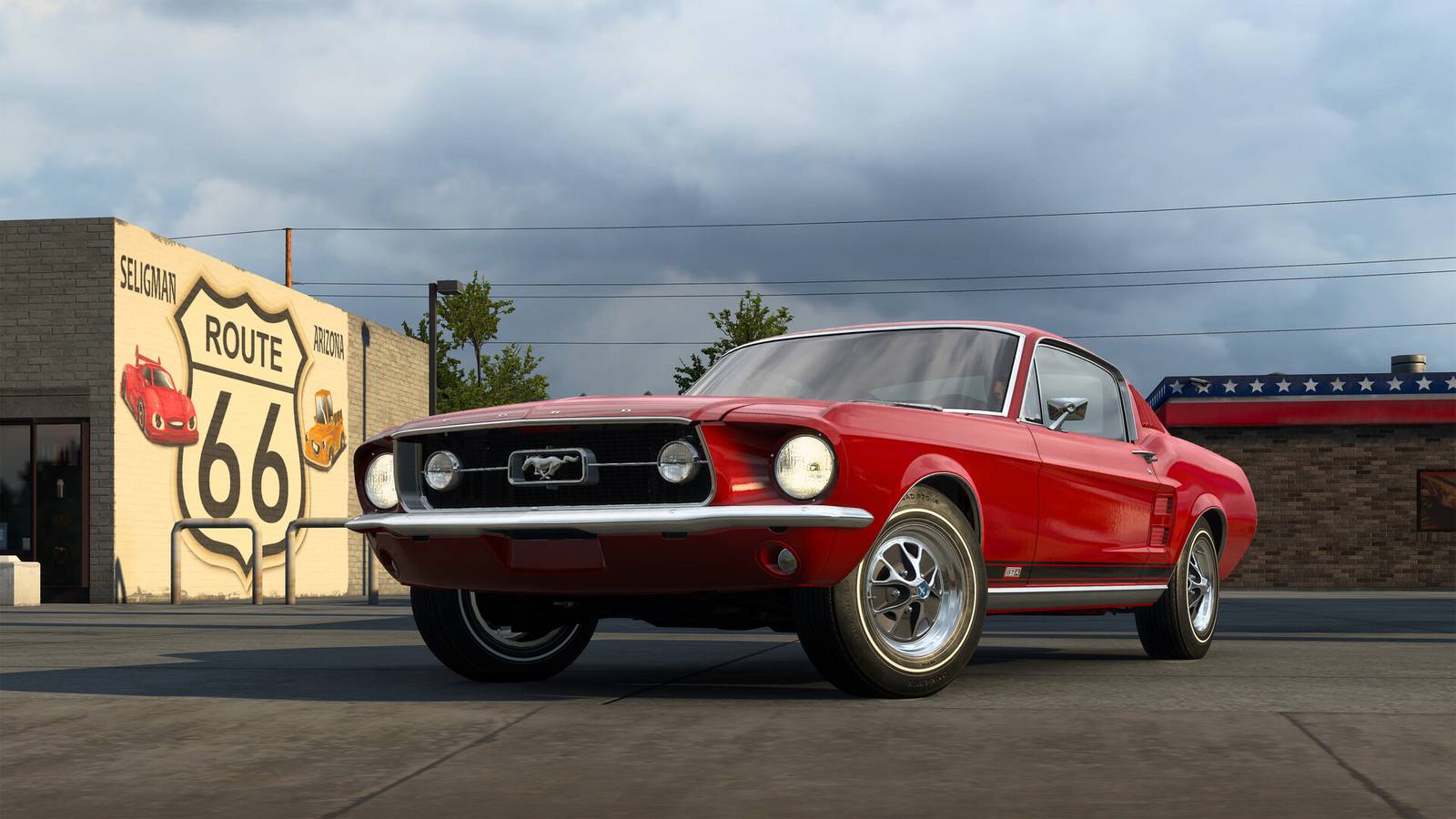
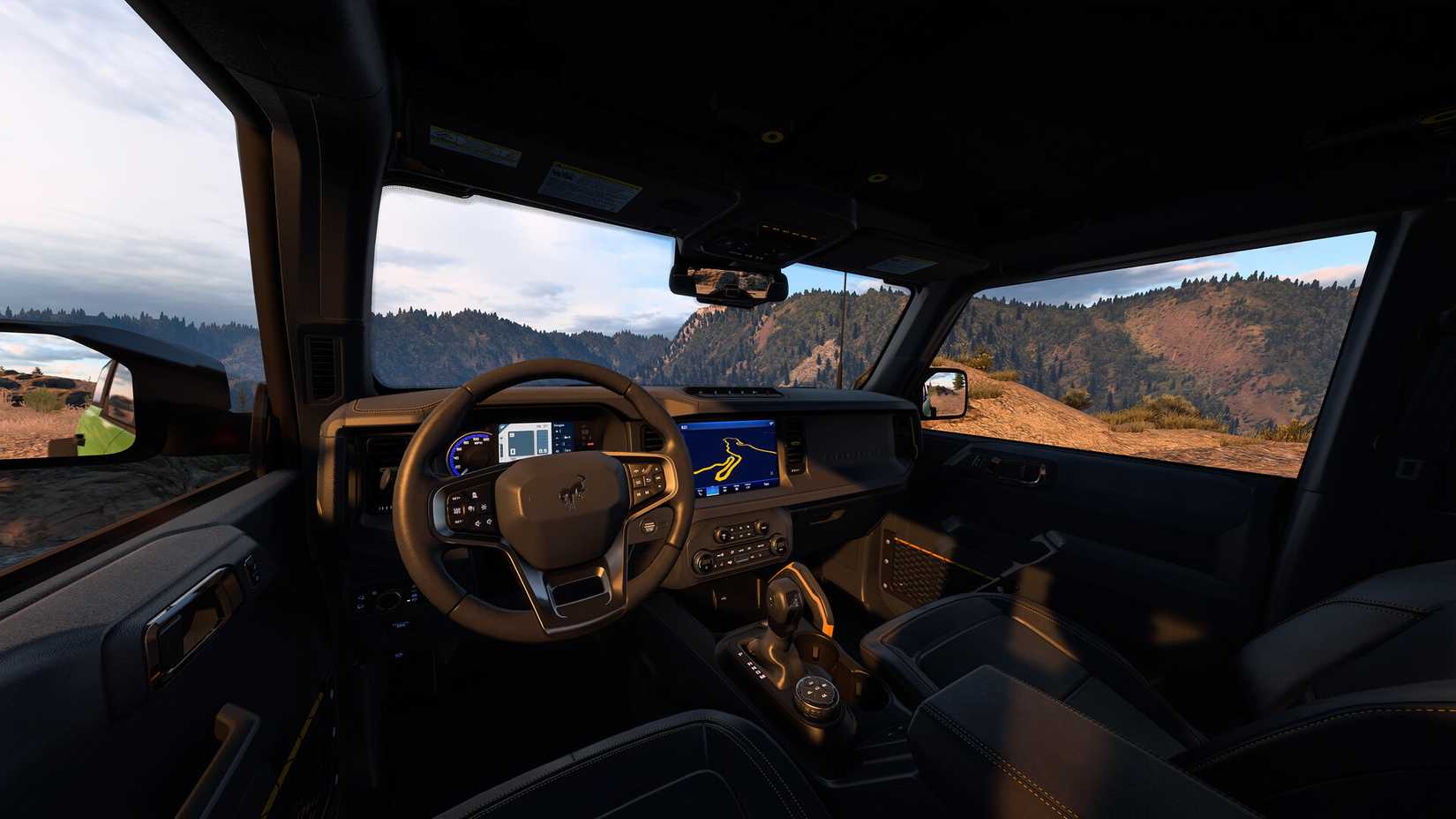
The selection of vehicles currently available—a collection of Fords including modern F-150s, Broncos, the classic 1967 Mustang Fastback, and the iconic 1998 Crown Victoria—serves to ground the experience in familiar, real-world utility. With a Dodge and Ram vehicle pack on the horizon, the diversity of the "tourist" fleet is only set to increase.
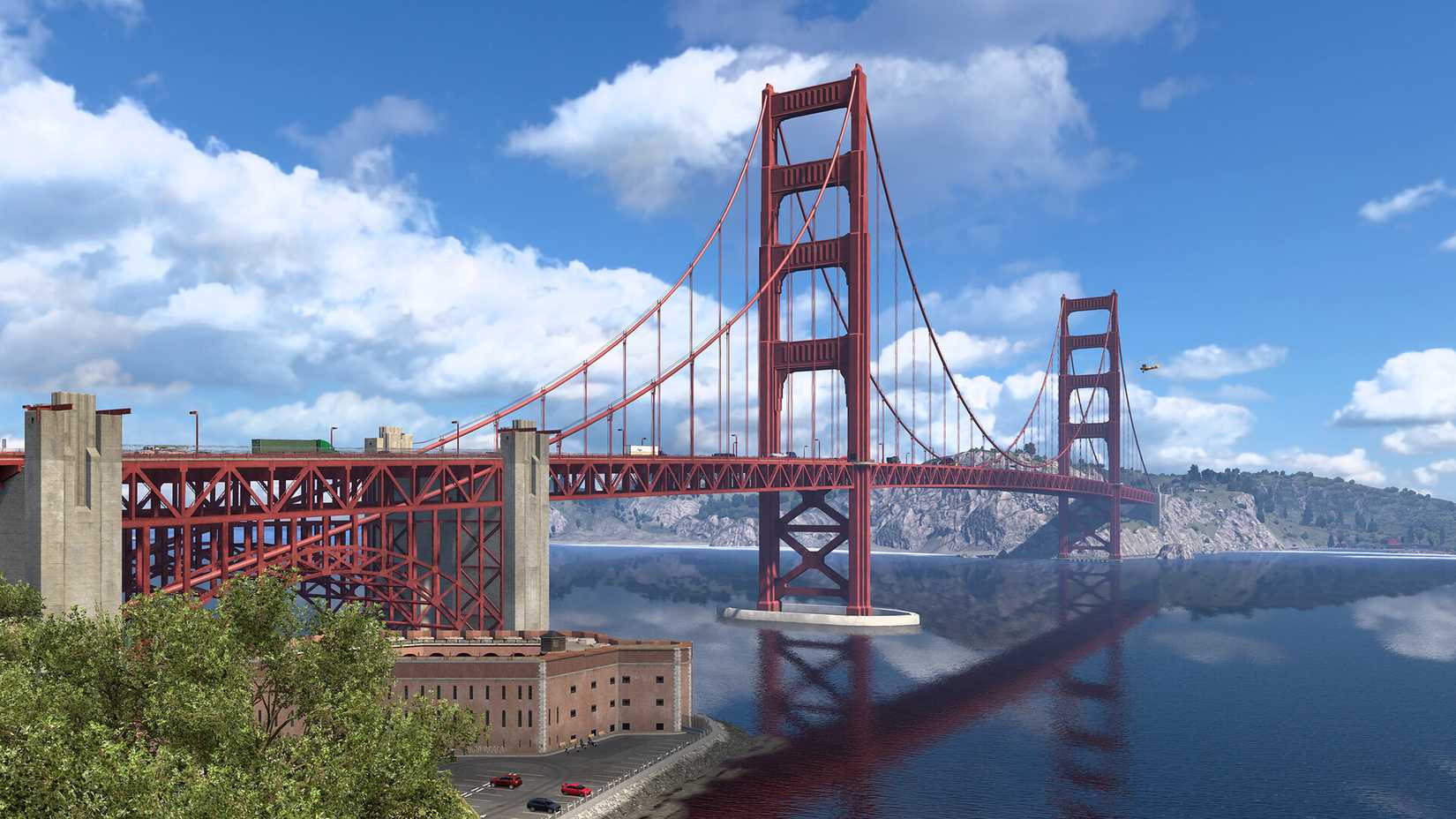
More significantly, the update adds "Tourist Boards" across seven of the game’s current 21 states. Upon reaching one of these boards, the player unlocks a curated itinerary of local attractions. In Northern California, for example, the "Sierra Crossing" board might guide a player toward Lake Tahoe, Eldorado National Forest, and Yosemite National Park. Another board, the "Golden Horizon," focuses on the urban and coastal beauty of the region, directing players to landmarks like Alcatraz, the Golden Gate Bridge, and the Santa Cruz beachfront.
These sights are not rendered for high-speed thrills or cinematic flair, as one might expect from an arcade racer. They are rendered with a quiet, persistent realism. The awe they inspire comes from the effort required to reach them. Because the player has had to plot their route, manage their stops, and physically traverse the miles between points, the arrival feels earned. You aren’t just teleporting to a landmark; you are witnessing the gradual change in the landscape as you move across the country.
A New Way to Experience the Open Road
The "truck sim" style of play remains intact even with a car, and it is arguably the most relaxing way to play a video game today. While the game does allow for speed, the inherent mechanics encourage a more deliberate pace. There is a profound satisfaction in hitting the highway, engaging the cruise control at the legal speed limit, and letting the world drift past. It is, perhaps, the ultimate "podcast game," providing a meditative backdrop that demands attention but rarely high-pressure reflexes.
The verisimilitude is striking. For those who have driven these routes in reality, the digital version offers a hauntingly familiar experience. A drive from Las Vegas to Flagstaff, Arizona, in American Truck Simulator—even at its 1:20 scale—captures the specific geography, the lighting, and the atmosphere of the American Southwest with startling accuracy. The game’s sophisticated skyboxes, dynamic weather systems, and day-night cycles elevate these moments from simple driving to genuine memory-making.
The RPG-like progression of the base game adds a layer of depth that further cements the role-playing experience. Starting a new save, a player might find themselves short on funds, forced to take on traditional trucking jobs to earn enough cash to buy their first car—the Crown Victoria. Once that vehicle is acquired, the "vacation" begins. A trip to Death Valley becomes a significant event, requiring overnight stays at motels and careful financial management to ensure there is enough money for gas and repairs. When the funds run dry, the vacation ends, and the player returns to the driver’s seat of their truck, working to save up for the next excursion.
There are, of course, minor flaws to the transition. The cars, while perfectly rendered, lack the heavy, tactile feedback of the trucks, and the road network is naturally skewed toward the interstate arteries that facilitate shipping rather than the winding, scenic backroads one might prefer for a Sunday drive. Yet, these are small grievances in the face of the map’s sheer ambition.
SCS Software has spent a decade meticulously crafting this continent, and they show no signs of slowing down, with the map currently expanding into Illinois and Louisiana. For the player, the result is a world that feels nearly infinite, an endless horizon of asphalt and scenery just waiting to be explored at one’s own pace. In a gaming landscape that often prioritizes constant intensity, American Truck Simulator and its new Road Trip expansion offer something much rarer: the quiet, unfolding joy of the journey itself.