








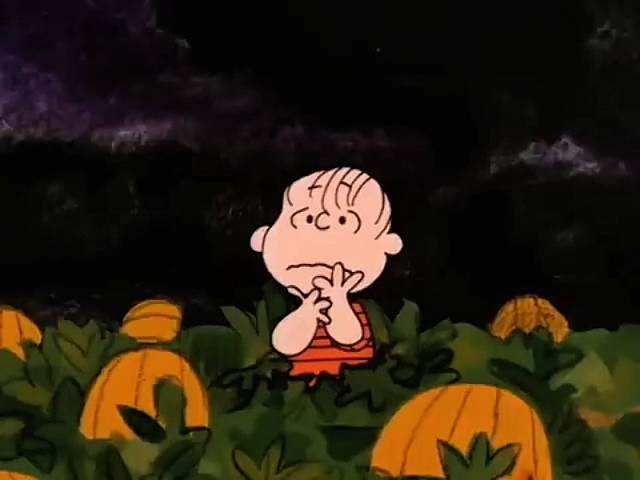
For millions of households, Halloween isn’t officially underway until the familiar strains of Vince Guaraldi’s jazz score signal the start of the 1966 CBS television special, It’s the Great Pumpkin, Charlie Brown. The premise is etched into the collective memory of American pop culture: while the rest of the Peanuts gang indulges in the standard rites of the holiday—donning costumes, trick-or-treating for candy, and carving jack-o’-lanterns—Linus van Pelt remains steadfast in a local pumpkin patch. He is not there for the sugar-fueled fun of his peers; he is there to keep a vigil, waiting for the arrival of the "Great Pumpkin," a mythical figure who, according to Linus, rises from the most "sincere" patch of earth to distribute toys to faithful children.
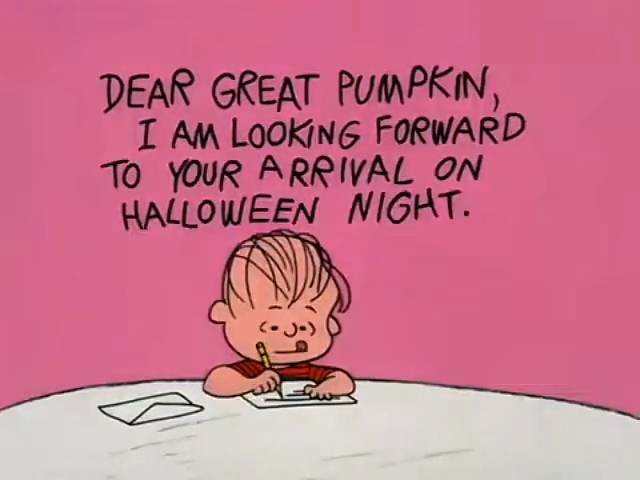
In the special, we see the familiar beats: Linus writing his earnest letters, attempting to proselytize his friends with the gospel of the Great Pumpkin, and eventually enduring the cold, lonely night as his conviction is met with nothing but silence. The Great Pumpkin never manifests. Yet, as the special concludes, Linus remains unswayed, vowing to return to the patch the following year. While this televised narrative serves as the definitive version of the story for the casual fan, those who have spent time in the archives of Charles Schulz’s original comic strip know that the Great Pumpkin was not merely a one-off gag for a holiday special. It was a recurring, multi-layered, and often darkly comedic obsession that Schulz nurtured for years before it ever reached the screen.
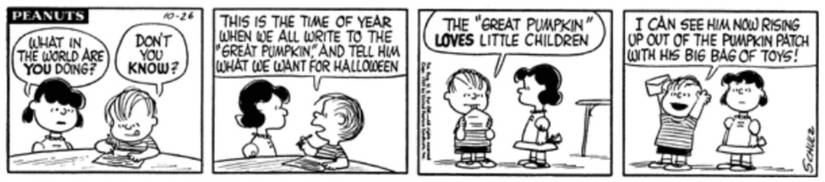
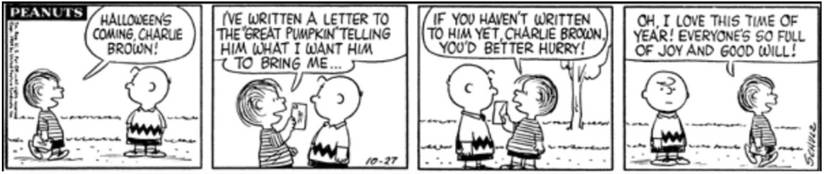
The mythology began in the daily strips, long before the animated special immortalized the concept. The first official mention of the Great Pumpkin arrived on October 26, 1959. In the panel, Linus is seen dutifully composing a letter to the entity. When his sister Lucy interrupts to demand an explanation for his strange behavior, Linus responds with his trademark earnestness, oblivious to her skepticism. "Don’t you know?" he asks. "This is the time of year when we all write to the ‘Great Pumpkin’ and tell him what we want for Halloween. The ‘Great Pumpkin’ loves little children. I can see him now, rising up out of the pumpkin patch with his big bag of toys!" Lucy, for her part, offers the only logical response: she stares at him, utterly dumbfounded.
Schulz was clearly onto something, as he returned to the well almost immediately. The very next day, he released a strip that echoed the previous one, with Linus continuing his lecture while Charlie Brown looks on, offering the same blank, confused expression. What followed over the next several years was a masterclass in comic pacing. Schulz wasn’t just recycling a joke; he was building a character study of a child who, despite living in a world of harsh reality and social rejection, clings to a private faith that is as endearing as it is baffling.
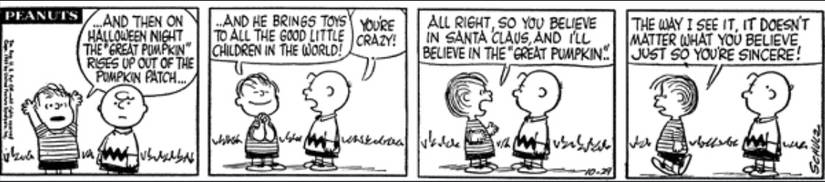
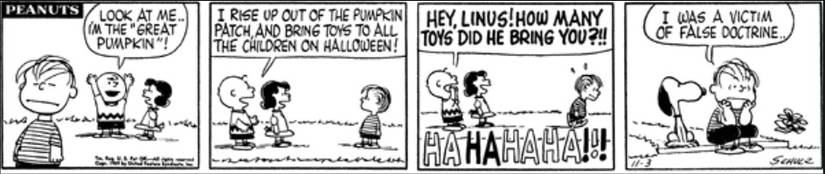
In subsequent strips, we see a variety of characters react to Linus’s obsession with a mix of pity and annoyance. It becomes a recurring point of contention, with Charlie Brown eventually reaching a breaking point, looking at his friend and bluntly stating, "You’re crazy." The humor in these early strips often stems from the contrast between Linus’s absolute, theological certainty and the stark, empty reality of the pumpkin patch. Even after the holiday passes and the Great Pumpkin fails to appear, the disappointment never seems to touch Linus. He doesn’t grow bitter; he simply resets, preparing for the next year with a level of dedication that feels both tragic and admirable.
By 1960, the obsession had evolved. In one memorable strip, Linus manages to drag a skeptical Charlie Brown into the patch with him. As they sit in the dirt, the true weight of the absurdity hits Charlie Brown. He poses a question that serves as the ultimate critique of Linus’s faith: "It just occurred to me that there must be ten million pumpkin patches in this country… What makes you think we’re in the right one?" It is a moment of profound existential dread delivered by a child in a baseball cap, highlighting the sheer, blind gamble Linus is taking.
The detail Schulz poured into these strips is perhaps what makes them hold up so well today. By 1961, Linus had begun citing historical "precedents" for the Great Pumpkin’s appearances. He speaks of a visit to the patch of "Boots Rutman in Connecticut" in 1959 and a visit to "R.W. Daniels of Texas" in 1960. The specificity of these names adds a layer of hilarious, pseudo-scholarly authority to Linus’s claims. It is surprising that these specific anecdotes didn’t make it into the 1966 special, given how much of the original comic material was adapted into the script. They serve to flesh out the world of the Great Pumpkin, making it feel like a genuine, if highly localized, phenomenon.
The tone of these strips also reveals something deeper about Linus. While the television special portrays him as a philosophical kid with a unique quirk, the comics often frame him as a true zealot. In one strip, he explains his persistence to Lucy by revealing he has already sent out 57 "pumpkin cards." His justification for this behavior is purely practical: "It would be economically disastrous for me not to believe it!" The line is strikingly similar to modern internet memes regarding financial ruin, highlighting how Schulz’s writing often touched on universal human anxieties, even when masked by a child’s obsession with a magical gourd.
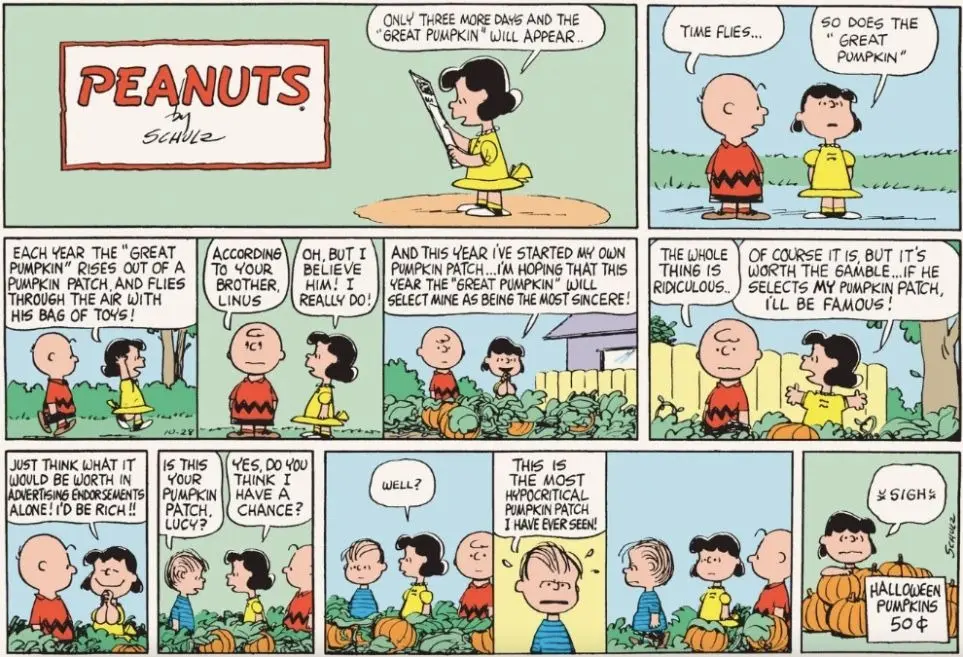
By 1962, the narrative reach of the Great Pumpkin extended to other characters. In a fascinating turn of events, Linus actually succeeds in converting Lucy to "Great Pumpkinism." Seeing an opportunity for material gain, she starts her own patch. However, the conversion is short-lived. Linus, ever the gatekeeper of his own mythology, turns on her, declaring her patch "hypocritical." He senses that her motivation—pure greed—is fundamentally incompatible with the sincerity required to summon the Great Pumpkin. Lucy, never one to waste her time on a failing venture, immediately pivots to selling her pumpkins, effectively ending her brief stint as a believer.
For those who have only experienced the television special, reading these strips in sequence offers a revelatory experience. It is akin to reading deleted scenes or discovering the source code of a familiar program. The reader sees the various ways Linus tries to win over his friends, and the increasingly creative ways they find to dismiss him. It transforms the Great Pumpkin from a simple plot device into a multi-year narrative arc.
Perhaps the most ambitious use of this theme occurred in October 1964. During that month, Schulz embarked on a storyline that initially seemed unrelated to Halloween: Linus running for class president. 1964 was an election year, and the timing was clearly deliberate. For two weeks, the strip was dominated by the campaign. Linus proved himself to be a surprisingly effective candidate, delivering speeches that were both powerful and revolutionary, causing a stir among his classmates. As he rose in the polls, it seemed that, for once, Linus was going to achieve a conventional, mainstream success.
Then, on October 21, 1964, Schulz delivered a narrative gut-punch. During his final, rousing speech—the moment that should have secured his victory—Linus pivots to his true passion: the Great Pumpkin. The transition is abrupt, total, and disastrous. In a single stroke, his political credibility evaporates. His classmates, previously enthralled by his rhetoric, are left confused and alienated.
Viewed in isolation, the strip is a cynical but funny look at how a single "extreme" position can derail a campaign. However, when viewed as the culmination of two weeks of building Linus up as a viable leader, it is a masterwork of comic timing. It underscores the "madman" aspect of Linus’s character; he is a boy who would sacrifice his social standing and his political future just to state his truth. The fact that Schulz spent weeks ignoring the Great Pumpkin only to make it the centerpiece of such a high-stakes moment is a testament to his brilliance as a storyteller. It was a bold move that cemented the Great Pumpkin as not just a Halloween gag, but as the core, defining element of Linus van Pelt’s character. It remains the crowning achievement of the Great Pumpkin saga, proving that while Linus may never have met his idol, he certainly possessed the unshakeable commitment of a true believer.