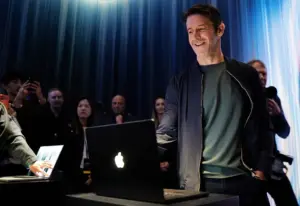









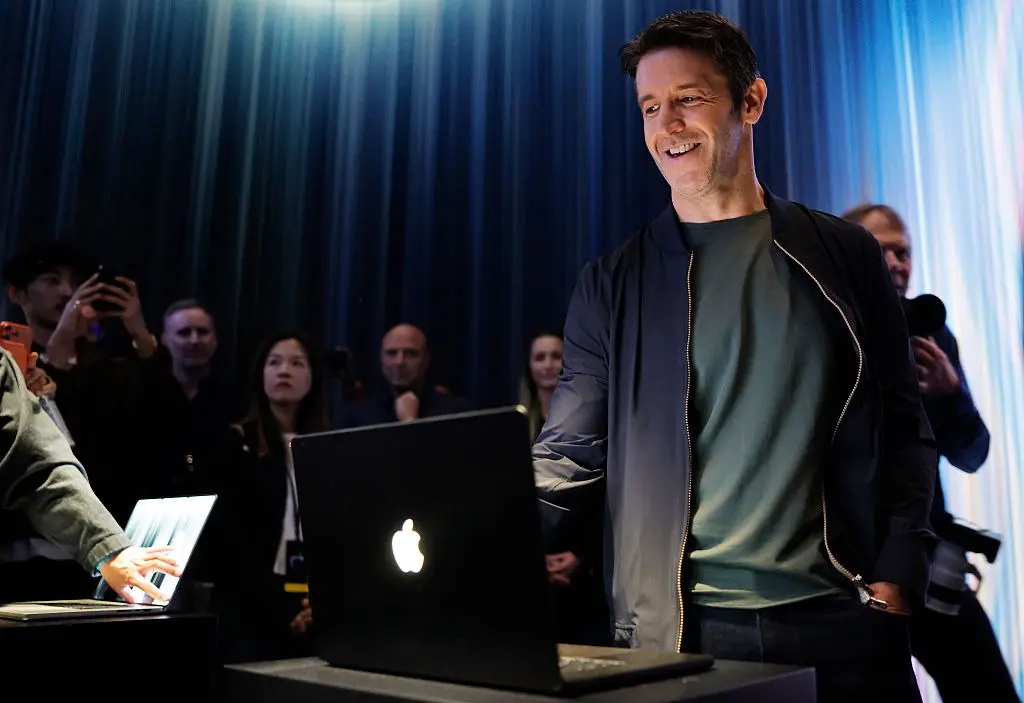
In the fast-evolving landscape of artificial intelligence, where tech giants are racing to integrate generative models into every facet of the digital experience, Apple has often found itself under the microscope. Critics have frequently pointed to the company’s measured approach as evidence of a late entry into the AI arms race. However, John Ternus, who stepped into the role of Apple’s CEO at the beginning of September 2026, is pushing back against the narrative that the Cupertino-based tech giant is falling behind. In a recent, wide-ranging interview with Wired’s Steven Levy, the new leader of the world’s most valuable company offered a spirited defense of Apple’s current position and its distinctive philosophy toward the technology that is currently reshaping the industry.
The discussion comes at a pivotal time for Apple. Over the past two years, the company has faced intense scrutiny regarding its AI roadmap, particularly as it navigated the delay of a significantly overhauled, more powerful iteration of its virtual assistant, Siri. That long-awaited update finally arrived this summer, though it was met with a somewhat tepid response from some critics who questioned whether the improvements were transformative enough to keep pace with the rapid advancements seen at competitors like Google, Microsoft, and OpenAI.
Despite the skepticism that has echoed through the tech press, Ternus remains resolute. When asked about the perception that Apple is playing catch-up, he acknowledged that the tech industry is a space where "everyone has an opinion." Yet, he pivoted quickly to an air of confidence, stating plainly, "I really like where we’re at."

A Philosophy of Purposeful Integration
For Apple, the integration of AI is not a sprint to claim market dominance through sheer volume of features, but rather a deliberate exercise in utility. During his conversation with Levy, Ternus emphasized that Apple is "absolutely going to leverage AI" across its new product lines. However, he drew a firm line in the sand regarding the motivation behind these deployments. Apple’s strategy, he indicated, is rooted in the belief that technology should be invisible—or at least intuitive—rather than an end in itself.
"We don’t want to ship AI for AI’s sake," Ternus told Wired. This sentiment echoes the company’s historical approach to hardware and software design, where the focus has long been on the user experience rather than the underlying technical specifications. In the view of the new CEO, the true measure of success for any new software feature is not the complexity of the machine learning model driving it, but the tangible value it brings to the user’s life.
Ternus elaborated on this by suggesting that when the technology is implemented correctly, the user shouldn’t need to stop and analyze the mechanism behind the experience. "When we’re doing it right, people won’t have to think about whether it was AI that made this happen or more traditional software," he said. "What matters is, did we build something that they really love?"
This philosophy reflects an attempt to differentiate Apple from competitors who are currently flooding the market with "AI-first" products. By focusing on the "human" element of product design, Ternus is signaling that Apple intends to remain a brand defined by the quality and cohesiveness of its ecosystem, rather than by the raw power of its language models.
The Human Element in a World of AI Agents
The interview also delved into the long-term existential questions facing the industry, specifically the rise of AI agents—autonomous software programs capable of performing tasks, managing schedules, and interacting with services on behalf of the user. Some analysts have speculated that if these agents become ubiquitous, they could render the traditional app ecosystem obsolete, potentially disrupting the business model that has defined the smartphone era for nearly two decades.

When Levy pressed Ternus on whether this shift toward agent-based computing could fundamentally alter Apple’s ecosystem or the way users interact with their devices, the CEO offered a response that balanced pragmatism with a clear vision for the company’s creative culture.
"That could make life really easy, I suppose," Ternus admitted, acknowledging the potential convenience that agentic AI could bring to the consumer. However, he pivoted back to the core values that have defined Apple’s development process since its inception. "But the creation of products is a deeply human and personal thing, something that we love to do."
This distinction is crucial to understanding the transition of leadership at Apple. As a longtime executive who played a key role in the company’s hardware development before ascending to the CEO role in September, Ternus brings a product-centric perspective to the top job. His comments suggest that even in an age where software can increasingly write its own code or execute complex tasks, Apple views the design and creation process as a human endeavor—one that requires human intuition, design sensibility, and a commitment to the user that a machine cannot inherently replicate.
Navigating the Future
The current moment marks a significant chapter for Apple. The transition from Tim Cook to John Ternus at the helm of the company has been closely watched by investors, tech analysts, and consumers alike. While the broader tech industry undergoes a radical transformation driven by generative AI, Ternus is positioning Apple to maintain its reputation for refinement and integration rather than raw, experimental expansion.
The challenge, of course, remains the same as it has for years: proving that a "slower and steadier" approach can still deliver the kind of market-defining innovation that Apple has historically been known for. With the revamped Siri now in the wild and new products on the horizon, the market is waiting to see how these AI-driven features will manifest in the company’s upcoming hardware releases.
Ternus’s comments suggest that the strategy moving forward will be one of refinement and subtle, high-impact implementation. By resisting the pressure to chase every trend, Apple is betting that its customer base will continue to prioritize an integrated, high-quality user experience over the chaotic, rapid-fire release cycles seen elsewhere in the industry.
As the company looks toward the next phase of its evolution, the core question remains: can Apple’s emphasis on "human" product design hold its own against the tide of automated, AI-generated services? For now, the leadership under Ternus seems perfectly comfortable betting on the former, emphasizing that the goal is not to lead the AI race at all costs, but to lead in the way that matters most to the end user. Whether that strategy will be enough to satisfy the demands of Wall Street and the tech community remains to be seen, but for the moment, the message from the top of Apple is one of confidence in the company’s deliberate, design-first direction.