











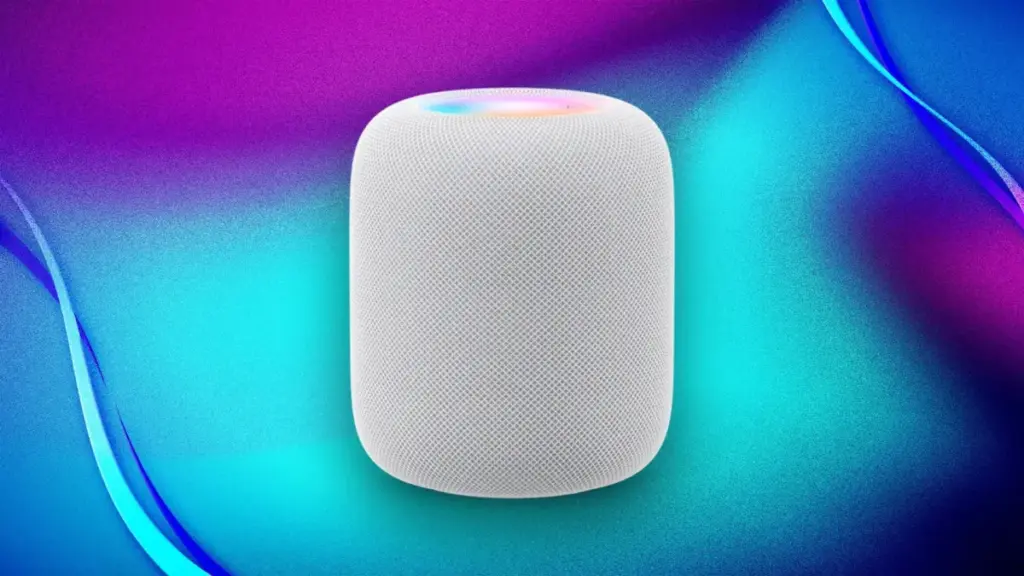
Shoppers looking to upgrade their home audio setups have a fresh opportunity to save, as major retail events continue to drive down prices across the consumer electronics market. While digital storefronts are currently dominated by sprawling promotional events like Amazon’s Prime Day, competitive discounts are popping up elsewhere. Among the most notable offers is a significant price cut on Apple’s flagship smart speaker, bringing the second-generation HomePod down to $289 at B&H, a notable reduction from its standard retail cost.
The promotion lowers the price of the white version of the HomePod by $60, dropping it from $349 down to $289. However, much like the broader retail sales happening across the web, this specific discount operates on a strict timeline. According to retailers, the window of opportunity to secure the speaker at this lower price point is brief, with the promotion scheduled to expire at the end of the day.
While the $60 savings offers a welcome break for consumers, the deal comes with a few caveats. The promotional pricing applies exclusively to the white colorway of the second-generation HomePod, leaving the midnight version at its standard price. Even with this color restriction, the discount achieves a notable milestone for prospective buyers. The reduction effectively wipes out the recent price increase that Apple implemented across several product lines earlier in the year, undercutting those hikes and making the high-end speaker notably more affordable than it has been in months.

Understanding the Second-Generation HomePod Experience
Apple positioned the HomePod as its definitive answer to devices like the Amazon Echo and other premium smart speakers on the market, focusing heavily on delivering high-fidelity audio performance rather than acting merely as a basic digital assistant. When Apple reintroduced the full-sized HomePod format, the company emphasized refined acoustic engineering, deeper bass response, and advanced computational audio features designed to automatically adjust sound reproduction based on the speaker’s placement within a room.
At its core, the device integrates Apple’s Siri voice assistant, allowing users to manage smart home automation, check weather forecasts, send messages, and organize schedules using voice commands alone. For music and entertainment enthusiasts, the speaker supports seamless, wireless streaming from various platforms, including Apple Music, podcasts, and supported third-party services.

While a single HomePod is engineered to fill a medium-to-large room with rich, balanced sound, the ecosystem also supports stereo pairing. Users who purchase two second-generation HomePods can link them together to establish a dedicated left-and-right stereo soundstage, a configuration frequently utilized for immersive music listening or as an enhanced audio output setup for a compatible television system. Despite this capability, the hardware remains robust enough on its own to serve as a primary standalone audio source for everyday household environments.
Exploring Alternative Smart Speaker Options
For consumers who view smart speakers primarily as utility-driven digital assistants rather than audiophile-grade music systems, alternative products present more budget-friendly pathways into home automation. The Amazon Echo Dot, for instance, occupies a completely different segment of the market, prioritizing a compact footprint that allows it to fit into virtually any space, from nightstands to cramped kitchen counters.
Alongside the HomePod promotion, the Amazon Echo Dot has also seen temporary price adjustments, dipping down to $40 during the current wave of retail discounts. Much like the Apple hardware sale, however, availability and promotional pricing on alternative devices remain tied to ongoing sales events, meaning shoppers have a limited timeframe to secure these lower rates.
Market watchers are also keeping a close eye on broader hardware trends within the smart home sector. Industry reports and ongoing rumors suggest that Apple may be preparing to expand its smart home ecosystem further. Speculation points toward potential updates, including a refreshed version of the smaller HomePod Mini and entirely new smart home hub hardware anticipated for release later in the month. For consumers weighing whether to invest in current audio equipment or wait for upcoming product cycles, these impending announcements add an extra layer of consideration to current purchasing decisions.
As retail promotions draw to a close, prospective buyers have only a few hours left to take advantage of the reduced pricing on both the second-generation Apple HomePod and alternative smart home devices before standard retail costs return.