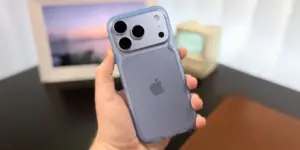











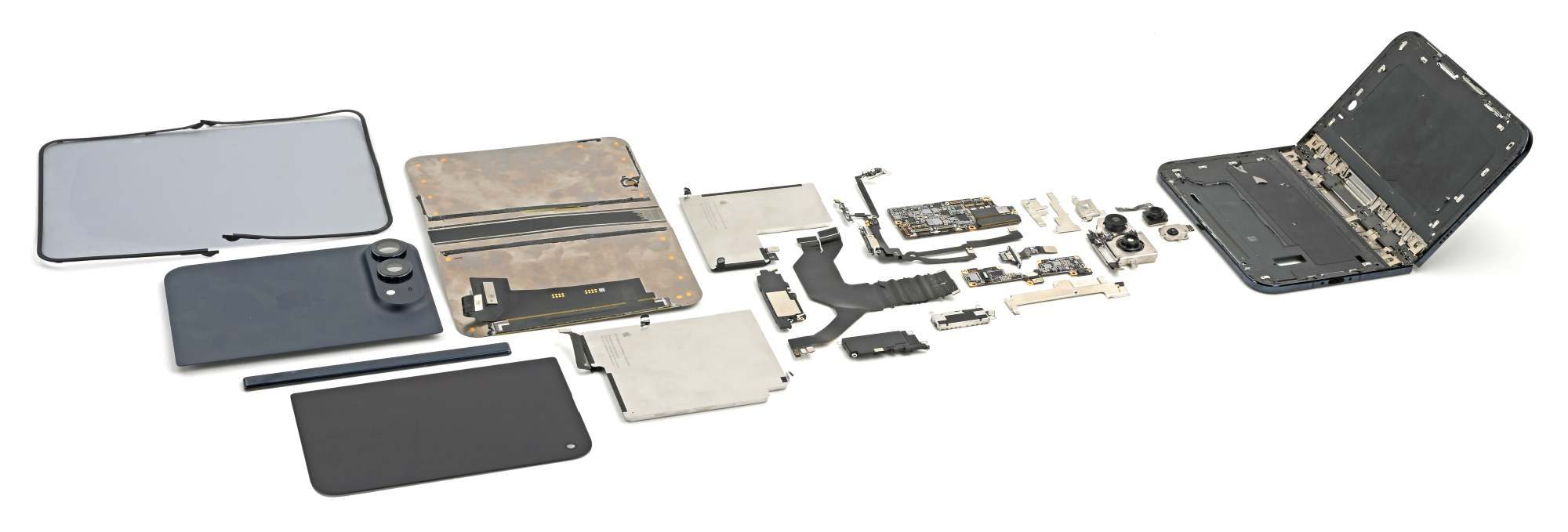
The arrival of a new flagship device from Apple almost invariably triggers a comprehensive teardown from the experts at iFixit, but the latest entry in their repairability catalog is unlike any that have come before it. The iPhone Duo, Apple’s long-rumored and highly anticipated foray into the foldable smartphone market, has finally been subjected to the full scrutiny of the iFixit team. Their findings offer a compelling, high-definition look at the sophisticated engineering required to make a folding display function, while simultaneously highlighting some concerning structural patterns that may explain early reports of screen failures among initial adopters.
In what serves as a significant milestone for the Cupertino-based tech giant, the iPhone Duo has achieved a repairability score of 5 out of 10. While a mid-range score might seem unremarkable for standard devices, iFixit has noted that this is the highest score they have ever awarded to a foldable smartphone. This provisional assessment, which is subject to change based on the eventual availability of official replacement parts, represents an encouraging start for Apple’s first-generation folding architecture. It suggests that while the complexity of the hinge and flexible screen makes the device inherently difficult to service, the internal layout has been designed with a level of modularity that stands out in a market where many competitors prioritize thinness and aesthetic cohesion over long-term serviceability.
A Masterclass in Hinge Engineering
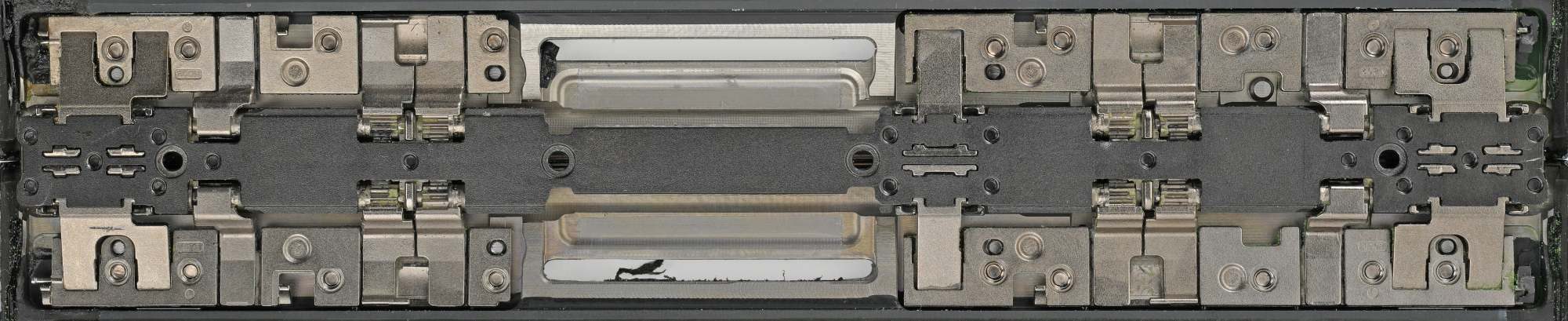
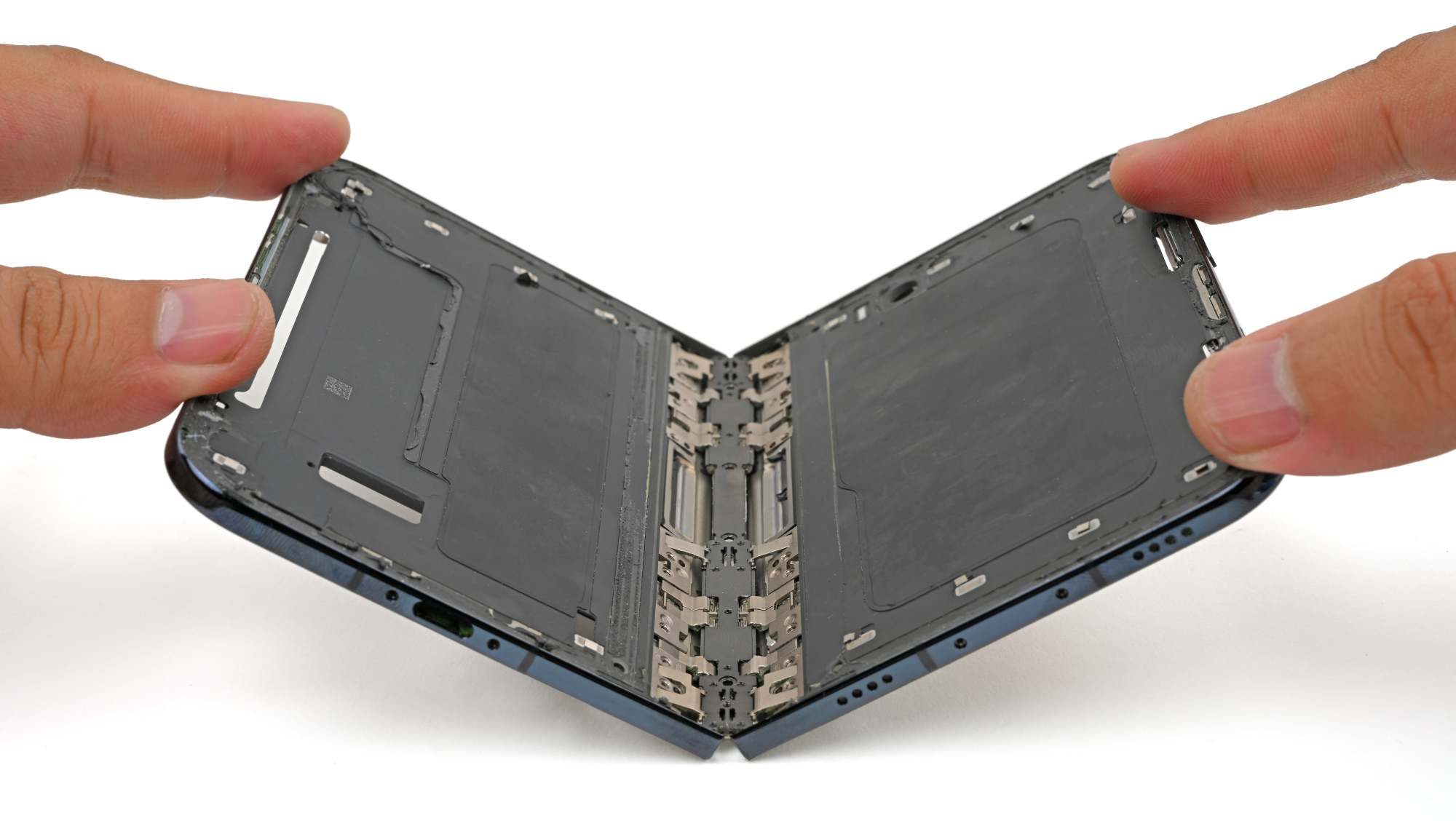
The primary focal point of the teardown is, naturally, the hinge mechanism. For years, industry analysts have parsed Apple’s various patent filings, looking for clues about how the company would eventually approach the unique mechanical demands of a foldable display. The reality, as revealed by iFixit, confirms that Apple has implemented a system far more intricate and robust than many of the initial patent sketches had suggested.

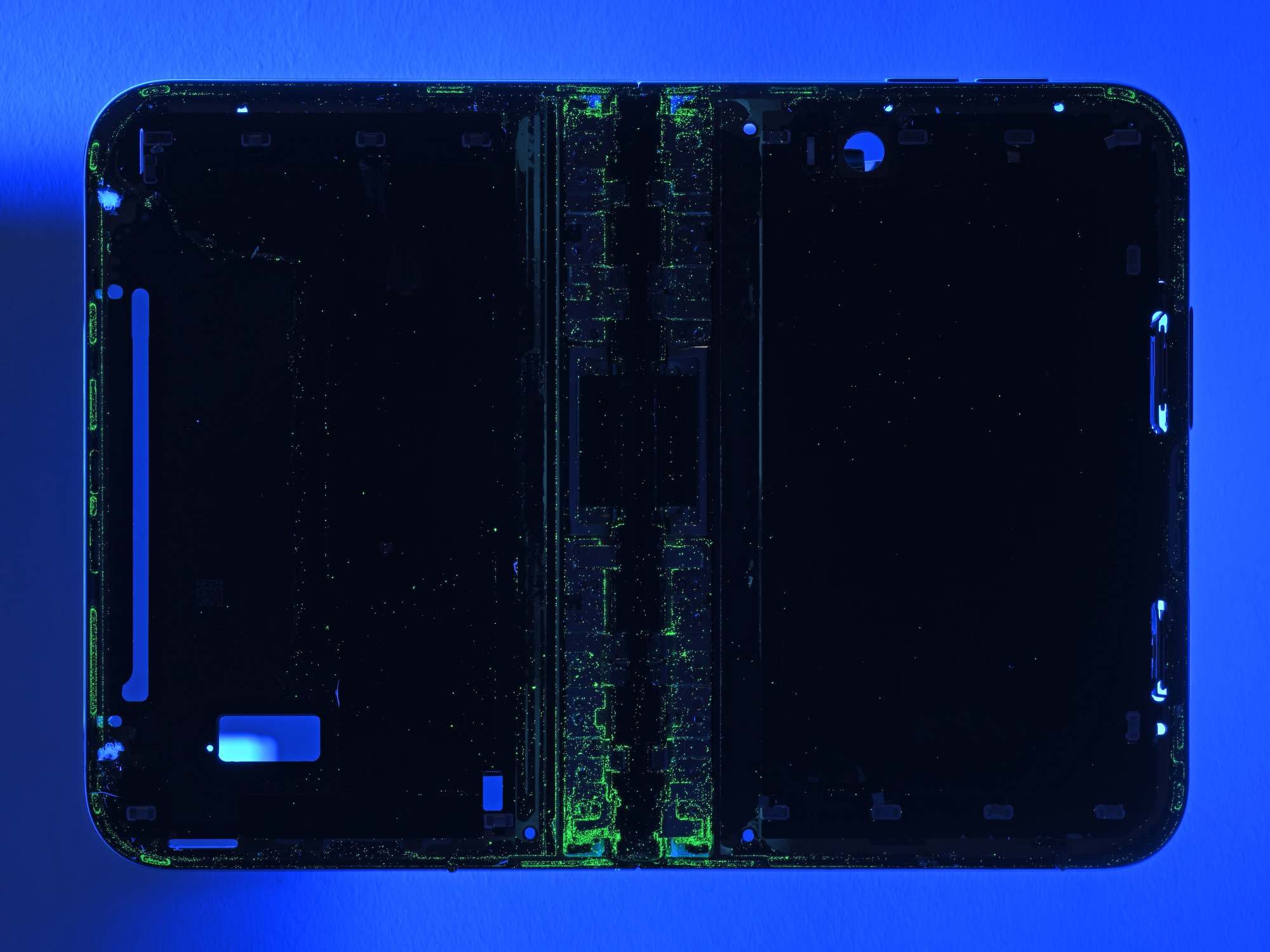
To test the device’s structural integrity against the hazards of daily use, iFixit employed their traditional fluorescent dust test. This process allows the team to track how particulate matter infiltrates the internal components during a controlled disassembly. Given that the iPhone Duo carries an IP68 rating—meaning it is effectively sealed against dust and capable of surviving submersion in up to 6 meters of water for 30 minutes—the internal cleanliness is a critical metric.
Interestingly, while the team noted that the hinge began producing a "crunchy" sound shortly after the introduction of dust, subsequent inspection revealed that very little debris had actually compromised the primary mechanical joints. When compared to the performance of other foldable devices currently on the market, the iPhone Duo’s internal sealing appears to be highly effective. The hinge assembly itself is a complex choreography of gears, springs, and interconnected metal joints. It utilizes a "waterdrop" design—a standard in the current foldable landscape—but one that Apple has refined with specific engineering flourishes, such as curved guides designed to manage joint movement. These guides serve a crucial purpose: they regulate the stress placed on the display panel as the device cycles between its folded and unfolded states, theoretically mitigating the wear that often plagues flexible OLED panels.
Investigating Reported Screen Failures
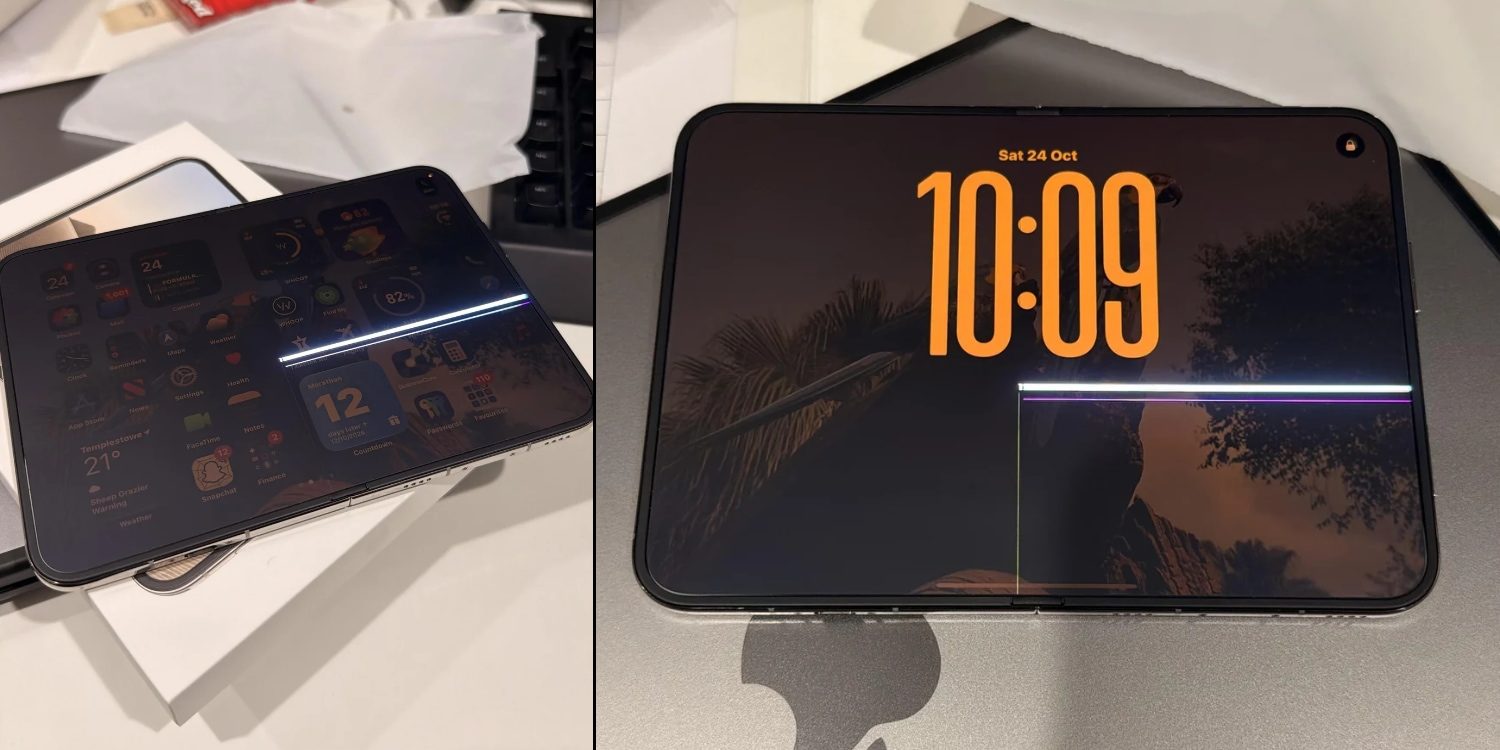
Despite the sophistication of the mechanical design, the iPhone Duo has not been immune to early-adopter complaints. Owners have reported instances of the inner display suffering from failures, often described as a loud, crunching sound during operation, followed by the appearance of bright, persistent lines across the screen. These reports have raised questions about whether the device’s internal geometry is placing unintended pressure on the delicate display layers.
By combining CT scans, detailed teardown observations, and a review of Apple’s relevant patents, iFixit has constructed a 3D model of the hinge to investigate the root causes of these failures. Their analysis points to several potential areas of concern. One theory involves a central support bar that may not be retracting with the necessary precision during the closing motion, which would exert localized pressure on the display. Another potential culprit is the movement of the curved rails themselves; if these components fail to track perfectly during the folding process, they could physically interfere with the screen.
Furthermore, iFixit’s observations suggest that the concentration of structural edges around the center of the device may be creating "stress hotspots." While the teardown does not provide a definitive diagnosis for every reported screen failure, the correlation between the reported damage and the specific mechanical layout of the hinge provides a clear roadmap for further investigation. It is a reminder that even the most meticulously engineered consumer electronics can face unforeseen physical challenges when subjected to the rigors of real-world use.
Microscopic Innovations in Display Technology
Beyond the mechanical structure, iFixit turned its microscopes toward the display technology itself. The iPhone Duo features a matte nano-texture finish, a design choice Apple claims helps to minimize the visibility of the inevitable crease by scattering reflected light. Under microscopic magnification, the screen surface reveals a landscape of tiny, rounded bumps. These features are precisely engineered to diffuse ambient light, effectively softening the appearance of the fold and making it significantly less distracting for the user.
Perhaps more intriguing is the subpixel arrangement. The teardown revealed that many of the subpixels are oval-shaped and oriented in non-uniform directions. This departure from standard pixel layouts is not merely cosmetic; iFixit noted that patents indicate this orientation is specifically designed to reduce diffraction artifacts, further contributing to the screen’s visual clarity.
The attention to detail extends to the inner selfie camera. Much like the infrared camera systems found in the iPhone 18 Pro, the Duo utilizes a modified pixel pattern in the region overlying the sensor. By increasing the gaps between pixels in this specific area, Apple allows more light to reach the camera underneath. The pixels here are also notably rounder and more uniform than those on the rest of the display, demonstrating a high level of technical refinement aimed at hiding the hardware while maintaining image quality.
Battery and Logic Board Considerations
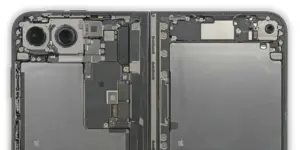
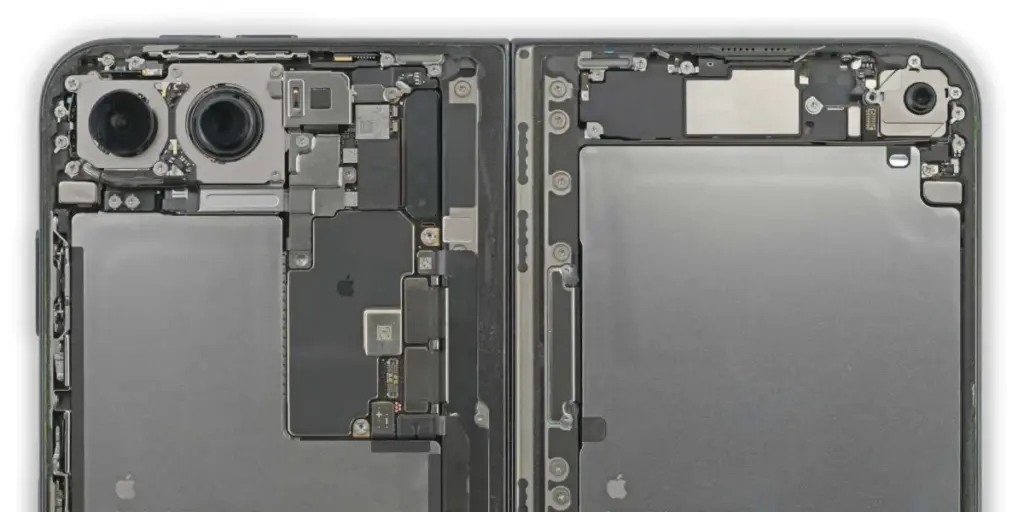
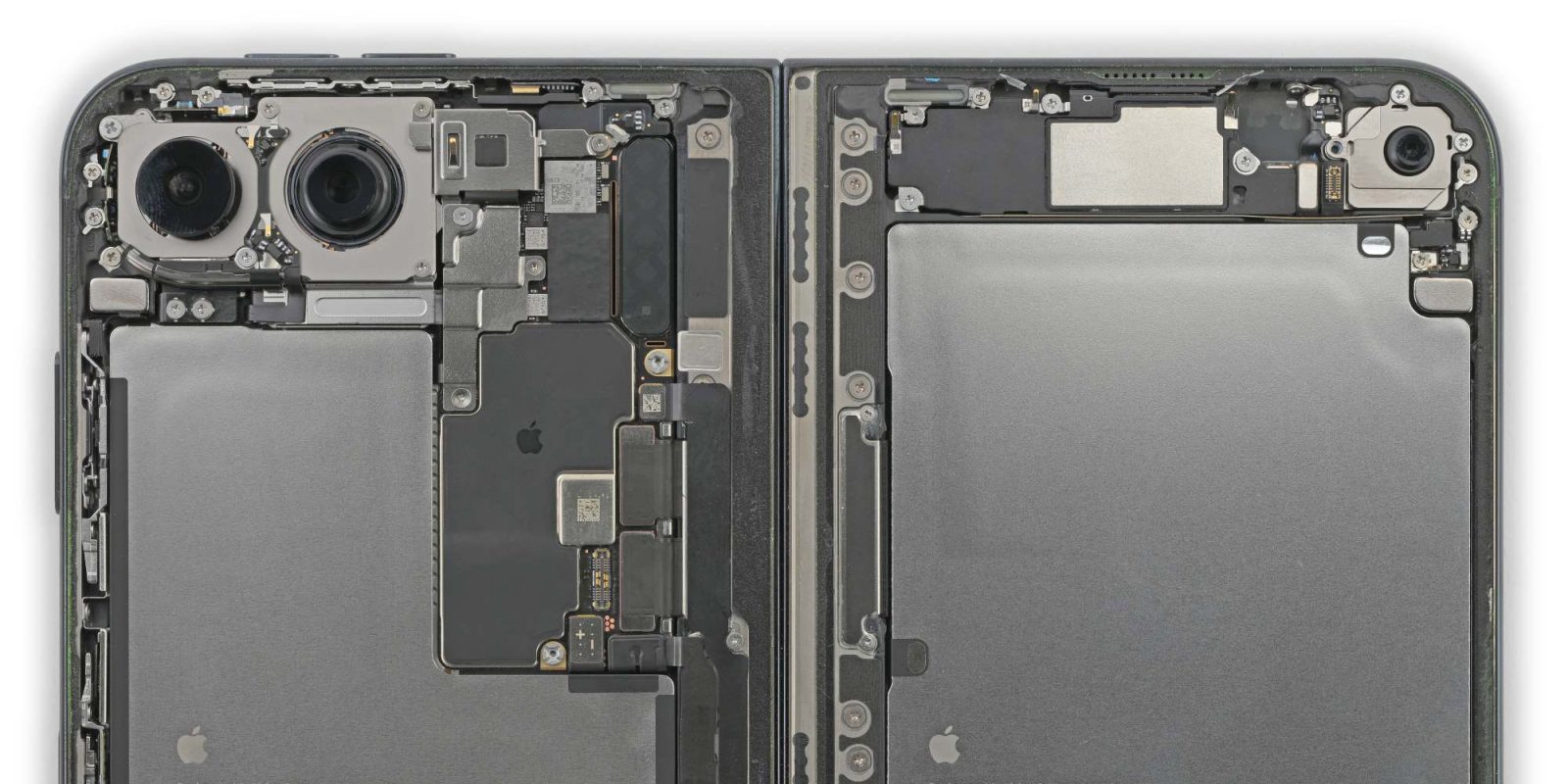
Repairability is often dictated by how difficult it is to reach internal components like the battery. In this regard, the iPhone Duo presents a mixed, though ultimately positive, picture. The device houses two separate battery cells: one positioned beneath the back glass and the other located beneath the outer display. This dual-battery configuration means that any comprehensive battery service requires the technician to open both halves of the phone.
However, Apple has made significant strides in the ease of removal. The use of electrically releasable adhesive on both cells is a notable improvement, allowing for the batteries to be extracted without the need for the dangerous, forceful prying that has defined many past repair experiences. The team at iFixit characterized this as the most user-friendly battery-removal experience they have encountered in the foldable segment thus far.
The logic board design also benefits from this modular approach. Coupled with a bezel design that utilizes physical clips rather than excessive adhesive, the inner screen is easier to access and remove than might be expected. The outer display is similarly accessible, which is a vital design choice considering that it must often be removed to access the deeper internal components of the device.

As the industry continues to evolve, the iPhone Duo stands as a testament to the ongoing struggle to balance durability, performance, and serviceability in the folding form factor. While the device is undoubtedly a complex piece of engineering, the insights provided by iFixit’s teardown offer a valuable window into how Apple is addressing the inherent challenges of the foldable market. Whether these design choices will be sufficient to overcome the early reports of screen instability remains a subject for further observation, but the technical groundwork for a more repairable future is undeniably present.