







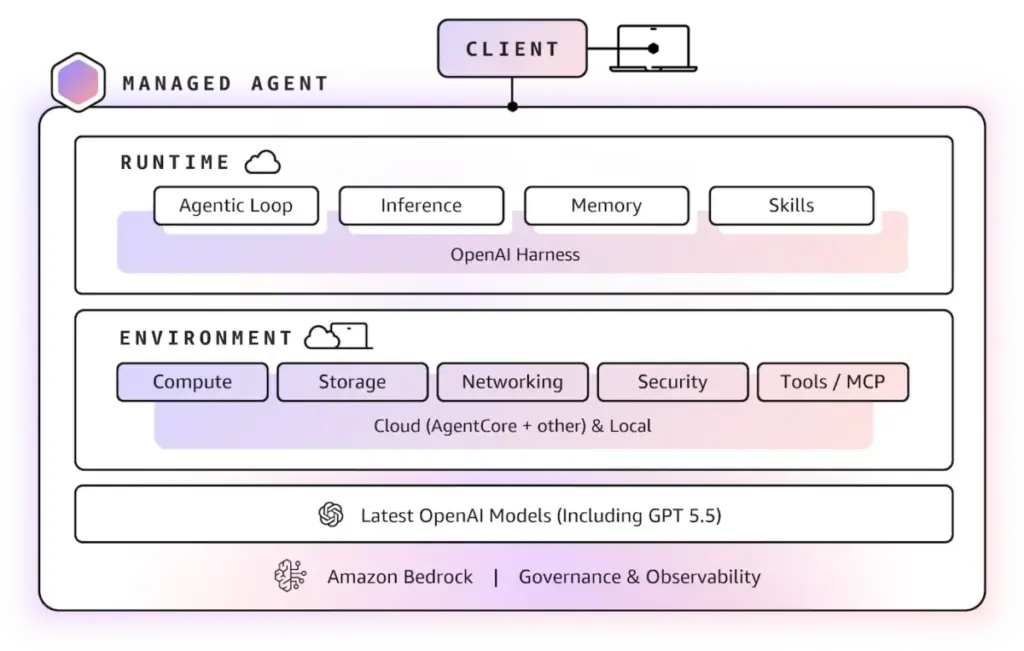
In a significant move to deepen the integration between industry-leading generative AI models and enterprise-grade cloud infrastructure, Amazon Web Services (AWS) has announced the public preview of Amazon Bedrock Managed Agents powered by OpenAI. This development represents a strategic evolution in how organizations can leverage high-performance AI models while maintaining the rigorous governance, security, and operational standards required for large-scale production environments.
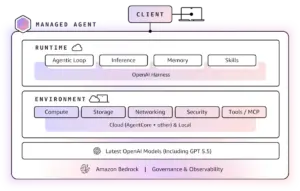
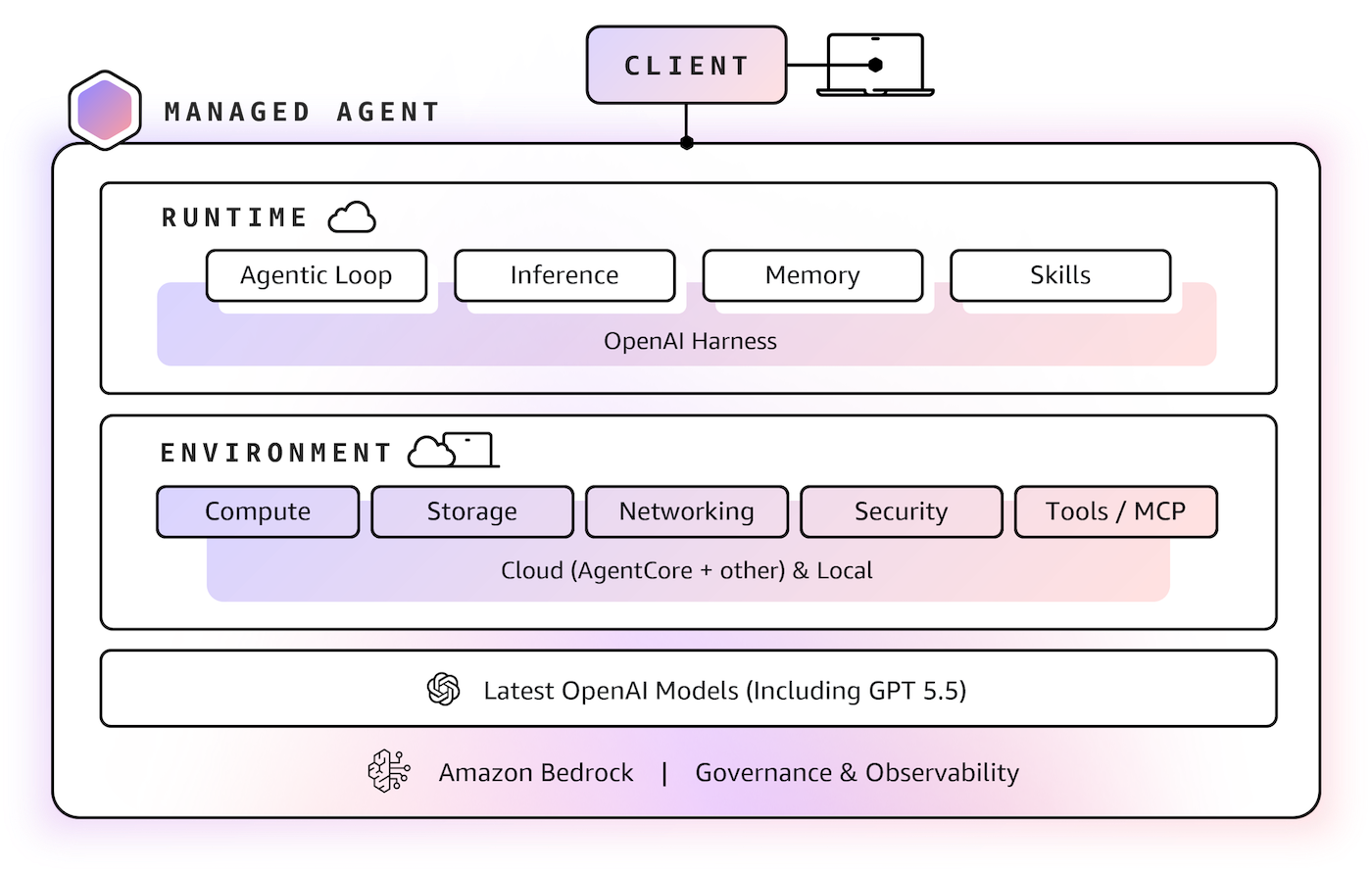
The new offering is built on a customized version of OpenAI’s Agents API, which has been meticulously engineered to be AWS-native. By bridging the gap between external AI innovation and the AWS ecosystem, this preview allows developers and enterprises to build, deploy, and scale agents that are fully optimized for OpenAI models, all while remaining entirely within the secure boundaries of their AWS environment. This integration ensures that the agents utilize the same identity management, fine-grained permissions, and comprehensive governance controls that AWS customers already rely on for their critical workloads.
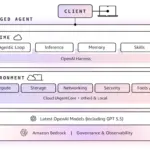
For many organizations, the primary hurdle in adopting advanced agentic AI has been the tension between accessing the most capable models and maintaining control over data privacy and infrastructure. With Bedrock Managed Agents, AWS addresses this by offering flexible execution environments. Developers now have the choice to deploy these agents via self-hosted compute, which allows them to leverage existing development machines, containerized services, or specialized compute environments. Alternatively, they can utilize the Amazon Bedrock AgentCore Runtime, a fully managed solution designed to simplify the operational burden of managing runtime sessions and configurable storage within their own AWS accounts. This duality of choice is designed to accommodate a broad spectrum of use cases, from lightweight experimental setups to complex, high-traffic enterprise applications.

The technical architecture behind this release emphasizes seamless integration with existing AWS resources. By operating as a first-class citizen within the AWS ecosystem, these agents can interact with other AWS services—such as data stores, compute clusters, and monitoring tools—with the same native ease as any other cloud-based application. This reduces the latency and complexity often associated with connecting third-party AI interfaces to internal infrastructure, creating a more cohesive and efficient developer experience. The documentation provided by AWS outlines how these components interact, providing a roadmap for teams looking to migrate their existing agentic workflows into this managed environment.
Beyond the immediate introduction of Bedrock Managed Agents, the company also confirmed its ongoing commitment to expanding the variety of frontier models available through Amazon Bedrock. This is part of a broader, continuous effort to ensure that AWS customers have access to the most advanced AI capabilities on the market without needing to migrate their underlying architecture. By keeping the model landscape within Bedrock diverse and up-to-date, AWS enables users to swap, test, and deploy different models as their specific project requirements evolve, ensuring that they are never locked into a single technological path.
As part of its commitment to transparency and operational stability, AWS continues to refine its service lifecycle management. The company recently provided updated guidance on its product lifecycle changes, emphasizing the importance of minimizing disruption for customers during periods of transition. These updates, finalized on September 29, 2026, detail the progression of various services as they move through different stages of their availability cycle.
For many businesses, the evolution of a service—from active development to maintenance, sunsetting, and eventually, end-of-support—is a critical factor in long-term infrastructure planning. AWS maintains that when the availability of a service or feature is adjusted, it is essential to provide clear, actionable guidance on alternative pathways and migration strategies. This proactive communication is designed to help teams maintain their operational momentum while navigating the inevitable shifts in cloud technology. By consulting the latest documentation on AWS Product Lifecycle Changes, customers can identify which of their current dependencies may require attention in the coming months, particularly as certain legacy components reach their end-of-support milestones.
The commitment to providing clear migration paths is a cornerstone of the AWS philosophy, aimed at ensuring that customers can confidently build on the platform even as individual services evolve. While changes in availability are sometimes necessary to make way for more efficient, performant, and secure solutions, AWS recognizes that these updates can impact internal operations. Consequently, the company encourages users to maintain close contact with their support teams and to regularly review the "What’s New with AWS" page to stay informed about upcoming changes that could affect their specific environment.

Beyond the technical announcements and lifecycle updates, the broader AWS ecosystem remains a hub of activity. The company continues to invest heavily in initiatives that connect developers, startups, and enterprise builders. Throughout the year, AWS hosts a wide variety of in-person and virtual events designed to facilitate knowledge sharing and professional networking. From the highly anticipated annual AWS re:Invent conference to smaller, community-led events like AWS Community Days, these gatherings serve as essential forums for builders to discuss new architectural patterns, share solutions to common challenges, and gain insights into the future of cloud computing.
The AWS Builder Center stands out as a particularly vital resource for those looking to deepen their expertise. By providing a centralized space where builders can connect with peers and access exclusive content, the platform helps sustain the continuous learning cycle that is required to thrive in a rapidly changing technical landscape. Whether it is through exploring new generative AI agents or optimizing existing legacy infrastructure, the resources provided by AWS are intended to empower builders to deliver more value to their organizations.
As the industry moves toward a future where agentic AI plays an increasingly prominent role in enterprise operations, the integration of tools like Bedrock Managed Agents signals a shift toward a more modular and flexible cloud experience. By focusing on security, governance, and operational ease, AWS is positioning itself to support the next generation of AI-driven development.
The pace of innovation in the cloud space shows no signs of slowing down. As demonstrated by the recent stream of updates and the ongoing expansion of the Bedrock model catalog, the focus remains squarely on enabling developers to move quickly and securely. For those working within the AWS ecosystem, the message is clear: the tools required to harness the latest in AI are becoming increasingly accessible, and the infrastructure supporting them is being built to grow alongside the ambitions of the developers using them.
For those who rely on these updates to steer their technical strategy, the consistency of the AWS release cycle remains a key asset. By keeping a close watch on official channels, including the "What’s New" page and the various AWS blogs, builders can ensure they are well-positioned to adopt new features as they arrive, and to phase out legacy components before they reach the end of their lifecycle. As the calendar heads toward the end of the year, the focus will likely remain on the intersection of generative AI, high-performance computing, and enterprise-grade reliability, continuing the trend of transformation that has defined the cloud industry over the past decade. The weekly updates will continue to provide the pulse of these changes, offering the guidance necessary to navigate the complexities of modern cloud infrastructure.