




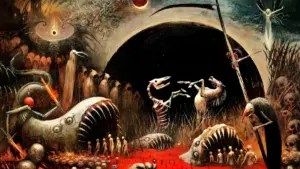





The release of this year’s open-world RPG The Blood of Dawnwalker has sparked a renewed industry debate regarding the nature of player agency. For decades, the gold standard of "choices that matter" has been tethered to a specific, predictable architecture: massive, dramatic narrative shifts and hundreds of distinct endings. We have been conditioned to evaluate the success of a branching narrative by the sheer volume of its permutations.
In the wake of Baldur’s Gate 3, which captured the cultural zeitgeist largely through its exhaustive list of final outcomes, and the enduring legacy of the Mass Effect trilogy—a series often remembered more for the restrictive nature of its final chapter than the smaller, cumulative choices that defined the journey—it is worth asking if our definition of meaningful choice has become too narrow. When we look exclusively at the destination, we often overlook the journey.
Large-scale narrative branches are undeniably satisfying. They provide a sense of influence over the digital worlds we inhabit and the characters we come to cherish. Yet, much like the conventions of romance in video games, the "branching tree" model has become somewhat stale. It has reached a point of diminishing returns where players can often predict the mechanical triggers behind these choices. To find the next evolution of interactive storytelling, we must look toward titles that utilize branching narratives in bold, unexpected, and often subversive ways.

Zero Parades: For Dead Spies
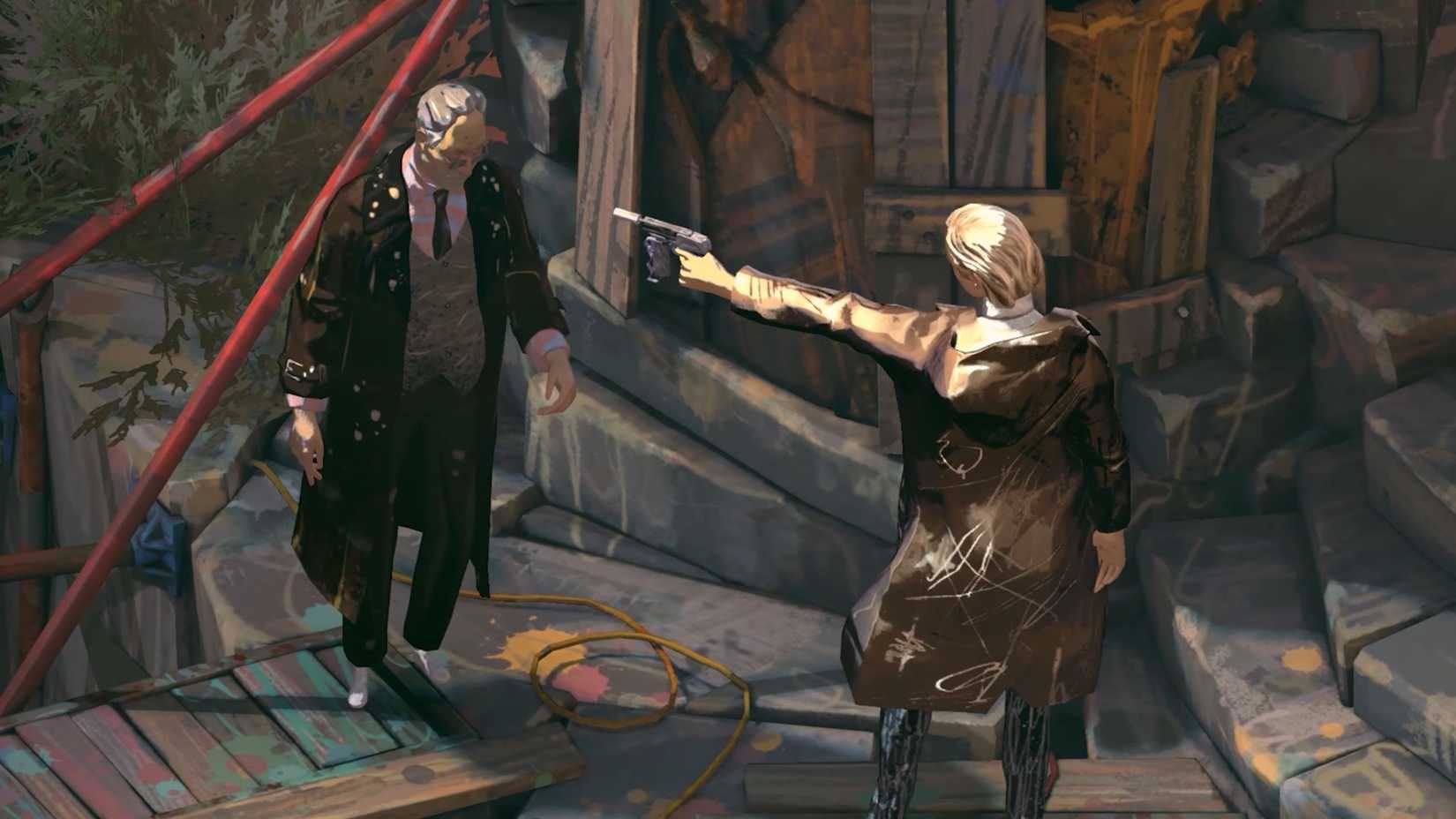
Released on May 1, 2026, Zero Parades: For Dead Spies stands as a rare achievement in interactive media. It is a game where choices function not just as switches for plot progression, but as fundamental tools for character embodiment. The protagonist, Hershel, is a former spy thrust into a disorienting, high-stakes mystery in the town of Portofiro. Having been decommissioned under mysterious circumstances, she finds herself in a room with a comatose stranger, completely devoid of memory regarding her recent past.
While the game employs standard CRPG mechanics—persuasion checks, knowledge attributes, and social maneuvering—it subverts the traditional utility of these systems. In many RPGs, a high skill check might simply unlock a locked door or provide a piece of supplementary lore. While these "consolation prizes" exist in Zero Parades, the game’s writing elevates them to something far more vital. Successfully passing a check doesn’t just grant information; it fundamentally alters the player’s perspective on the central mystery.
The game is as much about managing internal states—fatigue, anxiety, and delusion—as it is about external plot progression. A player might find themselves bonding with a drunken businessman over a shared, surreal delusion involving a goddess. This is not merely a side quest; it is a mechanical risk. If the delusion stat maxes out, the character dies.

What makes Zero Parades exceptional is its commitment to the "yes, and" school of improvisational storytelling. Even when a player makes a disastrous or fatal decision, the game rarely forces a simple "Game Over" screen. Instead, it weaves that failure into the fabric of the story, forcing the player to navigate the consequences of their mistakes. It keeps the player in a state of perpetual, grounded uncertainty. You are not a god-like entity curating the perfect ending; you are Hershel, winging it in a hostile environment. It is a level of character embodiment that surpasses even its spiritual predecessor, Disco Elysium, by forcing the player to confront the frailty of the human psyche in the face of political intrigue.
Slay the Princess
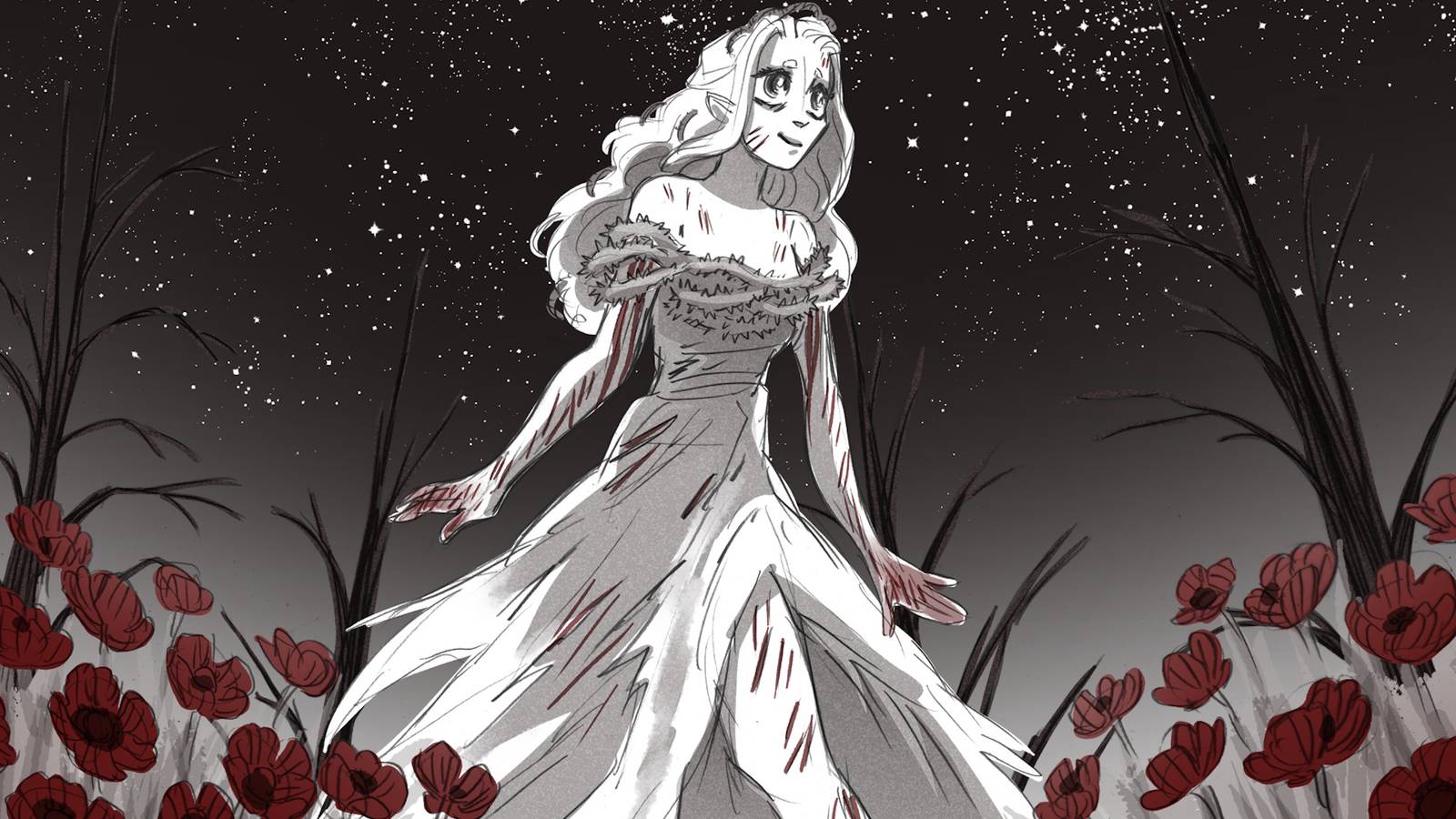
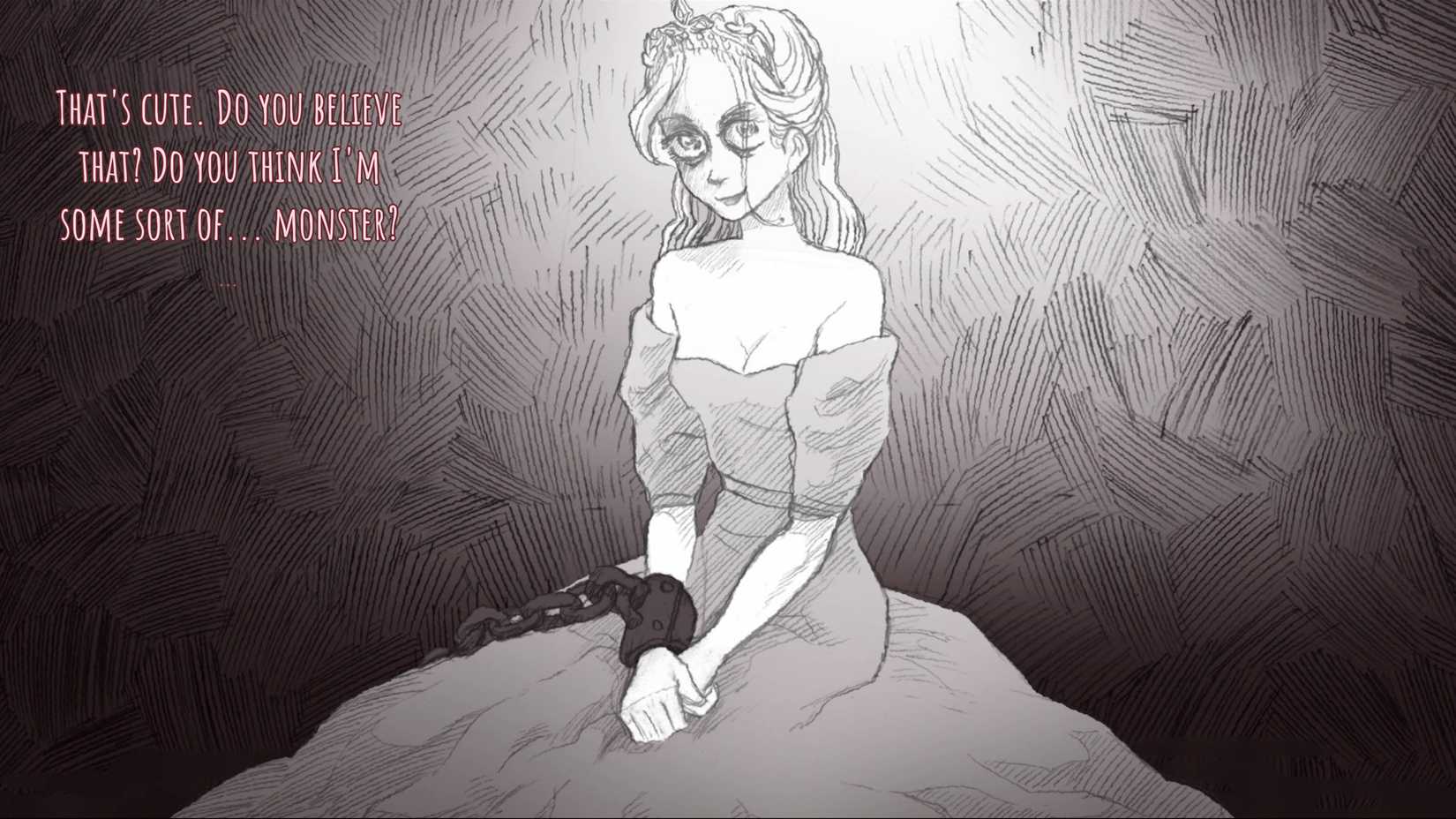
Black Tabby Games has long been interested in the experimental fringes of the visual novel genre, a mission they continued with the 2023 release of Slay the Princess. By stripping away the bloat of traditional open-world RPGs, the developers created a contained, claustrophobic experience that redefines how narrative branches can function. The premise is deceptively simple: you are a warrior tasked with entering a cabin and slaying a princess who is, according to your narrator, a world-ending threat.
The genius of Slay the Princess lies in how it handles the weight of player agency. When you interact with the world, the story does not merely branch—it reacts. Refusing to enter the cabin is not a "wrong" choice; it is an entirely valid narrative path that leads to a completely different set of consequences.
The game challenges the obsession with "number of endings" as the primary metric of quality. While Slay the Princess features a set of distinct, resolved outcomes, the true value of the game lies in the iterative nature of its paths. Because the player carries the knowledge of previous runs into subsequent ones, the narrative becomes a dialogue between the player and the game’s reality. If the princess has brutally murdered you in a previous iteration, your subsequent interactions with her are colored by that trauma. You are not just making choices based on a menu; you are making choices based on a cumulative, personal history.
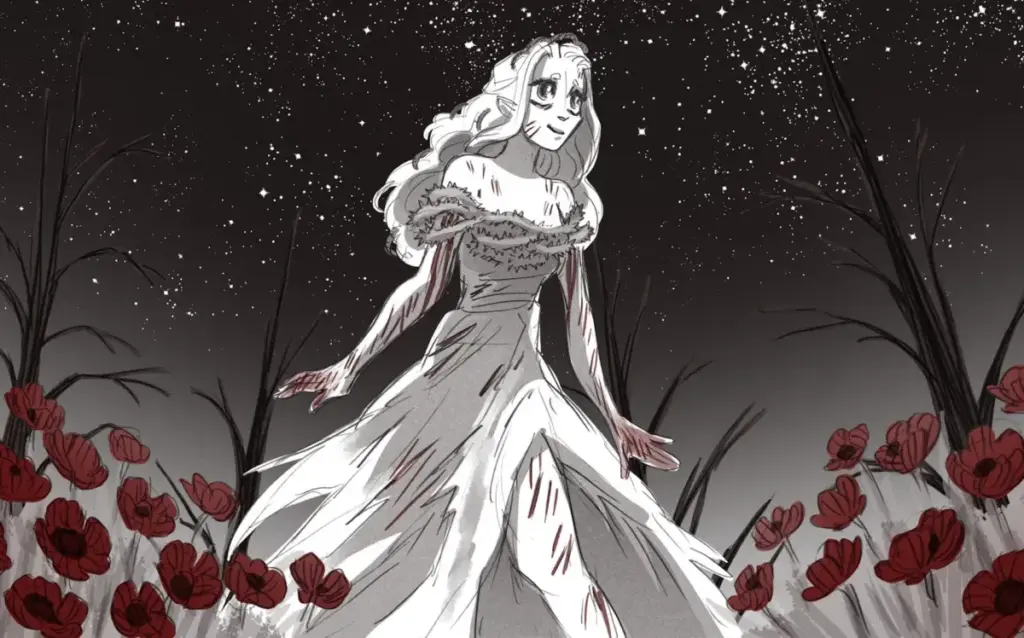
This creates an intensity that is impossible to replicate in games that prioritize scope over depth. Black Tabby Games’ other project, the horror-RPG Scarlet Hollow, continues this philosophy. Although the game is still in development, its commitment to nuanced relationship building and an unconventional approach to the horror genre further proves that the most "meaningful" choices are those that alter the player’s perception of the world, rather than just the final slide of a credits sequence.
The Hundred Line: Last Defense Academy
Perhaps the most radical departure from traditional choice-driven design is The Hundred Line: Last Defense Academy. Released in April 2025, the game presents a scenario that seems ripped from the pages of a high-stakes supernatural thriller: a group of students is abducted, whisked away to a mysterious school, and granted blood-magic superpowers to fight monsters invading Tokyo.
For the first 30 hours, the game is remarkably linear. It offers a structured, traditional experience that leads to a definitive, if abrupt, ending. However, the game’s true nature is only revealed upon the start of a second, parallel journey. The game essentially resets, allowing the player to manipulate the timeline with a level of agency that feels both exhilarating and terrifying. A single, small action can trigger a cascade of events that completely transforms the storyline and the fates of every character in the school.
The Hundred Line is a masterclass in subverting player expectations. It presents 100 potential endings, and it explicitly ignores the concept of a "canon" path. The game treats its absurd, humorous endings with the same narrative weight as its most traumatic and serious conclusions. This structure turns the act of choosing into a philosophical exercise. In a world where every outcome is equally valid, the "correct" choice becomes irrelevant. Instead, the player is left with the frantic, addictive question: "What could possibly happen next?"
By empowering the player to drastically change the world while simultaneously stripping away the ability to control the nature of those changes, the developers at Too Kyo Games created something truly unique. It is a defiant, even chaotic approach to the medium that challenges the player’s desire for a curated, logical progression. While the ambition of such a project nearly pushed the studio to the brink of bankruptcy, the result is a milestone in game design—a title that proves that sometimes, the most memorable stories are the ones that refuse to give the player exactly what they think they want.