







Science fiction, by its very nature, is a genre built on the promise of infinite scope. From the sprawling intergalactic political machinations of Star Wars and Star Trek to the enduring, terrifying mystery of the Alien franchise, the genre thrives on its ability to build entirely new realities, galaxies, and complex histories that can expand indefinitely. Fans of speculative fiction often become accustomed to the "long game"—investing years of their lives into shows that require massive time commitments to fully flesh out their expansive world-building. However, there is a distinct, understated power in the miniseries format. For those who crave the high-concept imagination of sci-fi but lack the time or inclination for a decade-spanning commitment, the miniseries offers a rare, contained, and often more impactful experience. These stories are designed to be consumed in a single weekend, offering a beginning, middle, and end that respect the viewer’s time while still delivering the intellectual and visceral thrills the genre is known for.
While science fiction series are produced in abundance, few manage to leave an indelible mark within the compressed timeframe of a limited series. Major, multi-season endeavors like The Expanse or Westworld rely heavily on their capacity for slow-burn character development and intricate, long-form storytelling that requires substantial breathing room. Conversely, the best miniseries must be masterclasses in efficiency and thematic focus. Whether you are searching for adrenaline-fueled action sequences, existential philosophical inquiries, or cautionary tales about the future of humanity, there are several standout entries that provide a complete, high-quality viewing experience capable of being finished in just a few days.
Station Eleven
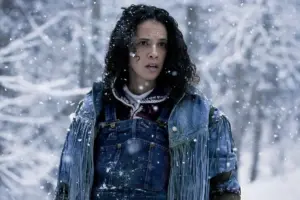
Few post-apocalyptic narratives have managed to capture the human condition with as much grace and heartbreak as Station Eleven. While many stories set in the aftermath of a societal collapse are preoccupied with the gritty, often nihilistic details of survival, Station Eleven stands apart by prioritizing the endurance of art and culture. Spanning twenty years following a devastating flu pandemic that essentially resets human civilization, the series follows a wandering troupe of actors and musicians who strive to preserve the memory of the world that came before.
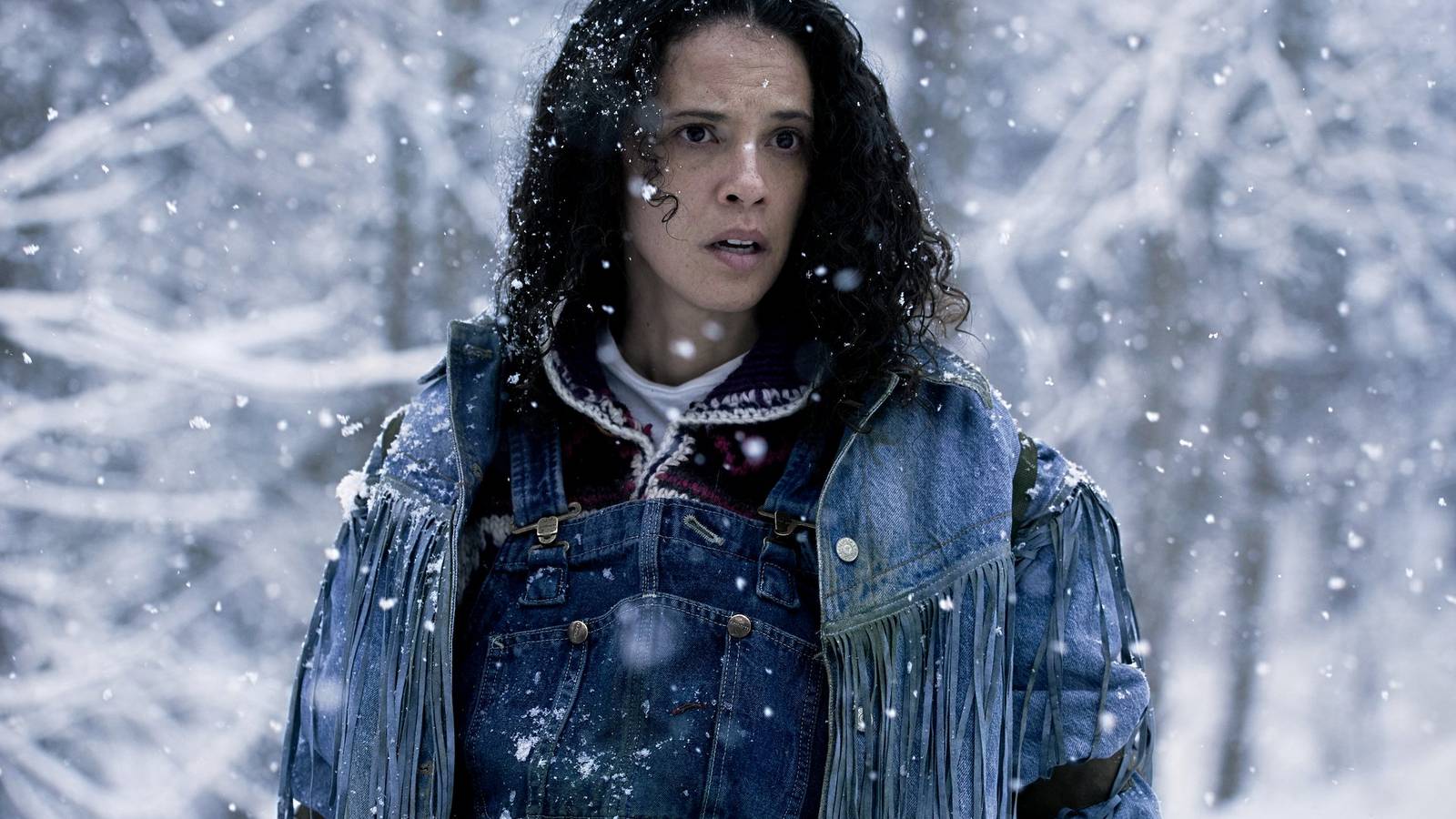
Rather than focusing solely on the mechanics of dystopia, the show uses the non-linear structure of its ten episodes to explore grief as a universal language. It suggests that even in the absence of electricity, government, or infrastructure, humanity’s need to create and perform remains fundamental. There is certainly tension and violence to be found within its world, but the payoff is remarkably earned, focusing on reconciliation and the quiet beauty of survival. It remains a poignant, binge-worthy look at how we heal through the stories we tell.
Watchmen
Damon Lindelof, the creative mind previously behind the intricate puzzle-box mysteries of Lost and the emotional weight of The Leftovers, brought his unique sensibilities to the world of Watchmen. Serving as a sequel to the seminal 1986 graphic novel by Alan Moore and Dave Gibbons, the miniseries manages the difficult task of honoring the source material while evolving it into something entirely new. Set in an alternate reality where the masked vigilante era has long passed, the show picks up in Tulsa, Oklahoma.
The narrative is driven by a conflict between a white supremacist organization that has co-opted the imagery of the character Rorschach and the local police department, who have been forced to adopt masks to protect their identities from targeted violence. Regina King stars as Angela Abar, a detective who finds herself untangling a web of historical trauma and deep-seated conspiracies. The show excels by grounding its fantastical superhero elements in genuine American history and social commentary, making it one of the most intellectually rigorous pieces of genre television produced in recent memory.

Bodies
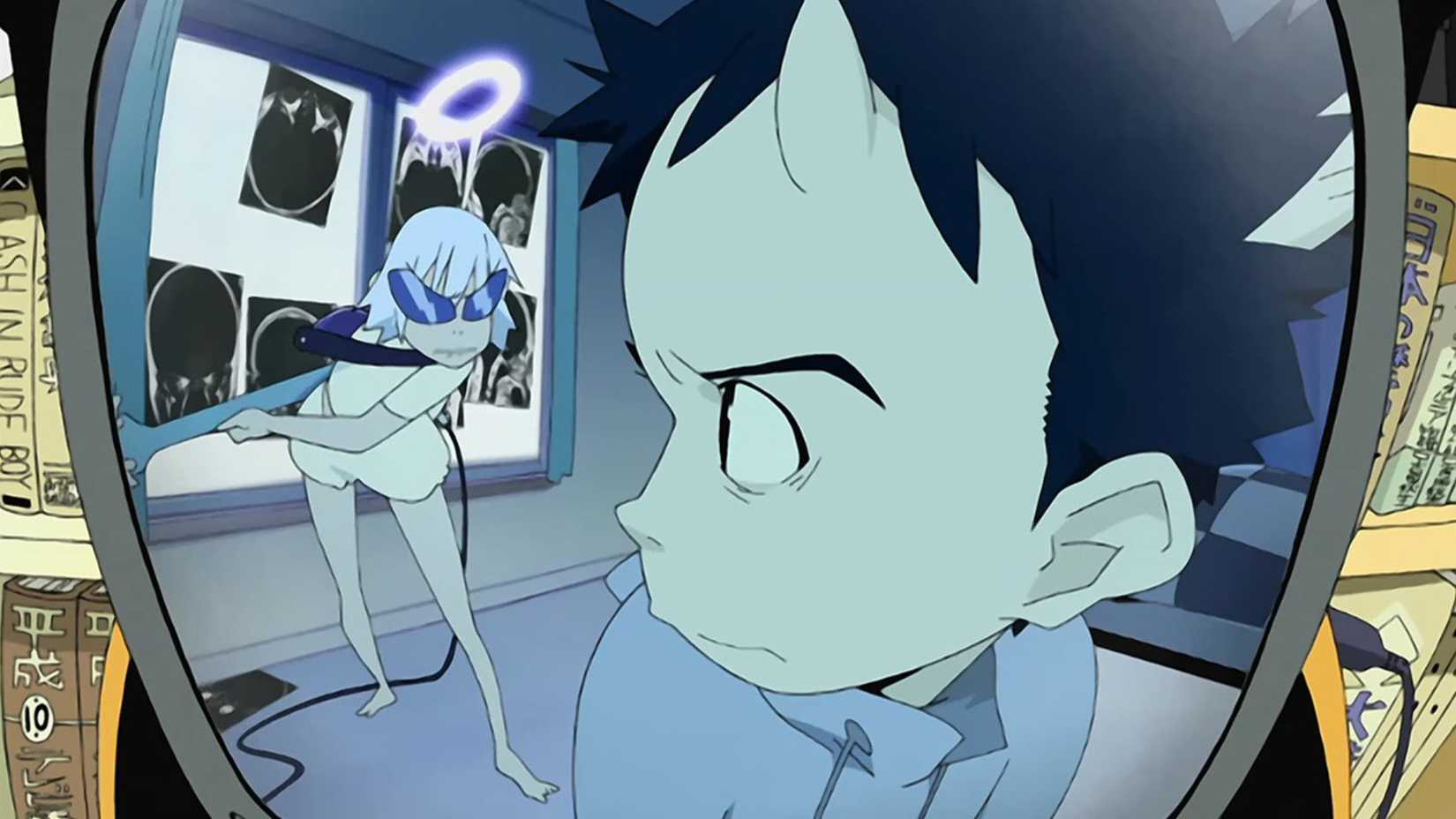
Time travel is a notoriously difficult genre to get right, often becoming tangled in the knotty logic of paradoxes. Bodies manages to bypass this fatigue by grounding its high-concept premise in a classic murder mystery structure. Based on the graphic novel by Si Spencer and Dean Ormston, the series presents a compelling puzzle: the same corpse is discovered in London at four distinct points in time—1890, 1941, 2023, and 2053.
The brilliance of the show lies in how it balances the investigative procedural with the unique atmosphere of each era. The detectives, separated by decades, must grapple with the limitations of their respective times, from the Victorian era to a futuristic, dystopic London. It is a taut, eight-episode mystery that uses its cast effectively, leaning into the changing societal moods of its settings. For those looking for a fast-paced, intellectually stimulating weekend watch, Bodies provides a satisfying, cohesive answer to its own central mystery.
Years and Years
Russell T Davies, the visionary showrunner credited with revitalizing Doctor Who for modern audiences, took a darker, more grounded turn with Years and Years. This dystopian drama traces the lives of the Lyon family over fifteen years, from 2019 to 2034. As the family navigates the mundane realities of their lives, they simultaneously witness the rapid acceleration of political instability and technological disruption in Britain.

The series is anchored by the rise of Vivienne Rook, a populist politician played with chilling charisma by Emma Thompson. Rook serves as a terrifying mirror to contemporary political figures, making the show feel uncomfortably plausible. By focusing on the personal impact of global events on a single family, Years and Years creates a sense of intimacy and dread that is hard to replicate in larger-scale sci-fi. It is a cautionary tale that manages to be both emotionally devastating and deeply compelling.
FLCL
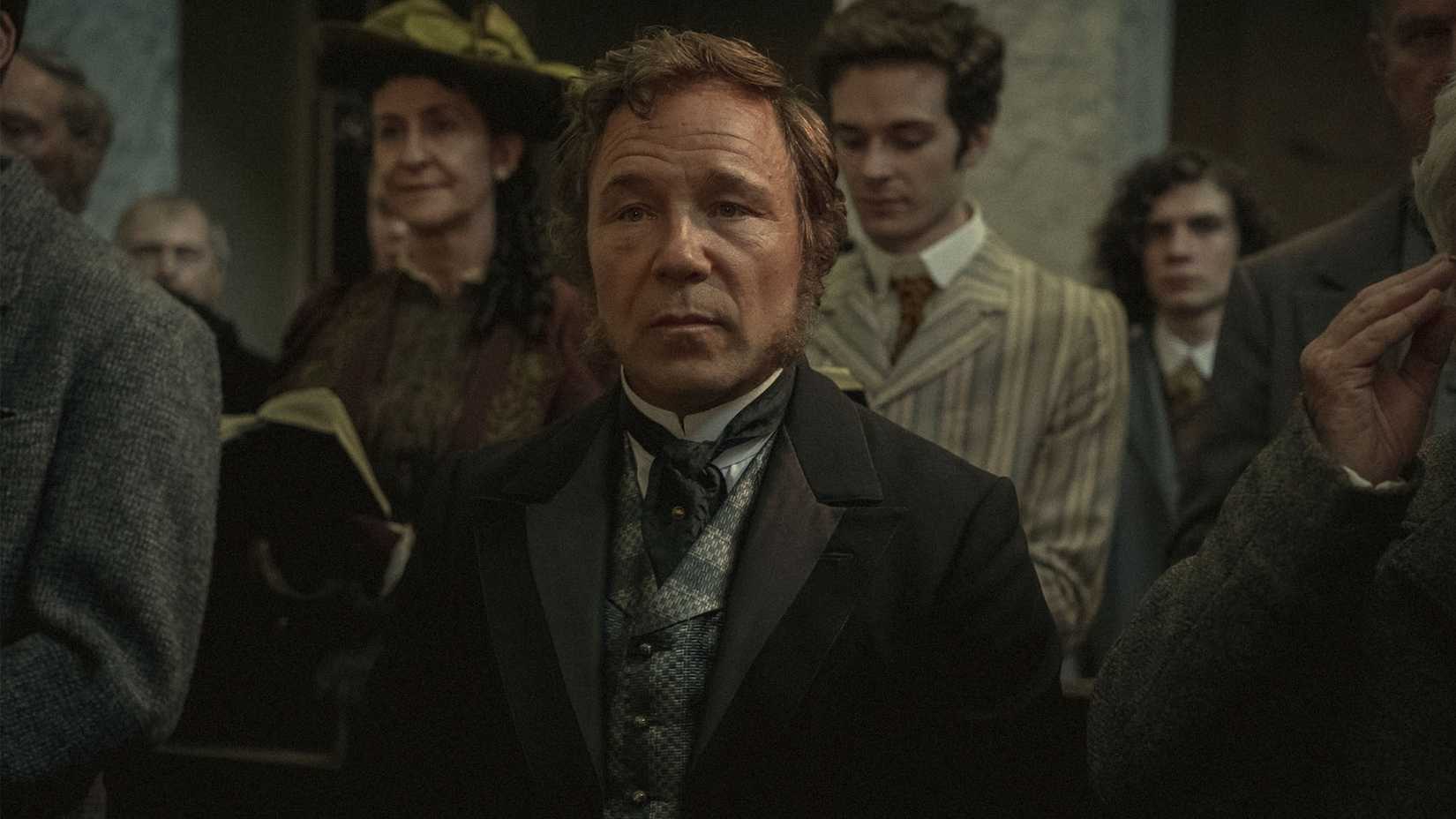
Often cited as a masterpiece of the anime medium, the original six-episode run of FLCL (Fooly Cooly) is a vibrant, chaotic, and deeply resonant coming-of-age story. The plot centers on 12-year-old Naota Nandaba, whose life in a quiet suburb is upended by the arrival of the mysterious, motorcycle-riding alien Haruko Haruhara. After a bizarre collision involving a bass guitar, Naota finds himself at the center of an intergalactic conflict, with robots and weapons inexplicably emerging from his head.
Beyond the frenetic energy and the inventive blend of traditional animation and 3D CGI, FLCL is ultimately a character study about the anxieties and confusion of growing up. Its short length allows for a dense, experimental narrative that doesn’t need to dilute its vision for a broader audience. It remains a unique, standalone tale that captures the raw, often overwhelming emotions of adolescence better than most long-form series.
Scavengers Reign
Though it experienced the unfortunate fate of a premature cancellation, Scavengers Reign remains a towering achievement in animated science fiction. The series follows the disparate survivors of a downed cargo ship as they attempt to survive on a breathtakingly beautiful and lethal alien planet. The show’s strength lies in its depiction of the planet itself, which feels like a living, breathing character, governed by an intricate and alien ecosystem of flora and fauna.
The survivors, broken into smaller groups, must learn to navigate the strange symbiosis that dictates life on this world. The visual design, which draws heavily from a 1990s aesthetic, creates a hypnotic experience that balances wonder with profound environmental dread. Even with its abrupt conclusion, the series stands as a complete, haunting, and beautiful exploration of human resilience in the face of the truly alien.
Devs
Alex Garland, known for his cerebral approach to science fiction in films like Ex Machina and Annihilation, brought his distinct visual and thematic style to the small screen with Devs. The story centers on Lily, a software engineer who begins investigating the mysterious, high-stakes quantum computing division at her company, Amaya, following the sudden death of her boyfriend.
The show is a slow-burn thriller that delves into complex concepts regarding determinism, free will, and the nature of consciousness. Over eight episodes, Garland builds an atmosphere of clinical, unsettling perfection. It is a show that invites intense scrutiny and analysis, challenging the audience to keep up with its abstract, philosophical arguments while remaining anchored by strong performances and a gripping central mystery.
V
No overview of science fiction would be complete without the classic alien invasion narrative, and the 1983 miniseries V remains a gold standard for the genre. Kenneth Johnson, who also worked on The Incredible Hulk and Bionic Woman, crafted a story that begins with a classic hook: extraterrestrial visitors arrive on Earth, seemingly offering peace, technology, and aid in exchange for help with their own dying world.
As the public and the government grow to trust these visitors, the facade begins to crumble, revealing a sinister, covert infiltration. V subverts expectations by using the alien invasion premise as a sharp, grounded allegory for fascism and the nature of resistance. Rather than relying solely on high-tech battles, the show uses documentary-style realism to depict the slow erosion of democracy and the quiet courage of those who refuse to conform. It remains a powerful piece of television that continues to resonate decades after its original release.