










In the modern digital landscape, hardly a week goes by without the introduction of a shiny new tool promising to revolutionize daily productivity. From complex smart workflows to advanced terminal commands and endless back-and-forth chat interfaces, technology companies continually pitch standalone applications designed to change everything. Yet, in everyday practice, most people do not actually need another tool to manage, juggle, and maintain in their daily lives.
Instead, what users genuinely require are better integrations of useful capabilities that neatly align with existing, established mental models. Rather than marveling at disruptive standalone applications that demand entirely new habits, professionals and consumers alike thrive when helpful features appear precisely where they already work. The true measure of product value is no longer about forcing users into new ecosystems, but about removing friction within the environments they already know.
AI-First vs. Quiet AI
The prevailing tech industry obsession with "AI-first" products often overlooks a fundamental truth about human behavior. While these AI-first solutions might accelerate certain production tasks, they frequently fail because they disregard years of small and large design decisions that have shaped user expectations and mental models over decades. Building an application entirely around the capabilities of a new model without respecting how people naturally think and operate creates cognitive friction.

This realization has brought a much more sustainable design philosophy to the forefront: "Quiet AI." These are tools designed to be mostly invisible, sitting quietly in the background to handle minor, repetitive tasks on the user’s behalf. Rather than screaming for constant attention or demanding a separate browser tab, Quiet AI tools happily assist in clearing away frustrating bottlenecks that can easily be automated or managed by a smart helper.
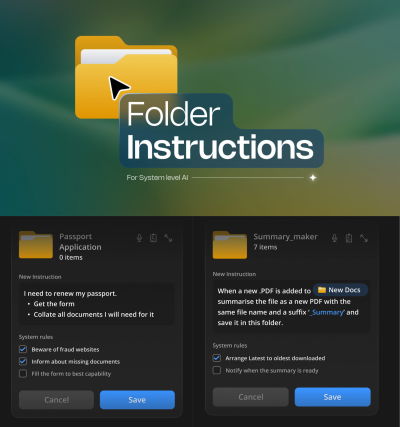
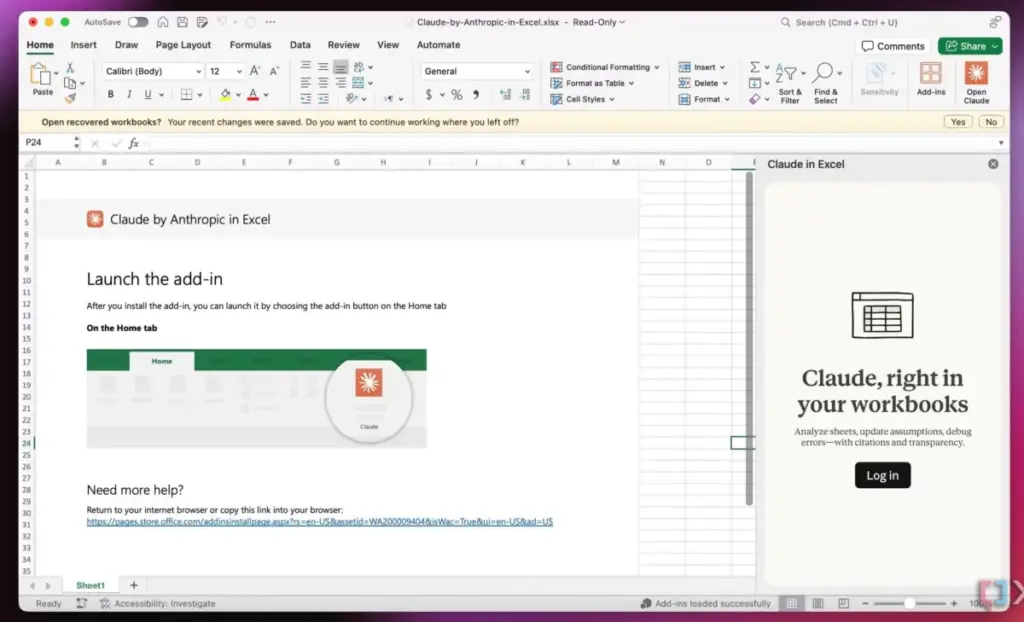
Prime examples of this philosophy include recent context-aware integrations, such as Claude’s integration within Microsoft Excel, PowerPoint, and Word. By embedding intelligence directly into standard office applications, these integrations provide assistance right where the work happens, allowing users to study specific rows, columns, or slides instead of constantly switching between disparate applications.
Folder Instructions for AI Actions
Moving beyond chat windows and isolated windows brings us to innovative interface concepts like folder instructions for system-level software. This approach allows users to define what a specific folder is supposed to do based on the precise purpose they created it for. While it might sound technically complex, the underlying concept mirrors natural human organization.
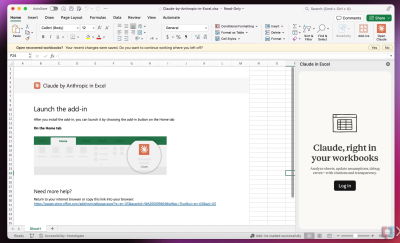
Through folder instructions, users can define the core intent of a directory, dictating how files should be organized, how sub-folders should behave, and what automated actions can occur inside. Instead of manually maintaining folder structures, sorting documents, or executing repetitive file management tasks one by one, a user can set the intent once and let the system follow those rules automatically.
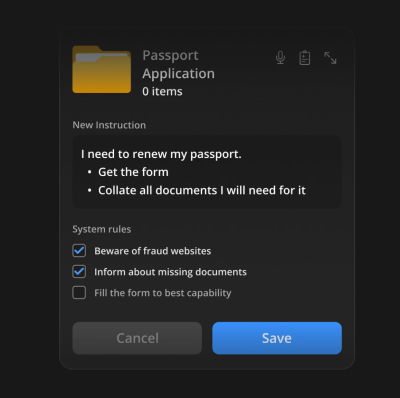
This represents a seamless integration of AI helpers deployed exactly when and where users want and need them. Crucially, these permissions and actions remain locally scoped to that specific folder on the user’s machine, operating within secure boundaries unless the user chooses to extend access, permissions, or system rules on their own. Whether it is automatically generating summaries for incoming PDF documents or organizing materials for a passport application, users can automate tasks directly at the point of origin.
Wrapping Up
Ultimately, user value does not emerge from forcing people to juggle multiple applications, views, and data sources every few minutes. That constant switching is precisely what slows professionals down and introduces costly mistakes into their workflows. True software value comes from helping users accomplish their primary objectives by reducing friction, eliminating slowdowns, and taking care of labor-intensive tasks that would otherwise require excessive time and effort.
Once again, seamless integrations emerge as an underused yet incredibly impactful way to deliver rapid value without imposing the heavy burden of installing, learning, and maintaining yet another standalone tool. By respecting established mental models and embedding intelligence directly into existing workflows, software designers can build solutions that truly resonate with everyday users.