The return of in-person gatherings has been a welcome milestone for professionals, open-source advocates, and community organizers worldwide. After years of relying entirely on digital screens to maintain connections, the resumption of physical conferences and face-to-face meetups has brought back the irreplaceable energy of hallway conversations and spontaneous networking. Yet, as the world embraces the return of physical events, a vital lesson from the past few years remains clear: virtual events did not emerge out of nowhere, nor should they be abandoned.
Long before global health restrictions forced the world online, many communities were already utilizing digital spaces to drive collaboration. Hackathons, bug and issue triaging sessions, webinars, and online workshops were standard practices for distributed groups aiming to bring members together for education and collective problem-solving. Over the past few years, necessity forced these virtual formats to evolve rapidly, yielding a wealth of institutional knowledge about digital engagement. Today, the challenge and opportunity for organizers lie in discovering how virtual and physical events can successfully coexist to deliver a richer, more accessible experience for everyone involved.
Costs and Crowds
While few people desire a return to a purely virtual existence, digital platforms offer undeniable advantages that physical venues simply cannot match. From a logistical standpoint, launching a virtual event is remarkably straightforward. Organizers rarely need more than reliable meeting software and streaming tools to get started. Live-streaming directly from a video chat platform provides an accessible entry point, making it an invaluable asset for small communities operating on tight or nonexistent budgets. For emerging projects, virtual event platforms offer a practical runway to cultivate an engaged audience and test concepts before committing significant capital to physical venues, travel, and equipment.

The reduction of costs and logistical barriers extends far beyond the organizers, directly benefiting attendees and community members. Consider a standard local meetup designed to last between sixty and ninety minutes. For many participants, committing to a thirty-minute commute in each direction can transform a simple evening gathering into a major time investment. Transitioning such meetups to a virtual format dramatically lowers the participation barrier, removing geographic friction and making it easier for busy individuals to drop in. This enduring efficiency explains why countless local and global meetups continue to maintain a virtual presence today.
Furthermore, the low financial overhead of virtual events fosters an environment ripe for experimentation. Organizers can test entirely new content formats, trial different event structures, or target novel audiences without the looming anxiety of financial loss. Even if an experimental virtual session falls short of expectations, the stakes remain manageable because there are no venue rental fees, catering minimums, or travel expenses at stake. Regardless of the turnout, organizers walk away with actionable insights and valuable lessons for future iterations.
Practical Events
Beyond broad community gatherings, certain professional activities are naturally optimized for digital environments. Open-source communities, for instance, rely heavily on foundational maintenance tasks such as writing documentation and managing bug triaging. Despite their critical importance to the health of any project, these tasks are frequently viewed by community members as tedious chores to be avoided.
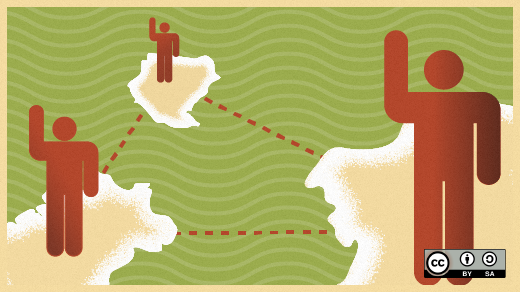
Virtual events provide an ideal remedy for this dynamic. By establishing a focused, one-to-two-day digital window, organizers can bring community members together online to tackle these administrative and technical maintenance duties collectively. Operating in a shared virtual space allows participants to support one another, share knowledge, and accomplish necessary project maintenance in a fraction of the time it would take individuals working in isolation.
Hybrid Events
Recognizing the unique strengths of both formats, many organizations are now transitioning toward hybrid models that integrate both in-person and virtual components. True hybrid execution, however, involves more than simply setting up a webcam to broadcast physical conference sessions to an online audience. Successful hybrid models often incorporate separate, dedicated tracks designed specifically for remote participants, ensuring that virtual attendees are not treated as passive observers.
A prominent example of this approach can be seen at events like FOSDEM, which has utilized separate online rooms to accommodate a global remote audience alongside its physical conference. Other organizations leverage virtual tracks to host "Day 0" activities, such as project team meetings, orientations, and preliminary meetups. By shifting these foundational elements to a digital format, individuals who are unable to travel can still participate in the critical early stages of the event.
Additionally, incorporating robust virtual tracks can help streamline the overall schedule of a physical conference. By reducing the number of days required for the in-person portion, organizers can shorten travel commitments and minimize the time attendees must spend away from home and work, striking a practical balance that honors both physical presence and digital accessibility.
Best of Both Worlds
The return of in-person events is a positive development for communities eager to reconnect face-to-face, but it should not signal the end of the digital innovations developed over recent years. By thoughtfully integrating virtual elements—particularly through well-structured hybrid formats featuring dedicated virtual tracks—organizations can make their gatherings significantly more accessible to a wider audience. Society has absorbed critical lessons about digital collaboration over the past several years, and applying those insights thoughtfully ensures that future community events remain inclusive, resilient, and effective for everyone involved.