



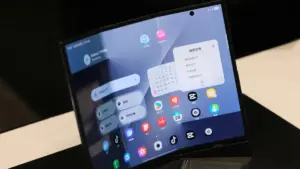







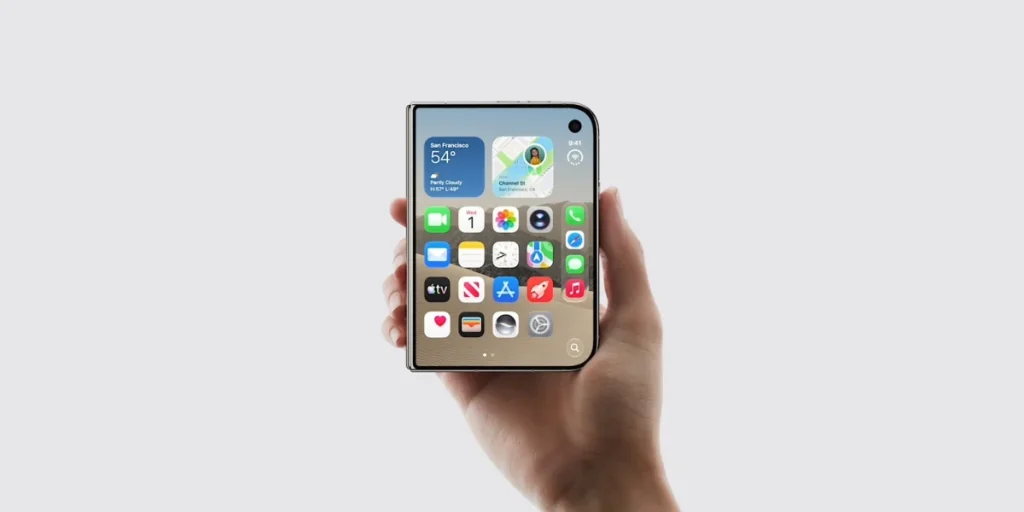
Since the highly anticipated unveiling of the iPhone Duo, Apple has sparked a fresh dialogue regarding the fundamental ergonomics of mobile computing. By introducing a device that prioritizes accessibility and one-handed operation through its unique outer display, Apple has inadvertently highlighted a long-standing grievance among smartphone users: the modern device has become unnecessarily tall, making the top half of the screen a constant struggle to reach. As the tech community begins to digest the mechanics of the iPhone Duo, a new concept is gaining traction among enthusiasts—the "iPhone Solo," a non-foldable device that adopts the ergonomic philosophy of the Duo’s outer display.
For years, the evolution of the smartphone has been driven by the desire for larger, more immersive screens. However, this growth has come at a cost. In the early days of the smartphone era, when devices were significantly smaller, users could easily navigate their interfaces with a single thumb. As displays expanded, manufacturers shifted the primary navigation elements toward the top of the screen to accommodate the increasing surface area. Today, we have reached a point where the "tall and thin" form factor, while visually impressive, often feels unwieldy. The iPhone Duo has effectively challenged this status quo by proving that you do not need a massive, monolithic display to offer a premium experience. By placing the dock and navigation elements firmly within the user’s thumb reach while utilizing a clever, split-layout viewing area, Apple has re-invented the logic of smartphone navigation.
The core appeal of the iPhone Duo lies in its design language. Rather than simply porting the standard iOS interface onto a smaller screen, Apple meticulously rethought the outer display to ensure it was optimized for high-frequency interaction. This shift has made many users realize that the current "standard" form factor of smartphones is largely a product of historical happenstance rather than a design necessity. We transitioned from the 16:9 aspect ratio of the past to the bezel-less, edge-to-edge displays of the present, and in doing so, we essentially abandoned the ergonomic convenience that once defined mobile technology. The iPhone Duo demonstrates that it is possible to provide a generous, high-quality viewing experience without sacrificing the comfort of a device that fits naturally in the hand.

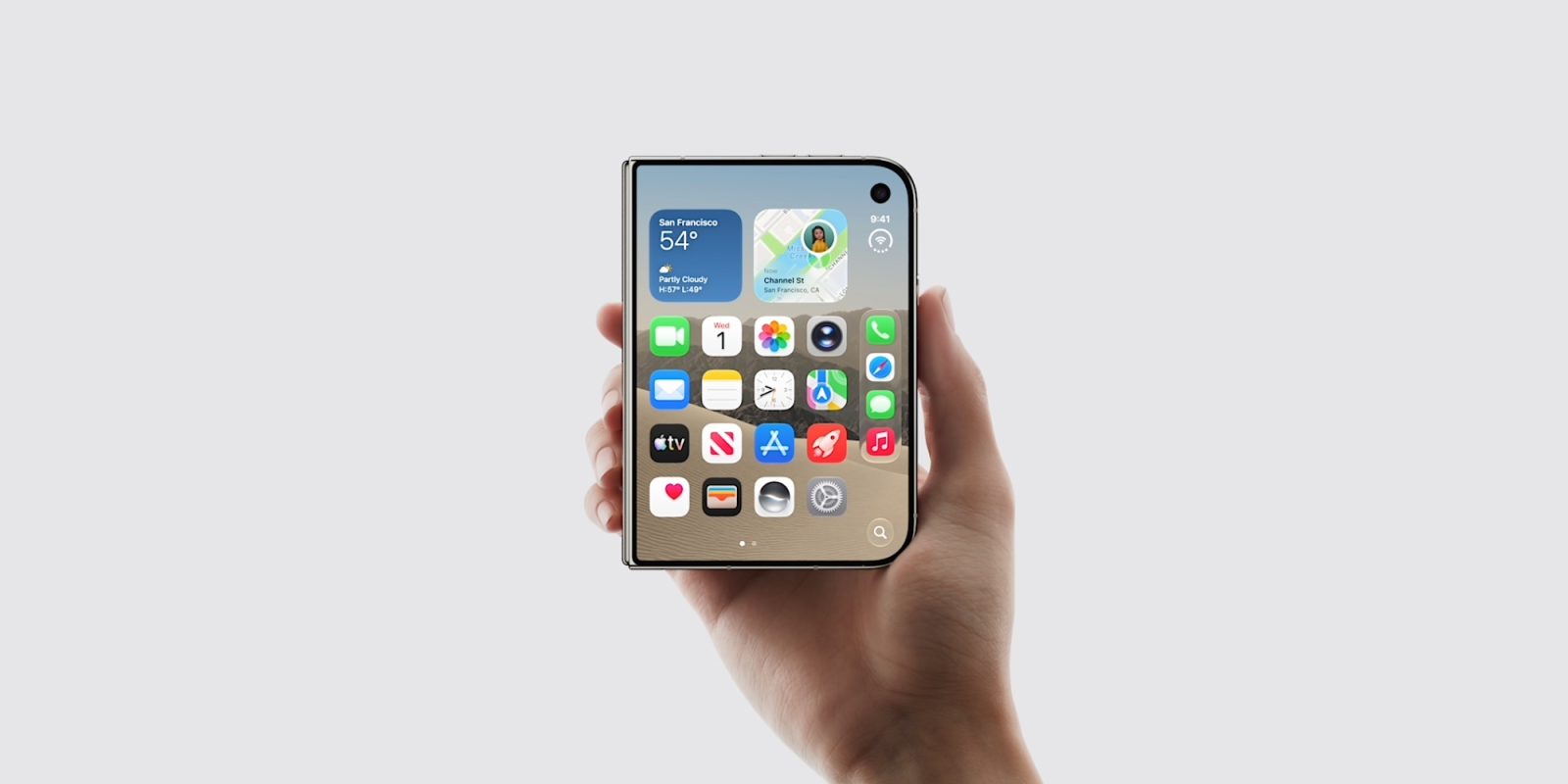
This success has led to a burgeoning conversation about the potential for an "iPhone Solo." The premise is simple: take the specific display proportions and UI philosophy of the iPhone Duo’s outer screen and apply them to a dedicated, non-foldable flagship device. While this may sound like a step backward to some, it represents a desire for a return to usability. Enthusiasts argue that if Apple can make a secondary display this functional and delightful to use, a standalone device built around that same form factor could address the "reachability" crisis that has plagued the industry for nearly a decade.
Admittedly, the idea of a smaller, more ergonomic phone is not entirely new, but the context has shifted. In the past, "mini" versions of flagship phones were often perceived as budget devices with compromised performance. An iPhone Solo, by contrast, would be positioned as a premium product—a device that prioritizes the user experience of navigation over the sheer, vertical real estate of a massive display. If the iPhone Duo sees widespread success, it will prove that users are willing to trade that extra verticality for a device that feels like an extension of the hand. The "tall" phone has become the industry standard not necessarily because users love stretching their thumbs to reach the notification shade or the back button, but because it was the only way to keep the screen size competitive while maintaining a slim profile. Apple’s work with the Duo suggests there is another way forward.
Whether Apple would ever commit to an iPhone Solo remains an open question. Product roadmaps are rarely influenced by a single design experiment, and the company has historically been protective of its primary flagship lines. However, the success of the Duo’s outer display could provide the empirical data needed to justify such a pivot. If consumers respond positively to the ergonomics of the Duo, it validates the theory that the market is hungry for a device that doesn’t force the user to compromise on comfort. The current form factor of the smartphone is essentially a relic of the "bezel-less" race, a time when manufacturers were obsessed with increasing screen-to-body ratios above all else. Today, as that technology matures, the focus is shifting toward software-hardware synergy and genuine usability.

The beauty of the iPhone Duo’s design is that it treats the screen as a dynamic space. By separating the navigation area from the viewing area, Apple has managed to solve the two biggest problems in mobile design: the need for a large viewing area and the need for physical comfort. A hypothetical iPhone Solo would carry this DNA forward, offering a more compact device that doesn’t feel like a compromise. It would be a device for the user who values efficiency and physical ease of use above the ability to display a few extra lines of text on a massive, stretched screen.
As we look toward the future of the iPhone, the Duo serves as a critical proof of concept. It has shifted the goalposts, moving the conversation away from "bigger is better" and toward "better is better." For many, the prospect of an iPhone Solo is an exciting one, representing a potential return to the golden age of smartphone ergonomics, albeit with the modern power and sophisticated software that we have come to expect from Apple. It is a concept that challenges the status quo, and in the world of consumer electronics, it is often those challenges that lead to the most meaningful innovations.
While we wait to see how the market reacts to the Duo, the conversation surrounding the Solo is a reminder that design is never truly finished. We are constantly iterating, learning from the mistakes of the past, and finding new ways to make our devices work for us, rather than the other way around. If the industry takes note of the Duo’s ergonomic successes, we may find ourselves looking at a very different mobile landscape in the coming years—one where the physical size of a device is no longer the primary indicator of its worth, and where reaching the top corner of your screen is no longer a daily chore. For now, the iPhone Duo remains the pioneer, but the whispers of a Solo variant highlight a growing desire for a more human-centric approach to hardware design. As Apple continues to refine its vision, the question remains: are we ready to embrace a smaller, more focused future? The answer likely lies in the hands of the users who, for the first time in years, are finding that their phones actually fit them perfectly.