








The year 2026 has proven to be a watershed moment for the horror genre, marked by a string of high-profile successes that have captured both critical acclaim and mass-market appeal. From the psychological intensity of Obsession to the viral, internet-fueled terror of Backrooms and the atmospheric dread of Hokum, audiences have demonstrated an insatiable appetite for well-crafted frights. Riding the crest of this horror resurgence, HBO has officially confirmed that its breakout hit, It: Welcome to Derry, will return for a second season, signaling a continued commitment to expanding the terrifying lore established by legendary author Stephen King.
The renewal, while expected given the show’s massive cultural footprint, cements the series as a cornerstone of the HBO Max library. Since its debut last year, the prequel series has emerged as one of the platform’s four largest global series launches, a testament to the enduring popularity of the It franchise and the creative vision of producers Andy and Barbara Muschietti. The Muschiettis, who successfully helmed the modern film adaptations of It (2017) and It: Chapter Two (2019), have long expressed their desire to peel back the layers of Derry’s dark, cyclical history, and the greenlight for a second season provides the perfect canvas to do exactly that.
What is It: Welcome to Derry about?
At its core, It: Welcome to Derry serves as a narrative bridge and expansion of the universe established in the Muschiettis’ blockbuster films. While the movies focused on the Losers’ Club and their confrontation with the entity known as Pennywise, the television series functions as an origin story of sorts for the town itself, exploring the toxic, supernatural rot that has plagued the Maine community for generations.

The first season transported viewers back to 1962—exactly 27 years prior to the events of the first film—capturing a transformative era for the town. The narrative followed a new group of children who, much like the characters in King’s original novel, began to piece together the terrifying truth behind the disappearances and unexplained phenomena plaguing their home. Simultaneously, the show wove in a complex subplot involving Leroy Hanlon (played by Jovan Adepo), Charlotte Hanlon (Taylour Paige), and Dick Hallorann (Chris Chalk). These characters found themselves entangled in a high-stakes military effort to investigate and potentially weaponize the ancient, malevolent force lurking in the shadows of Derry.
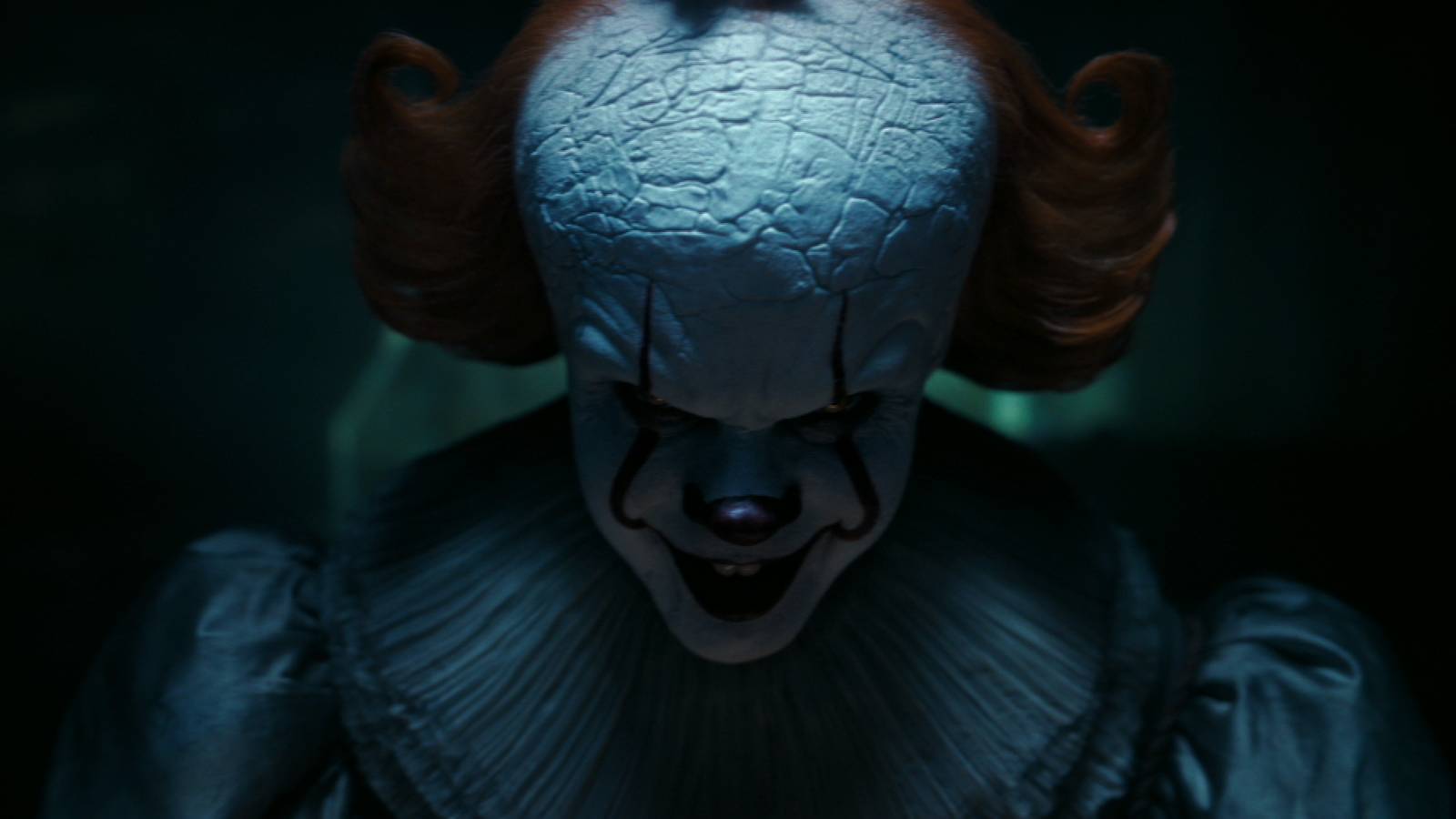
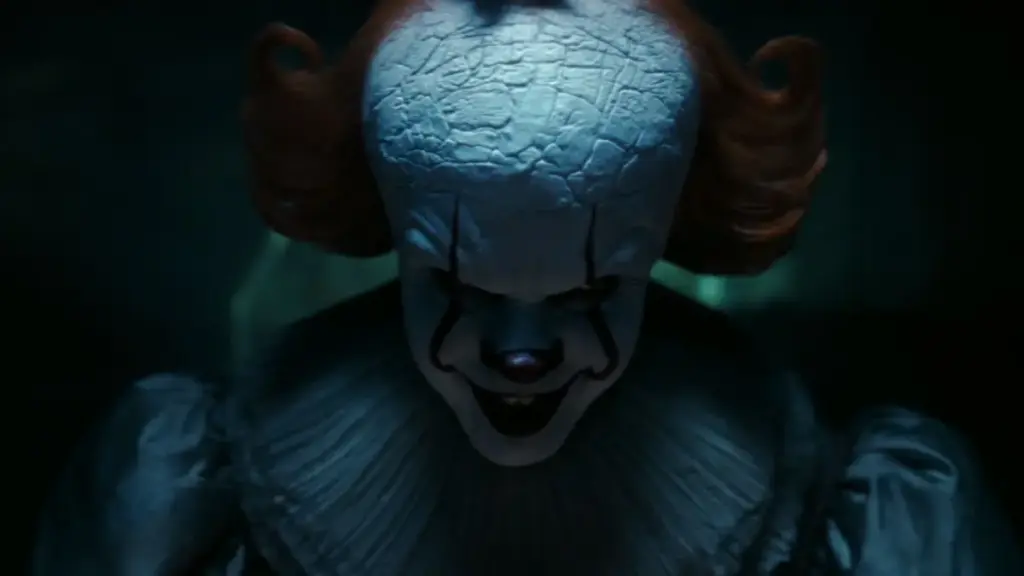
The series excelled by utilizing its episodic format to provide a slower, more deliberate burn than a feature film could allow. By spending more time with the townsfolk, the show illustrated how Pennywise’s influence is not merely a series of isolated attacks, but a pervasive infection that erodes the community’s moral fabric. The return of Bill Skarsgård as the iconic, shape-shifting entity provided a haunting continuity, grounding the supernatural threat in the same visceral performance that terrified audiences in the big-screen adaptations.
Critics and audiences alike responded to the show’s ability to capture the specific "coming-of-age" magic that made the 2017 film and other genre staples, such as Stranger Things, so effective. By focusing on the innocence of youth clashing with an ancient, incomprehensible evil, the show tapped into the quintessential Stephen King experience, blending small-town nostalgia with cosmic horror.
Diving Deeper into the Past: Season 2
If the first season was a deep dive into the 1960s, the second season promises an even more significant chronological leap. HBO has confirmed that the upcoming installment will travel back another 27 years, moving the setting to 1935, at the height of the Great Depression. This era offers a bleak and atmospheric backdrop for the horrors to come, as the economic desperation of the period will likely mirror the social rot that facilitates the creature’s presence.
According to official information released by the network, the narrative arc for the second season will center on the infamous massacre of the Bradley Gang. For fans of the original Stephen King novel, this is a moment of profound significance. The Bradley Gang, a group of bank robbers who arrived in Derry seeking refuge and ammunition, instead met a gruesome end, becoming one of the most chilling historical footnotes in the town’s long, violent ledger.
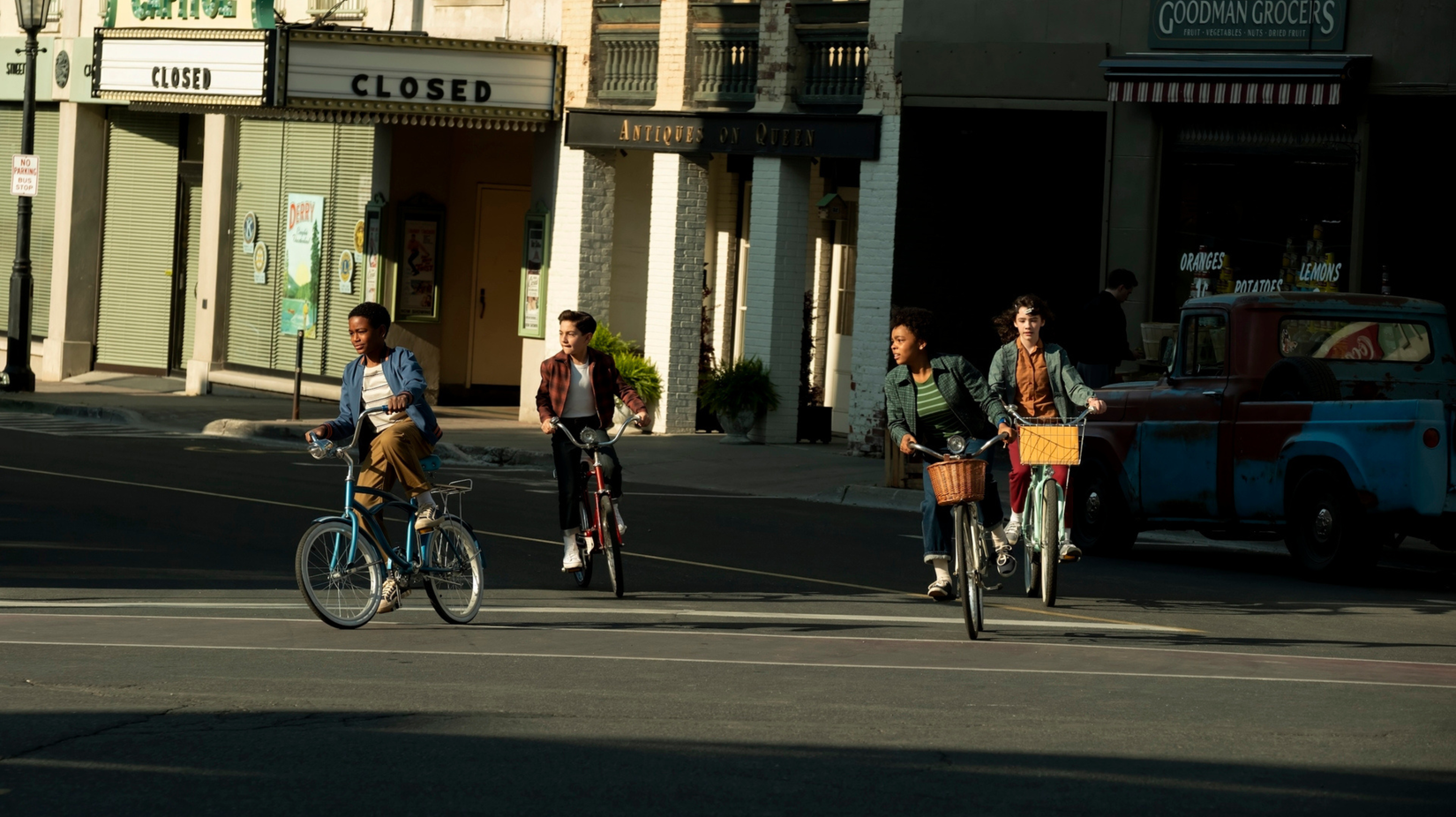
The show has been laying the groundwork for this revelation for some time. Sharp-eyed viewers caught glimpses of the tragedy during the opening credits of the first season, and the narrative threads regarding the gang were further teased through the discovery of a vintage, crime-connected vehicle by Dick Hallorann. By focusing on the 1930s, the creators are leaning into the lore established in the source material, showing how Pennywise acts as a recurring nightmare that has shaped the history of Derry across decades.
The shift in time period also raises intriguing questions about the ensemble cast. While the first season established a compelling group of characters, the 27-year jump implies a new cast of protagonists, or perhaps a focus on the generational echoes of the town’s trauma. As of now, HBO has not announced specific casting for the new season. Most notably, the return of Bill Skarsgård remains unconfirmed, though it is difficult to imagine a season of Welcome to Derry without the presence of the entity itself. Given the show’s fundamental premise, the creature’s involvement is an inevitability, even if the form it takes may shift to match the anxieties of the 1930s.
The Legacy of Derry
The success of It: Welcome to Derry underscores a larger trend in modern television: the movement toward "prestige horror." By taking the time to flesh out the town of Derry, the producers have transformed a setting that was once just a backdrop for jump scares into a character in its own right. The town, with its secrets, its hidden history, and its willingness to ignore the disappearances of its citizens, is the true engine of the horror.
The episodic nature of the series allows for a richer exploration of the "It" entity’s mechanics—how it feeds, how it manipulates the town’s residents, and why the town remains in a state of willful ignorance. This format has allowed the writers to lean into the more surreal and psychological elements of King’s prose that are often truncated in shorter film runtimes.
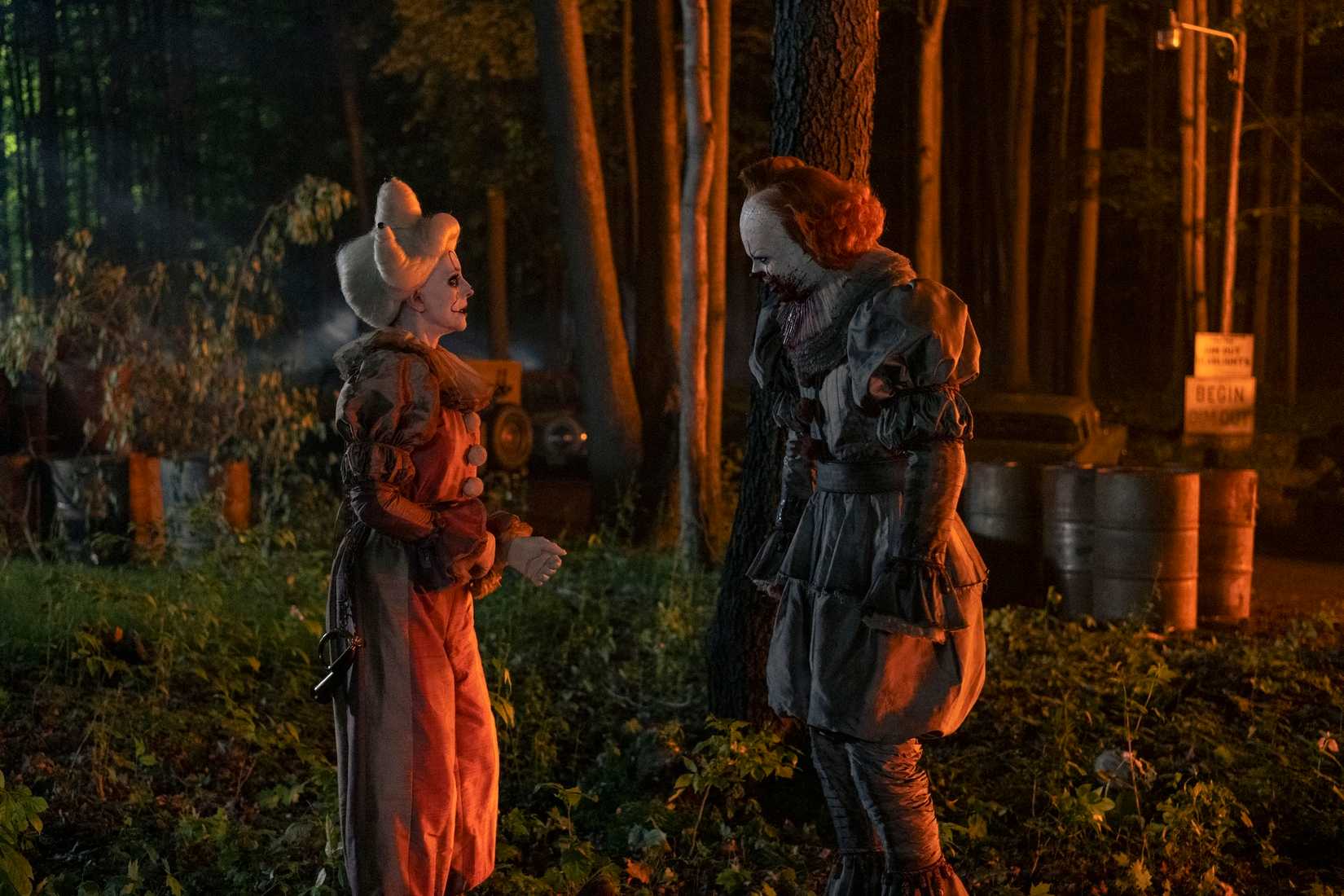
As production for the second season begins, anticipation is already building. The move to the Great Depression era provides a unique aesthetic and thematic shift, promising a grittier, perhaps more desperate tone. The transition from the optimism of the early 60s to the harsh realities of the 1930s will likely emphasize the cyclical nature of the evil that dwells in the sewers beneath the town.
For now, the residents of Derry remain in limbo. HBO has not yet provided a release date for the upcoming season, leaving fans to speculate on when they might next be invited back into the haunted streets of the Maine town. However, the confirmation that the story is moving forward is enough to satisfy those who are eager to see the next chapter in the dark, storied history of the town where "we all float." As the production moves into its next phase, the focus will undoubtedly remain on the delicate balance between the human drama of the era and the supernatural terror that binds the history of Derry together. With the groundwork laid and the historical context set for 1935, the second season of It: Welcome to Derry is poised to further cement its status as a defining work in contemporary horror television.