









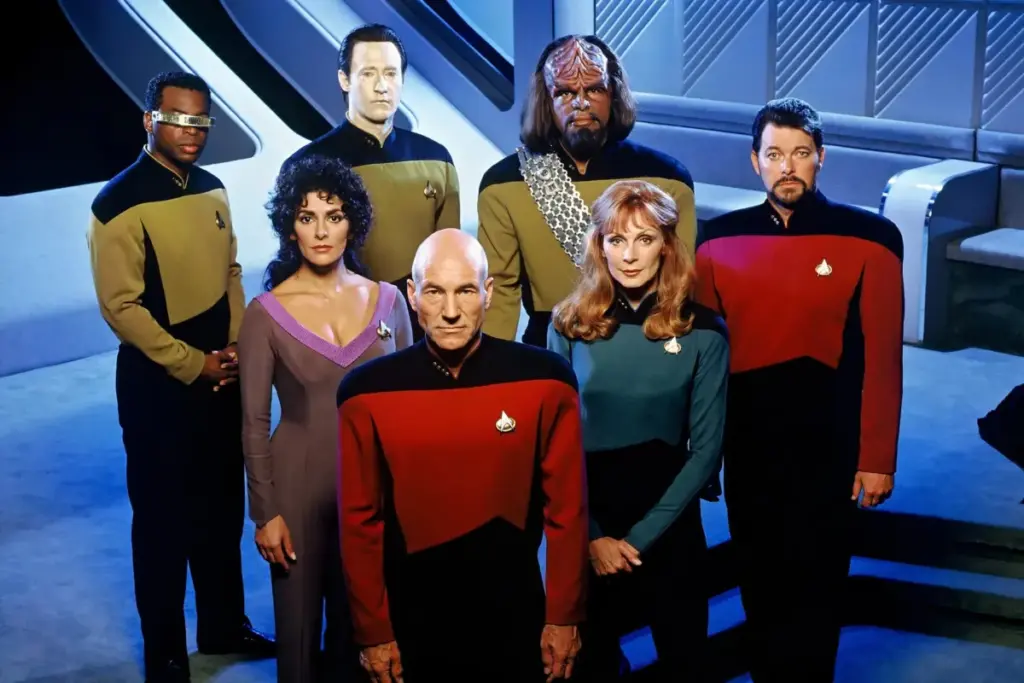
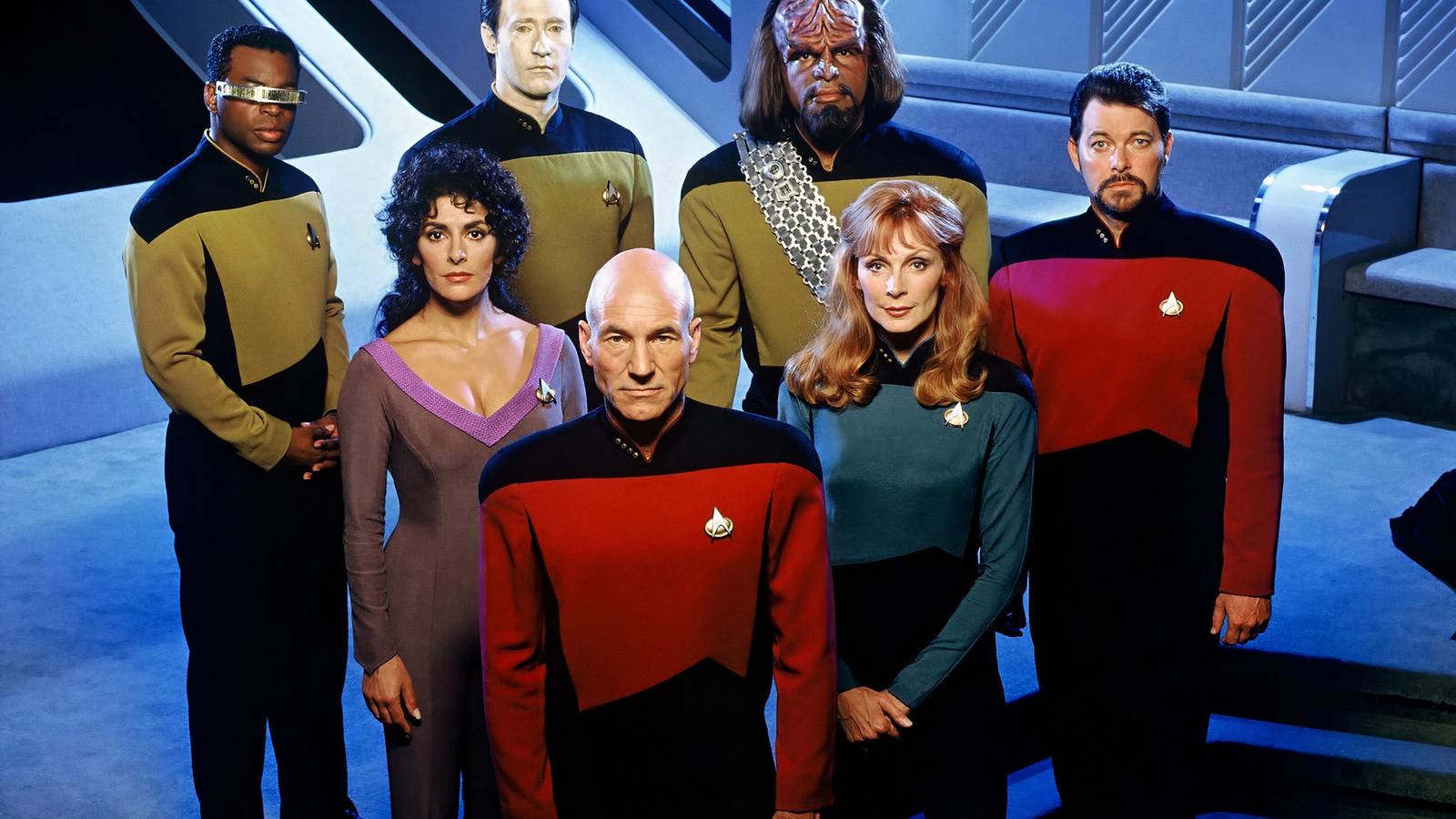
Nearly four decades after the U.S.S. Enterprise-D first warped onto television screens, Star Trek: The Next Generation (TNG) remains a cornerstone of science fiction. The series is celebrated not only for its ambitious exploration of space and technology but for its remarkable versatility. One week, the crew might find themselves at the center of an existential threat capable of unraveling the entire Federation; the next, they might be engaged in an intimate, character-driven drama that spans a lifetime on an alien world. It was this refusal to be tethered to a single genre—and the profound human connections forged between its iconic characters—that allowed the show to transcend the limitations of episodic television.
While the series spanned seven seasons, its most poignant episodes continue to resonate with viewers today. Whether remembered for their high-concept science fiction, a particularly stellar performance, or a moment of heartbreaking clarity, these stories defined the legacy of the franchise. As we look back at the best of The Next Generation, it becomes clear that the show’s true strength lay in its ability to balance the cold, vast mysteries of the cosmos with the warm, often messy realities of the human condition.
Cause and Effect (Season 5, Episode 18)
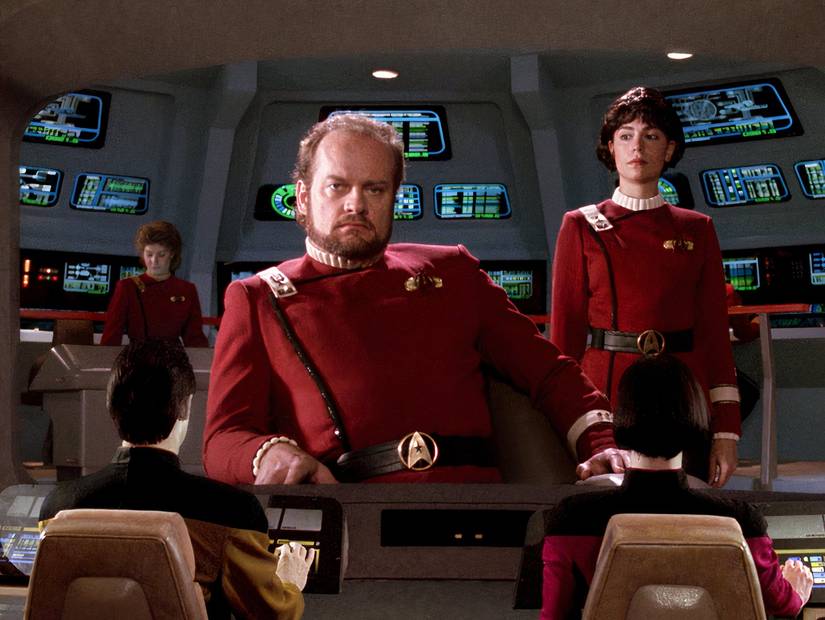
Few episodes of Star Trek manage to hook an audience as immediately as "Cause and Effect." The episode begins with a jarring, high-stakes shock: the total destruction of the Enterprise. The crew, however, is trapped in a temporal causality loop, forced to relive the moments leading up to the ship’s annihilation over and over again. As the cycle repeats, the crew begins to experience flashes of déjà vu, eventually using their regular poker games as a subtle, ingenious mechanism to leave clues for themselves.
The brilliance of "Cause and Effect" lies in its construction as a taut science-fiction mystery. It transforms a repetitive narrative structure into a puzzle that rewards the viewer’s attention. The resolution is particularly satisfying, culminating in a surprise cameo from Kelsey Grammer, who appears as the captain of a vessel caught in the same temporal anomaly. It remains a masterclass in pacing and narrative design.
Qpid (Season 4, Episode 20)
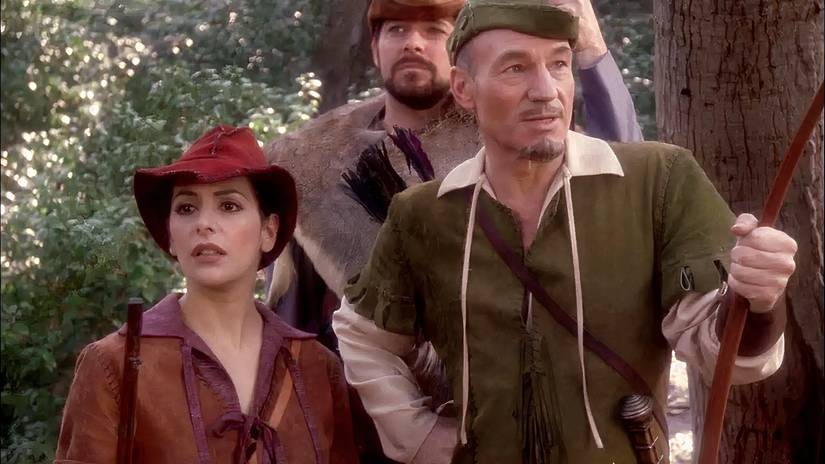
Star Trek has often been unfairly criticized for taking itself too seriously, but "Qpid" serves as a definitive rebuttal to that notion. When the omnipotent, mischievous Q decides to intervene in Captain Jean-Luc Picard’s personal life, he transports the senior officers of the Enterprise into a classic Robin Hood fantasy. Picard is forced into the role of the legendary outlaw, tasked with rescuing Vash, a woman from his past, from the Sheriff of Nottingham.
The episode is intentionally absurd, but the commitment of the cast turns a lighthearted premise into a memorable character piece. Michael Dorn’s performance as Worf—who is deeply unamused by his required role as one of the Merry Men—provides the episode’s most iconic moment. When he delivers the line, "I am not a merry man!" it instantly became a piece of franchise history, reminding audiences that even in the 24th century, there is always room for a bit of levity.
Yesterday’s Enterprise (Season 3, Episode 15)
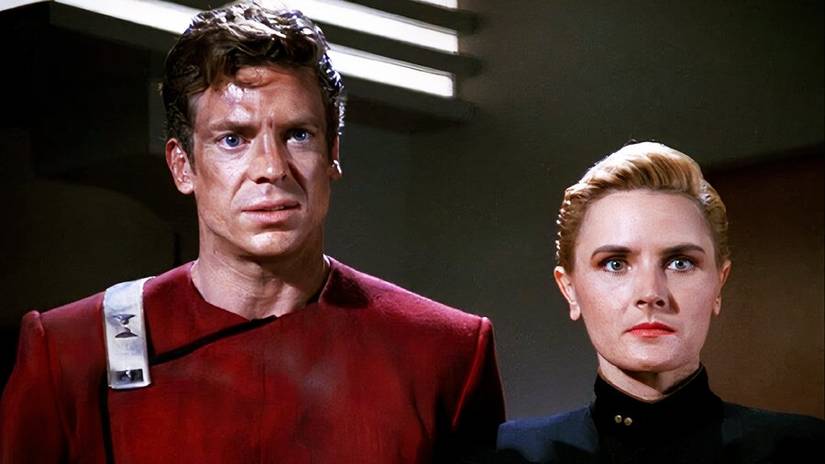
In the annals of television, few alternate-reality stories have been as impactful as "Yesterday’s Enterprise." When the Enterprise-C emerges from a temporal rift, the current timeline is shattered, forcing the crew of the Enterprise-D into a brutal, militarized reality where the Federation is on the brink of defeat in a war against the Klingons. In this dark timeline, Tasha Yar is alive, serving as a tactical officer, and the ship is a war-hardened vessel rather than a ship of exploration.
The episode is a profound meditation on duty, courage, and the cost of maintaining peace. It serves as a poignant, much-deserved farewell to Tasha Yar, allowing the character to find a more satisfying conclusion to her arc than her abrupt death in the show’s first season. Through the lens of an alternate timeline, the show explores how drastically different circumstances can alter the character of those we think we know.
Time’s Arrow, Parts I and II (Season 5, Episode 26; Season 6, Episode 1)
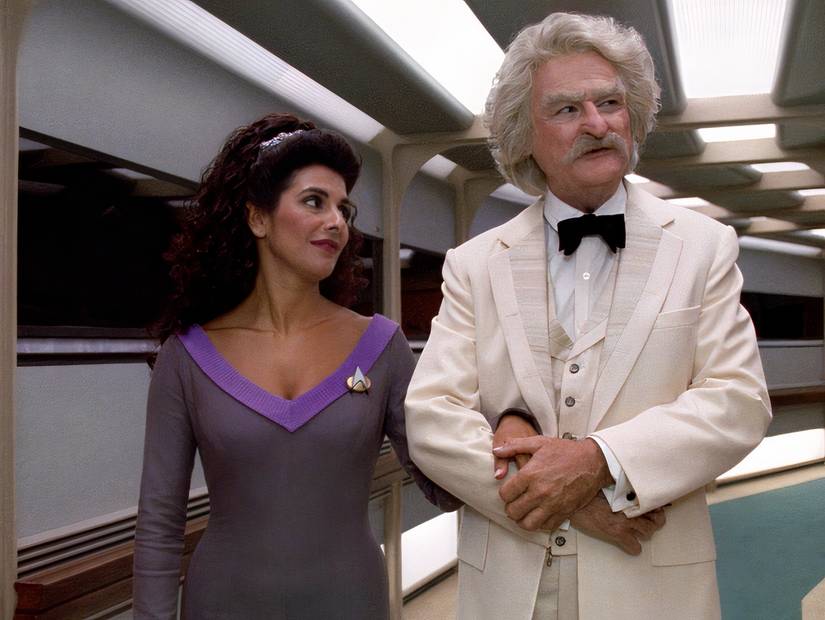
The discovery of Data’s long-severed head during an archaeological dig in 19th-century San Francisco set the stage for one of the series’ most ambitious time-travel capers. "Time’s Arrow" splits the action between the present day and the 1800s, where Data finds himself interacting with a young Guinan and a cynical, inquisitive Samuel Clemens—better known to history as Mark Twain.
The episode is an irresistible blend of historical drama and high-concept science fiction. Jerry Hardin’s portrayal of Mark Twain is a particular highlight, as he brings a mix of curiosity and deep suspicion to the character. The two-parter effectively uses the time-travel gimmick to flesh out the mysterious history of Guinan while providing Data with a fish-out-of-water scenario that is both funny and deeply insightful.
The Measure of a Man (Season 2, Episode 9)
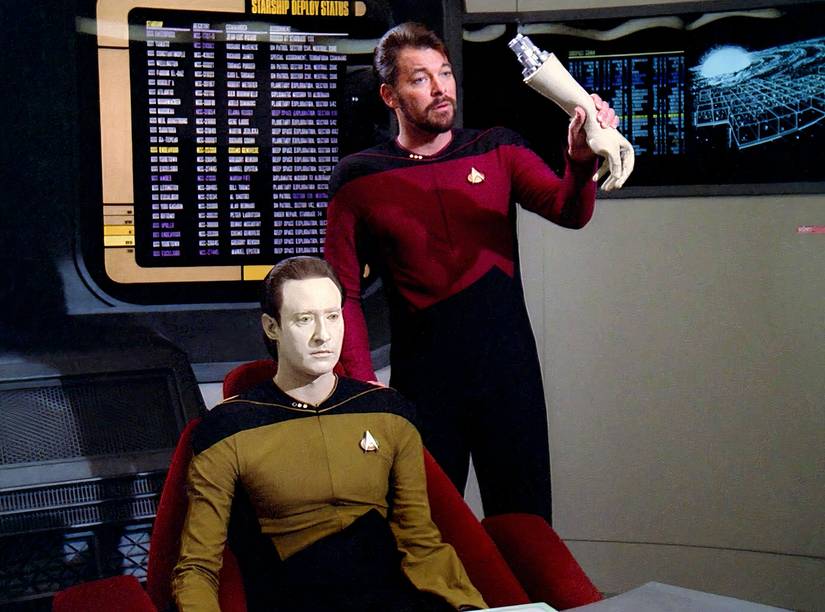
Widely considered one of the most important episodes in the entire Star Trek canon, "The Measure of a Man" elevated the series from a space adventure to a genuine philosophical platform. The story begins when a Starfleet cyberneticist, Bruce Maddox, attempts to dismantle Data for research purposes. When Data refuses, a legal hearing is convened to determine his status: is he a sentient individual with rights, or is he merely property of Starfleet?
The courtroom drama that ensues is arguably the most intellectual hour in The Next Generation. Patrick Stewart delivers a powerhouse performance as Picard, arguing for the definition of consciousness and the dangers of viewing life as a commodity. The episode offers no easy answers, instead forcing the viewer to grapple with the ethical implications of artificial intelligence—questions that have only become more pertinent in the decades since the episode first aired.
All Good Things… (Season 7, Episode 25)
Concluding a long-running, beloved series is an unenviable task, yet "All Good Things…" is frequently cited as one of the finest finales in television history. Picard finds himself shifting uncontrollably between three distinct periods of his life, tasked by Q to solve a mystery involving an anomaly that threatens to erase humanity from the timeline entirely.
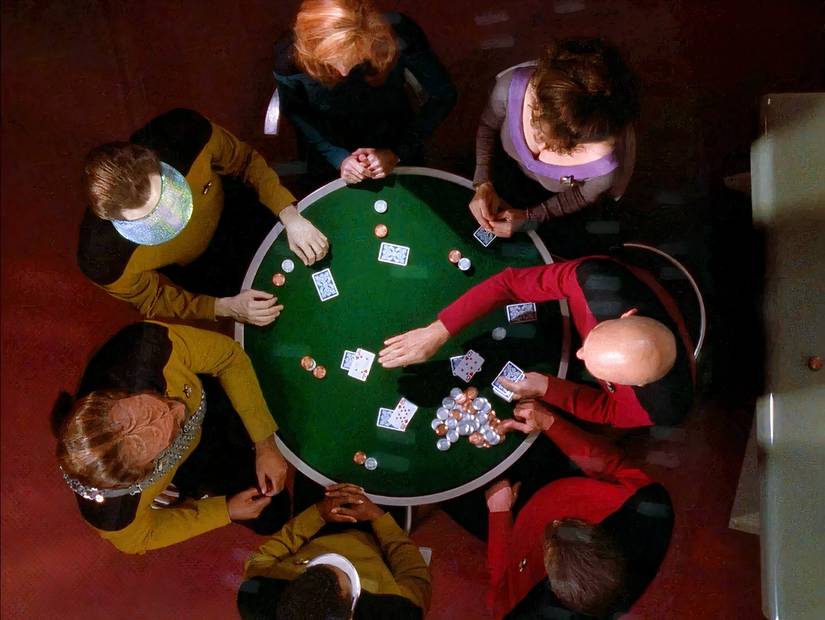
The finale is a love letter to the series, pulling together threads from the very first episode while pointing toward the future. Yet, its most enduring image is also its most quiet: the senior staff finally inviting Picard to join their weekly poker game. After years of maintaining a professional, somewhat distant demeanor, his choice to finally sit at the table with his friends serves as a perfect, emotional goodbye to the audience.
Darmok (Season 5, Episode 2)
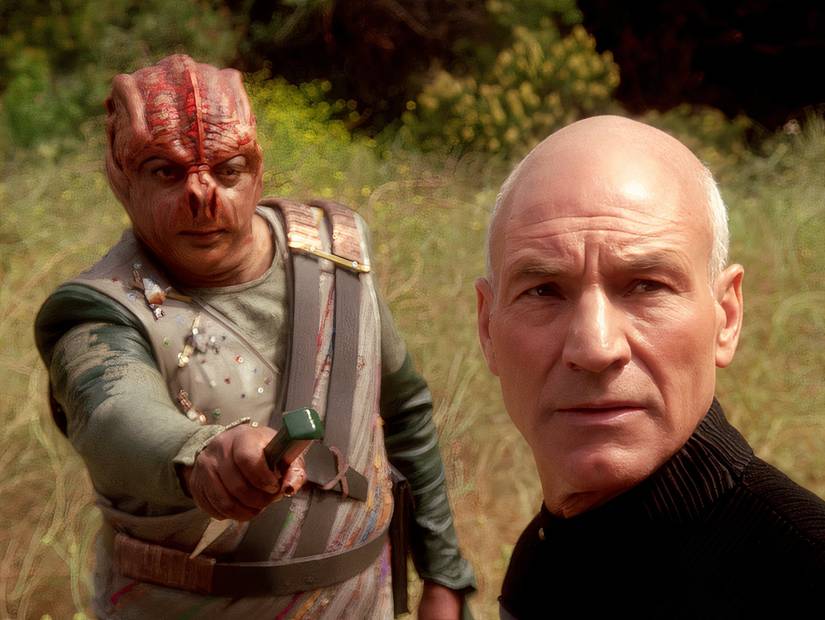
Communication is the bedrock of the Federation’s mission, yet "Darmok" presents a scenario where language itself is the primary obstacle. When the Enterprise encounters the Tamarians, they find a species whose language is entirely metaphorical, rooted in references to their own myths and historical stories. When the universal translator fails, Picard is stranded on a planet with the Tamarian captain, Dathon, and the two must overcome their linguistic barriers through shared experience and survival.
The episode is brilliant in its simplicity. It highlights the power of shared struggle and the fundamental human (and alien) need to connect. The phrase "Darmok and Jalad at Tanagra" has since become part of the Star Trek lexicon, a testament to the episode’s success in demonstrating that understanding requires more than just translating words; it requires empathy and context.
The Inner Light (Season 5, Episode 25)
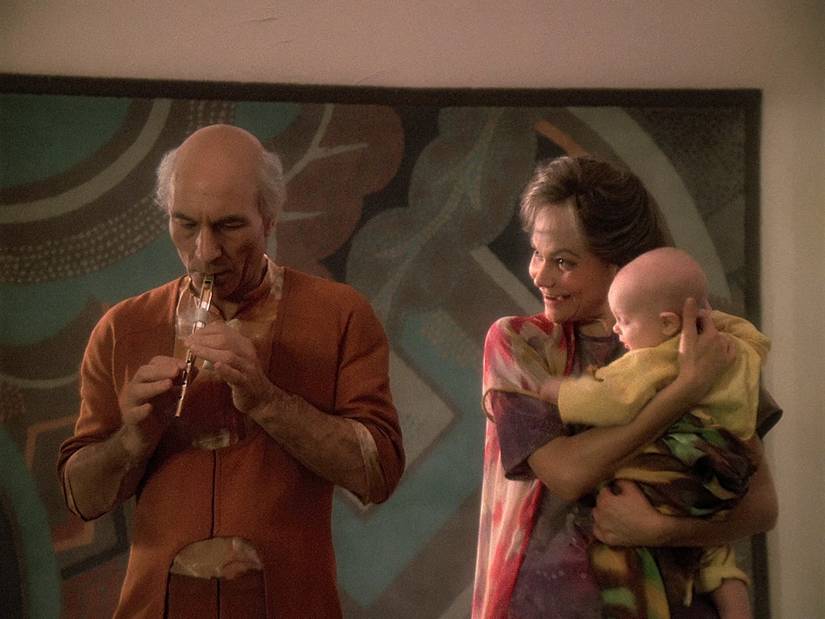
"The Inner Light" is perhaps the most unconventional episode of the series, functioning more like a short story than a standard science-fiction adventure. Picard is struck by an alien probe and experiences an entire lifetime as Kamin, a man living on a dying planet. He marries, raises a family, and grows old, all while his colleagues on the Enterprise struggle to wake him from his coma.
By the time Picard “returns” to the Enterprise, only minutes have passed, but he has lived decades. The episode is a masterpiece of storytelling that eschews space battles and phaser fire in favor of raw emotional resonance. Patrick Stewart’s performance captures the profound sense of loss and the beauty of a life well-lived, making it an unforgettable exploration of memory and humanity.
The Best of Both Worlds, Parts I and II (Season 3, Episode 26; Season 4, Episode 1)
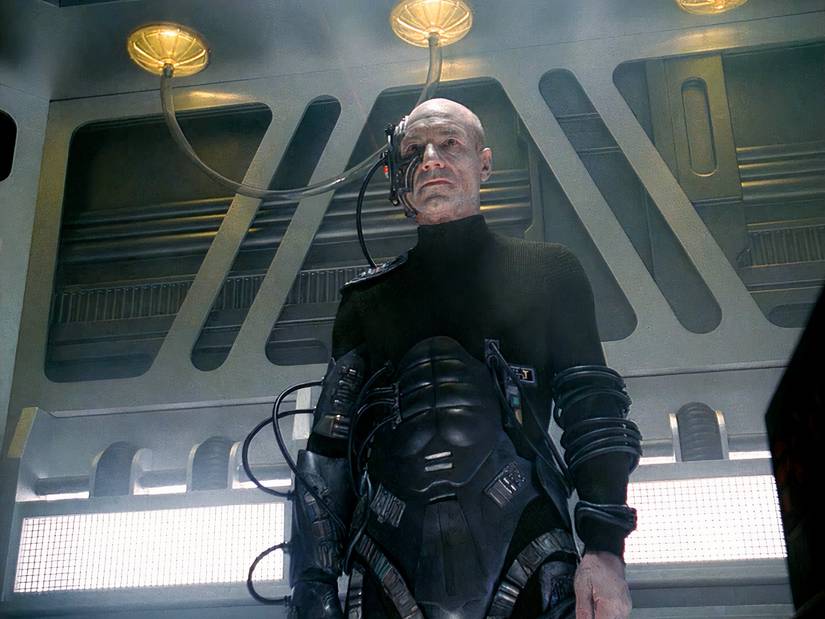
While the Borg were introduced in "Q Who," it was "The Best of Both Worlds" that cemented them as the ultimate existential threat to the Federation. The sight of Picard being assimilated into Locutus remains one of the most chilling images in the franchise. The first part ended on one of the greatest cliffhangers in television history, leaving fans to wait months to discover if Riker would truly follow through on his order to fire on his own captain.
The resolution of the story had long-lasting consequences for Picard, humanizing him in a way few other episodes could. It showed that even the most stoic and capable leaders are not invulnerable to trauma. The two-parter elevated the stakes of the entire series, transforming the Borg into an iconic villain and pushing the characters to their absolute breaking point.
Tapestry (Season 6, Episode 15)
In "Tapestry," Q offers Picard a chance to revisit his own past to fix a mistake that resulted in him being stabbed through the heart during his youth. Picard accepts, but he quickly learns that by removing the impulsive, flawed choices of his younger self, he has also removed the very experiences that forged his character, his ambition, and his leadership.
The episode is a profound exploration of regret and self-acceptance. It forces Picard—and the viewer—to confront the uncomfortable truth that our mistakes are just as integral to our identities as our triumphs. Through a blend of sharp wit and sincere emotional gravity, "Tapestry" remains a definitive look at the life of Jean-Luc Picard, serving as a reminder that the tapestry of a life is woven from both the threads we are proud of and those we wish we could change.