











After more than a decade of anticipation and intense speculation, the launch of Grand Theft Auto 6 has finally arrived, inviting players to return to the sun-drenched, neon-soaked streets of Vice City and the broader state of Leonida. As players dive into the sprawling open world crafted by Rockstar Games, they are beginning to uncover the subtle yet profound mechanical evolutions that distinguish this entry from its predecessors. Among the most significant changes is a complete reimagining of the franchise’s iconic "Wanted" system—a core pillar of the Grand Theft Auto experience that has remained largely static for years. In GTA 6, the introduction of the "Heat" system transforms police encounters from a simple arcade-style chase into a dynamic, persistent, and highly intelligent game of cat-and-mouse.
For those familiar with the series, the baseline mechanics of law enforcement will feel comfortingly recognizable. When players commit crimes—whether through high-speed vehicular theft, public disturbances, or bold heists—the Vice City Police Department (VCPD) will inevitably respond. The familiar Wanted level, represented by the classic six-star display at the top of the interface, remains the primary gauge for how much pressure the authorities are applying. As players escalate their illicit activities, the response from law enforcement scales accordingly. A single star might trigger a standard patrol car response, while a four-star rating or higher escalates the situation into a full-scale tactical operation, complete with VCPD helicopters and heavily armored cruisers deployed to neutralize protagonists Jason and Lucia.
However, the "Heat" system introduces a layer of complexity that fundamentally changes how players navigate these high-stakes scenarios. It is no longer enough to simply drive out of a line-of-sight circle or hide in a back alley for a few seconds to "lose" the police. Rockstar Games has implemented a series of integrated mechanics that force players to consider their identity, their environment, and their long-term impact on the city’s law enforcement landscape.

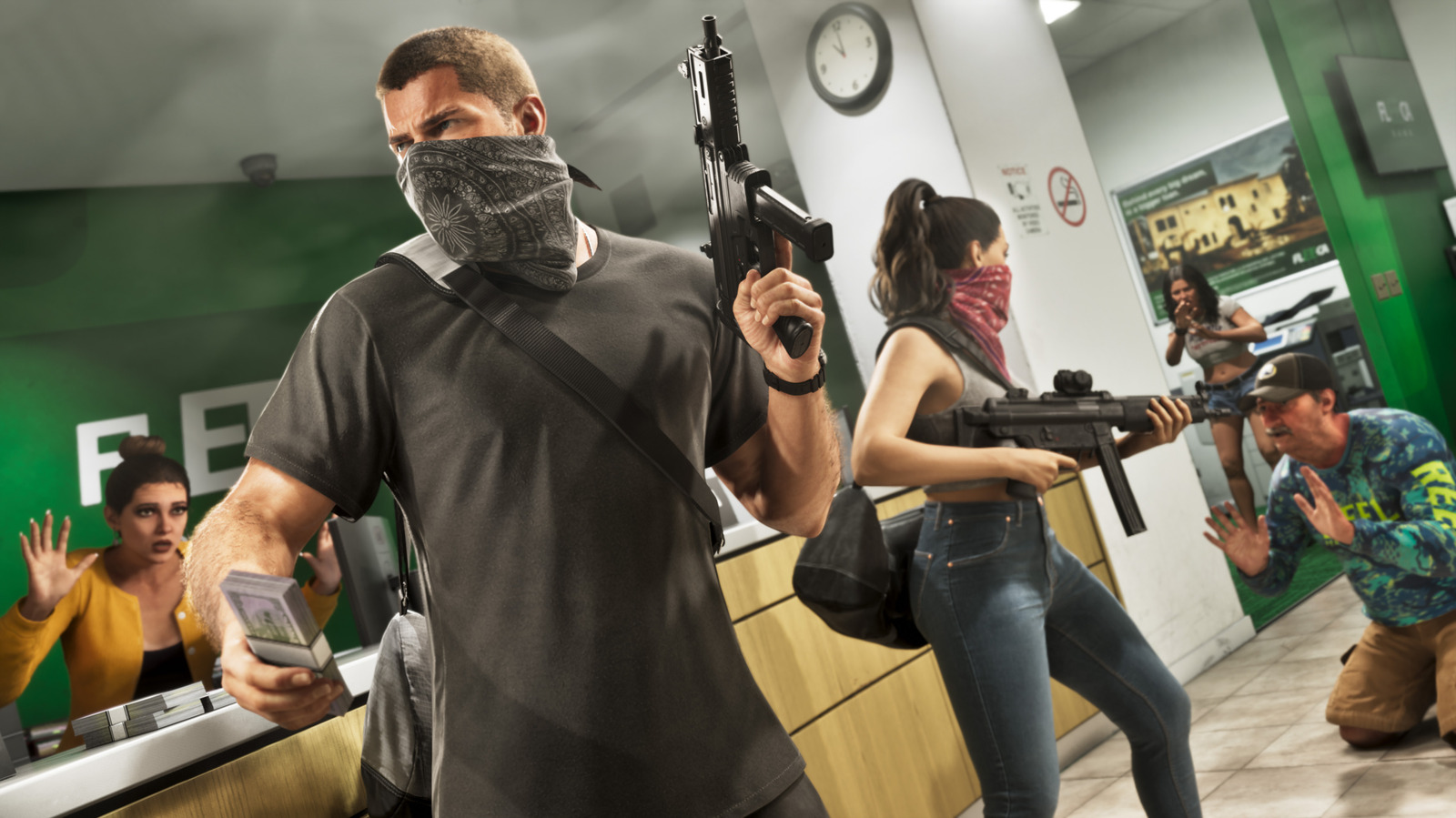
A Deeper Look at the Heat System
The Heat system functions through a multifaceted approach to tracking, which represents a significant departure from the binary "wanted or not" logic of previous games. At the heart of this evolution is the behavior of the Wanted stars themselves. For the first time in the history of the Grand Theft Auto franchise, these stars are dynamic indicators that change color based on the police’s level of certainty regarding the suspect’s identity. This visual feedback is crucial; it informs the player whether they are being actively pursued by officers who know exactly who they are, or if they are currently being searched for based on a generalized description. This nuance forces a shift in strategy—players must decide whether to engage, flee, or attempt to mask their presence.
Complementing this, the game introduces a new suite of tracking icons positioned directly beneath the Wanted level. These icons serve as a real-time diagnostic tool, communicating to the player exactly how the VCPD is maintaining its pursuit. These indicators are designed to be intuitive, yet they create a cumulative pressure; the more icons that are active simultaneously, the higher the probability that the police will successfully identify and track the protagonists. This creates a tangible sense of stakes that goes beyond the mere duration of a chase. The police are now acting with a form of procedural intelligence, piecing together evidence to ensure that the player cannot simply outrun them without addressing the underlying factors of their visibility.
Identification and the Consequences of Crime
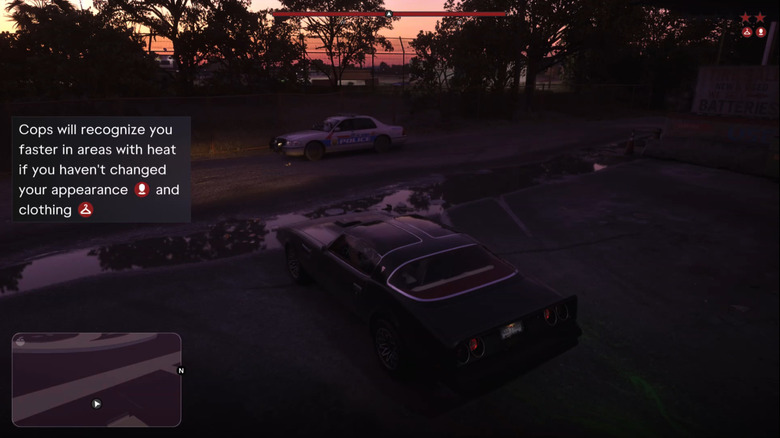
The ability for the VCPD to identify Jason and Lucia is perhaps the most sophisticated aspect of this new system. In previous titles, police AI functioned primarily on proximity. In GTA 6, the system accounts for the environment and the player’s efforts to remain incognito. The inclusion of these identification markers means that players are actively incentivized to be more tactical. A hasty getaway is no longer a guaranteed solution if the player has been clearly identified by witnesses or law enforcement. This mechanic pushes players toward a more considered approach to criminal activity, where planning—such as choosing the right time for a robbery or ensuring one’s face is covered—becomes just as important as the execution of the crime itself.

This tactical layer extends to the regional level, turning the entire map of Leonida into a reactive ecosystem. When players commit crimes in a specific area, that territory accumulates "Heat." This is not merely a temporary state; it has lasting consequences for how that neighborhood functions. If a player causes enough chaos in a particular district, the VCPD will increase their patrol frequency in that sector. These patrols are persistent, remaining in the area even after the player has successfully evaded an active chase.
This regional awareness is clearly visualized for the player through the in-game map, where areas with high levels of activity are highlighted with a distinct purple overlay. This "Hot" zone designation serves as a warning, signaling that law enforcement is currently on high alert in that vicinity. The implication for gameplay is significant: players can no longer treat the city as a monolithic playground where the consequences of their actions disappear the moment they round a corner. Instead, they must manage their criminal footprint across the state. If they continue to operate in a "Hot" zone, they will find it increasingly difficult to avoid detection, as the police presence will be denser and more responsive.
Conversely, the system is designed to "cool down" over time. If a player moves to a different region or simply refrains from criminal activity, the Heat level in a previously compromised area will gradually dissipate. This encourages a more fluid, nomadic style of play where the world itself reacts to the player’s history. It forces a strategic pace—players must decide whether to double down on a high-heat area, risking a massive confrontation, or to lie low in quieter parts of the state to allow the situation to stabilize.
Ultimately, the Heat system serves as an evolution of the Grand Theft Auto formula that respects the legacy of the Wanted system while pushing the franchise toward a more immersive, reactive future. By weaving together elements of visual feedback, persistent regional tracking, and identity-based detection, Rockstar Games has transformed the act of evading the police into a deeper, more rewarding gameplay loop. Players are no longer just fighting against an arbitrary timer; they are managing their reputation and their visibility in a world that remembers their transgressions. As GTA 6 continues to unfold for millions of players, this system stands as a prime example of how even the most established mechanics can be revitalized through thoughtful, detail-oriented design, ensuring that the thrill of the chase remains as compelling as ever in the sprawling, dangerous state of Leonida.