








The mists are officially rolling into the world of streaming. Netflix has confirmed that it is moving forward with a live-action Dungeons & Dragons series centered on the iconic and terrifying domain of Ravenloft. This ambitious project aims to bring the tabletop franchise’s most celebrated horror setting to the small screen, offering a darker, more atmospheric departure from the high-fantasy tropes typically associated with the brand.
The project, simply titled Ravenloft, marks a significant shift in the strategic direction for Hasbro Entertainment and its partners. According to recent reports, the series is being developed by a high-profile creative team including screenwriter John August and acclaimed filmmaker Alfonso Cuarón. Industry insiders have noted that Ravenloft is effectively positioning itself as the successor to Netflix’s previous, now-defunct attempt to adapt the Forgotten Realms setting. While the cancellation of that prior project left fans wondering about the future of D&D on television, the pivot to the gothic horror of Ravenloft suggests a focused effort to capture a specific, mature audience that thrives on suspense and psychological tension.
Why Ravenloft Matters
For the uninitiated, Dungeons & Dragons often evokes images of brightly lit taverns, soaring dragons, mountains of gold, and witty adventuring parties embarking on epic quests to save the world. Ravenloft, however, is the antithesis of this traditional heroic narrative. It is the game’s "gothic nightmare corner"—a place where the rules of high fantasy are suspended in favor of cursed lands, haunted castles, and tragic, irredeemable monsters. In this realm, the primary antagonist is rarely a simple beast to be slain; it is a malevolent force that toys with the souls of the living.
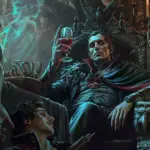
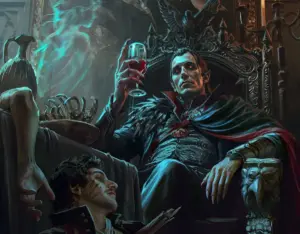
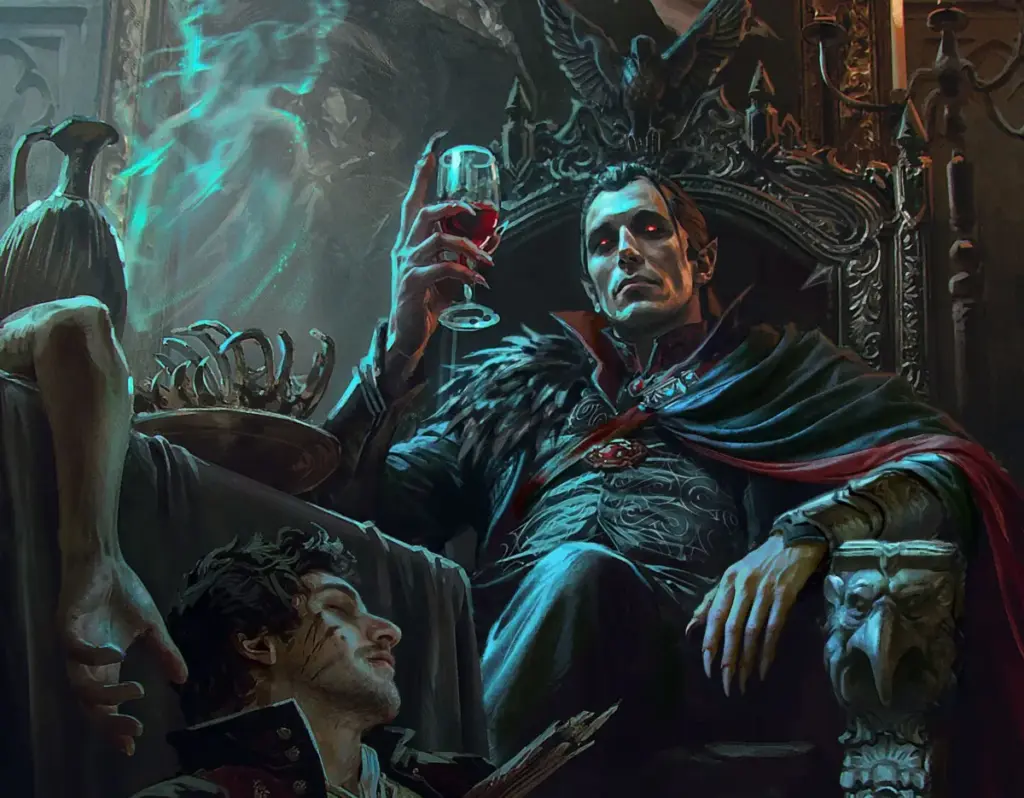
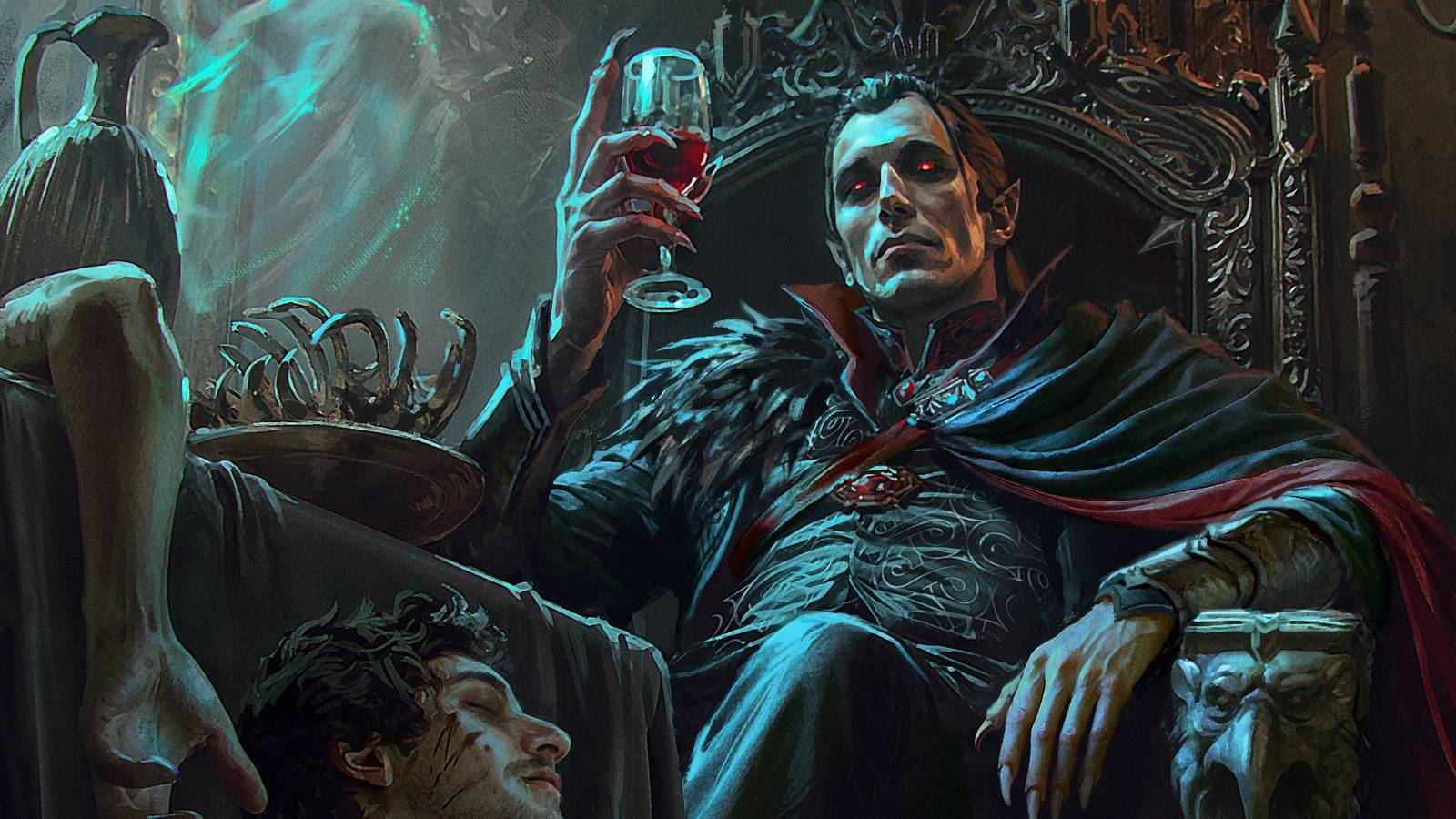
The significance of this setting cannot be overstated. Ravenloft has served as a cornerstone of the Dungeons & Dragons lexicon for over four decades, tracing its lineage back to the seminal 1983 adventure that introduced the world to Count Strahd von Zarovich. Strahd, a vampire lord trapped in the mist-shrouded land of Barovia, remains perhaps the most recognizable villain in the entirety of the D&D canon. He is not merely a predator, but a figure of immense tragedy and tyranny, an eternal prisoner of his own sins. By choosing to center a prestige television series on this specific locale, the creators are signaling an intent to lean heavily into the psychological and emotional weight that defines the setting’s best stories.
Beyond the shadow of Strahd, the "Domains of Dread" offer a vast, modular canvas for storytelling. The setting is composed of a collection of distinct horror realms, each ruled by a "Darklord"—a figure imprisoned in a world shaped and warped by their own personal obsessions, failures, and cruelties. This structural design provides the television series with an incredible amount of creative flexibility. Rather than being tethered to a single, long-form linear narrative, a Ravenloft series could theoretically traverse a variety of horror subgenres, shifting from gothic romance and psychological thrillers to grim folklore and visceral supernatural terror.
This versatility has allowed the setting to remain relevant and beloved long after its inception. While the modern module Curse of Strahd is widely considered the gold standard for D&D horror, serving as a gateway for countless new players, recent expansions have only deepened the appeal. Sourcebooks such as Van Richten’s Guide to Ravenloft and Ravenloft: The Horrors Within have expanded the scope of the domain, moving well beyond the borders of Barovia to provide a comprehensive toolkit for exploring almost any flavor of horror that the D&D system can accommodate. Bringing this depth to a medium like Netflix—which has a proven track record of finding success with stylized, atmospheric genre television—is a logical, if bold, step for the brand.
D&D is Getting Busy on Screen and Beyond
The announcement of the Ravenloft series arrives at a pivotal moment for the Dungeons & Dragons intellectual property. The franchise is currently undergoing a massive, multi-pronged expansion designed to cement its place in mainstream pop culture, moving well beyond the confines of the tabletop gaming table.
This push is occurring across several fronts. While the Ravenloft project represents a major commitment from Netflix, the broader landscape of D&D adaptations remains in flux. The feature film Dungeons & Dragons: Honor Among Thieves, released to critical acclaim in 2023, left fans clamoring for a sequel. However, the status of a follow-up film remains uncertain. Despite reports that co-writer and co-director Jonathan Goldstein has confirmed the existence of a script, the studio has yet to greenlight a direct continuation, leaving the franchise’s cinematic future somewhat opaque compared to its television prospects.

The cultural footprint of D&D, however, has never been larger. The massive success of Larian Studios’ Baldur’s Gate 3 has demonstrated the appetite for deep, complex, and player-driven storytelling within the D&D universe. Even years after its initial launch, the game continues to command a massive audience, with a robust community dedicated to modding, discussing lore, and debating the nuances of the game’s branching narratives. This digital presence has proven that the core tenets of D&D—player agency, narrative complexity, and world-building—are highly translatable to modern interactive and passive entertainment.
Furthermore, the "Actual Play" phenomenon, led by the cultural juggernaut Critical Role, has fundamentally changed how the public interacts with the brand. By transforming the act of playing a tabletop game into a high-production entertainment experience, these creators have built a massive, dedicated fanbase that spans live shows, animated adaptations, and interactive media. This evolution has created a "rising tide" effect, where the visibility of one project bolsters interest in the next.
As Netflix begins the arduous process of translating the gothic dread of Ravenloft into a live-action series, they do so with the knowledge that they are working with one of the most storied and flexible foundations in fantasy gaming. The challenge, and the opportunity, lies in capturing that distinct feeling—that persistent, gnawing sense that in the mists of Ravenloft, there is always something waiting in the dark. For fans of the franchise, the arrival of the mists on their screens is not just a new series; it is the realization of a decades-old promise that the world of Dungeons & Dragons is far deeper, and far darker, than many have ever dared to explore.