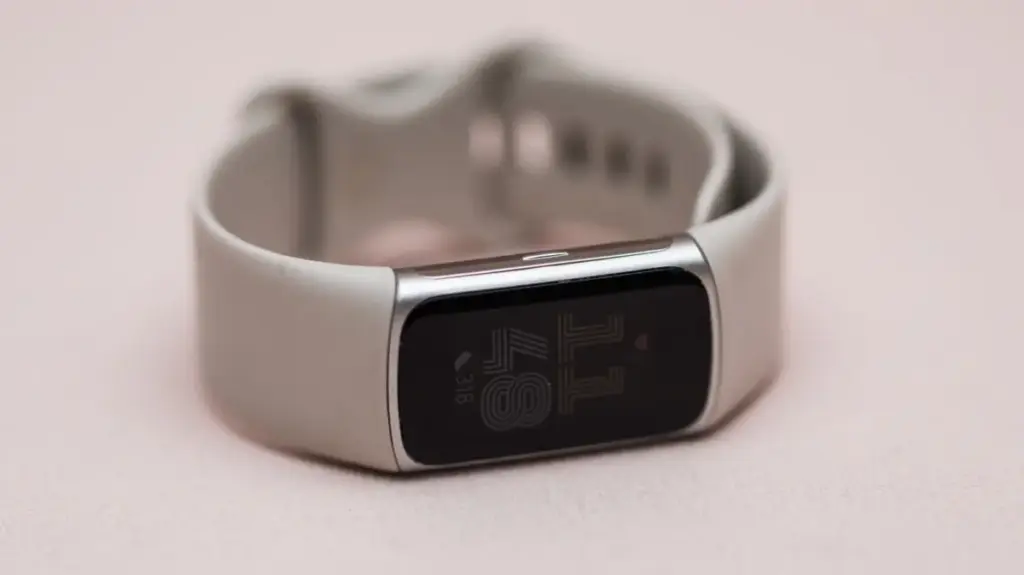
Google has moved one step closer to expanding its wearable portfolio, effectively confirming the upcoming release of a new fitness tracker. After weeks of speculation, leaked imagery, and industry chatter, the company has officially signaled that a new device, dubbed the "Fitbit Edge," is set for an imminent debut. Through a series of coordinated social media posts on platforms like Instagram and X, Google has provided the clearest indication yet that it intends to bridge the gap between its entry-level screenless trackers and its premium smartwatch lineup.
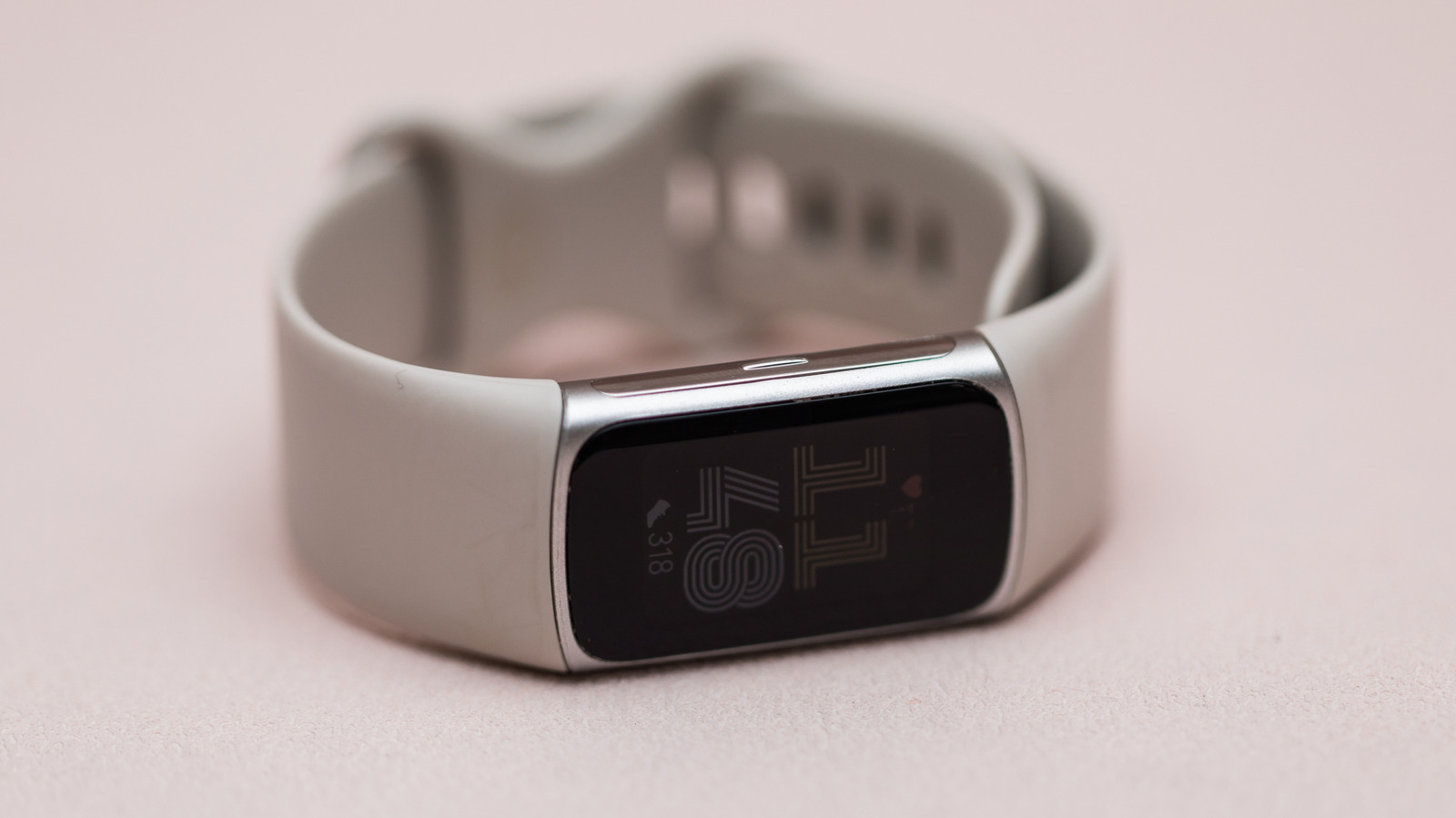
The teaser, which surfaced on the official Google Health social media accounts, leaves little to the imagination regarding the product’s identity. The posts feature a close-up image showcasing what appears to be a physical side button on a sleek, metallic chassis, accompanied by the punchy caption: "Get an Edge on your health. 10.12.26." This strategic use of capitalization for the word "Edge" serves as a de facto confirmation of the product’s branding, while the accompanying date—October 12, 2026—sets the stage for an official unveiling.
A New Middle Ground in the Fitbit Ecosystem
The emergence of the Fitbit Edge is particularly significant for how it fits into Google’s broader hardware strategy. Since the acquisition of Fitbit, Google has sought to segment its health-tracking offerings to cater to different tiers of users. On one end of the spectrum, there is the minimalist "Fitbit Air," a screenless device launched earlier this year that focuses on core health metrics and AI-assisted coaching without the distraction of a display. On the other end, the "Pixel Watch 5" serves as the company’s flagship, full-featured smartwatch, designed for users who want deep integration with the Android ecosystem, cellular connectivity, and a comprehensive app experience.
The Fitbit Edge is widely expected to occupy the "Goldilocks" zone between these two devices. It is positioned to offer a display-centric experience for users who want more data visibility than the Fitbit Air provides, but who do not necessarily require the sophisticated software overhead or the price point of a full-fledged Pixel Watch. By introducing the Edge, Google appears to be rounding out its wearable ecosystem, ensuring that there is a compelling option at every price point and feature set, from the utilitarian to the premium.
The Paper Trail of Leaks
While the recent teaser from Google Health is the first official word on the device, the Fitbit Edge has been an open secret within the tech community for some time. The trail of evidence began as early as August 2026, when eagle-eyed observers noticed an unidentified fitness tracker appearing in marketing materials for the Google Pixel 11 smartphone. At the time, the device lacked a formal name, but its presence in high-profile promotional content suggested it was a priority product for the company’s fall hardware cycle.
As the weeks progressed, the leaks became more substantial. The name "Fitbit Edge" first gained traction following reports from Android Headlines, which shared a series of product renders and provided early insights into the device’s software capabilities. These reports indicated that the wearable would feature a custom suite of apps designed to leverage Google’s health-tracking algorithms, further cementing the device’s place in the company’s push toward integrated wellness solutions.
The momentum of these leaks reached a fever pitch earlier this week when the French publication Dealabs released a comprehensive report. This detailed analysis not only confirmed the design and moniker of the device but also offered a glimpse into the hardware specifications that users can expect. According to the report, the Fitbit Edge is designed with a keen focus on battery efficiency, promising up to seven days of usage on a single charge—provided the always-on display functionality is disabled. For users who prefer to have their metrics visible at a glance at all times, the battery life is expected to drop to approximately two days, which is standard for modern trackers with active OLED screens.
Pricing and Market Positioning
Perhaps the most discussed aspect of the upcoming release is how the Fitbit Edge will be priced in a competitive market. The Dealabs report suggested a European price point of €179. When adjusting for the typical conversion and tax differences seen in the tech industry, analysts suggest that the device could land at around $180 in the United States.
This pricing strategy is telling. The Fitbit Air currently retails for $99 in the U.S. and €99 in Europe, while the Pixel Watch 5 sits at the higher end of the premium segment. By slotting the Edge into the $180 range, Google is effectively creating a new tier for mid-range fitness enthusiasts who are looking for a reliable, screen-equipped tracker that does not carry the cost of a full smartwatch. This mid-tier segment has historically been the bread and butter of the fitness tracker market, and Google’s entry suggests it is eager to recapture interest from users who have previously gravitated toward competitors like Garmin or mid-range Xiaomi devices.
Integration with Google Health Premium
Beyond the hardware itself, the Fitbit Edge is likely to serve as a hardware vehicle for Google’s broader software services. The company has been aggressively unifying its health and fitness platforms, pushing users toward the "Google Health Premium" subscription service. This platform offers deep-dive insights, personalized workout plans, and advanced recovery tracking, all of which are designed to keep users engaged with the Google ecosystem over the long term.
Industry experts note that the Fitbit Edge will likely come with a trial for this premium service, effectively incentivizing users to maintain their subscriptions once the initial period ends. By bundling sophisticated, AI-driven insights with a piece of hardware that is accessible and stylish, Google is attempting to create a "sticky" user experience where the health metrics gathered on the wrist are made actionable through the software on the phone.
A Return to Form
The release of the Fitbit Edge also marks a return to the form factor that defined the brand’s success for years. The last time Google released a tracker in this specific, slim-profile category was the Fitbit Charge 6, which arrived in 2023. The Charge 6 was well-received for reintroducing a physical side button—a feature that many users felt had been unfairly omitted from previous iterations in favor of purely touch-based controls.
The inclusion of a side button on the upcoming Fitbit Edge, as teased in the recent social media posts, suggests that Google has listened to user feedback regarding tactile controls. In a fitness context, where users might be running, swimming, or wearing gloves, physical buttons offer a level of reliability that touchscreens often lack. This design choice, combined with the expected software improvements, positions the Edge as a refined successor to the long line of trackers that originally made the Fitbit brand a household name.
As the industry looks toward October 12, the focus remains on whether the hardware can live up to the expectations set by the leaks. With the design essentially confirmed and the software strategy becoming increasingly clear, the upcoming reveal is less about the "what" and more about the "how." For Google, the Fitbit Edge represents a vital piece of the puzzle in its ongoing effort to dominate the personal health technology space. Whether the device will successfully sway users away from established competitors or simply solidify the loyalty of existing Fitbit fans will become clear once the device hits the market later this year. For now, the countdown has officially begun.