










BREAKING NEWS
Artificial Intelligence Meta Unveils Muse Spark 1.3: A High-Stakes Leap in Agentic AI Performance 4 hours ago Software Development Seamless Continuity: Bridging the Gap Between the GitHub Copilot App and VS Code 4 hours ago Gaming & VR The Lost Vision: Technical Director Reveals Ambitious Scope of Canceled ‘Mass Effect Universe’ 4 hours ago Open Source Streamlining Web Publishing: How Docsify-This Brings Instant Markdown Rendering to Platforms Everywhere 4 hours ago IoT & Smart Home Apple’s Recent Major Product Reveal Signals a Bold New Era for Smart Home Integration 4 hours ago Space Tech Global Satellite Services Revenues Projected to Reach $145 Billion by 2035, Driven by Data Services Boom 4 hours ago Networking & Telecom European Telecom and Tech Roundup: Sovereign Satellites, Quantum Leaps, and Security Measures 4 hours ago Design & UI/UX Why Organizations Are Repeating the Mistakes of Digital Transformation With AI Adoption 4 hours ago Artificial Intelligence State-Linked Hackers Bypass Digital Defenses with "Evil Maid" Hotel Room Incursions 12 hours ago Cybersecurity Federal Investigators Uncover Deep Ties Between Ransomware Negotiators and ShinyHunters Hacking Group 12 hours ago Artificial Intelligence Meta Unveils Muse Spark 1.3: A High-Stakes Leap in Agentic AI Performance 4 hours ago Software Development Seamless Continuity: Bridging the Gap Between the GitHub Copilot App and VS Code 4 hours ago Gaming & VR The Lost Vision: Technical Director Reveals Ambitious Scope of Canceled ‘Mass Effect Universe’ 4 hours ago Open Source Streamlining Web Publishing: How Docsify-This Brings Instant Markdown Rendering to Platforms Everywhere 4 hours ago IoT & Smart Home Apple’s Recent Major Product Reveal Signals a Bold New Era for Smart Home Integration 4 hours ago Space Tech Global Satellite Services Revenues Projected to Reach $145 Billion by 2035, Driven by Data Services Boom 4 hours ago Networking & Telecom European Telecom and Tech Roundup: Sovereign Satellites, Quantum Leaps, and Security Measures 4 hours ago Design & UI/UX Why Organizations Are Repeating the Mistakes of Digital Transformation With AI Adoption 4 hours ago Artificial Intelligence State-Linked Hackers Bypass Digital Defenses with "Evil Maid" Hotel Room Incursions 12 hours ago Cybersecurity Federal Investigators Uncover Deep Ties Between Ransomware Negotiators and ShinyHunters Hacking Group 12 hours ago
Stories
Meta Unveils Muse Spark 1.3: A High-Stakes Leap in Agentic AI Performance
Seamless Continuity: Bridging the Gap Between the GitHub Copilot App and VS Code
The Lost Vision: Technical Director Reveals Ambitious Scope of Canceled ‘Mass Effect Universe’
Streamlining Web Publishing: How Docsify-This Brings Instant Markdown Rendering to Platforms Everywhere
Apple’s Recent Major Product Reveal Signals a Bold New Era for Smart Home Integration
Global Satellite Services Revenues Projected to Reach $145 Billion by 2035, Driven by Data Services Boom
European Telecom and Tech Roundup: Sovereign Satellites, Quantum Leaps, and Security Measures
Why Organizations Are Repeating the Mistakes of Digital Transformation With AI Adoption
State-Linked Hackers Bypass Digital Defenses with "Evil Maid" Hotel Room Incursions
Federal Investigators Uncover Deep Ties Between Ransomware Negotiators and ShinyHunters Hacking Group
Beyond Speed: How Java Experts Are Redefining the Role of AI in Software Engineering
Cutting the Cord: Navigating the Market for Wireless CarPlay Adapters

Tag: data science

87 posts

Standard

Five Free AI Coding Agents Emerge as Accessible Options for Developers Without Upfront Costs

Artificial intelligence coding agents are rapidly expanding beyond enterprise-tier budgets and paid application programming interfaces, opening up advanced software development capabilities to a much wider audience. Recent developments in the artificial intelligence ecosystem indicate that developers, students, and hobbyists can now leverage capable agents powered by advanced open-source and proprietary models from major AI laboratories…


Read more
Standard

Navigating the Modern Job Market: What Companies Actually Mean by "AI Experience"

Job postings for data analysts, statisticians, and researchers increasingly list "AI experience" as a mandatory requirement, reflecting a broader shift in how modern organizations recruit analytical talent. However, that phrase means very different things depending on who wrote the listing, what industry they’re in, and what specific business problem they’re trying to solve. A hiring…

Read more
Standard

Decoding "AI Experience": What Employers Actually Mean When They Hire Data Analysts

Job postings across the technology, retail, finance, and healthcare sectors increasingly feature a familiar requirement for data analysts, statisticians, and researchers: "AI experience." However, this ubiquitous phrase has grown to mean wildly different things depending on who wrote the listing, the specific industry context, and the business problems the organization is trying to solve. A…

Read more
Standard

Decoding "AI Experience" in Data Science Job Postings: What Employers Actually Want

Job postings targeting data analysts, statisticians, and researchers increasingly feature a prominent and demanding requirement: "AI experience." Yet, this single phrase has become a moving target, meaning vastly different things depending on the author of the listing, the specific industry, and the distinct business problem the organization aims to solve. A hiring manager working within…

Read more
Standard

Decoding the Ambiguity of "AI Experience" in Modern Data Science and Analytics Hiring

Job postings for data analysts, statisticians, and researchers increasingly list "AI experience" as a mandatory requirement, reflecting a broader shift in how organizations staff their technical teams. However, that simple phrase means very different things depending on who wrote the listing, what industry they operate within, and what specific problem the business is trying to…

Read more
Standard

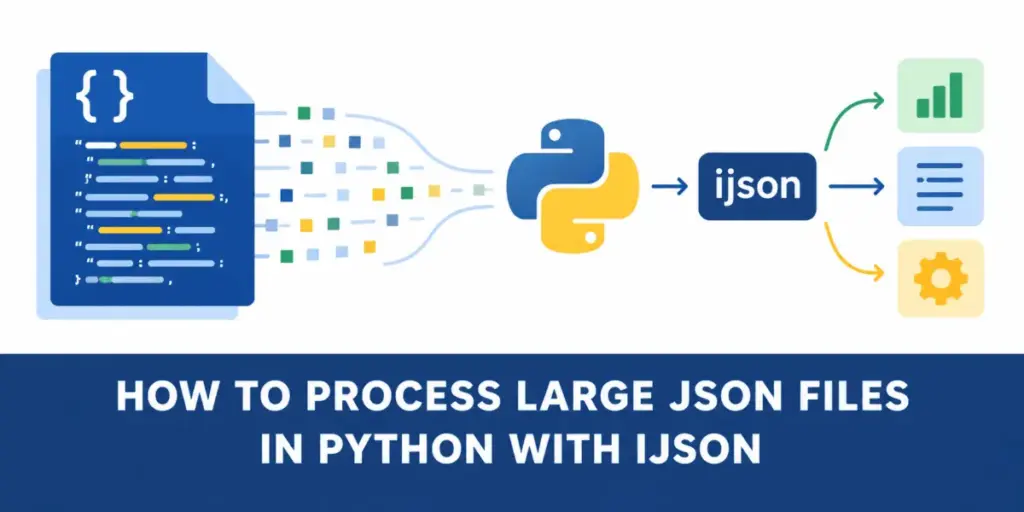
Python Developers Face Memory Bottlenecks With Large JSON Files As Streaming Alternatives Gain Traction

JSON remains one of the most ubiquitous formats for data storage and exchange across modern Python applications. For small-scale files and lightweight data structures, Python’s built-in json module serves as an efficient and straightforward tool. Developers can easily read and parse files into memory with minimal code using standard methods like json.load(), allowing for rapid…

Read more
Standard

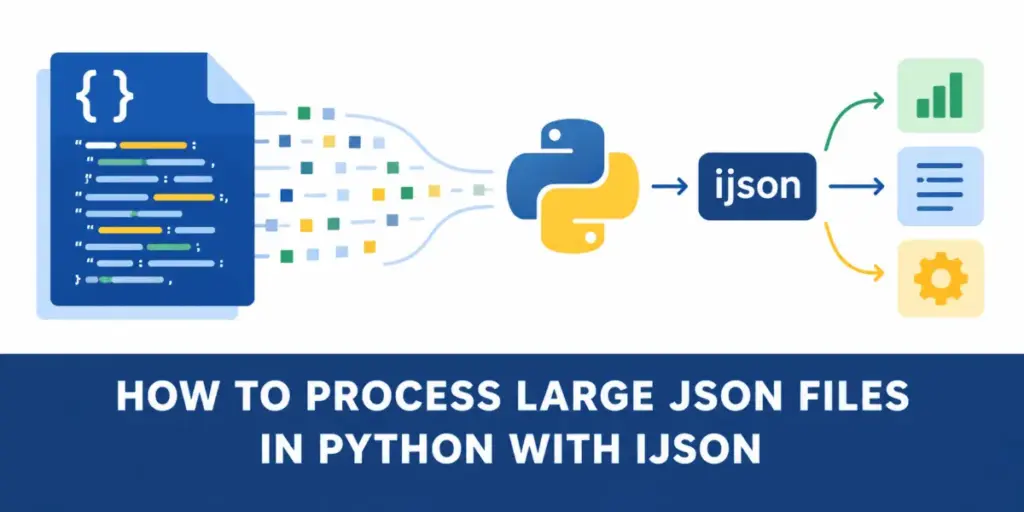
Python Developers Face Memory Bottlenecks With Large JSON Files, Sparking Shift Toward Iterative Parsing

The JavaScript Object Notation format has long served as a bedrock for data storage and application communication in the Python ecosystem. For modest workloads, Python’s built-in json module provides a straightforward and reliable mechanism for parsing data into memory with simple commands. However, modern data engineering challenges often involve multi-gigabyte datasets, exposing significant performance and…

Read more
Standard

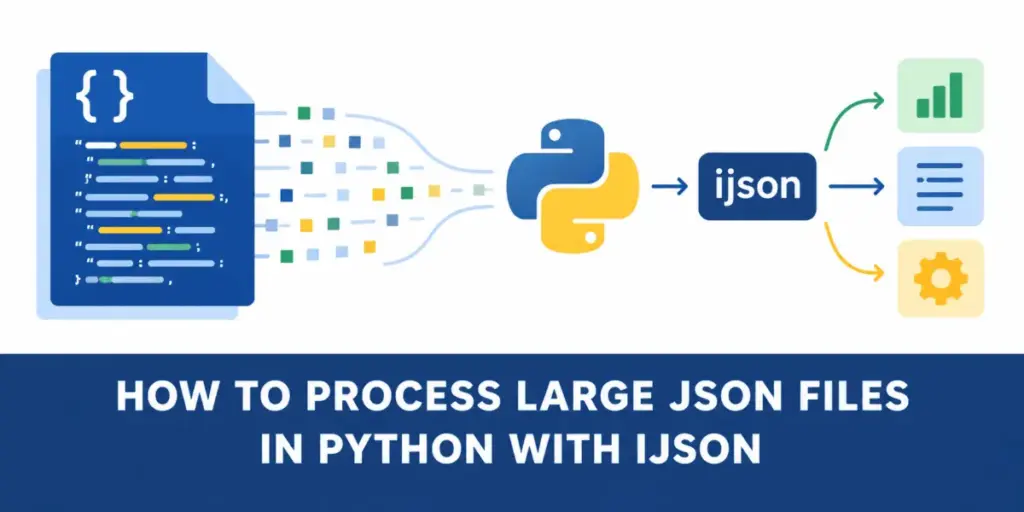
Python Developers Face Memory Bottlenecks with Large JSON Files: A Streaming Solution

Data processing in modern applications frequently encounters the limits of traditional memory management, particularly when handling ubiquitous formats like JSON. While Python’s built-in json module offers a straightforward and reliable mechanism for small-to-moderate data files, engineers working with large-scale datasets often face severe performance bottlenecks and memory exhaustion. A common experiment utilizing San Francisco municipal…

Read more
Standard

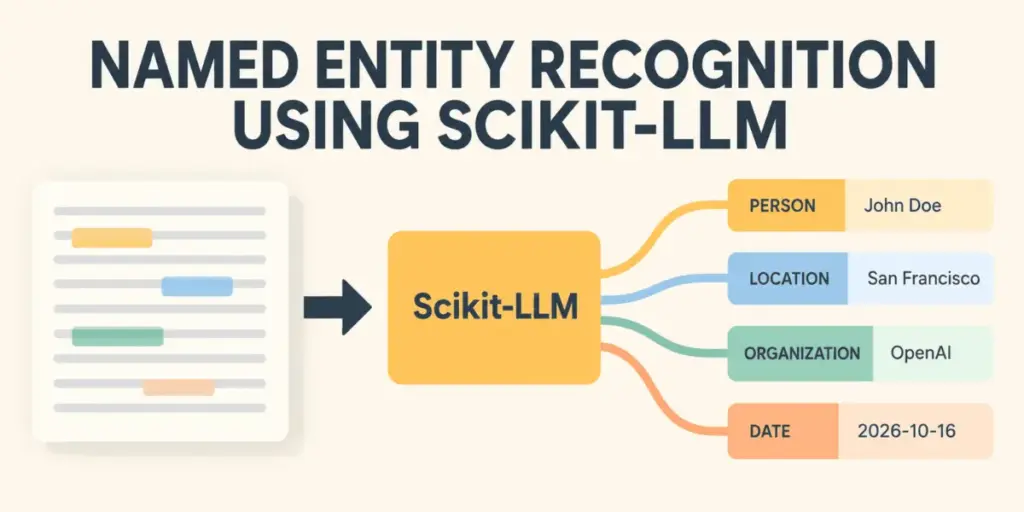
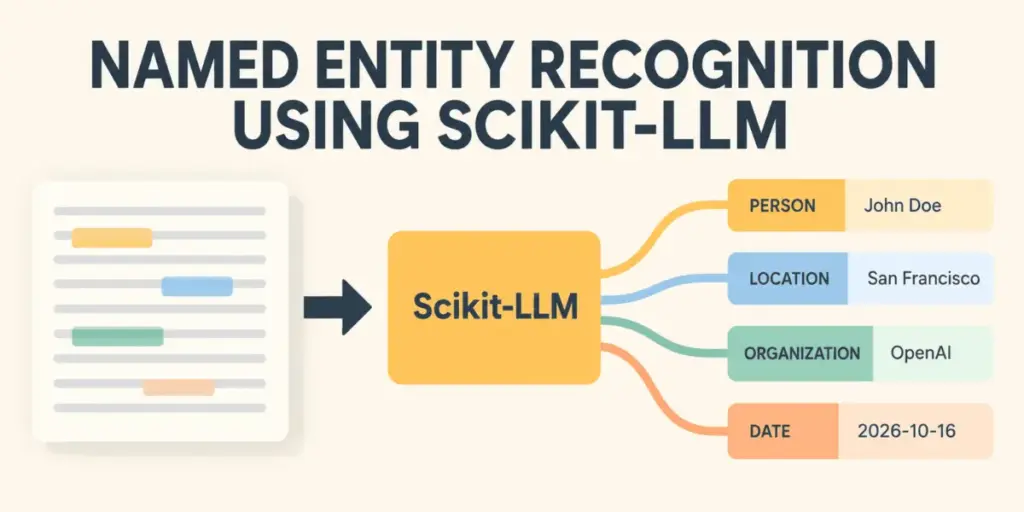
Streamlining Named Entity Recognition: How Scikit-LLM and Groq are Transforming Unstructured Data Extraction

The process of converting unstructured, messy text into organized, structured data has long been a foundational challenge in data analysis and machine learning. Known as named entity recognition (NER), this crucial capability allows systems to identify, extract, and categorize relevant information from vast oceans of text, powering everything from advanced predictive models to automated search…

Read more
Standard

Leveraging Large Language Models for Advanced Named Entity Recognition Without Custom Training

The process of turning messy, unstructured text into organized, actionable data remains one of the most persistent hurdles in modern data analysis and machine learning. Traditionally, extracting structured information—such as company names, executive titles, hardware products, and geographical locations—required extensive natural language processing libraries. These legacy systems typically demanded massive training datasets and grueling fine-tuning…

Read more

You May Have Missed

Catch up on interesting stories you might have overlooked