For the average American consumer, the smartphone market is often perceived as a closed loop. Walk into any carrier store or major electronics retailer, and you are almost exclusively presented with a reliable, albeit predictable, lineup of devices from Apple, Samsung, and Google. These handsets are optimized for domestic networks, backed by robust local warranties, and integrated seamlessly into the regional software ecosystem. Yet, beyond the borders of the United States, a vibrant and experimental world of mobile technology thrives—one that often features hardware innovations, daring designs, and aggressive pricing that never make it to American shelves.
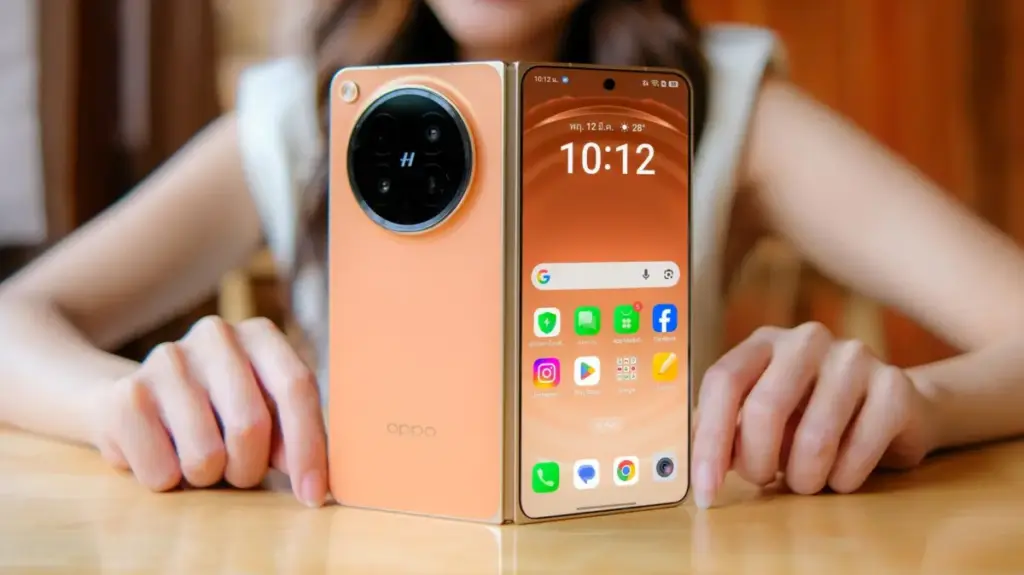
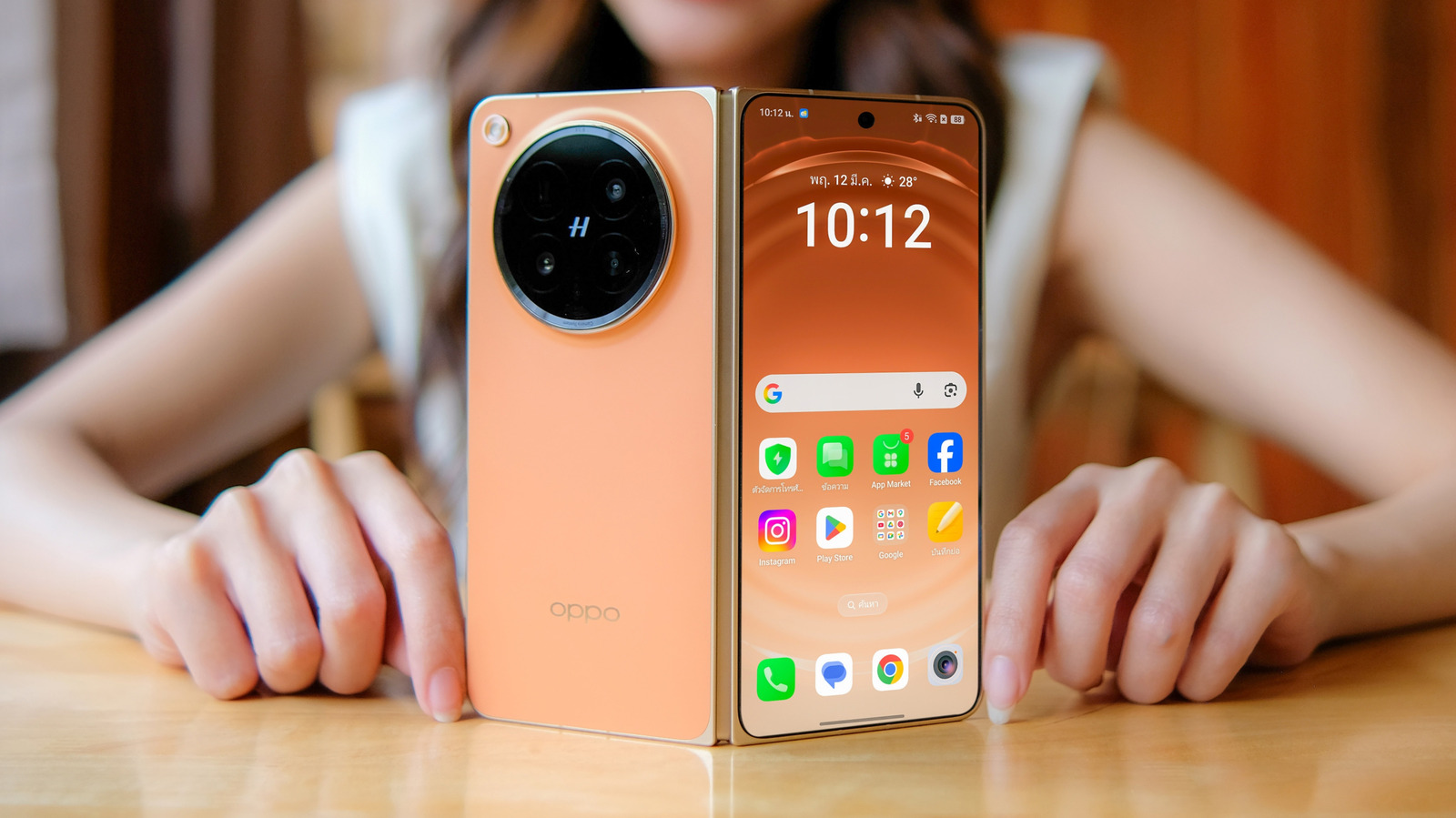
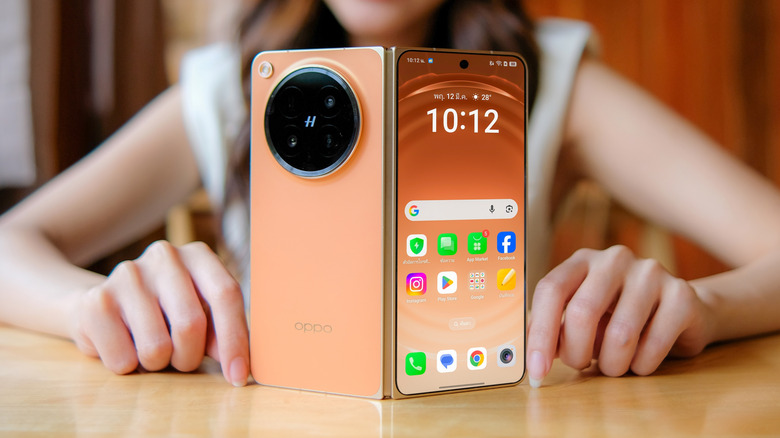
From Xiaomi’s ambitious foldable line to the sophisticated Magic series by Honor and the design-forward Find X handsets from OPPO, the global market offers a glimpse into the future of mobile engineering. These devices often push boundaries in ways that mainstream US models do not, leading many tech enthusiasts to consider the route of importing. However, while the allure of owning a unique, high-performance piece of hardware is strong, the process of bringing a foreign phone into the United States is fraught with technical, logistical, and legal complexities that prospective buyers must carefully weigh before parting with their money.
Navigating the Technical Minefield of Global Compatibility
The primary hurdle for any would-be importer is the fundamental question of cellular connectivity. While it is true that modern smartphone engineering has trended toward "global" models—devices designed with a wide array of frequency bands to accommodate roaming—this does not guarantee a plug-and-play experience on American carriers. Every carrier operates on a specific set of frequency bands, and if an imported device lacks the specific bands required by your network provider, the results can be frustrating.

In the best-case scenario, a user might find themselves relegated to slower LTE speeds, losing out entirely on the high-speed benefits of 5G connectivity. In more severe cases, the device may struggle to maintain a consistent connection or fail to register on the network altogether. Beyond simple data speeds, there is the issue of carrier-specific functionality. Advanced features that modern users take for granted—such as VoLTE (Voice over LTE), Wi-Fi calling, and visual voicemail—are rarely universal. These services typically require specific certification for every individual device model. Even if a phone can make a basic call, it might be stripped of these critical utility features, rendering the device less convenient than a budget-tier phone purchased locally.
Furthermore, these requirements are not static. As carriers evolve their infrastructure and sunset older technologies, a device that performs adequately today may find itself obsolete or incompatible tomorrow. Before committing to an international purchase, experts often advise that consumers treat online forums and community-driven technology platforms as their first line of defense. Engaging with users on platforms like Reddit who have firsthand experience with a specific model can provide a realistic look at how a device performs in the real world on specific US carriers, providing a far more accurate picture than a manufacturer’s spec sheet.
The Software and Support Gap
Beyond hardware connectivity, the software experience on imported devices can present a significant culture shock. In the United States, we are accustomed to a standardized Android experience, largely defined by the presence of Google Play Services and a predictable update cycle. However, international models—particularly those intended for the Chinese market—may lack Google Play Services entirely. For the average user, this means the inability to access the Google Play Store, Google Maps, Gmail, or other essential apps without significant manual intervention or complex "sideloading" workarounds that may not be stable.
Even when Google services are present, software updates can be a point of contention. In many international markets, update rollouts are tightly coupled with regional requirements or specific carrier partnerships that do not exist in the US. This can lead to fragmented support, where the user is left waiting for months for security patches or major OS upgrades that have already reached domestic models. Moreover, international software builds often come pre-loaded with regional bloatware, proprietary storefronts, and services that are entirely irrelevant to a US user, and which may not be easily uninstalled or disabled.
Perhaps the most daunting aspect of the import experience, however, is the total lack of localized customer support. When you purchase a flagship phone from a major brand in the US, you are paying for more than just the hardware; you are paying for the safety net of authorized repair centers, legitimate warranty claims, and a streamlined replacement process. When an imported phone encounters a hardware failure, that safety net disappears. A cracked screen or a degraded battery becomes a major crisis. Many manufacturers have no official presence in the US, meaning there are no authorized repair facilities to turn to. Consumers are often forced to rely on third-party, non-authorized repair shops, which may not have access to genuine parts, further complicating the long-term viability of the device.
The Allure of Innovation and the Case for Importing
Despite these significant drawbacks, the temptation to import remains high for a reason. The international smartphone market is currently serving as an incubator for the next generation of mobile technology. Companies in Asia, in particular, are iterating at a pace that is difficult for domestic brands to match. We are seeing the rise of three-screen foldable devices, cameras that rival dedicated DSLR rigs in terms of sensor size and glass quality, and battery technologies that offer endurance levels far exceeding what is found in standard US flagships.

Consider the recent release of the Xiaomi 18 Fold. It is a device that directly challenges the status quo, offering a large-capacity battery and a superior camera array that, on paper, outclasses many of the premium devices currently marketed by US wireless carriers. It is an engineering marvel that, for a tech enthusiast, represents a leap forward in what a mobile device can be. The fact that such a device can be acquired for a price point around $1,640—often representing a better value proposition than domestic equivalents when considering the feature set—only adds to its appeal.
There is also the matter of legacy features. While US consumers have largely been forced into the era of the eSIM, many international versions of smartphones retain the physical dual-SIM card slot. For frequent international travelers or those who prefer the flexibility of keeping separate work and personal lines on physical cards, this is a significant advantage that is becoming increasingly rare in the US market.
Ultimately, the decision to import a smartphone is a trade-off between convenience and curiosity. For the average consumer, the risks—ranging from dropped calls and missing software features to the total absence of warranty support—outweigh the benefits. The peace of mind that comes with a device that is officially supported, fully compatible with local networks, and easily serviceable is a luxury that most users find indispensable. However, for the power user, the enthusiast, or the individual who is willing to navigate the complexities of international logistics in exchange for hardware that pushes the boundaries of what is possible, the import market remains a compelling, if precarious, frontier. It is an experience that can be deeply rewarding for those who know exactly what they are getting into, but one that requires a level of diligence that goes far beyond the typical retail transaction.