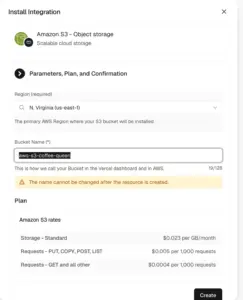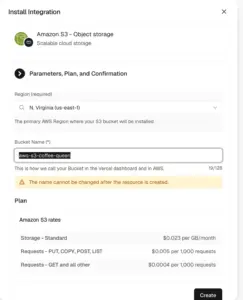








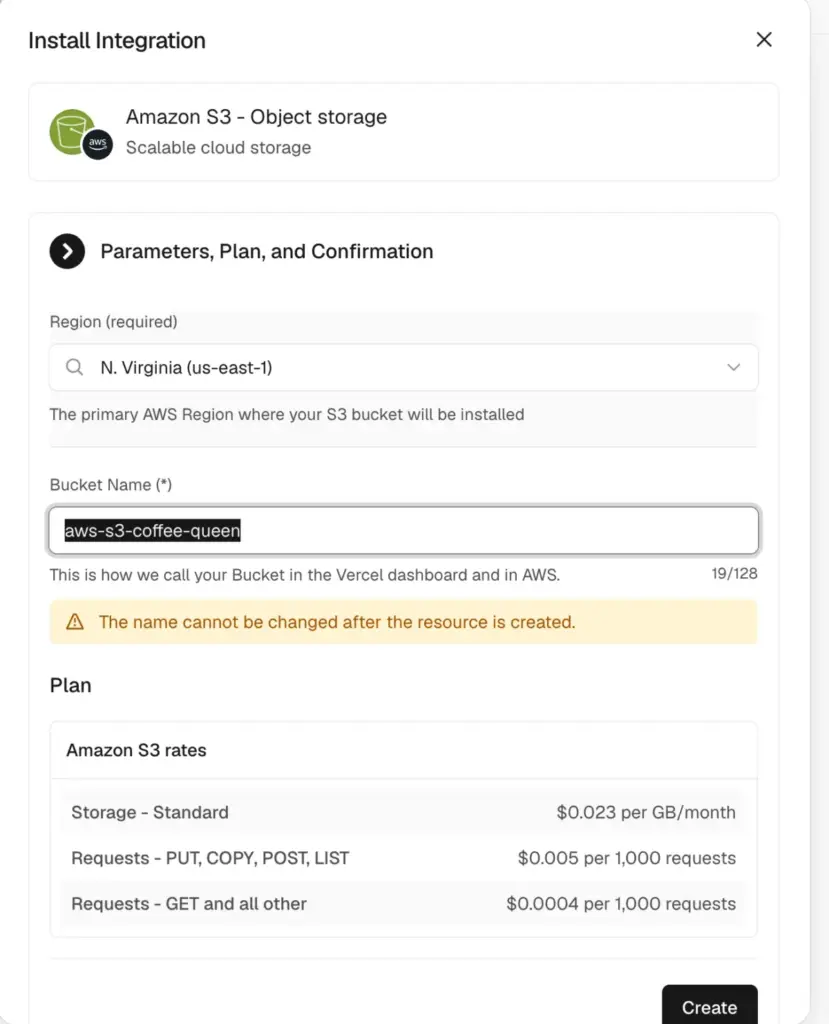
In a significant move to streamline the cloud development lifecycle, Vercel has announced the native integration of Amazon Simple Storage Service (Amazon S3) directly into its platform. By making S3 storage resources available through the Vercel Marketplace and the AI-powered v0 development environment, the company is bridging the gap between high-performance AWS infrastructure and the rapid, developer-centric workflow that has become synonymous with the Vercel ecosystem.
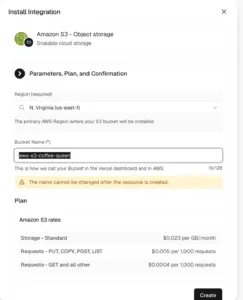
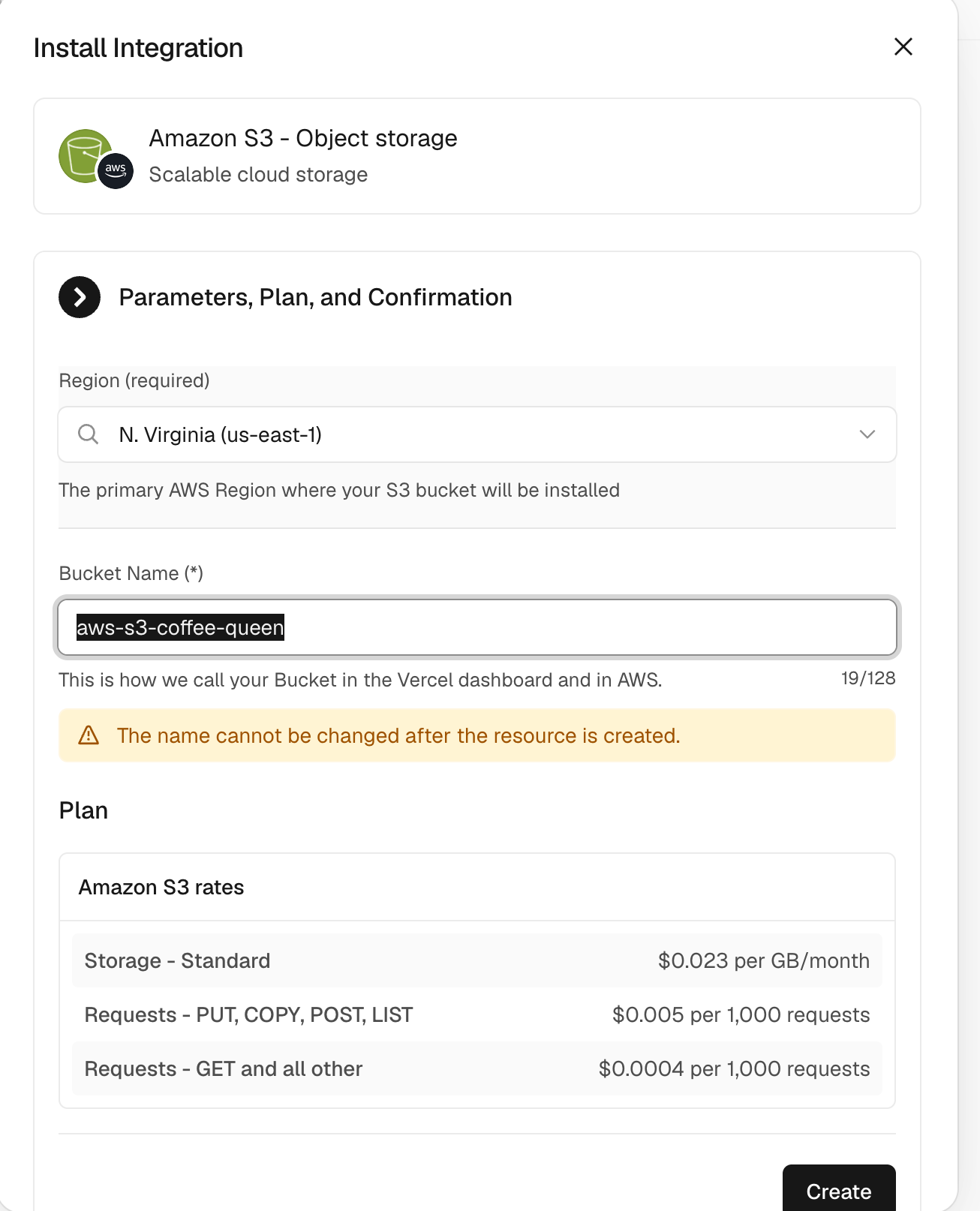
This integration covers three primary workload categories—everyday object storage, advanced analytics via S3 Tables, and AI-driven vector storage—effectively allowing developers to provision and connect critical AWS storage resources without leaving the Vercel dashboard. This shift represents a major departure from the traditional, often fragmented process of manually configuring AWS Management Console settings, IAM policies, and credential management, offering instead a unified application stack that maintains the scalability and durability of Amazon S3 within a streamlined interface.
The Evolution of the Developer Experience
For millions of developers who rely on Vercel to deploy and scale their web and AI applications, the addition of native S3 support addresses a persistent friction point in modern cloud development. Historically, incorporating robust storage into a project required a context switch: moving away from the code editor or Vercel dashboard to the AWS console to establish the necessary infrastructure. This process, while standard for cloud engineers, often created administrative overhead for developers focused on frontend and application logic.
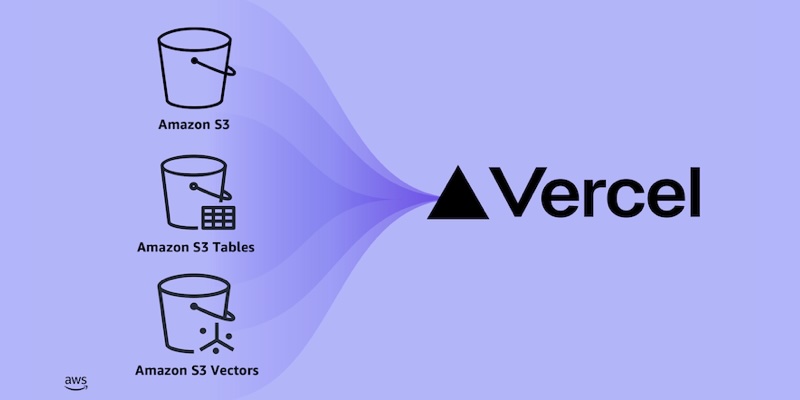
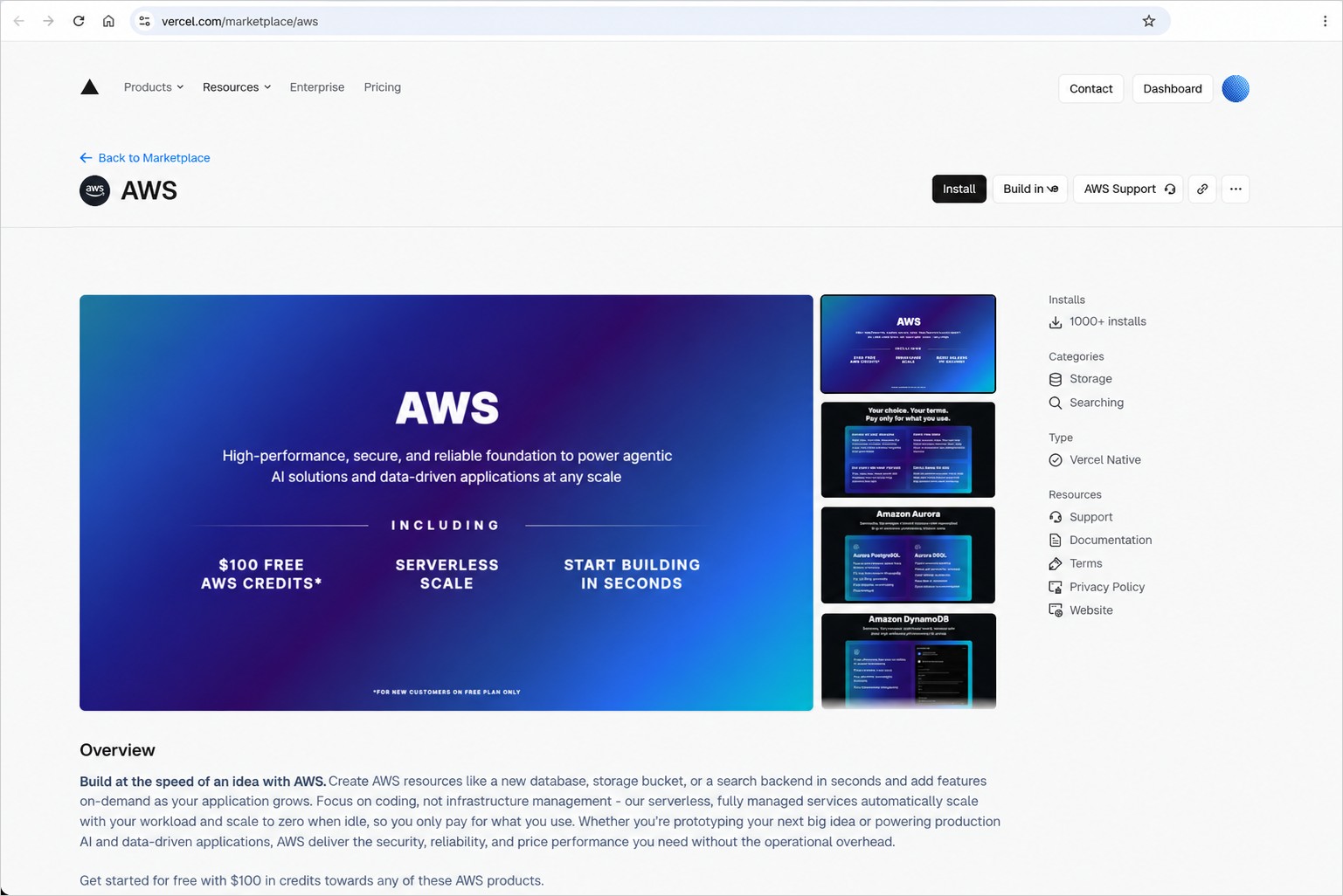
By automating the provisioning of storage buckets and managing the underlying connection configurations, Vercel is simplifying the path to production. This new integration complements existing support for Amazon Aurora, Amazon DynamoDB, and Amazon OpenSearch Serverless. With these services now accessible under a single platform, developers can manage their entire application stack—from database layers and object storage to AI-optimized vector indexes—within one AWS account, consolidated under one billing cycle. This move underscores a growing trend toward "infrastructure-from-code," where developers define their storage needs alongside their application logic rather than managing them as separate, siloed entities.
Storage Capabilities for Modern Workloads
The integration is designed to support a wide range of use cases, ranging from simple static asset management to complex, data-intensive AI operations. The primary offering, general-purpose Amazon S3, provides the foundational object storage that developers expect, capable of handling images, logs, and user-generated content. The integration ensures that these buckets are easily linked to Vercel projects, with environment variables injected automatically.
Beyond basic object storage, the inclusion of Amazon S3 Tables and Amazon S3 Vectors marks a sophisticated step forward for developers building data-heavy or AI-reliant applications. S3 Tables are purpose-built for analytics, providing a fully managed environment for Apache Iceberg tables. By handling automated table maintenance and compaction, S3 Tables enable developers to query large datasets with optimized performance. This is particularly useful for developers who wish to utilize tools like DuckDB within Vercel Functions to perform lightweight, efficient analytical queries on large data volumes without the overhead of maintaining a traditional data warehouse.

Meanwhile, S3 Vectors addresses the surging demand for AI-native storage. As developers build more agents and semantic search capabilities, the need for cost-optimized vector storage has become paramount. S3 Vectors allows for the storage and retrieval of vector embeddings directly within the S3 architecture. By creating embeddings through external models and then using the Vercel-provided integration to query the index, developers can implement advanced retrieval-augmented generation (RAG) pipelines and semantic search features with significantly reduced complexity.
Technical Implementation and Security
A core component of this integration is its commitment to security and best practices regarding credential management. Vercel utilizes an OIDC-based approach to ensure that developers do not need to manage or store static AWS access keys. When a bucket is connected to a project, the integration automatically provisions the necessary environment variables, including the region and role ARNs.
At runtime, the @vercel/functions/oidc library facilitates an exchange between the application and the AWS Security Token Service (AWS STS). This process generates short-lived, temporary credentials that are scoped specifically to the resource in question. By eliminating the need for hardcoded static keys, this design mitigates the risk of credential leakage and aligns with the principle of least privilege, ensuring that application functions only possess the permissions required to access their designated storage resources.
For developers working in a Next.js environment, the integration is seamless. Whether uploading files to a general-purpose bucket or executing complex SQL queries against S3 Tables using DuckDB, the code remains clean and idiomatic. In scenarios involving specialized packages like DuckDB, Vercel provides clear guidance on managing native bindings to ensure that the serverless functions remain lightweight and performant.
The Role of v0 in Intelligent Infrastructure
Perhaps the most innovative aspect of this announcement is the integration of these storage capabilities into v0, Vercel’s generative AI interface. By describing a project in natural language, developers can now trigger the automated provisioning of the appropriate AWS storage infrastructure. For example, a user might prompt v0 to build a photo gallery, a PDF-based support bot, or an analytics dashboard for clickstream data.
In response, v0 not only generates the necessary frontend and backend code but also handles the underlying storage configuration. This "intent-based" infrastructure provisioning allows developers to focus on the application’s functionality rather than the plumbing of cloud storage. The ability to see these components integrated in a live preview environment further accelerates the prototyping phase, effectively collapsing the time between a conceptual idea and a functional, cloud-backed application.
Flexibility and Ecosystem Compatibility
The platform remains highly flexible regarding how developers manage their existing AWS relationships. Users have the option to create entirely new AWS accounts through the Vercel integration, which includes a $100 credit incentive for new users, or to link their existing AWS accounts. For those who choose to link an existing account, Vercel operates with a clear boundary: the platform manages only the new resources created through the Vercel workflow.
This approach ensures that developers retain full access to their existing AWS-native tooling, monitoring services, and management configurations. Because the resources physically reside within the user’s AWS account, they remain subject to the user’s existing governance and security policies, providing a best-of-both-worlds scenario that combines the ease of use of the Vercel platform with the raw power and control of the AWS cloud.
As developers continue to push the boundaries of what is possible with web and AI applications, the importance of reliable, scalable, and easy-to-manage storage cannot be overstated. By bringing Amazon S3 directly into the Vercel experience, Vercel is not only simplifying the technical hurdles of the cloud but is also enabling a new standard for how modern applications are built, deployed, and scaled in a serverless-first world. Interested developers can explore these new capabilities via the Vercel Marketplace or the v0 interface, marking a significant milestone in the ongoing collaboration between Vercel and AWS.