









The way most modern organizations are rolling out artificial intelligence feels less like a calculated business strategy and more like an elaborate farce. If current enterprise adoption practices were adapted into a satirical film, industry reviewers would likely dismiss the plot as entirely unbelievable, noting that no corporate leadership team could realistically be that disconnected from reality.
Yet, enterprises find themselves trapped in this exact cycle. What makes the current state of artificial intelligence implementation all the more frustrating for industry observers and consultants is that corporate leadership has traversed this exact terrain before.
Back in 2014, digital strategist and author Paul Boag published Digital Adaptation through Smashing Magazine, a foundational text examining the systemic mistakes organizations were making in their approach to digital transformation and outlining what they should have been doing instead. Today, the structural and behavioral similarities between the digital transformation era and the dawn of the artificial intelligence boom are striking.
Reviewing the lessons outlined in Digital Adaptation reveals how past mistakes continue to haunt modern boardrooms, offering a roadmap for how enterprises can navigate the profound challenges of artificial intelligence adoption today. Across both eras, the single biggest strategic misstep has been approaching a massive cultural and operational evolution as a purely technological challenge.
It’s About People, Not Technology
To be sure, both the digital transformation era and the current artificial intelligence revolution represent monumental technological leaps forward, and a certain degree of technical deployment is naturally required to make progress. However, that technical implementation is merely the visible tip of a remarkably deep and complex iceberg.
During the height of the digital transformation wave, internal IT departments busied themselves deploying complex content management systems, customer relationship management software, intranets, and enterprise infrastructure. Meanwhile, customer-facing divisions rushed to launch new websites, mobile applications, and automated personalization engines. Yet, throughout these massive rollouts, organizations invested almost negligible effort into understanding how actual human beings were going to interact with these systems on a daily basis.
Internal enterprise software frequently proved frustratingly difficult to use, while customers either remained indifferent to what was being built or actively demanded entirely different solutions altogether.
A remarkably similar phenomenon is playing out across organizations today regarding artificial intelligence. Senior management teams have bought heavily into market hype, prompting internal information technology departments to blanket enterprises with enterprise-wide licenses for tools like Copilot Studio, effectively declaring the adoption mission accomplished after a generic, organization-wide training webinar.
Just as they did a decade ago, bewildered staff members are left staring at new systems, wondering what practical purpose they serve, while simultaneously feeling mounting professional pressure to integrate the technology and deliver immediate productivity results. Organizations must urgently recognize that artificial intelligence is fundamentally a cultural shift as much as it is a technological one, and that organizational evolution carries enormous, heavy implications for the daily lives of their workforce.
This time around, the stakes are arguably even higher because staff members are quietly, and sometimes overtly, fearing for the security of their jobs. Employees have absorbed the very same disruptive headlines concerning automation that executives read daily, and no amount of reassuring corporate memos or empty promises from senior leadership is going to alleviate those deep-seated anxieties.
Why Would Staff Want To Adopt AI?
Examining this dynamic from the perspective of an everyday employee clarifies the hesitation. Artificial intelligence offers rank-and-file workers very little tangible personal benefit, even when setting aside the underlying suspicion that management intends to use these efficiency gains to downsize headcount.
The primary driver behind executive enthusiasm for artificial intelligence is the promise of accelerated productivity—the capability for individuals to accomplish significantly more work in considerably less time. However, that outcome does not inherently benefit the employee. Staff members are still expected to log their standard forty-hour workweeks, but they now face implicit expectations to output vastly higher volumes of work within those exact same hours. They receive no reclaimed personal time and no financial compensation adjustments for mastering these tools, begging the fundamental question of why any rational employee would willingly embrace the extra friction.
Before pushing staff to adopt artificial intelligence en masse, corporate leadership needs to ask themselves how they intend to genuinely motivate workers to embrace the change.
One viable strategy involves helping employees identify the tedious, repetitive tasks they actively despise and demonstrating how artificial intelligence can absorb those specific duties to make their working lives faster, smoother, and less painful. People are inherently far more receptive to operational disruption when it is framed as a direct opportunity to improve their day-to-day working reality.
Beyond streamlining frustrating chores, organizations may need to seriously consider offering tangible incentives for artificial intelligence adoption, whether through career progression pathways, compensation adjustments, or reduced working hours that reflect genuine productivity gains.
Staff Need Time And Support To Adopt AI
Furthermore, integrating artificial intelligence into regular workflows is far from a trivial task. It requires challenging and dismantling operational habits and procedural knowledge that employees have spent years, or in some cases decades, carefully building. Reconstructing procedural knowledge from the ground up is an immense psychological and professional burden to place on anyone, particularly when employees are rarely operating under ideal circumstances.
Most corporate environments feature overworked personnel already struggling to stay afloat amid overflowing daily to-do lists. They simply lack the margin to sit down, patiently learn a novel software ecosystem, and figure out how it organically fits into their existing responsibilities.
Developing fluency with advanced tools requires more than passive compliance; it requires dedicated time, deep consideration, and safe spaces for experimentation. Simply herding staff through a generic corporate training course and expecting them to leverage artificial intelligence to its absolute maximum potential is a recipe for failure.
At a minimum, organizations must provide role-specific training tailored to the distinct demands of various departments. Companies should design sophisticated educational programs that help personnel across distinct business units understand how artificial intelligence applies directly to their unique operational challenges. Crucially, employees require ongoing, localized support and protected time to experiment without penalty.
However, formal corporate training programs can only carry an organization so far. Experience shows that the most effective internal support consistently comes from peer networks. Rather than starting change management initiatives by trying to win over the most stubborn skeptics, organizations should identify and empower internal enthusiasts—those employees who are already experimenting with artificial intelligence organically, often without explicit instruction.
Bringing these self-starters together, giving them protected time and physical space to share what is working for them, and letting their natural enthusiasm permeate the broader team yields far better results than top-down mandates. This dynamic proved true during the digital transformation era as well, where internal showcases where staff demonstrated practical projects to colleagues drove adoption far more effectively than any executive memo. People are naturally inclined to try new approaches when they witness a peer in a similar role succeeding with them.
Unfortunately, genuine experimentation carries an inherent downside: mistakes are inevitable.
It Needs To Be Safe To Fail
Many corporate cultures maintain an underlying atmosphere of fear where operational mistakes are treated as direct evidence of professional incompetence. Yet, by its very nature, mastering a transformative technology like artificial intelligence involves stumbling through trial and error, making mistakes an inevitable barrier to adoption.
This exact cultural friction manifested during the digital transformation era. Senior executives would aggressively demand digital overhauls, only to express utter confusion when modernization stalled across departments. They frequently failed to recognize that their own organizations were transmitting contradictory signals to the workforce. While management demanded modernization, they simultaneously maintained rigid adherence to existing key performance indicators and penalized any operational missteps during annual performance reviews.
Within those environments, no genuine space existed to fail, because the institutional pressure to deliver flawless, uninterrupted output was relentless.
In the current artificial intelligence landscape, these cultural pressures appear even more pronounced. Reports circulate of employees receiving formal reprimands for consuming excessive computational tokens mere weeks after being instructed to embrace the technology, or workers being subjected to such exhaustive lists of compliance warnings that they grow terrified to execute any prompt at all. Under those conditions, employees quickly calculate that it is professionally safer to simply ignore the new tools and maintain traditional workflows.
If executive leadership genuinely expects staff to integrate artificial intelligence into their operations, they must actively cultivate an environment where experimentation feels safe. Management must adjust performance metrics, reevaluate review frameworks, and temporarily relax strict governance standards while workers navigate the steep learning curve.
Handle Governance With Care
Of course, introducing generative technologies into enterprise environments requires establishing appropriate oversight. Artificial intelligence cannot be deployed into the wild completely devoid of guardrails, but governance is historically an area that organizations handle with extreme clumsiness.
During the peak of digital transformation, organizational governance typically suffered from one of two extremes: it was either completely nonexistent, leaving teams entirely unmoored, or it was so restrictive that it systematically suffocated innovation. A remarkably similar pattern is unfolding across modern enterprises today.
Staff require sensible governance to understand their operational boundaries, clarifying what is expected of them and defining clear lines regarding acceptable usage. However, organizations frequently draft policies so punitive and complex that employees find it easier to abandon the tools entirely. Extensive rulebooks detailing every hypothetical pitfall regarding what data can or cannot be processed through artificial intelligence engines cultivate the very culture of fear that paralyzes adoption.

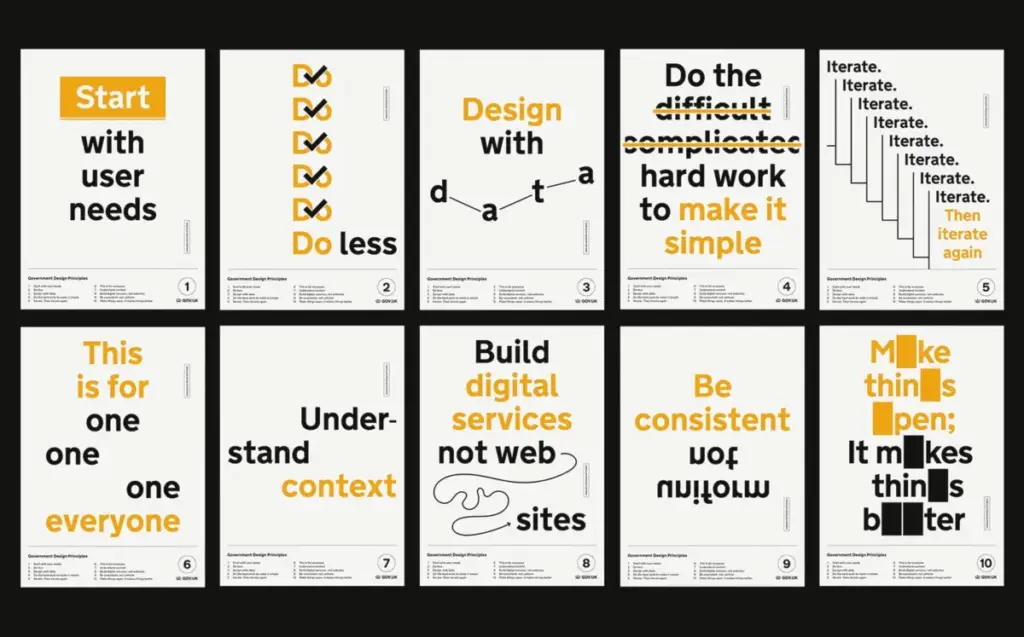
Organizations need concise, accessible sets of guiding principles—frameworks compact enough to fit on a poster—supported by an underlying demonstration of trust in the common sense of their workforce. While mistakes will inevitably occur, that operational turbulence represents the baseline cost of organizational evolution. Enterprises must accept that reality and design their rollout strategies to absorb minor missteps without triggering draconian disciplinary actions.
Adaptive Technological Rollout
Organizations must also exercise care in how they manage technological deployment from an infrastructure perspective. Once again, there is a powerful corporate temptation to lock down systems entirely, inadvertently crushing organic adoption.
A decade ago, overstretched IT departments similarly responded to digital transformation by selecting a rigid suite of enterprise tools and deploying them uniformly, largely bypassing consultation with end-users. Any software requests falling outside that pre-approved catalog were forced through exhausting bureaucratic approval processes involving multi-layered steering committees. The resulting glacial pace of technological integration contributed heavily to the staggering failure rates of early digital transformation initiatives.
Today, enterprises are repeating this exact playbook. Information technology teams routinely purchase enterprise-wide access to single platforms like Microsoft Copilot and declare the technological infrastructure complete, ignoring the reality that standardized toolsets frequently fall short of specialized department needs.
Consider specialized creative or analytical units where leadership aggressively demands artificial intelligence adoption, yet the standard enterprise-approved software lacks the specialized capabilities required to build custom research repositories or nuanced operational workflows. Rather than receiving technological enablement, teams become hopelessly bogged down in internal bureaucracy as they petition steering groups for alternative toolsets, watching their initial enthusiasm slowly dissolve into apathy.
Faced with administrative roadblocks, impatient employees do not wait for bureaucratic clearance. Just as shadow IT flourished during the digital transformation era—with workers signing up for unauthorized cloud storage solutions because official infrastructure failed to meet their operational needs—modern enterprises are witnessing the rapid rise of shadow artificial intelligence.
When official in-house tools restrict employees from accomplishing their daily responsibilities, workers simply open personal accounts on mobile devices or home laptops and proceed with their tasks.
This behavior introduces severe security risks that dwarf the issues rigid policies were designed to prevent. Proprietary company data ends up flowing into external third-party applications completely outside corporate visibility, leaving zero audit trails or records of shared intellectual property.
The instinctive corporate reaction to shadow usage involves clamping down further with aggressive firewall restrictions, blocked URLs, and threats of disciplinary action. However, punitive crackdowns rarely succeed; instead, they simply drive unauthorized behavior deeper underground. Shadow artificial intelligence is fundamentally a symptom—and a valuable diagnostic one at that—revealing precisely where official enterprise tooling fails to meet operational realities.
Rather than attempting to violently stamp out shadow artificial intelligence, organizations should analyze it. By engaging in open dialogues with staff regarding what external tools are being utilized for and identifying the functional gaps in official software, leadership can directly inform subsequent phases of technological deployment.
Navigating the early days of any technological revolution requires tolerating a degree of operational messiness while workers explore boundaries and discover practical, repeatable use cases. Organizations must grant staff the flexibility to explore different applications and workflows tailored to their distinct operational needs, tightening governance later once authentic organizational requirements become clear.
A Dangerous Time
For many corporate risk-management teams, this decentralized approach feels acutely uncomfortable. Centralized control remains the preferred mechanism for ensuring absolute predictability and preventing failure.
Yet, any profound organizational evolution carries inherent risk, and the long-term threat of moving too slowly in a shifting technological landscape vastly outweighs the short-term friction of moving too quickly.
The greatest danger facing modern enterprises lies in viewing artificial intelligence strictly as a technological hurdle while entirely overlooking the human element. Just like the digital transformation movement before it, artificial intelligence adoption is fundamentally about people, organizational culture, and deliberate change management. The sooner corporate leadership acknowledges the true scope of that human challenge, the more resilient their organizations will become.