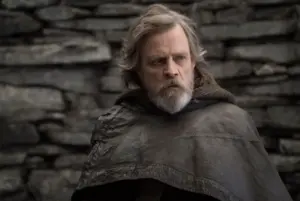










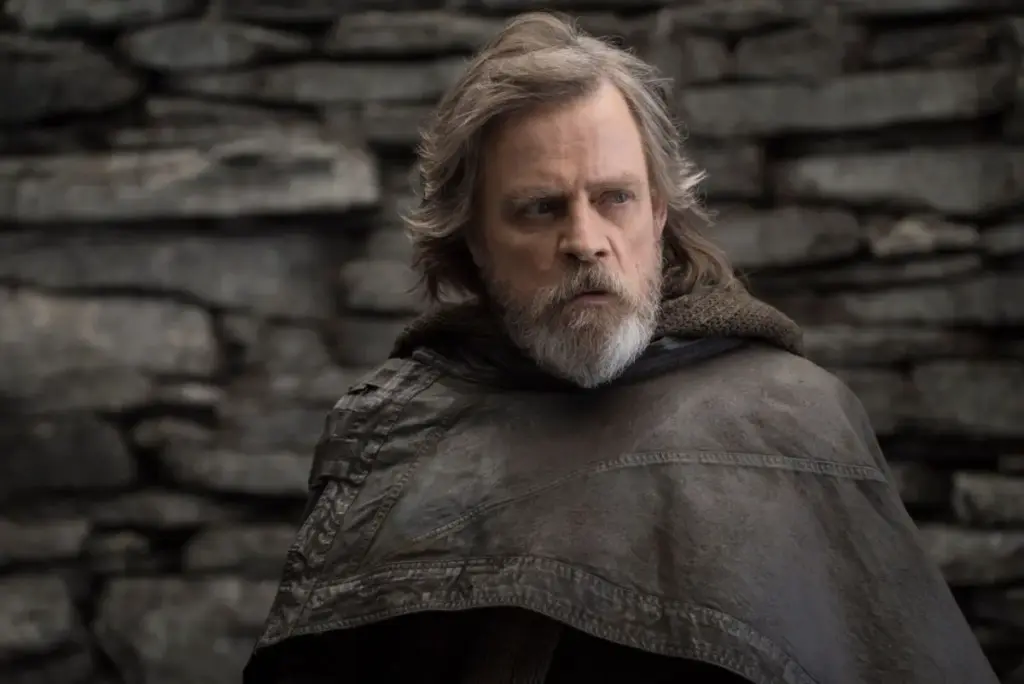
Since its theatrical debut in 2017, Rian Johnson’s Star Wars: The Last Jedi has remained one of the most polarizing entries in the entire Skywalker Saga. It ignited a firestorm of debate among fans and critics alike, with opinions often split between those who hailed it as a bold, deconstructive masterpiece and those who felt it fundamentally betrayed the established characterization of the galaxy’s greatest hero, Luke Skywalker. Yet, beneath the layers of controversy and the heated discourse surrounding his reclusive exile on Ahch-To, it is difficult to deny that Johnson’s film provided some of the most poignant, thematic, and enduring dialogue in the franchise’s half-century history.
While many fans gravitate toward the witty, meta-commentary zingers—such as Luke’s biting observation, "Amazing. Every word of what you just said was wrong"—these moments of levity are not what truly define the film’s emotional core. Instead, The Last Jedi offers a quiet, devastatingly beautiful line that perfectly encapsulates the spiritual and emotional heart of the Star Wars universe. This moment, which occurs during a brief but deeply significant connection between Luke and his sister, Leia Organa, stands as the most important quote of Luke’s long and storied journey.
Luke’s Best Star Wars Moment Isn’t the One You Think
To evaluate the strength of a quote, one must look at the legacy of the character. Luke Skywalker has been the moral compass of the galaxy since 1977. Over the decades, he has delivered lines that have become embedded in the cultural lexicon. Many devotees of the saga point to his declaration before Emperor Palpatine in Star Wars: Return of the Jedi—"I am a Jedi, like my father before me"—as the definitive peak of his character arc. That moment is, undeniably, a masterpiece of writing and performance; it represents the culmination of Luke’s growth from a farm boy to a true master of the Light Side, cementing his rejection of the dark path his father walked.

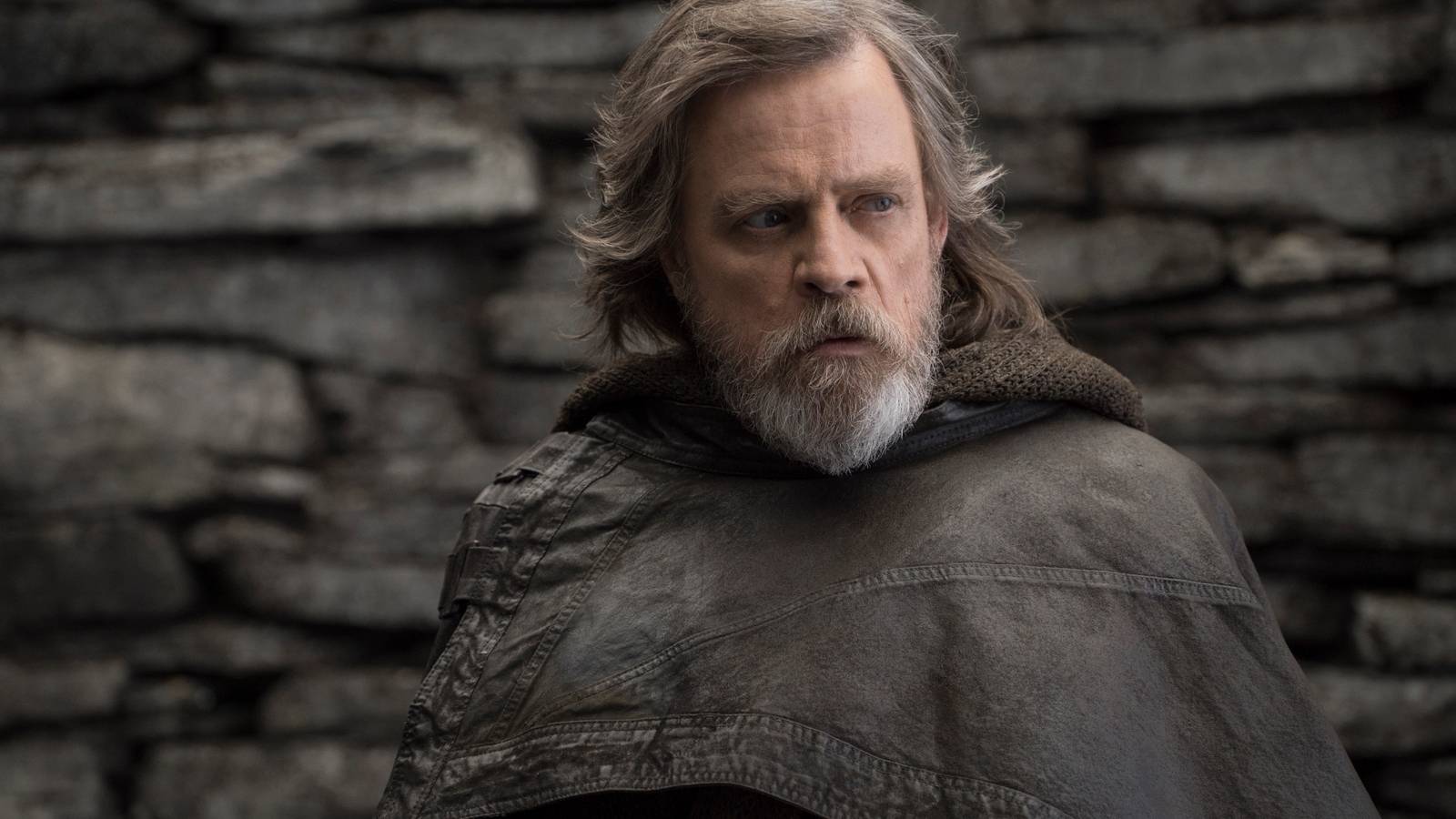
However, while that line serves as a brilliant climax for the original trilogy, a more nuanced and emotionally resonant quote emerges in The Last Jedi. The moment arrives when Luke, still isolated on the remote island of Ahch-To, uses the Force to project an image of himself across the galaxy to Crait. Before this climactic confrontation, there is a quieter, more personal interaction between Luke and Leia. In this exchange, Leia is grappling with the crushing weight of the war and the profound grief of losing her son, Ben Solo, to the corruption of the Dark Side. She fears that the boy she loved is truly gone, replaced entirely by the monster known as Kylo Ren.
Luke, having finally moved past his own failures and found a renewed sense of purpose and belief through his mentorship of Rey, offers a simple, three-word reassurance that acts as the anchor for the entire film’s thesis: "No one’s ever really gone."
This line serves as a mirror to Luke’s own evolution. At the start of The Last Jedi, he was a man consumed by shame, regret, and the belief that the Jedi were a relic of a failed past. By the time he speaks these words, he has transcended that cynicism. He acknowledges that the connections we forge with others, and the light that resides within them, are never truly extinguished, even when they seem hidden beneath layers of trauma or darkness.

Why Luke Skywalker’s Best Quote Is All About Redemption
In the vast tapestry of Star Wars, the concept of redemption is the central pillar upon which the narrative rests. From the films to the animated series, novels, and comics, the franchise consistently hammers home the idea that no one is beyond the reach of grace. However, the manifestation of this redemption is subjective. What one character interprets as a return to the light, another may view as an unforgivable act.
This duality is best exemplified by the Skywalkers themselves. Anakin Skywalker found redemption in the eyes of his son, Luke, who saw the man beneath the mask of Darth Vader. Conversely, Leia’s experience was vastly different. For her, Anakin was not the tragic figure who saved the galaxy; he was the architect of Alderaan’s destruction and the man who tortured her. Because of this, her view of redemption is tempered by the immense personal cost of his actions.
Luke’s quote to Leia serves as a bridge between these two perspectives. It is a reminder that the essence of a person—their history, their inherent goodness, and the potential they once held—remains present, even if it has been obscured by the machinations of the Dark Side. In various Star Wars expanded universe materials, such as Han Solo: Hunt for the Falcon, we are shown glimpses of a young Ben Solo who was deeply kind and caring. The tragedy of Kylo Ren is the tragedy of that goodness being buried. Luke’s assertion suggests that the existence of that past kindness is proof that the individual is not irrevocably lost. It provides a glimmer of hope that echoes throughout the rest of the sequel trilogy, influencing the eventual resolution of Ben Solo’s arc.
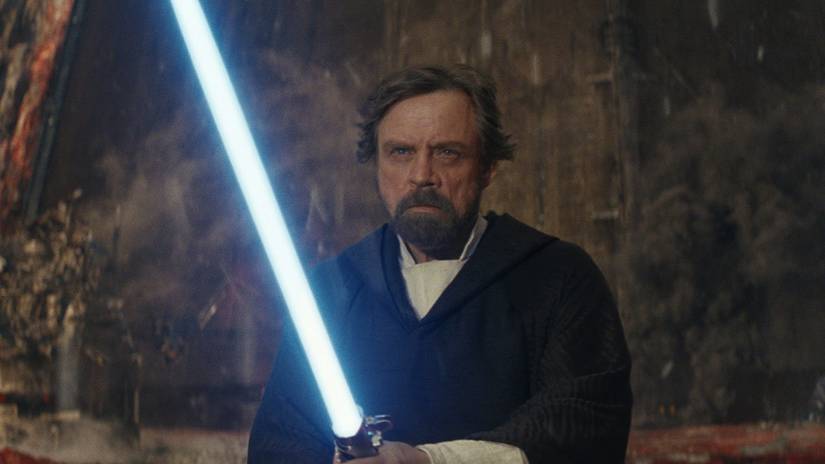
Alternative Meanings to Luke Skywalker’s Best Quote
The beauty of great writing is its capacity for multiple interpretations, and Luke’s quote in The Last Jedi is a prime example of a line that functions on several distinct levels. Beyond its emotional utility in the context of family and redemption, the line also addresses the fundamental spiritual essence of the Star Wars galaxy.
In a world where death is not the end, the phrase "No one’s ever really gone" takes on a literal, metaphysical meaning. The Jedi, through their training and their communion with the Force, achieve a form of immortality. They become one with the energy that binds the universe together, capable of manifesting as Force ghosts to guide those who remain. We have seen this repeatedly, from Obi-Wan Kenobi and Yoda to the return of various Jedi spirits in Star Wars: The Rise of Skywalker. In this sense, the quote is a meditation on the permanence of the spirit. Even when a physical form is struck down, the impact of a person’s life and their connection to the Force persists.
Furthermore, there is a metatextual layer to this dialogue that fans have frequently discussed. In a franchise as vast as Star Wars, characters are rarely left behind forever. Lucasfilm has a history of revisiting, reimagining, and resurrecting figures long after their stories were thought to be concluded. Whether it is the return of Anakin Skywalker as a Force ghost in the Ahsoka television series or the reappearance of characters in The Mandalorian, the sentiment that "no one’s ever really gone" has become a tongue-in-cheek mantra for the studio’s approach to legacy characters.
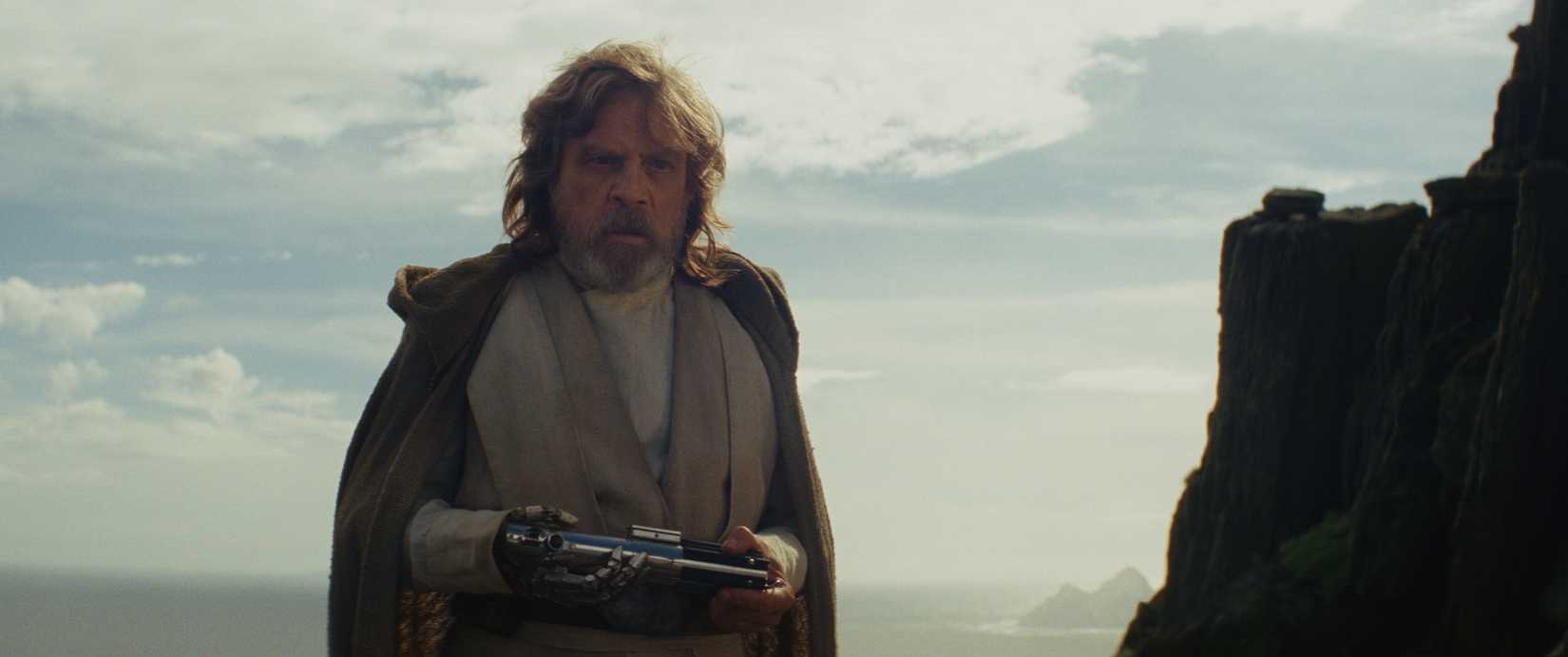
Sometimes this philosophy leads to deeply satisfying storytelling, and at other times, it can result in head-scratching narrative choices that leave fans questioning the permanence of character deaths. Yet, within the narrative of The Last Jedi, the line remains a powerful testament to the film’s ambition. It asks the audience to look past the surface, past the immediate conflicts, and into the deeper themes of endurance, memory, and the lasting influence of the Jedi.
Whether one views this quote as a spiritual truth, a lesson on the capacity for human redemption, or a meta-commentary on the nature of the Star Wars franchise itself, there is no denying its impact. It stands as a defining moment for the elder Luke Skywalker—a man who, despite his failings, ultimately understood that the light of those we love is a force that cannot be truly extinguished. It is precisely this kind of philosophical depth that ensures The Last Jedi, despite the intense debate surrounding it, will remain a significant and discussed chapter in the history of the saga.